The Broken Circle Breakdown
"Love, loss, and the high lonesome sound of heartbreak."

There is a specific kind of emotional whiplash that comes from watching a man in a cowboy hat scream at the cold Belgian sky. It’s the sound of a banjo—normally a vehicle for porch-side foot-stomping—being repurposed as a mourning wail. When I first sat down with The Broken Circle Breakdown, I wasn't prepared for how a film about Flemish bluegrass musicians could feel more authentic than almost any American domestic drama of the last twenty years. It’s a movie that doesn’t just ask you to cry; it asks you to argue with the universe about the very nature of existence.
I watched this recently on my laptop while eating a bowl of lukewarm oatmeal, and the contrast between my mundane breakfast and the soul-shattering grief on screen made me feel like I was committing a minor crime against art. You shouldn't be able to digest fiber while watching a relationship dissolve into radioactive dust.
The Non-Linearity of Memory
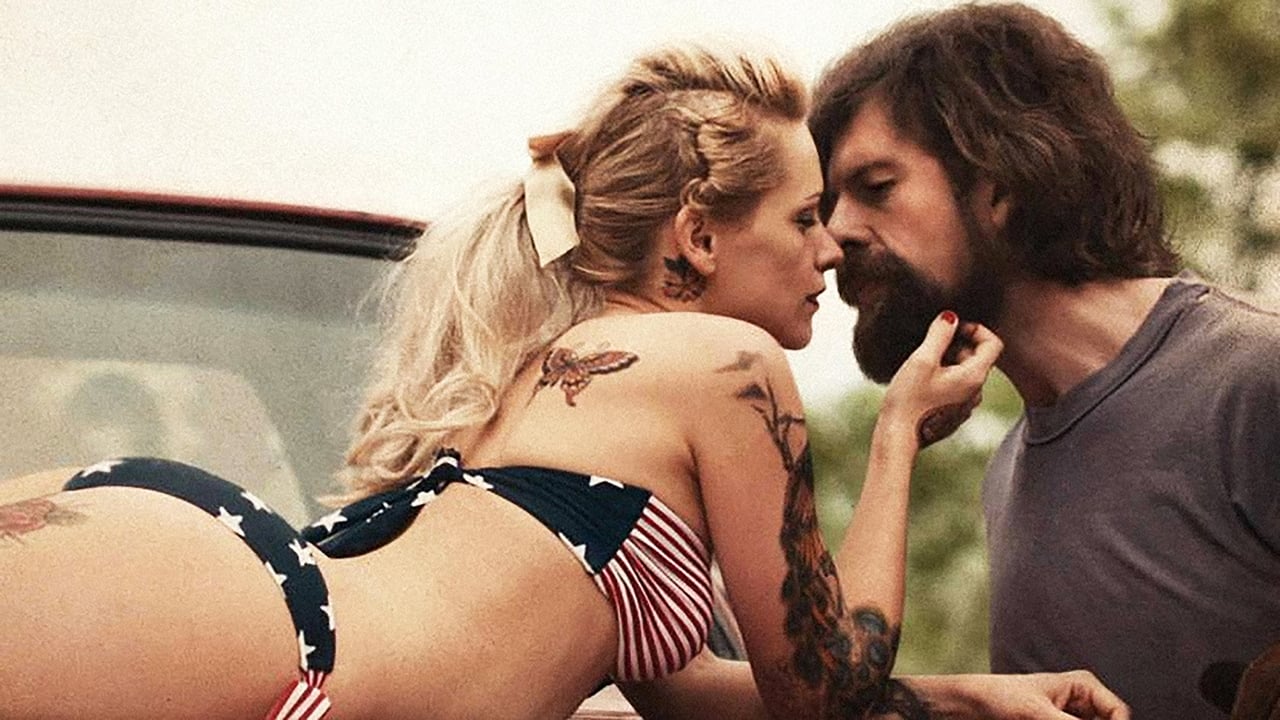
Director Felix van Groeningen (who later gave us the equally tear-soaked Beautiful Boy) chooses a non-linear structure that feels entirely earned. We jump between the sweaty, tattooed honeymoon phase of Elise (Veerle Baetens) and Didier (Johan Heldenbergh) and the sterile, fluorescent-lit purgatory of a pediatric oncology ward where their daughter, Maybelle (Nell Cattrysse), is fighting for her life.
In the hands of a lesser filmmaker, this would feel like emotional manipulation—a "misery porn" highlight reel. But here, the jumping timeline mimics the way trauma actually works. When you lose something essential, your brain doesn't process time like a calendar; it’s a jagged loop. You see a scar on your partner’s arm and you’re instantly back in the year you met, only to be yanked forward by the sound of a hospital monitor. It’s a dizzying, rhythmic approach that keeps the film from becoming a slog. Instead, it’s a pulse.
Bluegrass as a Divine Language
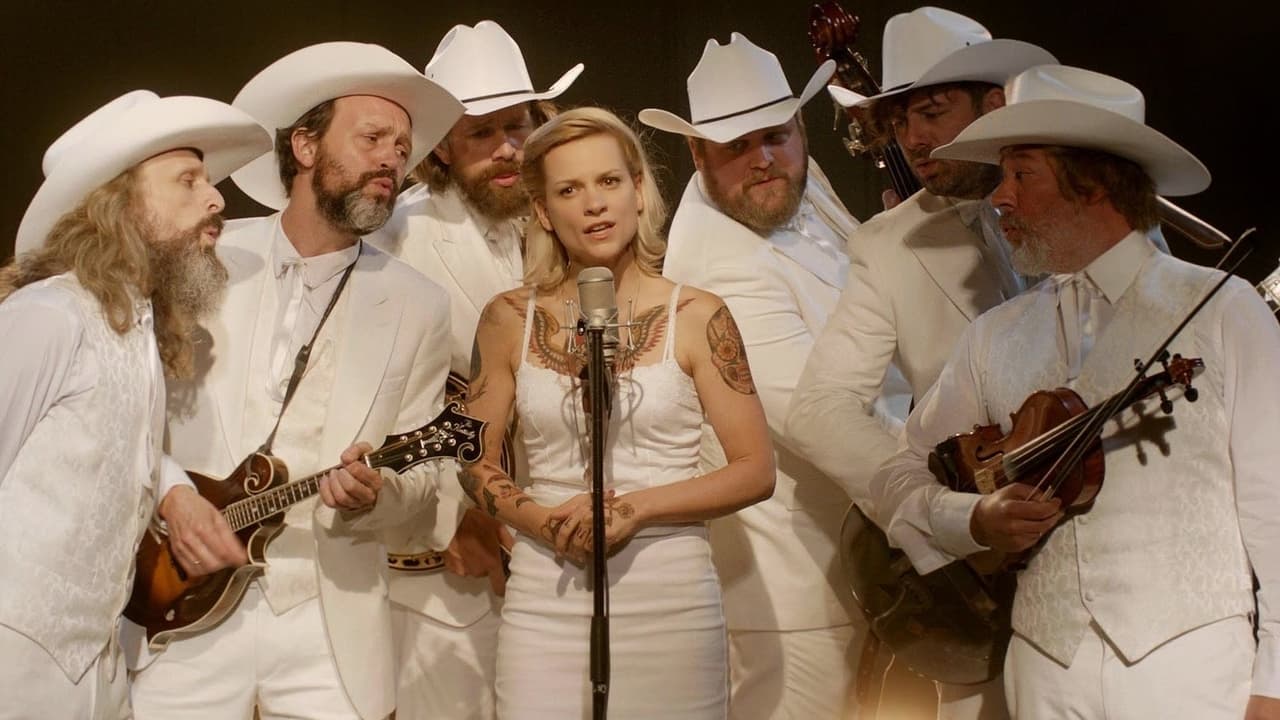
The most "Modern Cinema" era thing about this movie is its specific cultural cross-pollination. This was the tail end of the indie-folk boom, where the world was rediscovering the "High Lonesome" sound. But while most movies use music as wallpaper, The Broken Circle Breakdown treats it as the only language capable of bridging the gap between its leads.
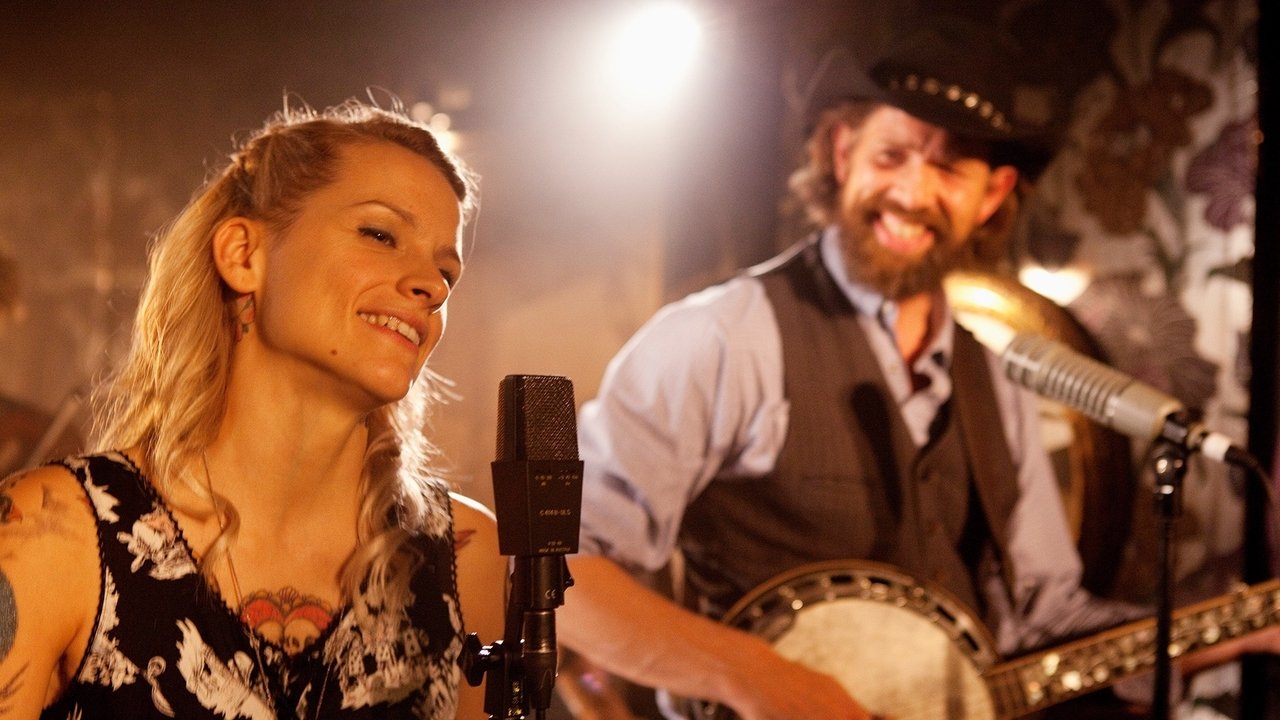
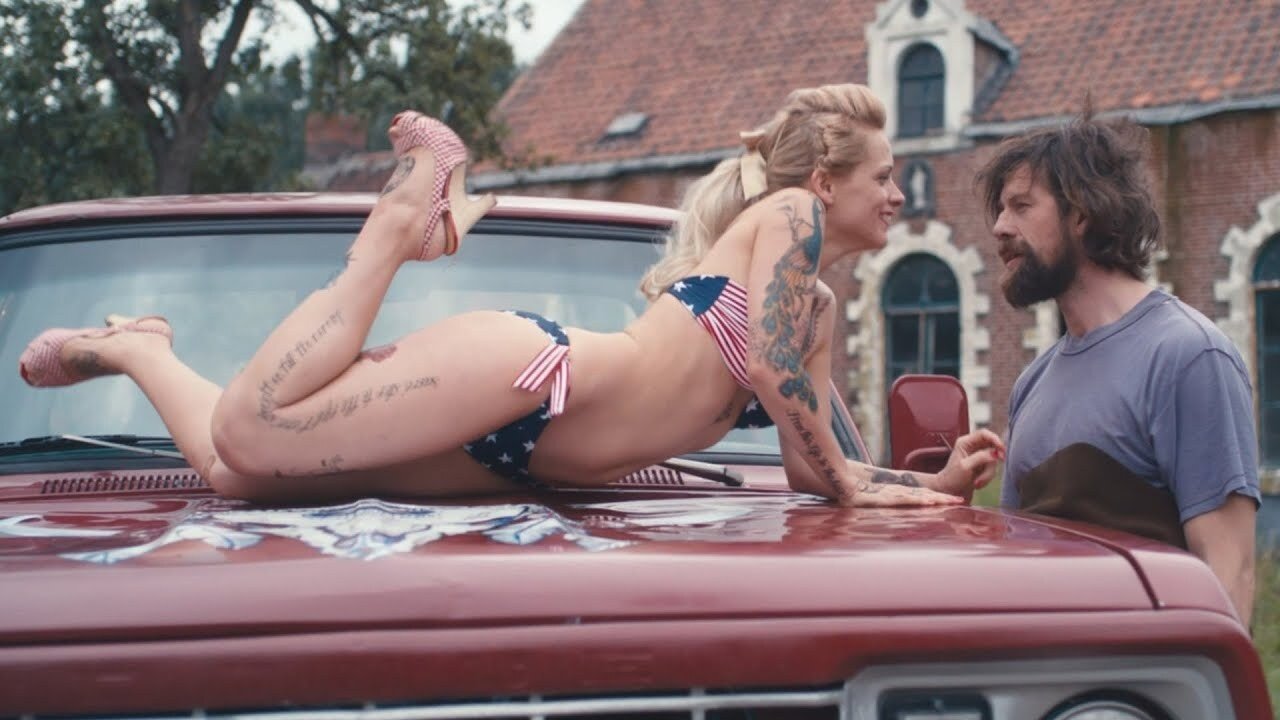
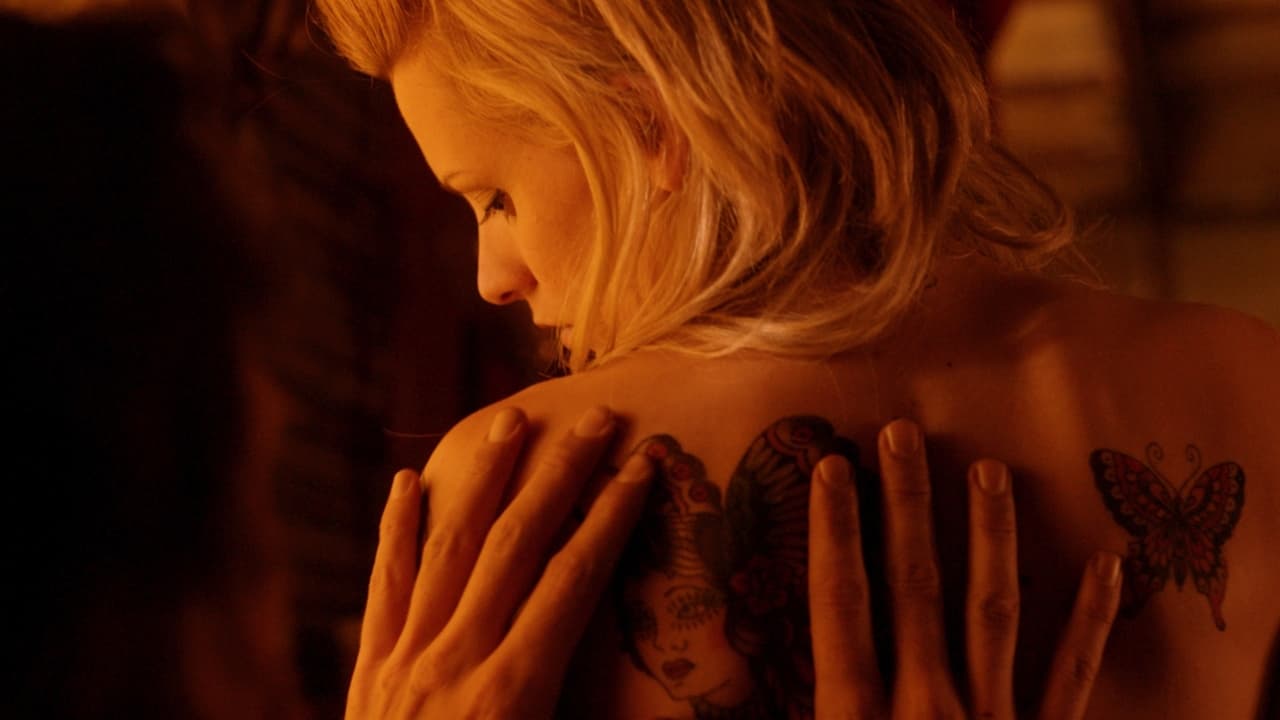
Didier is a romantic who fell in love with a mythologized version of America—the land of the free, the home of the banjo. Elise is a tattoo artist who literally wears her history on her skin. When they sing together, the chemistry is staggering. Veerle Baetens and Johan Heldenbergh did their own singing, and you can hear the grit in it. These aren't polished studio recordings; they are prayers.
However, the film takes a sharp, cerebral turn in how it uses this Americana obsession. Following the 9/11 attacks and the subsequent rise of religious fundamentalism in the States, Didier’s love for the U.S. curdles into a furious, vocal atheism. He views the world through a lens of cold, Darwinian logic, which becomes a weapon when their daughter falls ill. He turns a funeral into a TED Talk for nihilism, and it’s one of the most uncomfortable, brilliantly acted scenes in modern European cinema.
A Philosophical Fracture
This is where the film earns its "cerebral" stripes. It’s not just a movie about a sick kid; it’s an exploration of how we survive the "un-survivable." Elise begins to find solace in spiritualism—the idea that Maybelle might be a bird, or a star, or just somewhere. Didier, trapped in his scientific rigidity, views this as a betrayal of the truth.
The central conflict becomes a philosophical war: Is it better to be "right" and miserable, or "deluded" and comforted? The film doesn't take sides, though it certainly shows the wreckage left in the wake of Didier’s intellectual stubbornness. It’s a bruising look at how grief doesn't always bring people together; sometimes, it acts as a wedge that finds the tiny microscopic cracks in a foundation and splits the whole house in half.
Why Did This Slip Through the Cracks?
Despite an Oscar nomination for Best Foreign Language Film in 2013, The Broken Circle Breakdown remains a "if you know, you know" title. It was a massive hit in Belgium and France but struggled to find a permanent home in the American consciousness. Perhaps it was too bleak, or perhaps the idea of Belgians playing bluegrass felt like a novelty act to those who didn't bother to watch it.
The trivia behind the film is as grassroots as the music. The story originated as a stage play written by Johan Heldenbergh himself, which explains why the dialogue feels so lived-in. He knew this character in his bones before the cameras ever rolled. Additionally, the soundtrack actually topped the charts in several European countries, proving that the music had a life far beyond the celluloid.
Looking back from 2024, the film’s critique of the intersection of religion, politics, and stem-cell research feels incredibly prescient. It captured a very specific Y2K-era anxiety about the "New World" failing the Old World. But beneath all the political subtext and the philosophical debating, it’s the image of Veerle Baetens’ ink-covered back as she walks away that stays with you. It’s the most beautiful movie you’ll never want to see twice.
The Broken Circle Breakdown is a rare feat of filmmaking that manages to be both intellectually rigorous and emotionally devastating. It uses its non-linear structure not as a gimmick, but as a window into the fractured psyche of two people trying to outrun the inevitable. If you have a soul and a working set of ears, seek this one out. Just maybe skip the oatmeal while you watch it. You’re going to need your full strength for the final act.
Keep Exploring...
-
Control
2007
-

Evangelion: 1.0 You Are (Not) Alone
2007
-
The Diving Bell and the Butterfly
2007
-
Departures
2008
-
Il Divo
2008
-
Synecdoche, New York
2008
-
Evangelion: 2.0 You Can (Not) Advance
2009
-

My Name Is Khan
2010
-

A Separation
2011
-
Detachment
2011
-
From Up on Poppy Hill
2011
-
Amour
2012
-
Laurence Anyways
2012
-
Instructions Not Included
2013
-
Nebraska
2013
-
The Tale of The Princess Kaguya
2013
-
The Normal Heart
2014
-
The Way He Looks
2014
-
When Marnie Was There
2014
-
Beautiful Boy
2018