The Cabin in the Woods
"The rules have changed. The game is rigged."
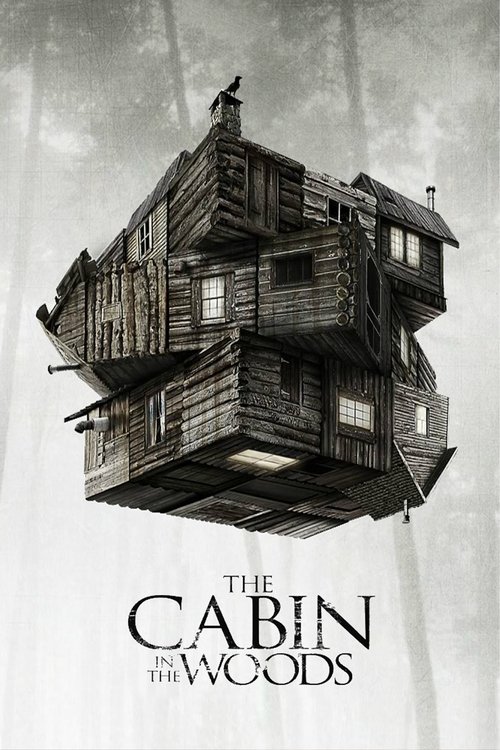
There is a specific kind of arrogance that comes with being a horror fan. We sit in the dark, smugly predicting which teenager will die first and shouting at the screen when someone decides to investigate a wet thumping sound in the basement. By 2012, the slasher genre felt like it was running on fumes, exhausted by a decade of "torture porn" and joyless remakes. Then Drew Goddard and Joss Whedon decided to take our collective genre-savviness and turn it into a literal, bureaucratic betting pool.

I’ll be honest: the first time I sat down to watch The Cabin in the Woods, I was nursing a lukewarm ginger ale and a mild case of sun poisoning from a failed hiking trip. I wanted something mindlessly familiar to numb the headache. Instead, this movie slapped me across the face, threw my ginger ale out the window, and dismantled every trope I thought I was too smart for. It isn’t just a horror movie; it’s a forensic autopsy of why we watch them in the first place.
The Office Space of Eternal Suffering
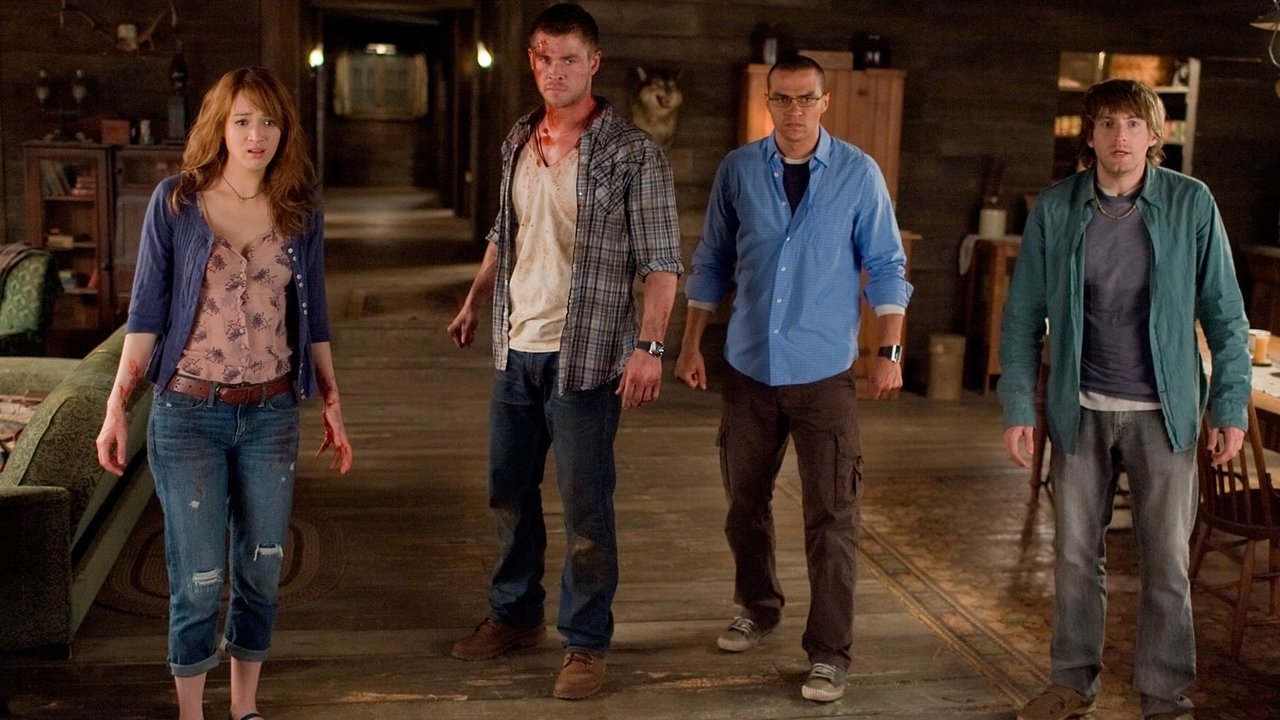
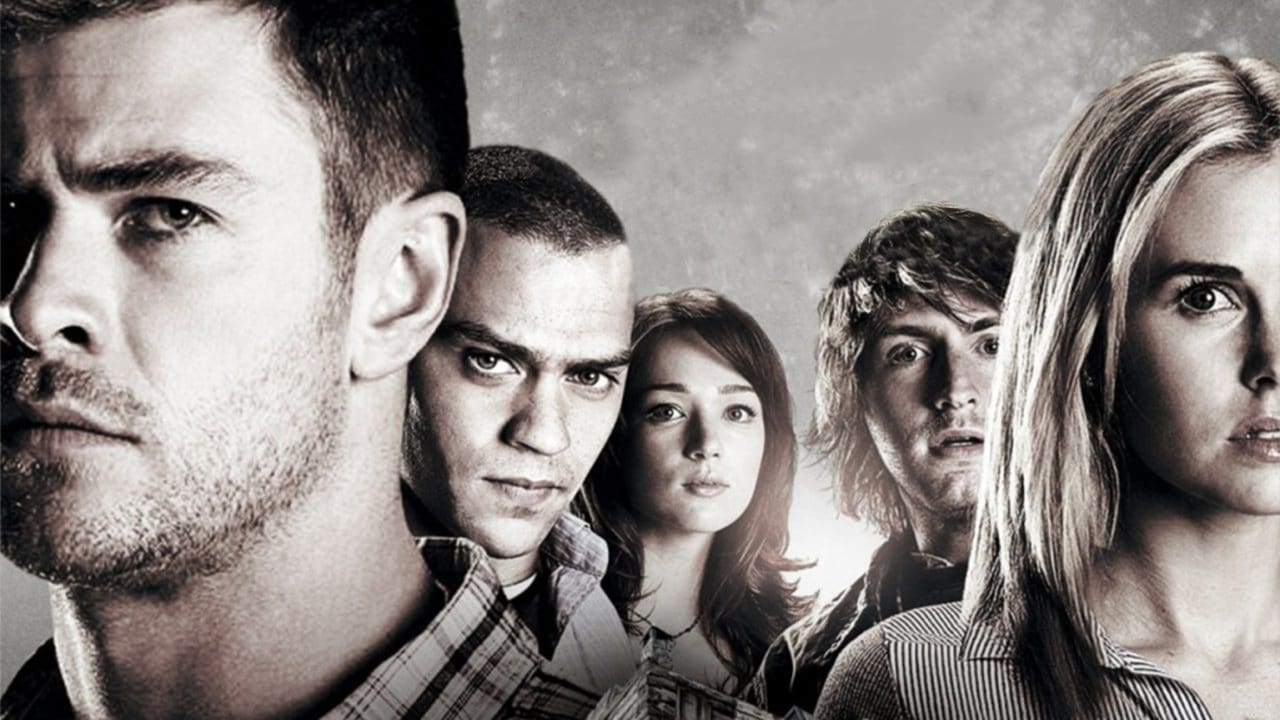
The genius of the film isn't in the cabin itself, but in the sterile, fluorescent-lit hallways of the subterranean facility controlling it. While Kristen Connolly, Chris Hemsworth, Jesse Williams, Anna Hutchison, and a delightfully high Fran Kranz are playing out the "five friends in a remote location" script, the real stars are Richard Jenkins and Bradley Whitford.
As Sitterson and Hadley, they bring a weary, middle-management energy to the apocalypse. They aren't cackling villains; they’re guys who are worried about their lawn care and whether the chemistry department is going to screw up the "merman" reveal again. Watching them manipulate the temperature and pheromone levels of the teenagers to force them into their stereotypical roles—the Whore, the Athlete, the Scholar, the Fool, and the Virgin—is a brilliant bit of meta-commentary. It effectively argues that the real monsters aren't the zombies in the woods, but the cynical architects behind the scenes who demand a predictable show.
Looking back at this era of cinema, you can see the fingerprints of the early 2010s everywhere. This was filmed in 2009 but sat on a shelf for years due to MGM’s bankruptcy. By the time it hit theaters, Chris Hemsworth was already a global superstar thanks to Thor (2011). There’s something hilarious about seeing the God of Thunder playing a "dumb jock" who actually happens to be a sociology major before the "chem department" dolls him down.
Practical Magic and the Cube of Chaos

While the film leans into its comedic side, the horror elements aren't just window dressing. The creature design in this movie is a staggering achievement of practical effects and digital augmentation. When we finally reach the third act—the "System Purge"—it is a glorious, blood-soaked buffet for horror nerds.
Apparently, the production hired nearly every prosthetic artist in Los Angeles to populate those containment cubes. From the "Sugarplum Fairy" with her mouth of concentric circles to the "Hell Lord" (a loving, legally-distinct nod to Hellraiser), the variety is insane. The filmmakers were so dedicated to the bit that they even planned a tie-in with the video game Left 4 Dead 2 that unfortunately fell through during the studio delays.
What I appreciate most is how the film treats its "monsters." They aren't just scary things; they are specific sub-genre markers. The Buckner family (the "Zombie Redneck Torture Sled" as the movie calls them) represents the backwoods slashers of the 70s. The invisible ghosts represent the J-horror boom of the early 2000s. By the time the "Ancient Ones" are mentioned, the film has successfully convinced you that you, the viewer, are the ultimate antagonist. We are the ones who demand the blood; we are the ones who will destroy the world if we aren't entertained.
A Post-Modern Eulogy for the Slasher
The cult status of The Cabin in the Woods wasn't guaranteed. It’s a movie that demands you be "in on the joke," which can sometimes alienate a casual audience looking for straight-up jump scares. But for those of us who grew up navigating the transition from VHS stacks to digital streaming, it felt like a graduation ceremony.
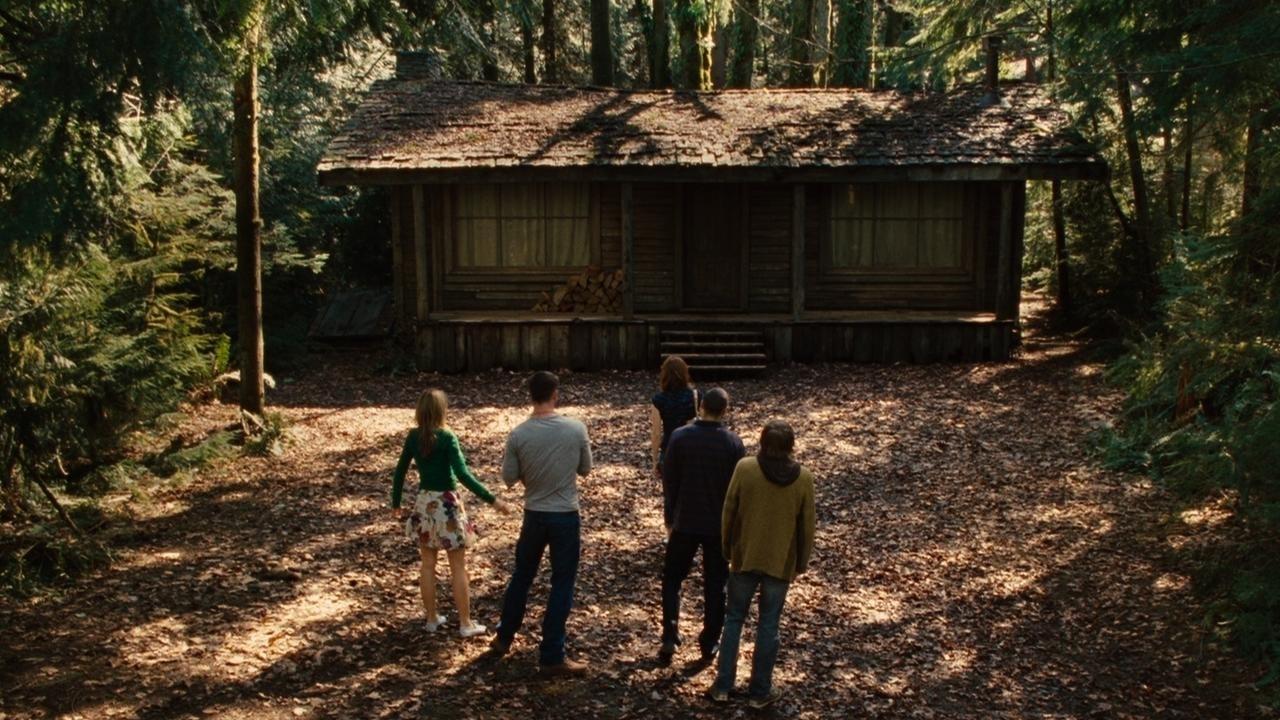
It’s a film that couldn't exist today in the same way. In our current landscape of "elevated horror" and A24-style psychological dread, the tropes Cabin deconstructs feel like artifacts from a simpler time. But that’s what makes it hold up so well. It captured that specific moment when the industry was shifting from practical ingenuity to CGI-heavy franchises, and it used both to tell us that maybe we’ve spent a little too much time cheering for the guy with the chainsaw.
Even the ending—a nihilistic, middle-finger-to-the-heavens finale—is incredibly ballsy for a $30 million studio film. It refuses to give you the easy out. It doesn't want to be a franchise; it wants to be the end of all franchises. Whenever I see a new horror movie trailer that looks a little too familiar, I find myself looking for the whiteboard. I find myself wondering which department is controlling the pheromones this time.
This is a rare bird: a smart-aleck movie that actually has the brains to back up its mouth. It’s funny, it’s inventive, and it features a scene involving a telescopic dirt bike jump that still makes me cackle every time I see it. It didn’t just parody the horror genre; it retired a dozen tired tropes on the spot. If you haven't seen it, you think you know the story, but I promise you—you really don't.
Keep Exploring...
-

Trick 'r Treat
2007
-
Jennifer's Body
2009
-
Fright Night
2011
-
Inherent Vice
2014
-
Tremors
1990
-
Army of Darkness
1992
-

Bride of Chucky
1998
-

Let Me In
2010
-
Shaun of the Dead
2004
-
Warm Bodies
2013
-
Pandorum
2009
-
The Crazies
2010
-
Scream 4
2011
-
Bad Times at the El Royale
2018
-

The Darjeeling Limited
2007
-
Hot Tub Time Machine
2010
-
Rubber
2010
-
She's Out of My League
2010
-
Paul
2011
-
Frankenweenie
2012