The Dark Knight Rises
"A bruised hero crawls from the abyss to save a city that hates him."
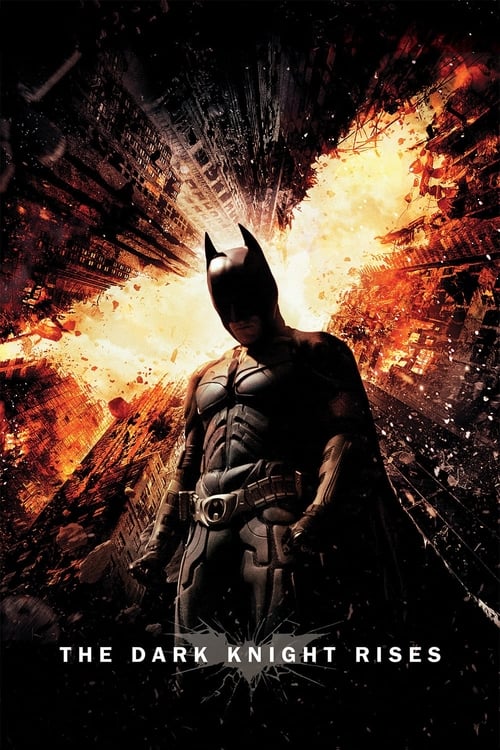
I remember sitting in the darkened theater in 2012, clutching a large soda that had gone flat halfway through the trailers, wearing a pair of cargo pants with a hole in the pocket that I’d spent ten minutes trying to fish my car keys out of. There was a palpable weight in the air. We weren't just there to see a sequel; we were there to witness the closing of a chapter that had redefined what a "superhero movie" could be. After the lightning-in-a-bottle chaos of The Dark Knight, the expectations for Christopher Nolan were almost unfair. How do you follow a performance like Heath Ledger’s?
The answer, it turns out, was to stop trying to out-chaos the Joker and instead focus on the physical and spiritual deconstruction of Bruce Wayne. The Dark Knight Rises feels less like a comic book flick and more like a heavy, sprawling war epic that happens to feature a guy in a cape.
The Ghost in the Manor
The film opens eight years after the previous installment, and the Gotham we find is a lie. It’s a city built on the "Dent Act," a peace predicated on a cover-up. Christian Bale gives us a Bruce Wayne who is literally falling apart—limping, reclusive, and sporting a "sad hermit" beard that suggests he’s given up on everything but his own mourning. I’ve always appreciated Christian Bale’s commitment to the physical toll of being Batman; he doesn't just play a hero, he plays a man whose hobby has ruined his joints.
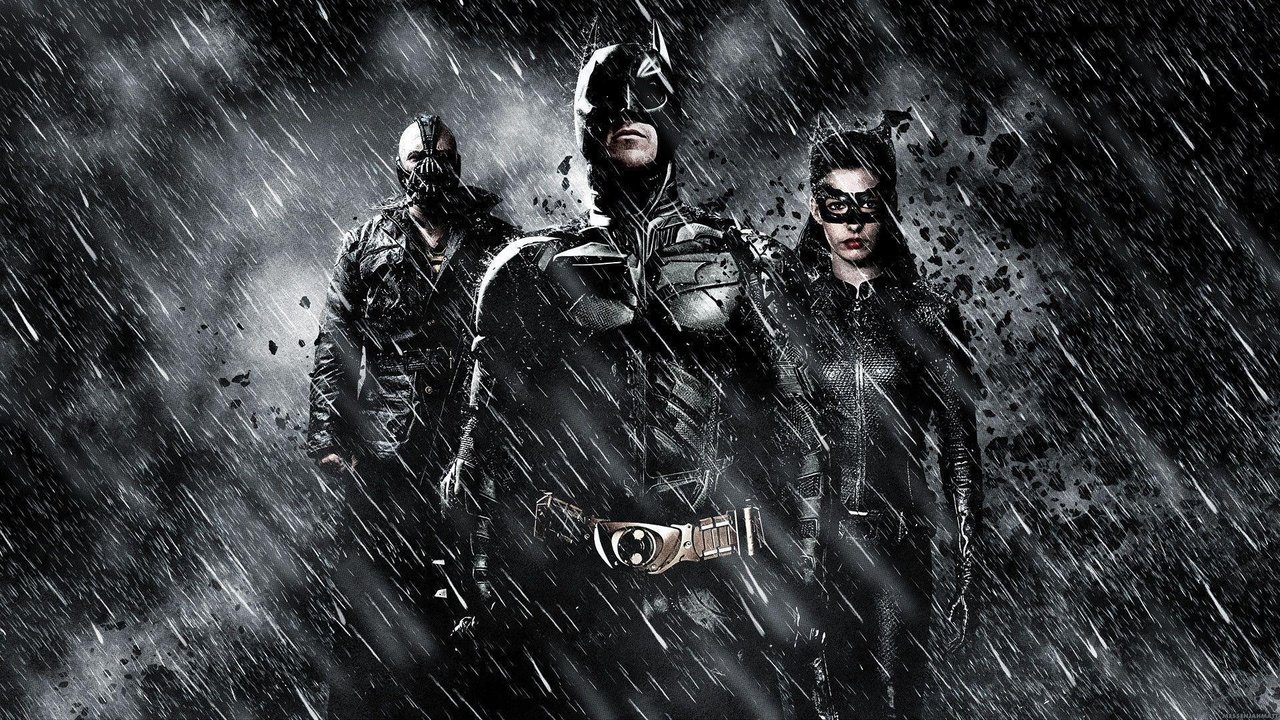
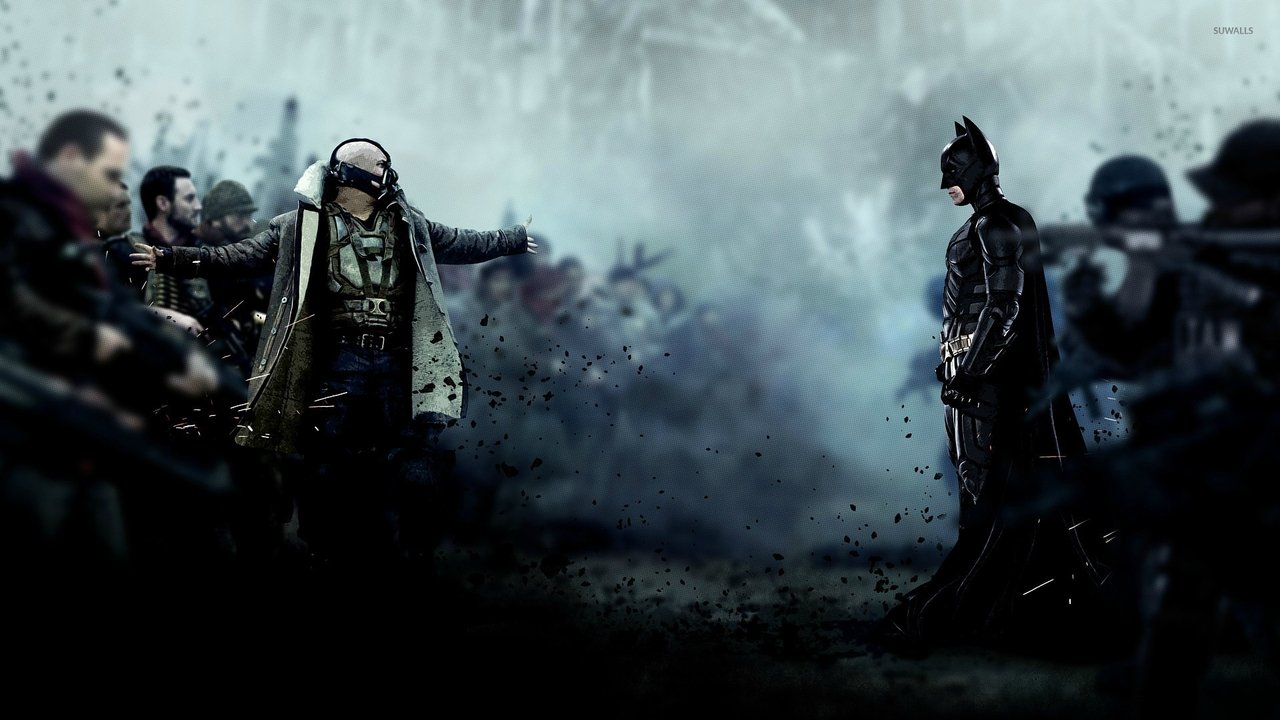
When Tom Hardy enters as Bane, the movie shifts into a much darker gear. Unlike the Joker, who wanted to prove a point, Bane is a wrecking ball. He’s a physical match for Batman in a way we hadn't seen before. I remember the first time they fought in the sewers—the lack of a musical score made every bone-crunching impact feel uncomfortable. It wasn't "cool" action; it was a mugging. Tom Hardy’s performance is a miracle of eye-acting, considering half his face is covered by a tactical spider. I will say, though, that Bane’s voice sounds like a Shakespearean actor shouting through a gentlemanly vacuum cleaner, but once you get used to the muffled eccentricity, he’s terrifying.
A Gotham Under Siege
Nolan’s era of cinema was defined by a push-and-pull between digital convenience and practical reality. While other franchises were drowning in green-screen "soup," Nolan was out here blowing up actual football fields and hanging real plane fuselages from helicopters. The opening aerial heist remains one of the most audacious sequences in action history. It has a tactile, heavy quality that CGI just can’t replicate. You can feel the wind and the gravity.
The film also captures that specific early-2010s anxiety. With the Occupy Wall Street movement in the real-world news, seeing Bane storm the stock exchange and turn the "haves" into the "have-nots" felt uncomfortably timely. It’s a grim, intense middle act where Gotham is cut off from the world, turned into a snowy, post-apocalyptic prison. Gary Oldman returns as a weary Commissioner Gordon, and his chemistry with Joseph Gordon-Levitt’s idealistic John Blake provides the moral compass while Bruce is busy rot-fishing in a hole in the ground halfway across the world.
The Cat and the Shadows
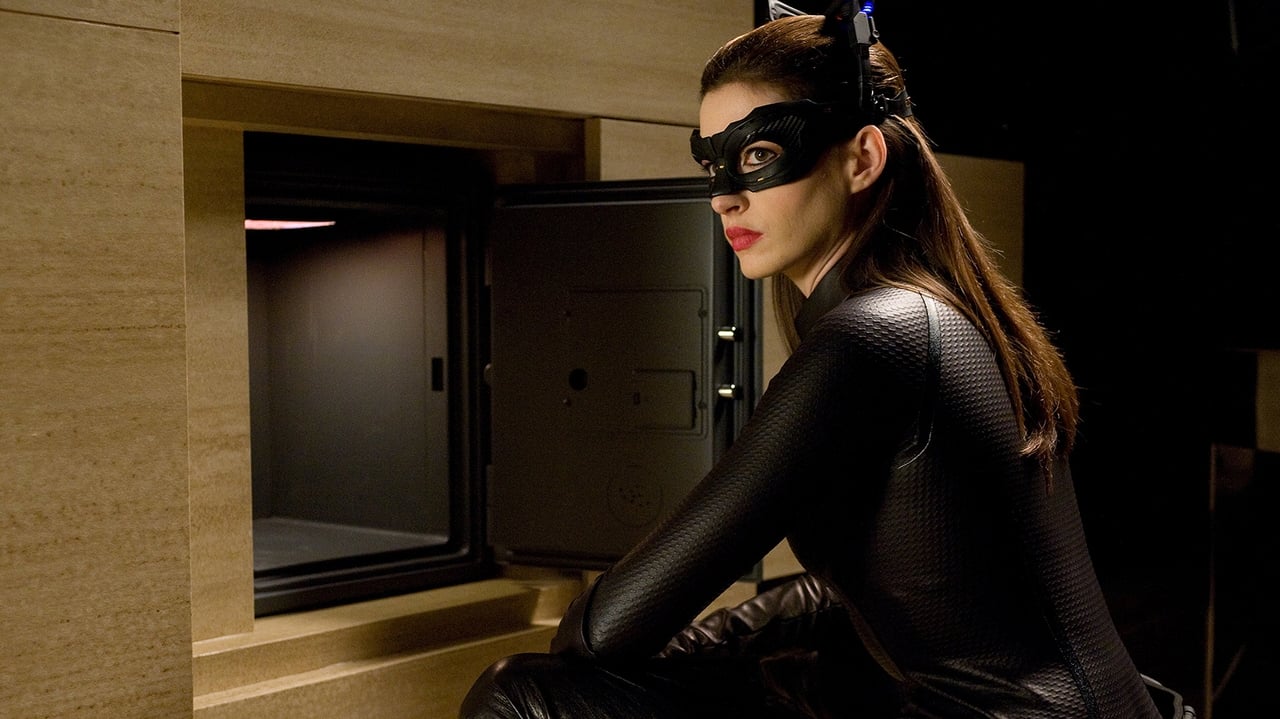
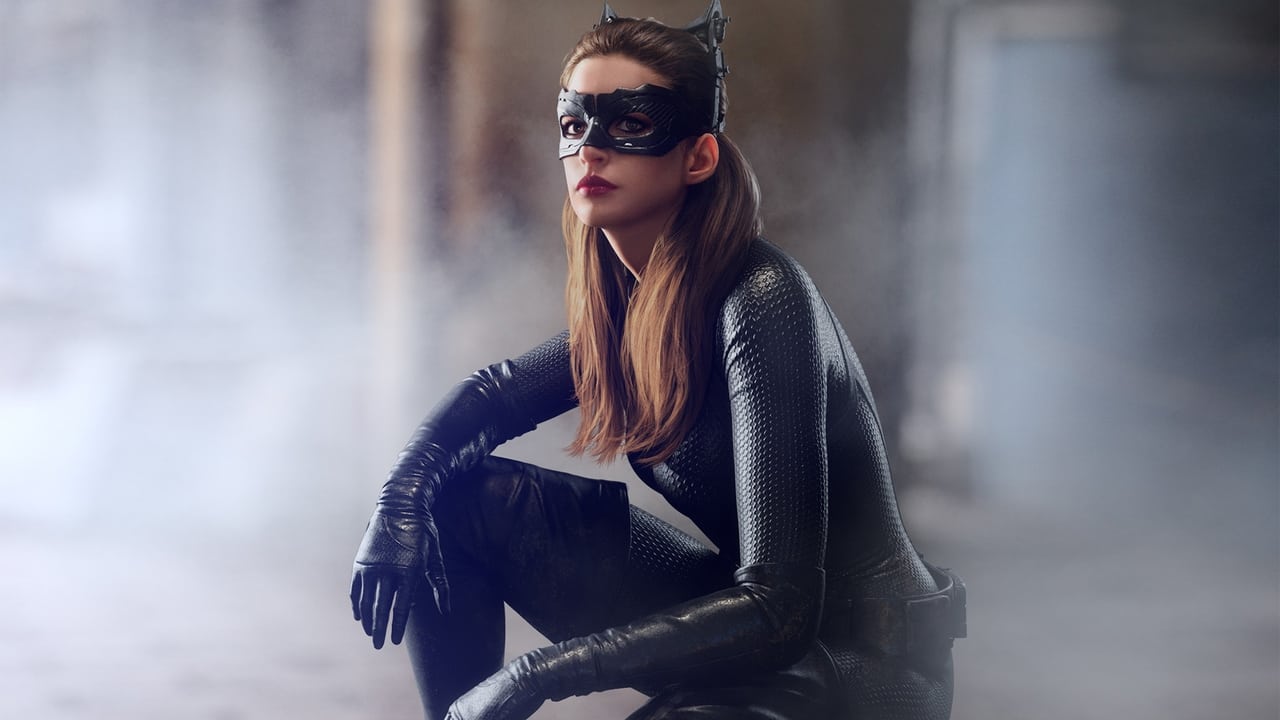
Then there’s Anne Hathaway as Selina Kyle. I’ll admit, I was skeptical when she was cast, but she absolutely nails the "Modern Cinema" version of Catwoman. She isn't a campy villain; she’s a survivalist. Her movements are fluid and dangerous, and she provides the much-needed levity in a film that is otherwise very concerned with its own gloom. Her dynamic with Christian Bale feels earned, even if the plot occasionally feels like it’s bursting at the seams to include everyone, including Marion Cotillard’s Miranda Tate and Michael Caine’s heart-shattering Alfred.
One bit of trivia I always found fascinating: Anne Hathaway actually thought she was auditioning for Harley Quinn until she sat down with Nolan. Once she realized it was Catwoman, she had to pivot her entire energy on a dime. It worked. She brings a pragmatism to the role that balances the high-stakes melodrama of the "Pit" sequences.
The Physics of an Ending
The final hour is a relentless, sprawling battle for the soul of the city. While the logistics of Bruce Wayne getting back to Gotham with zero dollars and no passport are absolute nonsense, I found myself not caring because the emotional payoff was so high. Hans Zimmer’s score, built around that "Deshi Basara" chant, creates a rhythmic tension that makes the finale feel like a ticking time bomb—mostly because there is an actual ticking time bomb.
Looking back, The Dark Knight Rises is a messy, ambitious, and deeply moving conclusion. It doesn't have the tight, surgical precision of its predecessor, but it has a massive heart. It represents the peak of the "gritty reboot" era before the industry pivoted fully toward the interconnected, lighter-toned universes that would follow. It was a time when a director could spend $250 million on a movie about a man overcoming his own death drive, and audiences would show up in droves to watch him do it.
The film leaves you feeling like you’ve actually been through a war, which is exactly what a finale should do. It’s a heavy lift, literally and figuratively, but the sight of the Bat-Signal being repaired remains one of my favorite closing beats in any franchise. It wasn't just about a hero winning; it was about the idea that the hero was always just a mask that anyone could wear. Even after all these years, the image of that burning bat on the side of the bridge still gives me the same chills I felt while fishing for my keys in a dark theater in 2012.
Keep Exploring...
-
The Dark Knight
2008
-

Batman Begins
2005
-
Inception
2010
-
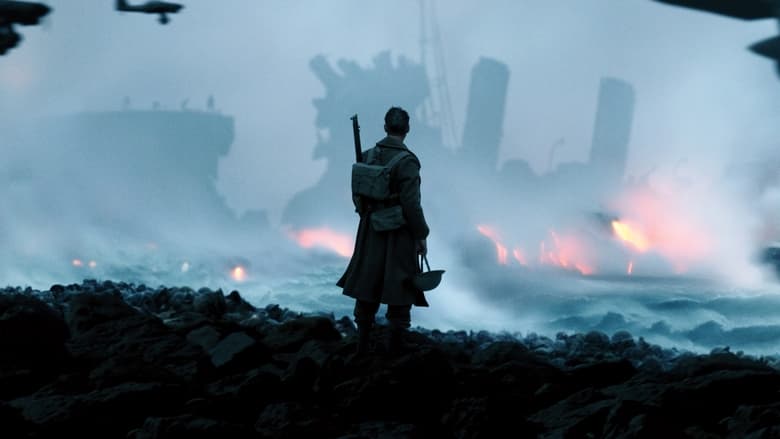
Dunkirk
2017
-
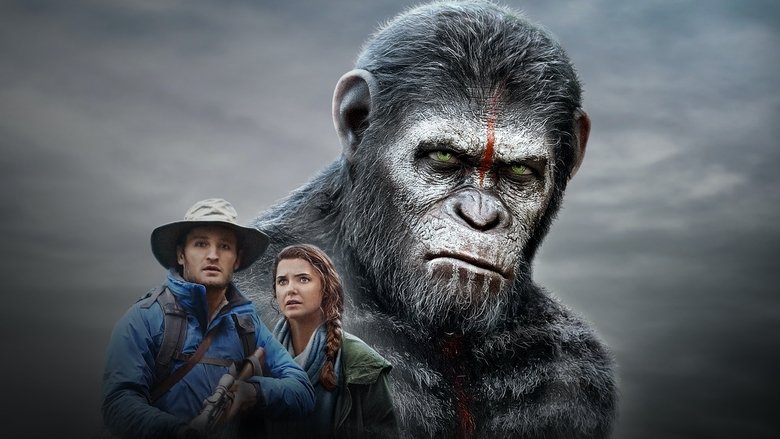
Dawn of the Planet of the Apes
2014
-
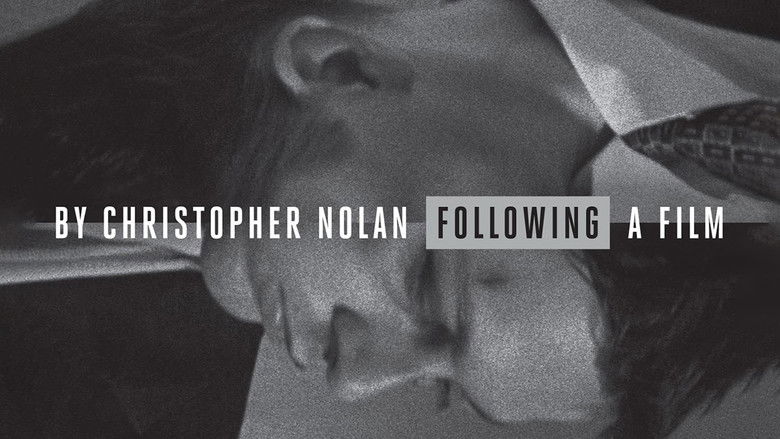
Following
1999
-
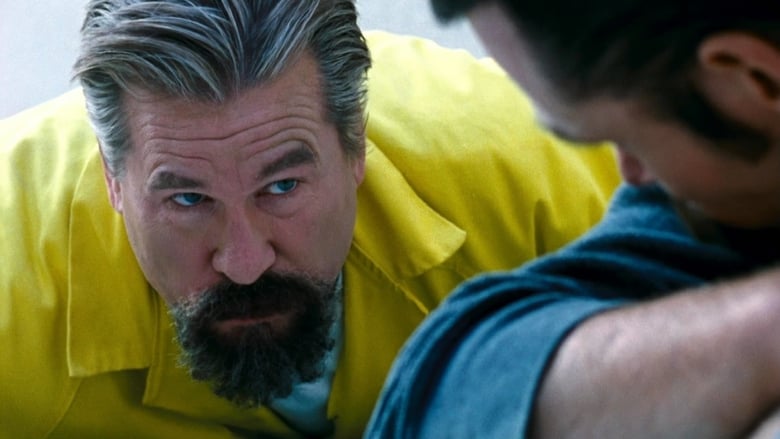
Felon
2008
-
Mesrine: Killer Instinct
2008
-
Mesrine: Public Enemy #1
2008
-

Blood and Bone
2009
-
Undisputed III: Redemption
2010
-
Batman: Year One
2011
-
The Bourne Ultimatum
2007
-
Fast Five
2011
-
Rise of the Planet of the Apes
2011
-

Captain Phillips
2013
-

The Equalizer
2014
-

The Negotiator
1998
-
The Girl with the Dragon Tattoo
2009
-
The Town
2010