The Dictator
"Democracy is overrated, but the beard is non-negotiable."
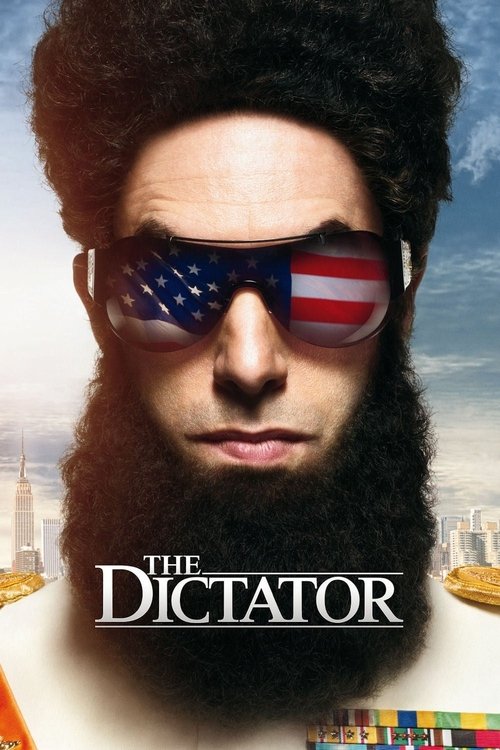
I actually first watched The Dictator on a flight back from London while sitting next to a woman reading a very serious-looking biography of Margaret Thatcher; I spent the whole eighty-three minutes trying to tilt my screen away during the more... anatomical... scenes. There is something uniquely stressful about laughing at a Sacha Baron Cohen movie in a confined public space, which is probably exactly what the man intended.
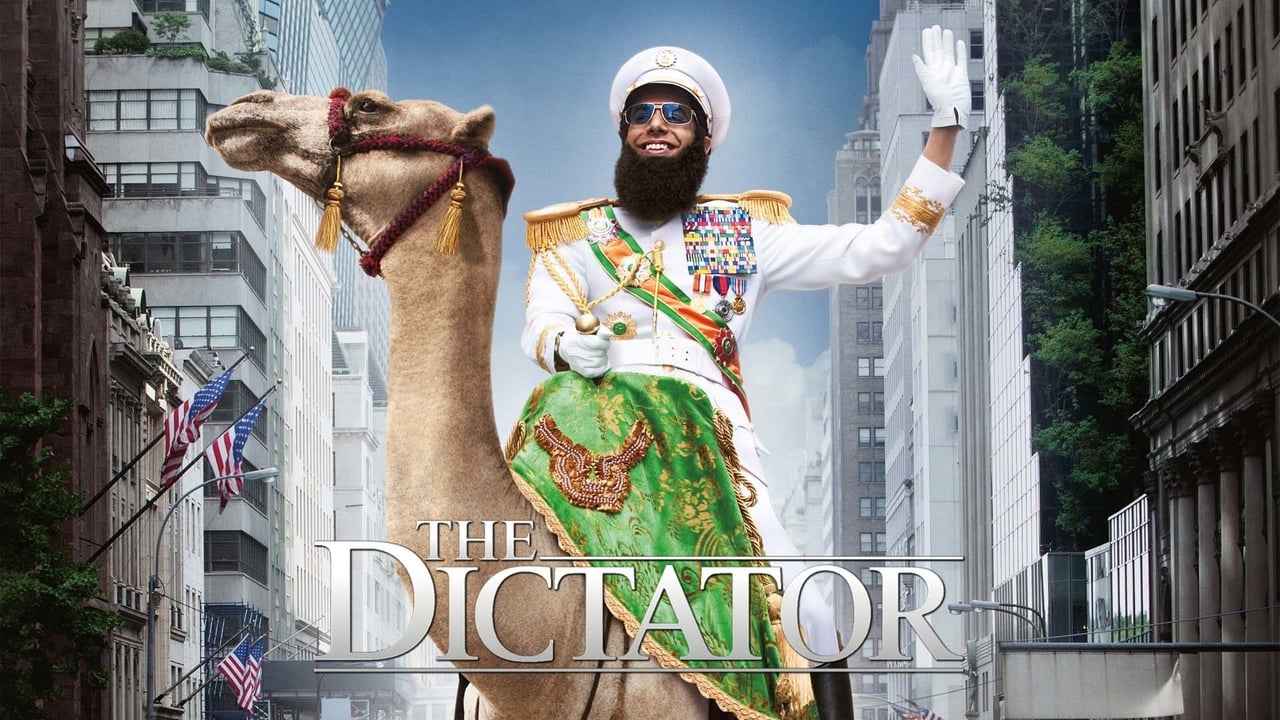
By 2012, Cohen had already conquered the world—or at least made it very uncomfortable—with Borat and Brüno. But The Dictator marked a massive shift. This wasn't a "gotcha" mockumentary where real people were tricked into revealing their latent prejudices. This was a fully scripted, big-budget studio comedy. Looking back from the vantage point of our current political circus, this movie feels like a relic of a slightly more innocent time when we could still treat the concept of a "supreme leader" as a purely slapstick punchline.
Scripted Chaos vs. Real World Cringes
The transition from the guerilla filmmaking of Borat to the polished sets of a Paramount production could have been a disaster. Without the high-wire act of "is this person going to punch the cameraman?", a lot of Cohen’s edge usually dulls. However, director Larry Charles—the man who basically helped define the "awkwardness-as-art" style on Seinfeld and Curb Your Enthusiasm—keeps the rhythm so breakneck that you don't have time to miss the real-world stakes.
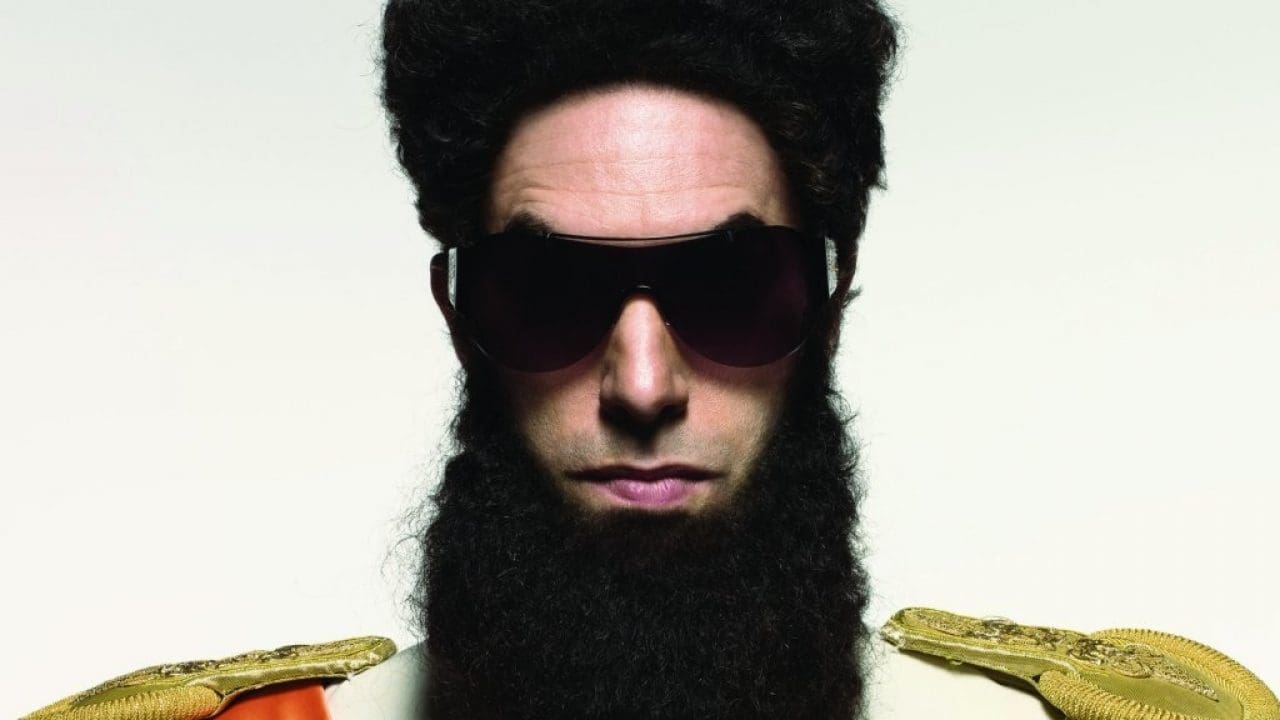
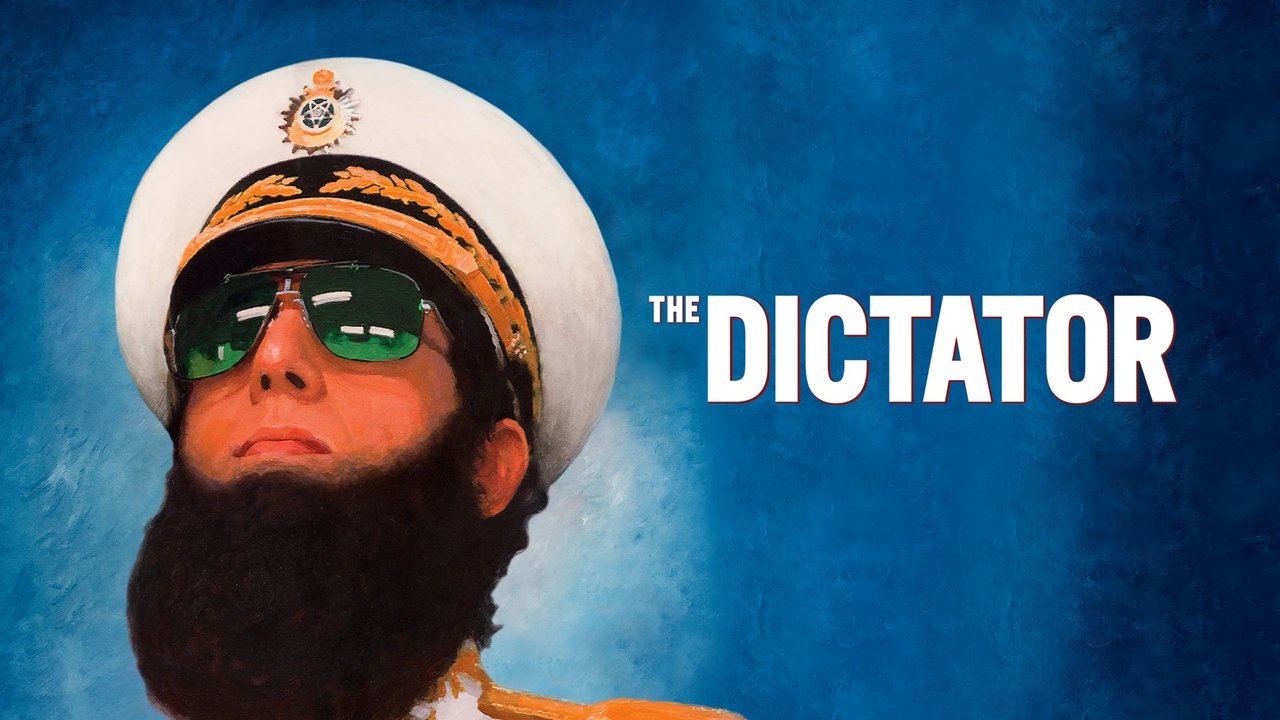
The plot is a classic fish-out-of-water setup: Admiral General Aladeen, the erratic and childish despot of Wadiya, travels to New York to address the UN, only to be kidnapped and replaced by a dim-witted body double (also played by Cohen). Stripped of his power and his iconic beard, Aladeen finds himself working at a vegan, feminist health food collective run by Zoey, played by a delightfully earnest Anna Faris.
The humor here is a shotgun blast. Not every pellet hits, but the ones that do are lethal. It’s essentially a $65 million episode of Curb Your Enthusiasm if Larry David had access to nuclear-grade enriched uranium. Whether it's the helicopter ride where Aladeen and his companion speak "Wadiyan" (which is mostly just Hebrew and Arabic gibberish) to a terrified American couple, or the "Aladeen-positive/Aladeen-negative" medical diagnosis gag, the film lives and dies on its commitment to the absurd.
The Secret Weapon Named Nadal
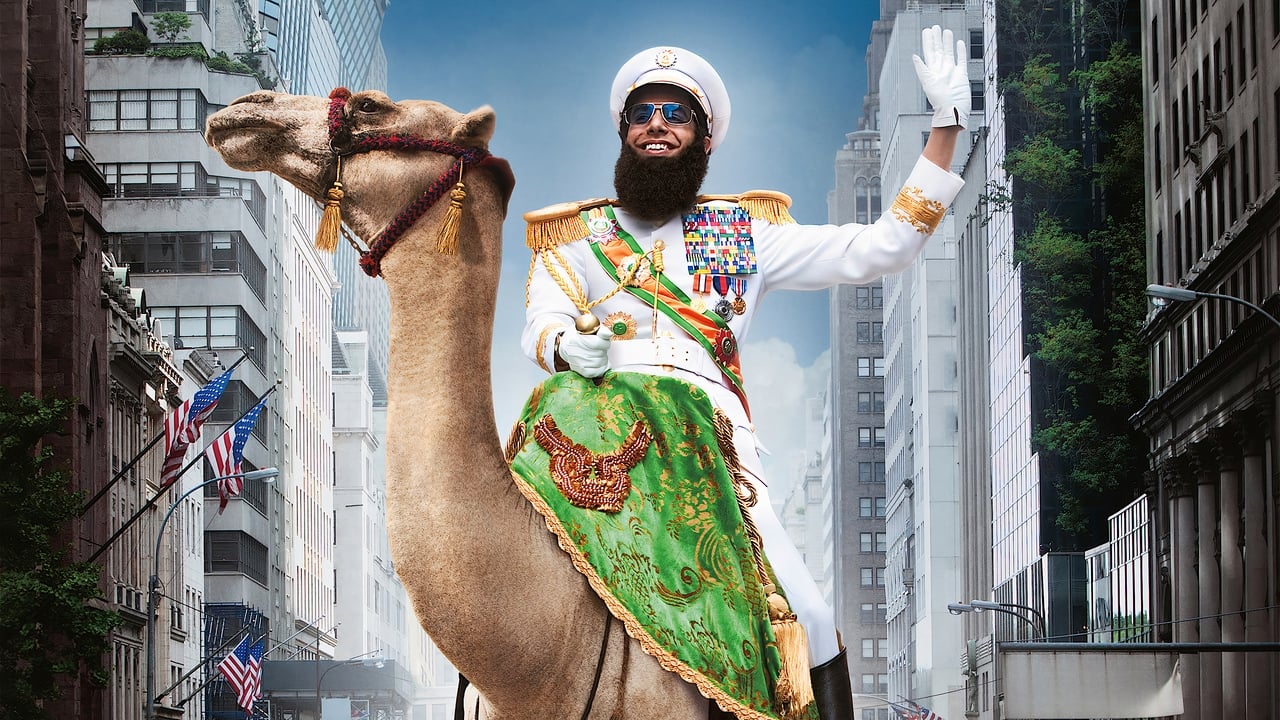
While Cohen is the sun that everything orbits, the real MVP of this movie is Jason Mantzoukas. Playing Nadal, the formerly executed nuclear scientist who helps Aladeen regain his throne, Mantzoukas provides the perfect comedic foil. His manic energy matches Cohen’s beat for beat, and their chemistry turns what could have been a standard "odd couple" dynamic into something genuinely hilarious.
I’ve always felt that Jason Mantzoukas is the only person on earth who can make a conversation about the ergonomics of a nuclear warhead feel like a classic vaudeville routine. Their banter about the "pointy" vs. "round" shape of the missile is a masterclass in comedic timing. It’s also worth noting Ben Kingsley, who plays the scheming Uncle Tamir. Seeing an Oscar winner play the straight man to a guy who just used a Wii remote to order a public execution is a specific kind of joy that only 2010s comedy could provide.
The film also benefits from a surprisingly great supporting cast, including Adeel Akhtar and Sayed Badreya, who ground the madness just enough to keep the story moving. The cameo list is equally ridiculous—look out for a very game John C. Reilly and a "blink and you'll miss it" Chris Elliott.
A Message Hidden Under a Pile of Poop Jokes
What makes The Dictator move from "just another crude comedy" to something resembling a cult classic is its final act. For all its low-brow gags and offensive stereotypes, the film’s "Democracy" speech is one of the sharpest bits of political satire of its decade. When Aladeen explains to a room full of Americans why a dictatorship is actually quite similar to their own system—mentioning the concentration of wealth, the manipulation of media, and the surveillance of citizens—the movie briefly stops being a cartoon and starts being a mirror.
The film didn't have the cultural impact of Borat, and it’s certainly more "Hollywood" than what Cohen’s purist fans might have wanted. But looking back at it now, it's a fascinating bridge between the indie explosion of the 90s and the franchise-heavy era we’re in now. It’s a comedy that trusts its audience to be both smart enough to get the geopolitical satire and dumb enough to laugh at a guy falling off a zip-line.
It’s loud, it’s frequently tasteless, and it’s completely unconcerned with being "correct." In an era where comedies have largely migrated to streaming or become terrified of their own shadows, there’s something refreshing about Aladeen’s total lack of shame. It’s a movie that invites you to laugh at the monster, and in doing so, makes the monster look just a little bit smaller.
The film earns its place in the 2010s comedy hall of fame not by being subtle, but by being relentless. It’s a short, sharp shock of a movie that doesn't overstay its welcome. If you can handle the cringe, it’s a brilliant reminder that Sacha Baron Cohen is one of our last true masters of the "uncomfortable laugh." Just maybe don't watch it on a plane next to someone reading a biography of a world leader.
Keep Exploring...
-
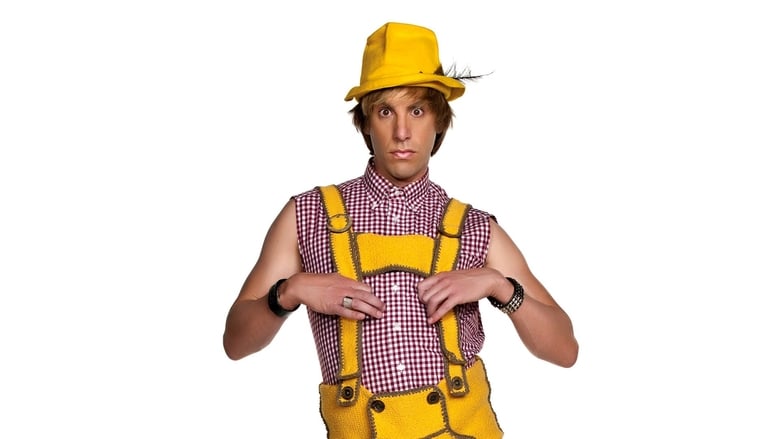
Brüno
2009
-
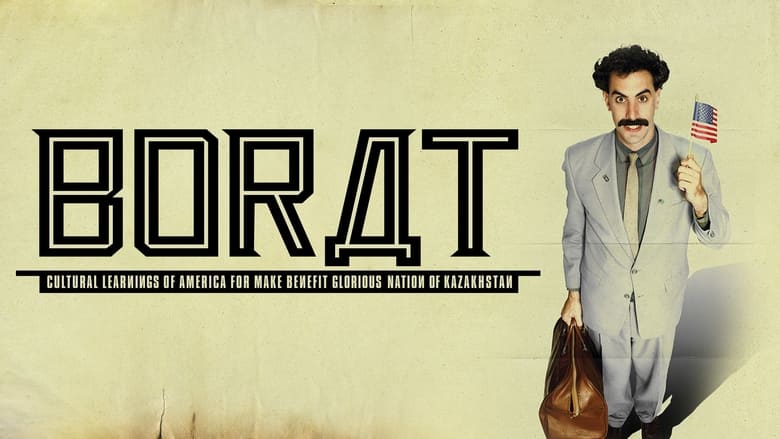
Borat: Cultural Learnings of America for Make Benefit Glorious Nation of Kazakhstan
2006
-
Cloudy with a Chance of Meatballs
2009
-
The Internship
2013
-
EuroTrip
2004
-

Bee Movie
2007
-
Evan Almighty
2007
-

Hairspray
2007
-
I Now Pronounce You Chuck & Larry
2007
-

Meet the Robinsons
2007
-

Rush Hour 3
2007
-
Surf's Up
2007
-

Bedtime Stories
2008
-

Bolt
2008
-
Get Smart
2008
-
Step Brothers
2008
-
You Don't Mess with the Zohan
2008
-

Couples Retreat
2009
-
Night at the Museum: Battle of the Smithsonian
2009
-
Date Night
2010