The Hobbit: An Unexpected Journey
"A cozy return to Middle-earth that struggles under the weight of its own expectations."
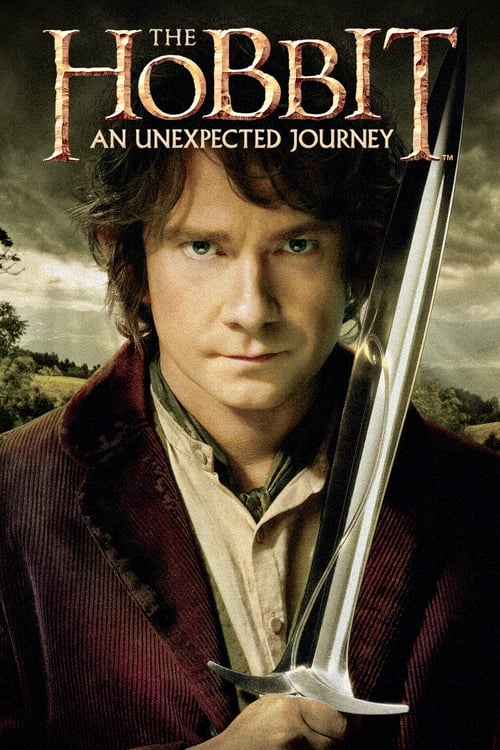
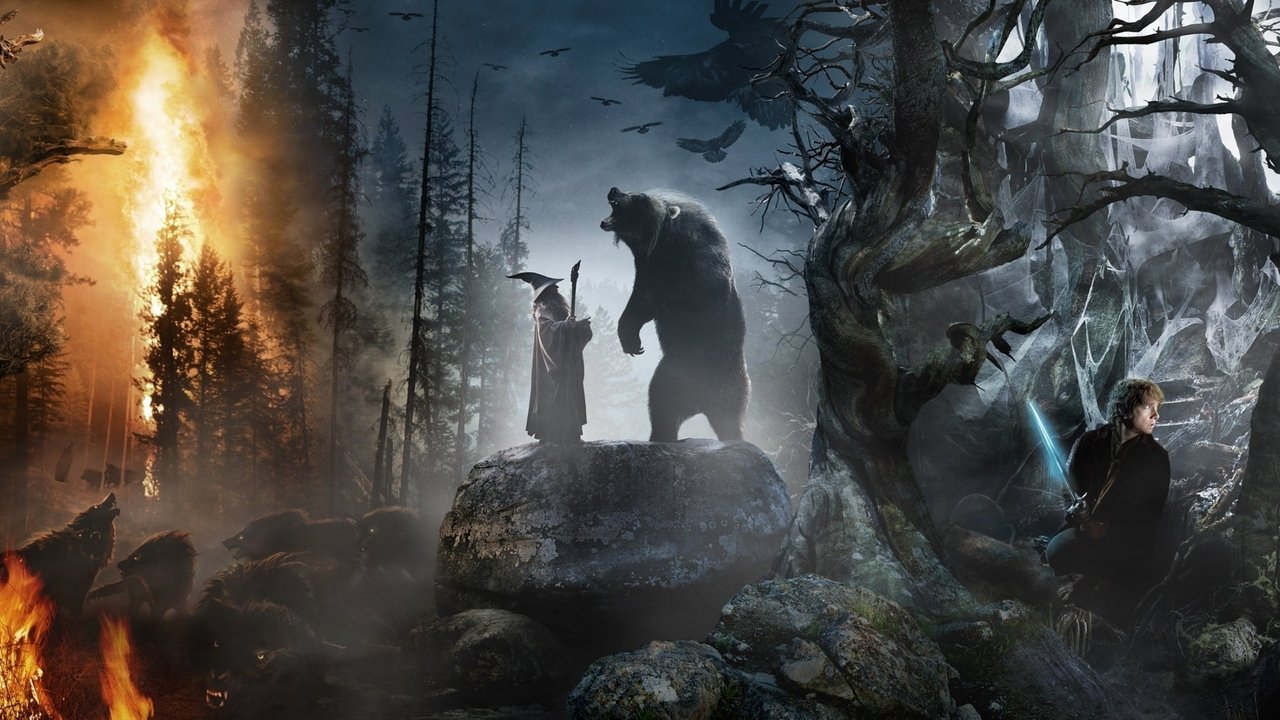
I distinctly remember sitting in a midnight premiere in 2012, nursing a lukewarm Diet Coke and a bag of slightly burnt popcorn, feeling a bizarre mix of home-sickness and trepidation. We weren’t just going to see a movie; we were returning to the Shire. But as the first few frames of The Hobbit: An Unexpected Journey flickered across the screen, something felt different. It was brighter, cleaner, and—if you were in one of those experimental high-frame-rate screenings—it looked a bit like a very expensive British soap opera. I watched it while wearing a pair of itchy wool socks my aunt knitted for me, and honestly, the physical discomfort of the socks perfectly mirrored the film's own struggle to find its footing.
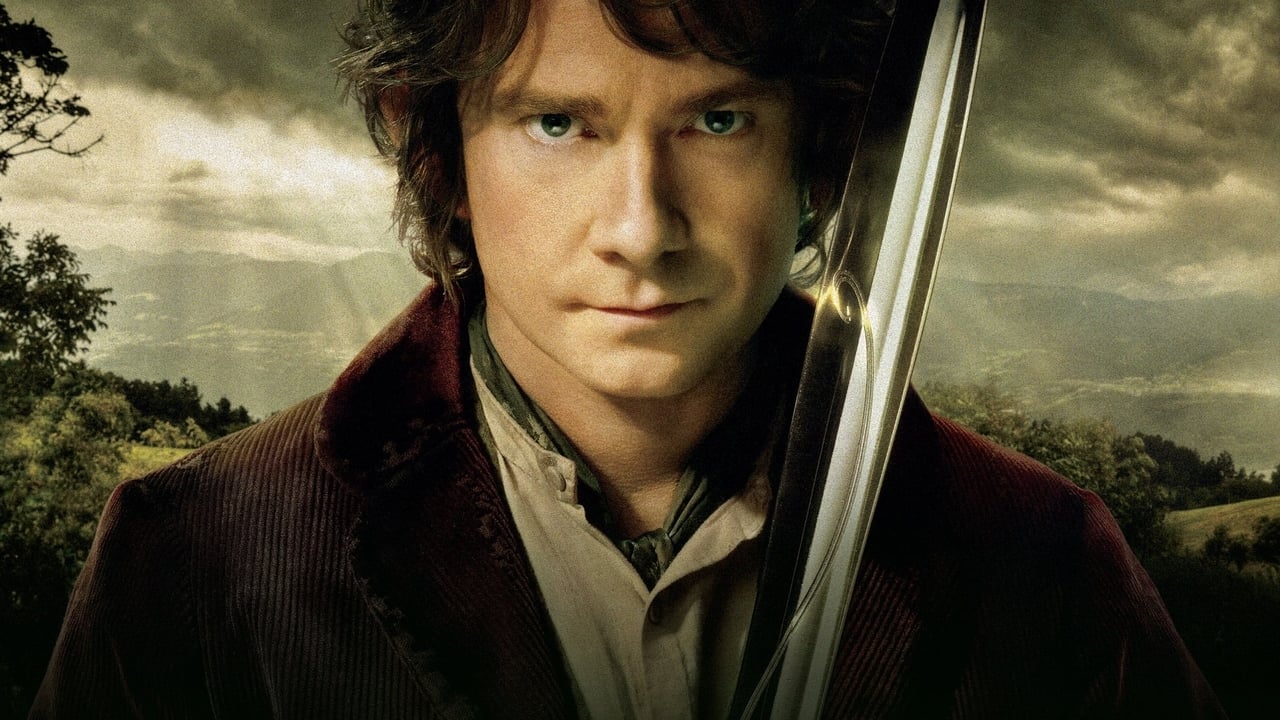
The Digital Divide and the Ghost of Practical Effects
Looking back at the transition from the original Lord of the Rings trilogy to The Hobbit, you can see the exact moment Hollywood fully committed to the digital bit. While the original films felt like they were forged in mud, sweat, and actual chainmail, An Unexpected Journey is a showcase of the CGI revolution’s mid-life crisis. Peter Jackson (the man who essentially built modern New Zealand with his bare hands and some Weta magic) returns to the director’s chair after Guillermo del Toro (Pan’s Labyrinth) departed the project. You can still see flickers of del Toro’s DNA in the more grotesque creature designs, but this is undeniably a Jackson production.
The action is where this digital shift hits hardest. The sequence in the Goblin tunnels is a marvel of "Rube Goldberg" choreography. It’s a chaotic, falling-down-stairs ballet where physics is more of a suggestion than a law. It’s fun, sure, but the CGI orcs look like they were polished with a handful of Vaseline, losing that terrifying, tactile grit that made the Uruk-hai of The Fellowship of the Ring so nightmare-inducing. In 2012, this was the pinnacle of tech, but rewatching it now, I find myself missing the guys in rubber masks.
A Thief with a Heart of Gold
If there is a singular reason this movie works, it is Martin Freeman (Sherlock, The Office). Casting him as Bilbo Baggins was a stroke of genius that almost didn't happen due to his TV filming schedule. Freeman brings a twitchy, suburban anxiety to the role that is perfectly balanced against Ian McKellen’s increasingly weary Gandalf. When Freeman is on screen, the film feels grounded. He doesn’t play Bilbo as a hero; he plays him as a man who really just wants a doily and a hot tea.
Then there are the dwarves. Richard Armitage (Castlevania) plays Thorin Oakenshield with a brooding intensity that suggests he’s constantly smelling something slightly off-camera, but it works for the "displaced king" trope. The problem—and this is a recurring theme for the era of franchise-building—is that there are thirteen of them. Aside from Balin (Ken Stott) and Bofur (James Nesbitt), most of the company remains a blur of facial hair and prosthetic noses. It’s a symptom of the "Trilogy Mentality" of the early 2010s: why tell a concise story when you can expand a 300-page children’s book into nine hours of cinema?
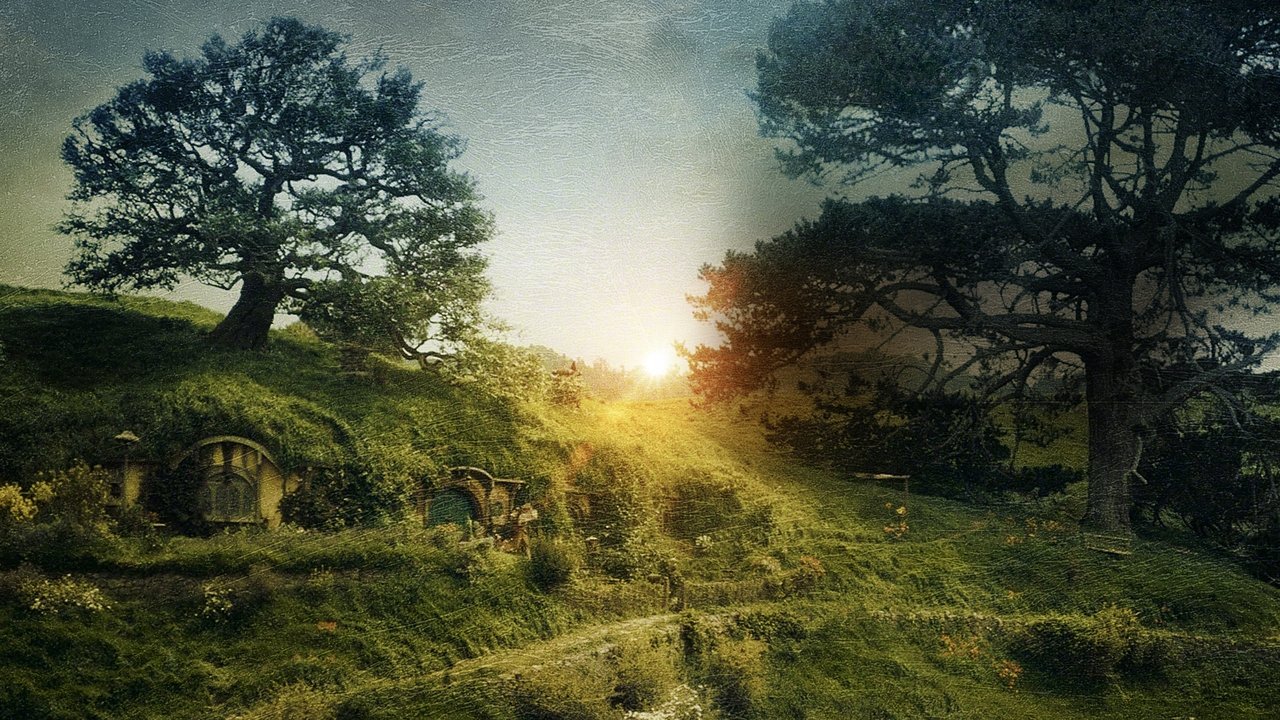
Riddles, Rings, and Frame Rates
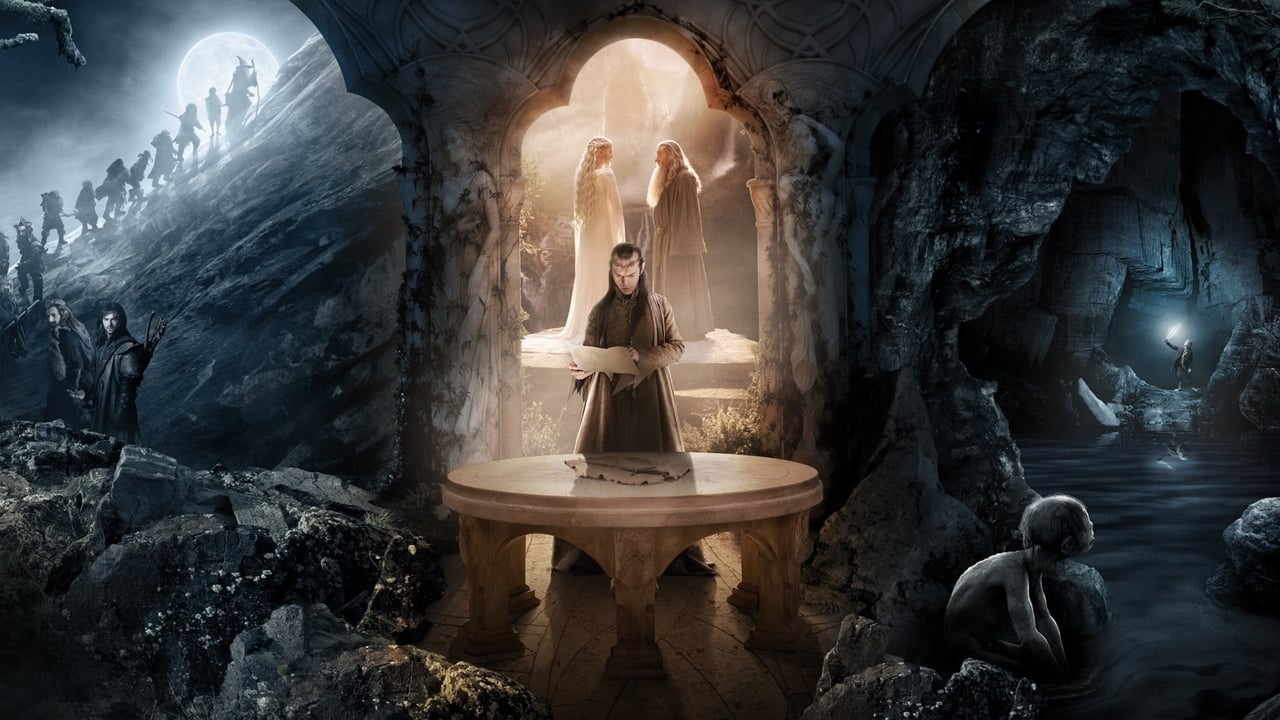
The film’s absolute zenith is the "Riddles in the Dark" sequence. This is where the technology and the storytelling finally hold hands and jump off a cliff together. Andy Serkis (Planet of the Apes), returning as Gollum, proves why he is the king of motion capture. The nuance in Gollum’s face—the flickering between pathetic lost soul and murderous predator—is staggering. It’s a quiet, tense scene in a movie that is often too loud, and it reminds me that Jackson is at his best when he’s focusing on the psychology of the Ring rather than the scale of the battle.
Interestingly, this was the first major film to push the 48-frames-per-second (HFR) format. At the time, it was marketed as the "future of cinema." In retrospect, it was a tech cul-de-sac. It made the beautiful sets look like sets and the expensive costumes look like cosplay. Watching it now on a standard Blu-ray at 24fps actually does the film a favor; it restores a bit of that cinematic "dream" quality that the high frame rate accidentally scrubbed away.
Stuff You Didn't Notice:
The production used so much gold paint for the Smaug’s treasure hoard that they literally caused a shortage in New Zealand, having to fly more in from Germany. Martin Freeman had to wear "leg-warmers" over his hobbit feet between takes to keep the glue from freezing in the mountain air. The budget for the three Hobbit films ballooned to over $745 million—nearly triple the cost of the original LOTR trilogy. Peter Jackson makes his customary cameo early on, playing a dwarf escaping the dragon’s attack on Erebor.
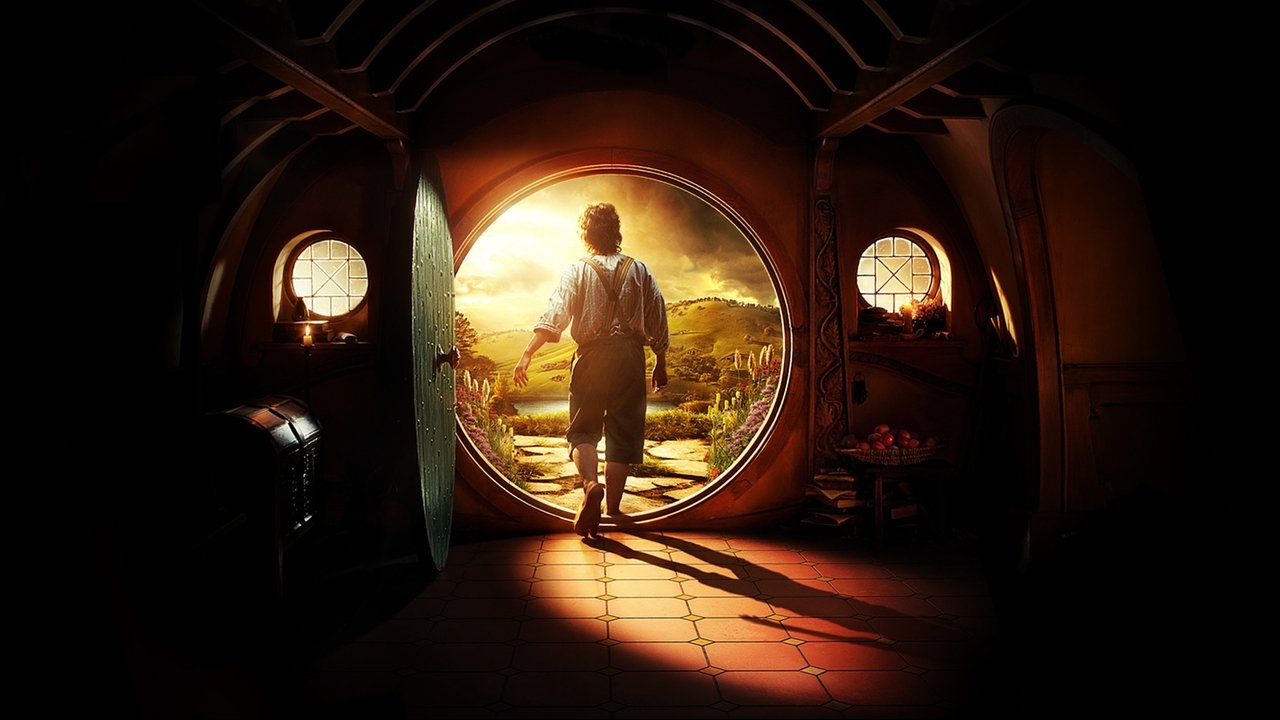
The Long Road to Somewhere
The pacing is the biggest hurdle. By the time the company actually leaves Bilbo’s house, I could have finished a three-course meal and a nap. The film captures that post-9/11 anxiety of "losing one’s home," but it coats it in a layer of blockbuster bloat that wasn't present in the earlier films. However, the score by Howard Shore—specifically the "Misty Mountains" theme—is an absolute earworm that justifies the price of admission alone. It’s a haunting, masculine melody that gives the dwarves the dignity the script sometimes forgets to provide.
The Hobbit: An Unexpected Journey is a flawed but deeply cozy experience. It represents the height of the 2010s "mega-franchise" era, where more was always assumed to be better. While it doesn't quite capture the lightning-in-a-bottle magic of the original trilogy, it’s a beautiful, sprawling return to a world I’ll never truly tire of visiting. If you can forgive the digital sheen and the occasional pacing drag, there is still plenty of magic left in Bag End.
Keep Exploring...
-
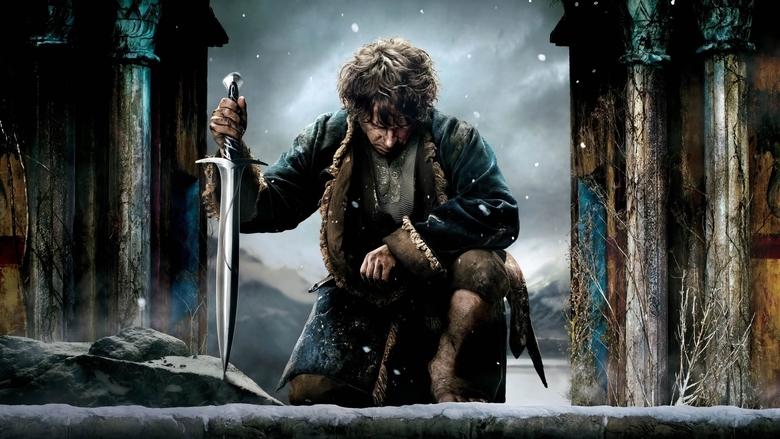
The Hobbit: The Battle of the Five Armies
2014
-

The Hobbit: The Desolation of Smaug
2013
-
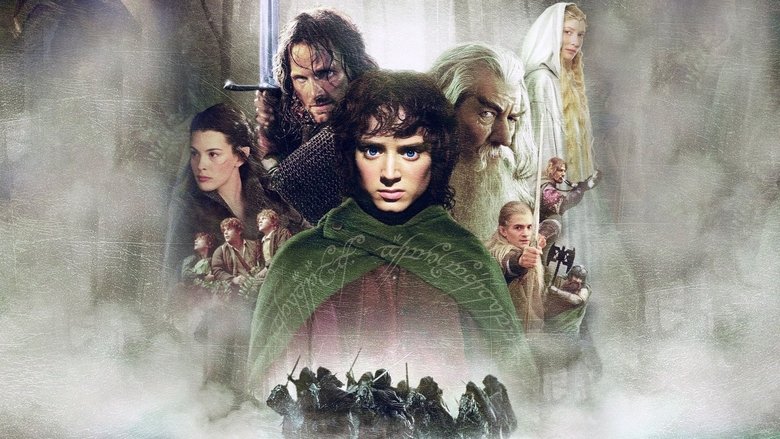
The Lord of the Rings: The Fellowship of the Ring
2001
-
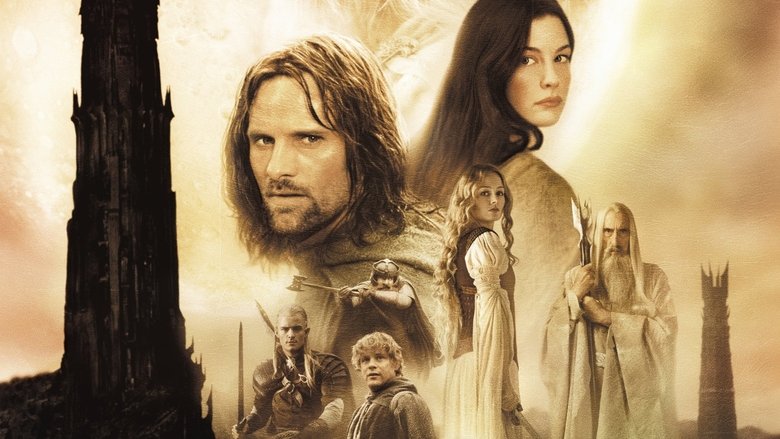
The Lord of the Rings: The Two Towers
2002
-

The Lord of the Rings: The Return of the King
2003
-

King Kong
2005
-
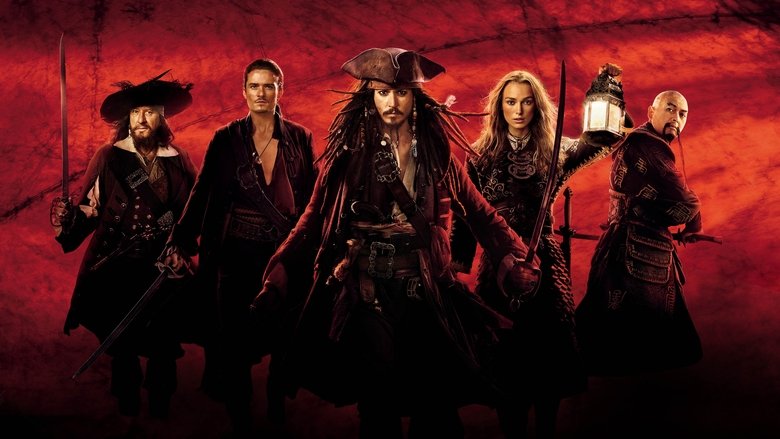
Pirates of the Caribbean: At World's End
2007
-
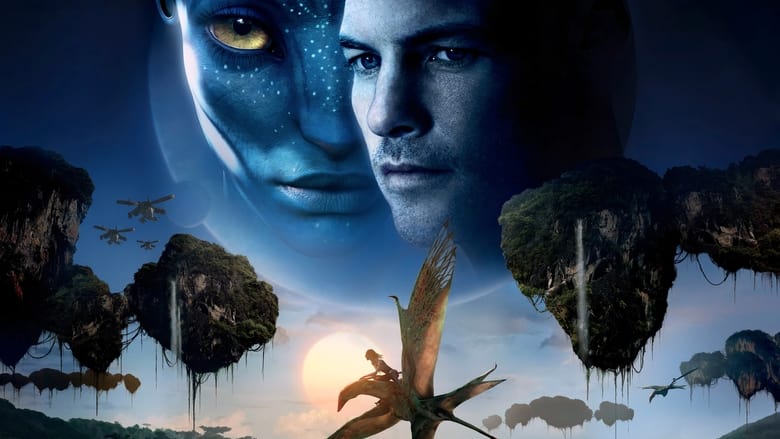
Avatar
2009
-

Puss in Boots
2011
-
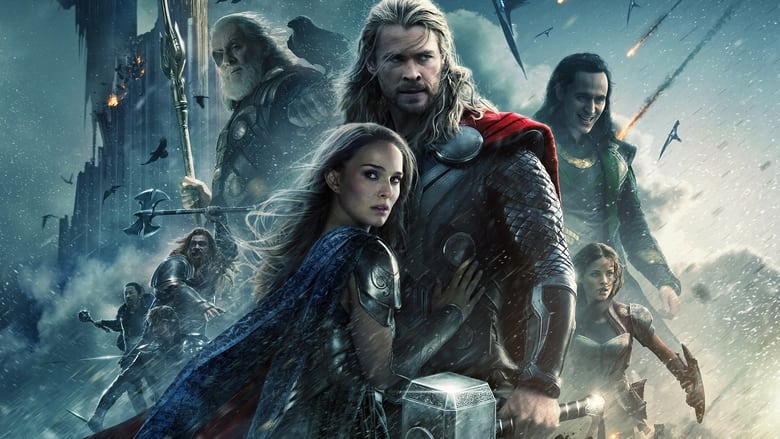
Thor: The Dark World
2013
-
How to Train Your Dragon 2
2014
-
Maleficent
2014
-
The Lovely Bones
2009
-
The Mummy
1999
-
The Mummy Returns
2001
-
Pirates of the Caribbean: The Curse of the Black Pearl
2003
-

Night at the Museum
2006
-

Pirates of the Caribbean: Dead Man's Chest
2006
-
Thor
2011
-
Brave
2012