The Hunger Games
"A jagged, neon-drenched nightmare that turned teenage survival into a global blockbuster phenomenon."
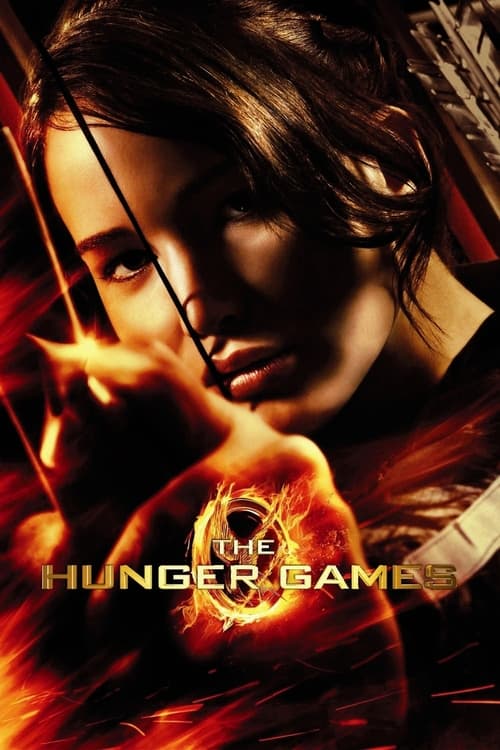
The first time we see the Capitol, it isn’t through a wide, majestic lens or a soaring orchestral swell. It’s a terrifying blur of predatory fashion and neon excess, seen through the eyes of a girl who has spent her life eating squirrels in the dirt. I remember sitting in the theater in 2012, clutching a bag of slightly stale kettle corn, and feeling a weirdly sharp pang of guilt. Here I was, participating in the very thing the movie was satirizing: watching a spectacle of suffering for entertainment. That’s the magic trick Gary Ross pulled off with The Hunger Games. He took a Young Adult novel and turned it into a gritty, frantic piece of survivalist cinema that felt uncomfortably close to home.
The Shaky Lens of Survival
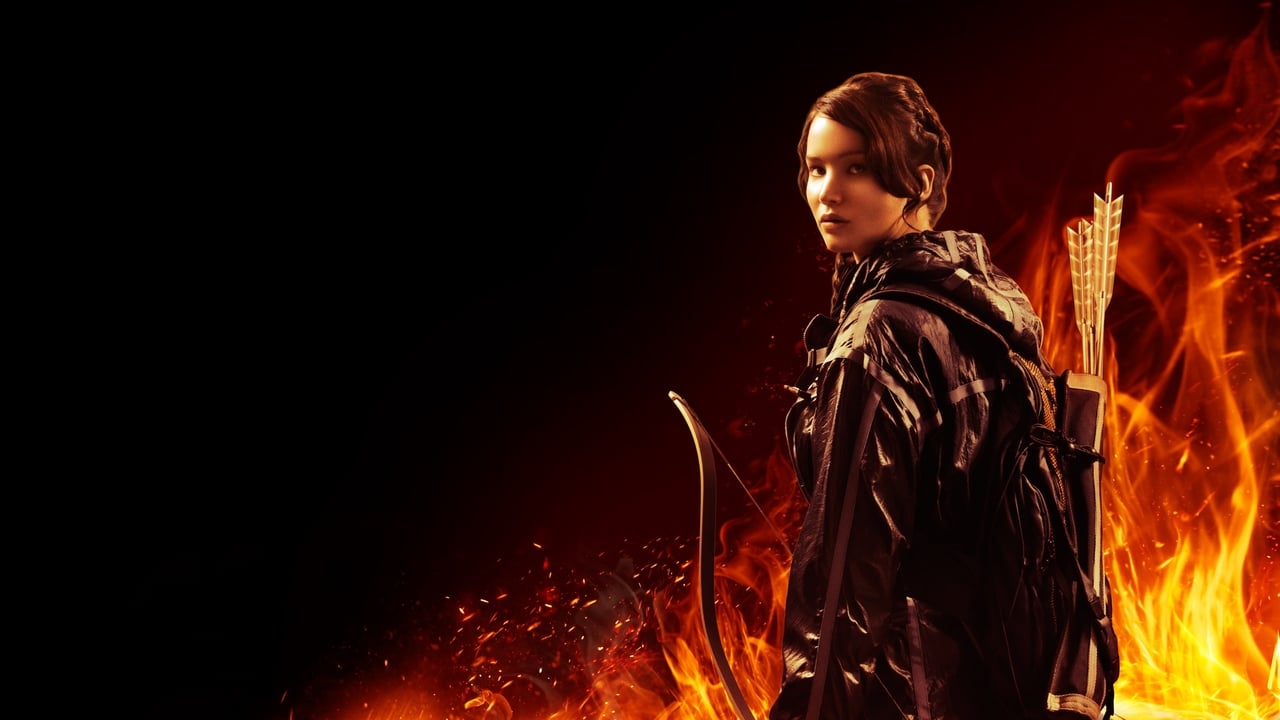
If you revisit this film today, the first thing that hits you—sometimes literally—is the cinematography. Tom Stern (a frequent collaborator of Clint Eastwood) uses a handheld, documentary-style approach that was very "early 2010s" but feels incredibly intentional here. While critics at the time complained about the "shaky cam," looking back, it’s a brilliant move. The frantic, whiplash-inducing camera work effectively hides the lack of R-rated gore while making the audience feel the sheer, heart-pounding panic of a teenager being hunted.
When the "tributes" finally hit the arena and the bloodbath at the Cornucopia begins, the sound drops out, replaced by a haunting, muffled ringing. We aren’t watching a polished action sequence; we’re watching a chaotic, terrifying mistake. Gary Ross—who previously gave us the much gentler Pleasantville—proves he has a mean streak. He understands that for the stakes to work, the woods have to feel cold, the injuries have to feel heavy, and the silence has to be deafening.
A Star is Born (and Hunting)
It’s hard to remember a time before Jennifer Lawrence was a household name, but this was the moment the world shifted. Coming off her gritty turn in Winter’s Bone, she brings a grounded, feral energy to Katniss Everdeen. She doesn’t play Katniss as a superhero or a "chosen one"; she plays her as a girl with a permanent chip on her shoulder who is just competent enough with a bow to not die. Jennifer Lawrence carries the emotional weight of the entire franchise on her back, and she does it with a scowl that launched a million memes.
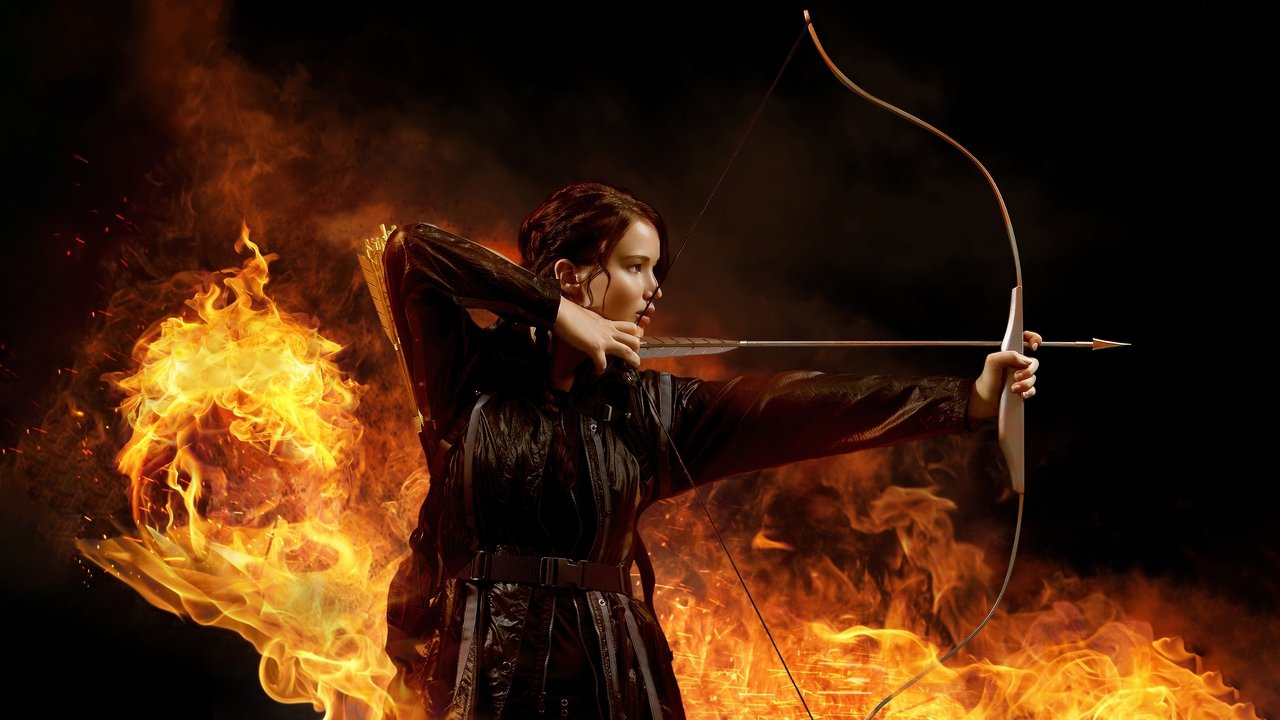
The supporting cast is equally inspired. Woody Harrelson plays Haymitch Abernathy with a perfect blend of "functional alcoholic" and "shrewd tactician," providing the much-needed cynicism to balance out the glitter of the Capitol. Then you have Elizabeth Banks as Effie Trinket, hidden under layers of Kabuki makeup and prosthetic silk, looking like Marie Antoinette had a fever dream about the future. The contrast between the dusty, Appalachian vibes of District 12 and the "starvation-chic" aesthetic of the Capitol remains one of the most effective pieces of production design in modern sci-fi.
The 2012 Cultural Lightning Bolt
Looking back from our era of endless streaming and "content," it’s wild to recall the sheer scale of The Hunger Games’ success. With a relatively modest $75 million budget, it raked in nearly $700 million. It arrived exactly when the world was moving on from the sparkly vampires of Twilight and looking for something with more teeth. It tapped into a post-9/11 anxiety about state surveillance and the widening gap between the "haves" and "have-nots" that still feels painfully relevant.
The production was a massive undertaking. They utilized 1,200 different wigs for the Capitol scenes and apparently had a "swear jar" on set specifically for Jennifer Lawrence, which was reportedly full within the first week. Interestingly, Steven Soderbergh (the director behind Traffic and Ocean’s Eleven) actually directed the second unit for the District 11 riot sequence. When you see those shots of the uprising—the handheld urgency and the raw, political anger—you can feel his DNA all over it.
The Action and the Aftermath
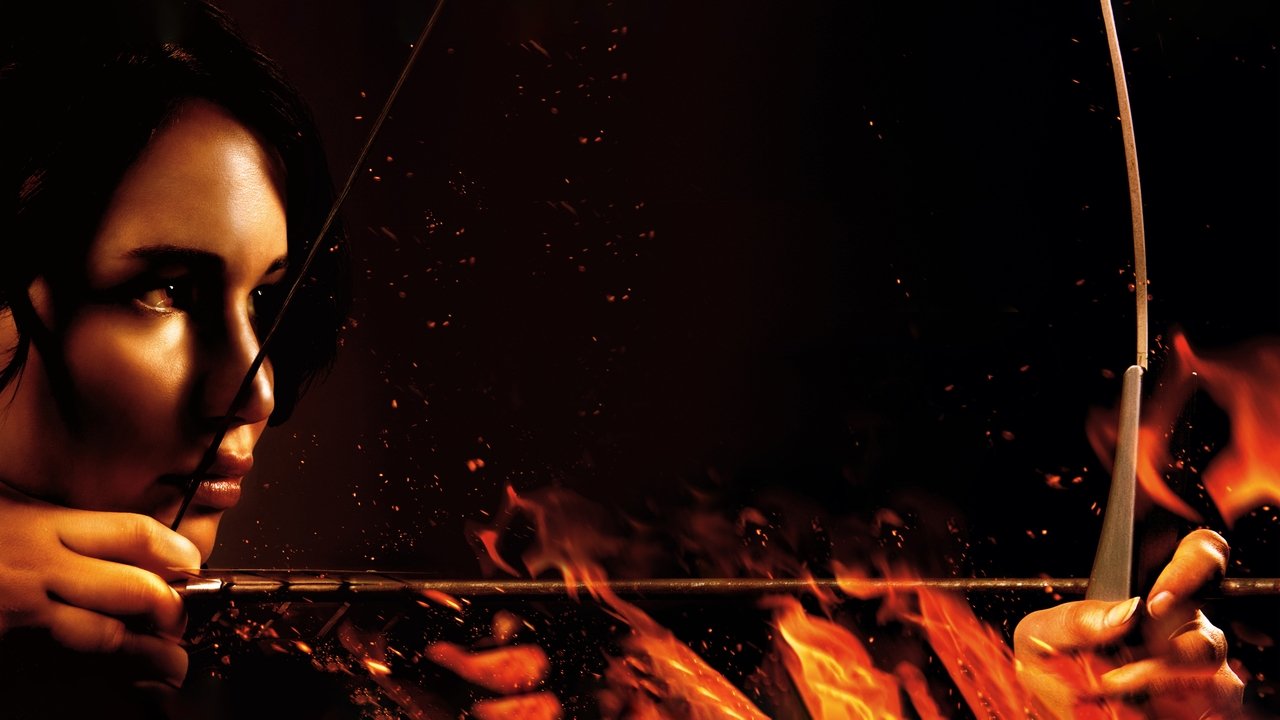
While the sequels would eventually get bigger, louder, and more CGI-heavy, there is something uniquely "analog" about this first entry. Most of the action is practical. The actors actually spent weeks in "tribute camp" learning archery, climbing, and combat. You can see the sweat and the real dirt under their fingernails. Peeta Mellark, played by Josh Hutcherson, has the survival instincts of a golden retriever in a blender, but his chemistry with Katniss provides the necessary human anchor.
The film does stumble slightly in the final act—the CGI "Cato-dogs" haven't aged particularly well and look a bit like PlayStation 3 assets—but the emotional payoff holds firm. The "berries" scene is still a masterclass in tension, subverting the "fight to the death" trope with a moment of defiant suicide that changes the course of the fictional world.
The Hunger Games is a rare beast: a massive blockbuster that actually has something to say. It managed to capture the frantic energy of a world obsessed with reality TV and turn it into a high-stakes thriller that remains the gold standard for the Young Adult genre. It’s dark, it’s intense, and it’s a reminder that sometimes the most dangerous thing you can do in a game is refuse to play by the rules. Just maybe skip the kettle corn during the Reaping—it feels a bit too "Capitol" for comfort.


Keep Exploring...
-
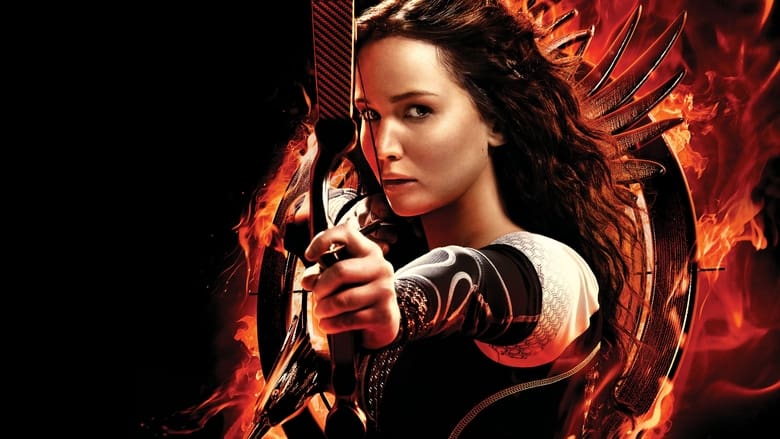
The Hunger Games: Catching Fire
2013
-
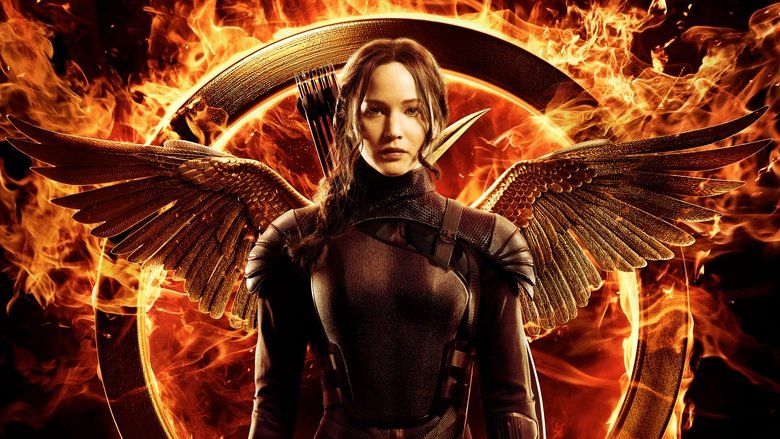
The Hunger Games: Mockingjay - Part 1
2014
-
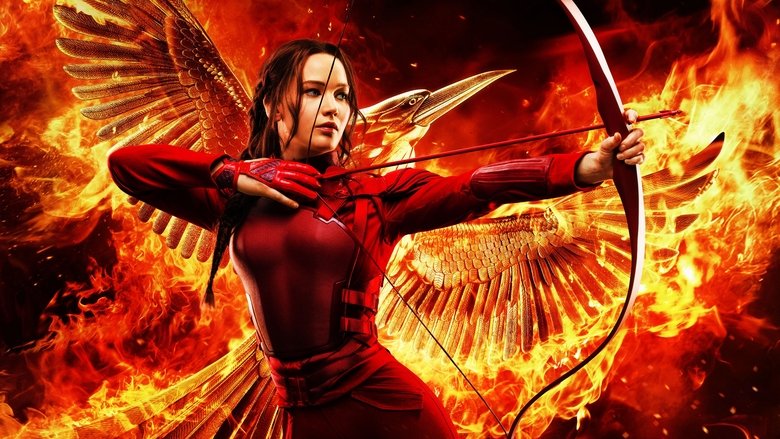
The Hunger Games: Mockingjay - Part 2
2015
-

The Matrix Reloaded
2003
-
Star Trek: First Contact
1996
-
Mission: Impossible - Ghost Protocol
2011
-
Rise of the Planet of the Apes
2011
-
Dawn of the Planet of the Apes
2014
-

Starship Troopers
1997
-
Armageddon
1998
-

Skyfall
2012
-
The Maze Runner
2014
-

Star Trek VI: The Undiscovered Country
1991
-
Serenity
2005
-
Terminator 2: Judgment Day
1991
-
Mission: Impossible
1996
-
The Rock
1996
-
Minority Report
2002
-
Star Trek: Generations
1994
-

Captain Phillips
2013