The Lorax
"The forest speaks, but is anyone buying?"
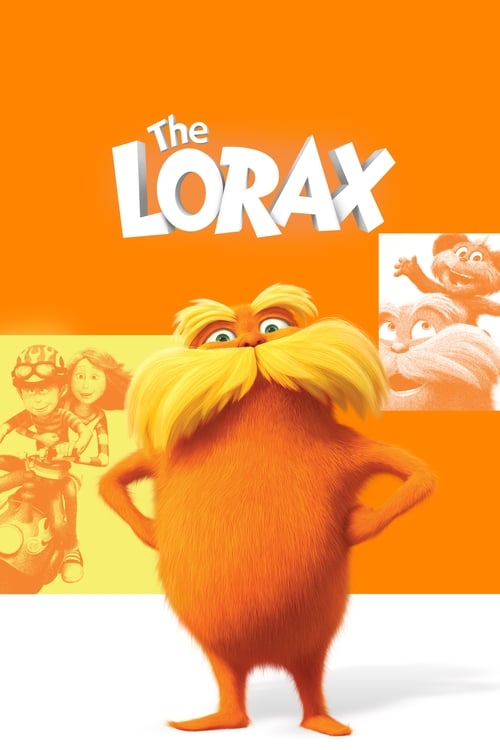
There is something inherently hilarious about a multi-billion dollar studio machinery producing a film about the evils of corporate greed. In 2012, The Lorax arrived not as a whisper in the wind, but as a neon-drenched, high-fructose scream. It was the moment Illumination Entertainment—the house that Minions built—decided to take Dr. Seuss’s most somber environmental warning and give it a dubstep remix. It’s the cinematic equivalent of a Mountain Dew Code Red; it’s loud, it’s sweet, and it probably has more artificial ingredients than the plastic trees in Thneedville.
I watched this most recently while nursing a lukewarm diet root beer that had lost its fizz twenty minutes prior, and honestly, the flat sweetness of the soda matched the movie’s vibe perfectly. It’s a film that wants to save the world, but it also wants to make sure you buy the tie-in merchandise on the way out of the theater.
The Tragedy of the Once-ler
While the marketing focused on the orange, mustachioed forest spirit, the real meat of the movie—and where it surprisingly leans into its dramatic roots—is the backstory of the Once-ler. In the original book, he’s just a pair of green, greedy arms hiding in a tower. Here, he’s given a face, a guitar, and the voice of Ed Helms. This was a massive creative gamble. By humanizing the villain, the film attempts a genuine character arc about the slow-motion car crash of "selling out."
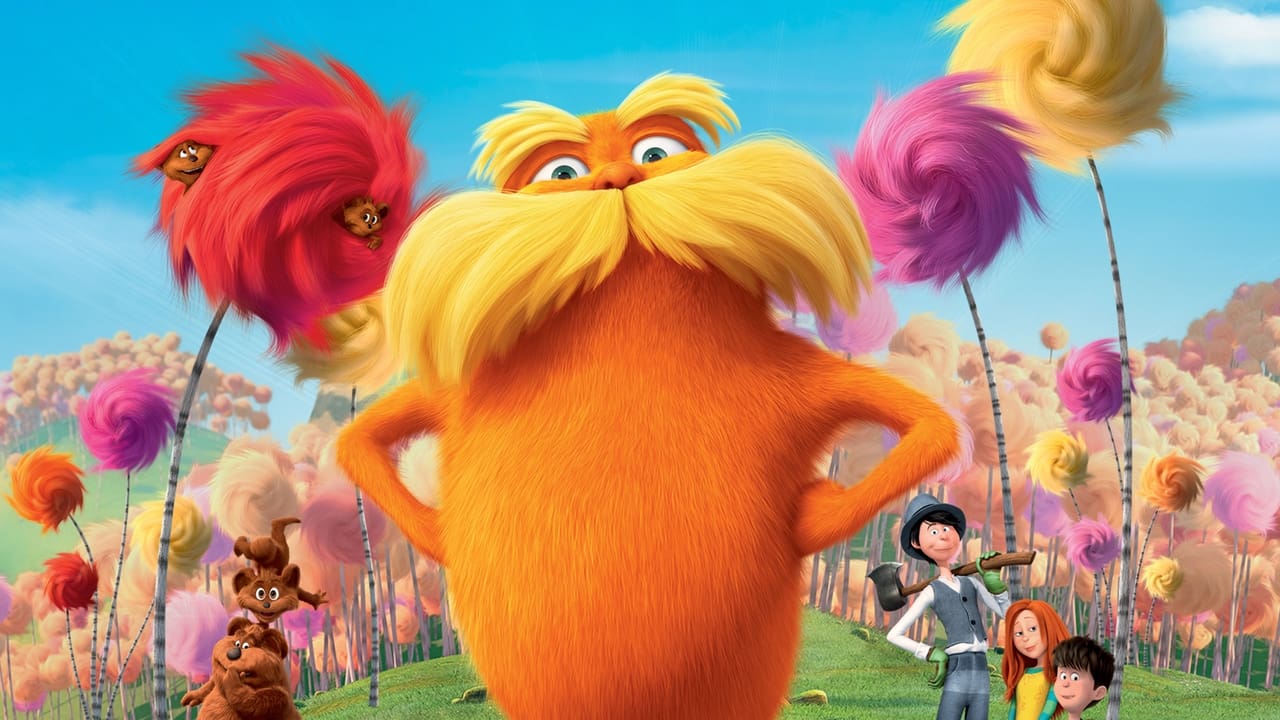
Ed Helms brings a frantic, needy energy to the role that actually works. You see the internal struggle as he chooses the approval of his terrible family over his promise to the Lorax. When he finally breaks bad and sings "How Bad Can I Be?", it captures that specific 2012 era of corporate entitlement. The drama here isn’t found in the slapstick chases involving Zac Efron’s Ted, but in the quiet, shameful realization of a man who realized too late that you can’t eat money. The film earns its emotional weight in the moments where the landscape turns from vibrant pinks and purples to a smog-choked gray. It’s a transition that feels earned, even if it’s surrounded by singing fish.
A Forest of Star Power
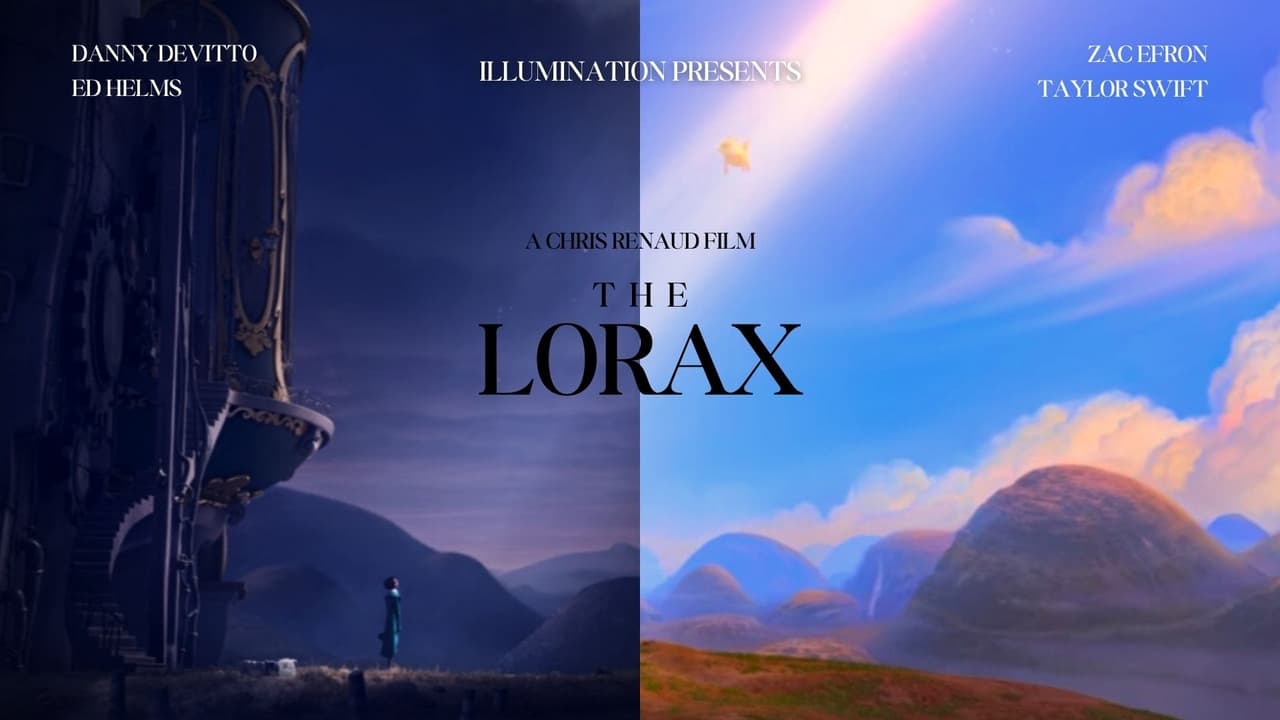
If the Once-ler is the dramatic heart, Danny DeVito is the soul. Casting him as the Lorax was a stroke of genius; he sounds exactly like a grumpy, protective grandfather who has seen too much and slept too little. He doesn’t "voice" the character so much as he inhabits it with a gravelly weariness that provides a necessary anchor to the film’s frenetic pacing. When he floats back up into the clouds, leaving only a pile of rocks, I felt a genuine pang of loss—a testament to DeVito’s ability to find the pathos beneath the orange fur.
On the other side of the fence, we have Rob Riggle as the villainous Mr. O'Hare. He plays the role with the subtlety of a sledgehammer, but in a world where people pay for bottled air, perhaps subtlety is overrated. Zac Efron and Taylor Swift provide the "teen-marketable" voices for Ted and Audrey, and while they do fine, their plotline feels like a standard-issue adventure movie meant to keep the kids from fidgeting during the heavy environmentalist lectures. Jenny Slate pops up as Ted’s mom, and her comic timing is, as always, impeccable, even if the script doesn’t give her enough to do besides being "the quirky parent."
The $349 Million Truffula Tree
Looking back at 2012, The Lorax was a fascinating benchmark for how blockbusters were evolving. This was the era where CGI had fully matured—the textures of the Truffula tufts still look soft enough to touch—but it was also the era of the "commercial contradiction." This film was a massive financial success, turning a $70 million budget into nearly $350 million worldwide, yet it was famously criticized for its marketing tie-ins. Apparently, the irony of using the Lorax to sell a Mazda SUV (marketed as "Truffula Tree-friendly") wasn't lost on anyone.

The production scale was enormous, and it’s a masterclass in the Illumination house style: high saturation, fast edits, and pop-culture-friendly musical numbers. It captured the public imagination enough to spawn a weirdly intense internet fandom for the Once-ler (the Tumblr "Onceler" era is a dark rabbit hole for another day), proving that the film's attempt at a "dramatic" villain resonated more than the studio probably expected. It’s a film that reveals its era through its restless energy; it’s terrified of being boring for even a second, which is a very post-internet-boom anxiety.
Interestingly, Danny DeVito actually voiced the Lorax for the Spanish, Italian, German, and Russian dubs of the film, which is a level of commitment to a character you rarely see in high-profile animation. It turns out that the Lorax doesn't just speak for the trees—he speaks most of the major European languages, too.
At its best, The Lorax is a visually stunning fable that manages to inject some real dramatic complexity into the story of a man who traded his soul for a "Thneed." At its worst, it’s a hyperactive corporate product that undermines its own message by trying to be too many things at once. It’s not the quiet, haunting book you remember, but it’s a fascinating relic of early 2010s animation. If you can ignore the singing goldfish, there’s a surprisingly heartfelt story about the cost of ambition hiding under the neon fluff.

Keep Exploring...
-
Despicable Me
2010
-
Despicable Me 2
2013
-
The Secret Life of Pets
2016
-
Horton Hears a Who!
2008
-
Despicable Me 4
2024
-
Alvin and the Chipmunks: Chipwrecked
2011
-
The Secret Life of Pets 2
2019
-
Shrek the Third
2007
-

The Simpsons Movie
2007
-
Madagascar: Escape 2 Africa
2008
-
Alvin and the Chipmunks: The Squeakquel
2009
-

Ice Age: Dawn of the Dinosaurs
2009
-
Shrek Forever After
2010
-

Hop
2011
-

Puss in Boots
2011
-
Rio
2011
-
The Smurfs
2011
-
Hotel Transylvania
2012
-
Ice Age: Continental Drift
2012
-
Madagascar 3: Europe's Most Wanted
2012