The Master
"Two broken men, one vessel, no destination."
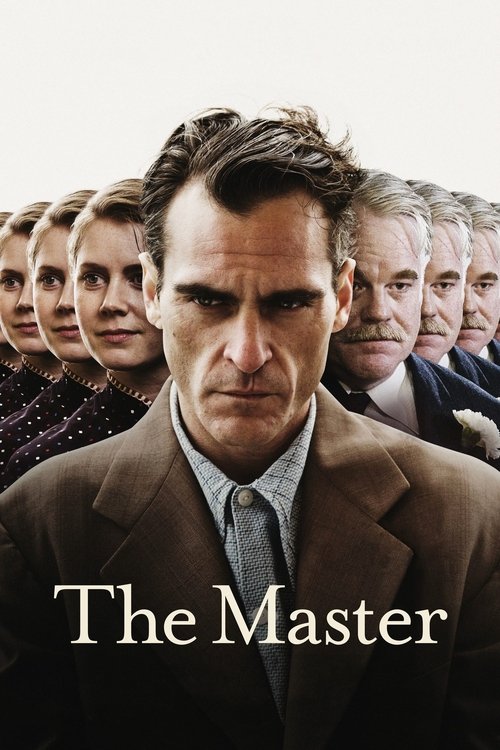
The first time I sat down to watch The Master, I was nursing a lukewarm cup of gas station coffee and a mild headache. Somehow, that felt like the exact right headspace for a film that opens with a man humping a sand sculpture of a woman on a beach in the South Pacific. It’s a film about thirst—the literal, chemical thirst of a chronic alcoholic and the spiritual, desperate thirst of a man looking for a cage he can finally live in.
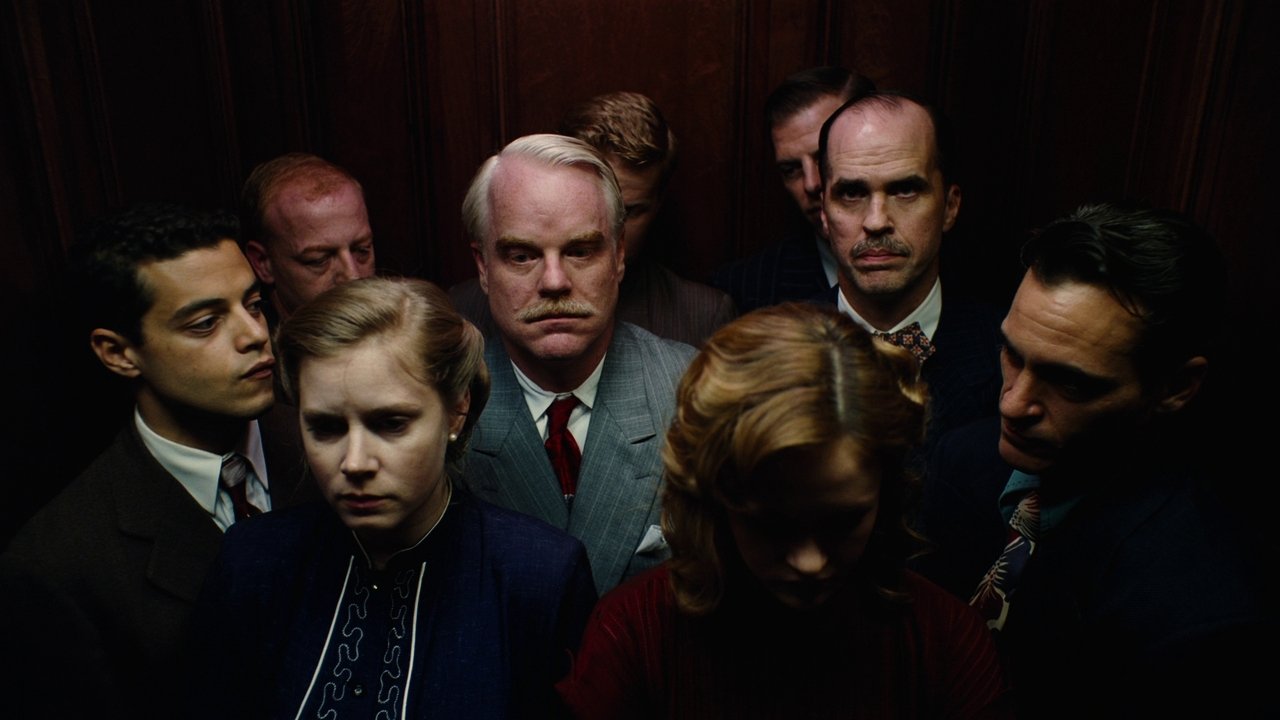
Coming out in 2012, The Master felt like a massive anomaly. We were right in the middle of the "prestige drama" boom, but while everything else was leaning into the glossy, digital crispness of the era, director Paul Thomas Anderson (PTA) decided to shoot this monster on 70mm film. It was the first fiction film to be shot primarily in that format since the mid-90s, and looking back, it was a defiant statement against the creeping corporatization of cinema. It looks gorgeous, but not in a "pretty" way; it looks humid, heavy, and startlingly real.
The Processing of Freddie Quell
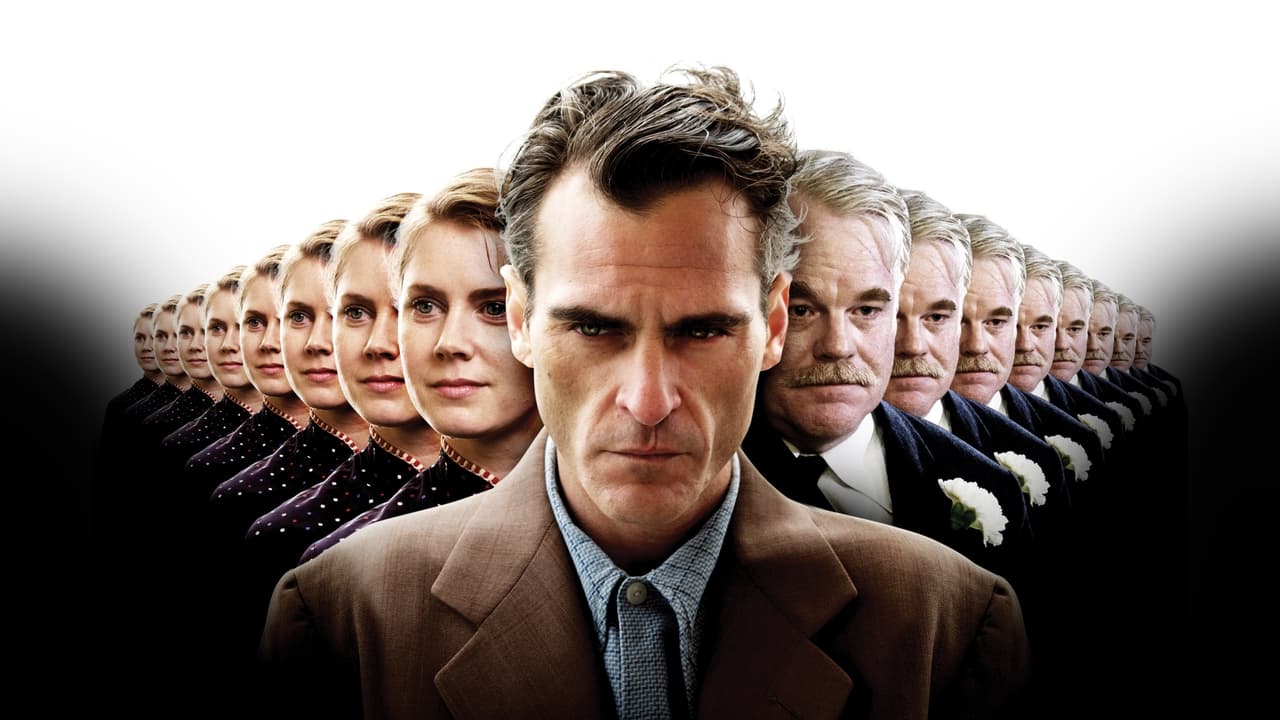
The story, such as it is, centers on Freddie Quell, played by Joaquin Phoenix in a performance that is less "acting" and more "spontaneous physical mutation." Freddie is a WWII veteran who has come home with a brain like scrambled eggs and a gift for fermenting literally anything—paint thinner, torpedo fuel, window cleaner—into a drinkable intoxicant. He’s a wild animal, all hunched shoulders and bared teeth.
Then he stumbles onto a yacht and meets Lancaster Dodd, played by the late, monumental Philip Seymour Hoffman. Dodd is the leader of "The Cause," a nascent religious movement that looks, smells, and sounds an awful lot like early Scientology. The relationship between these two is the engine of the movie. It’s a bromance, a father-son psychodrama, and a battle for a man’s soul all wrapped into one.
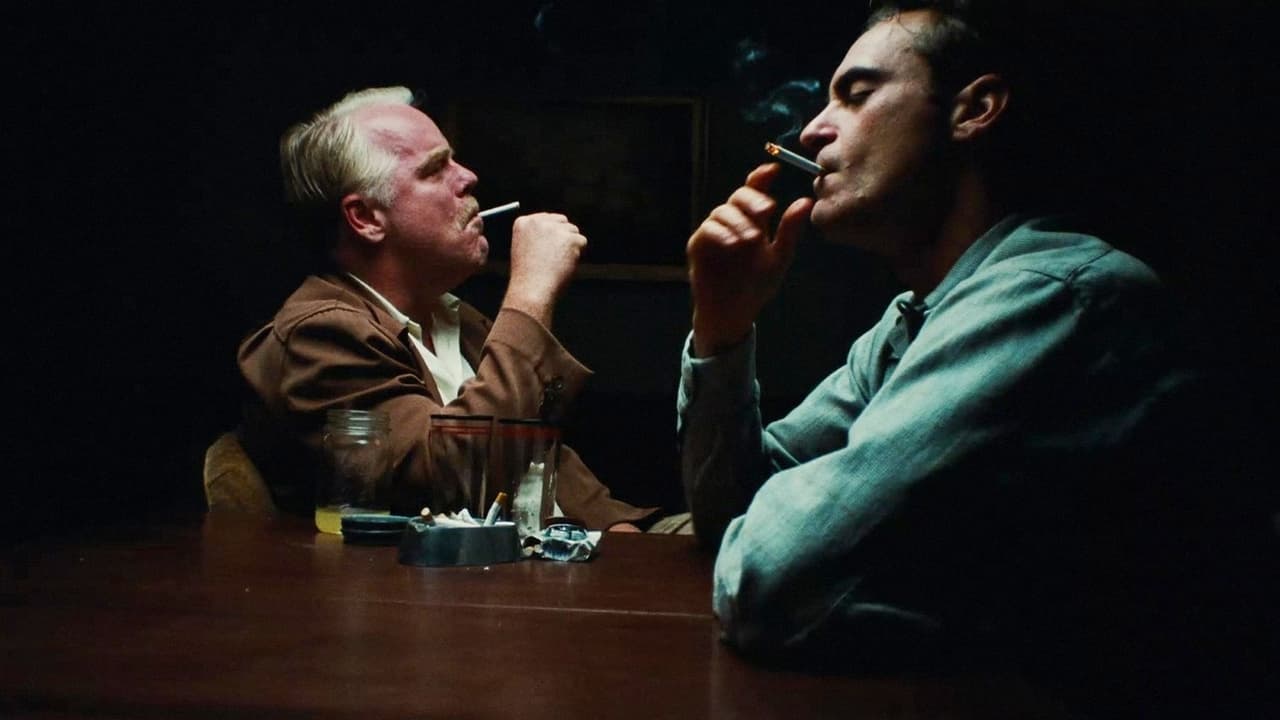
I’ve always felt that The Master is actually a romantic comedy about two toxic dudes who realize they’re the only people on Earth who can tolerate each other’s nonsense. When they’re together, the screen practically vibrates. There’s a scene called "Processing"—essentially a high-stakes interrogation—where Dodd forces Freddie to answer questions without blinking. It is one of the most intense sequences of the 21st century. Apparently, Joaquin Phoenix actually smashed a real toilet during one of his outbursts on set, and PTA just kept the cameras rolling. That’s the kind of movie this is.
A Cult Classic Born from Box Office Dust
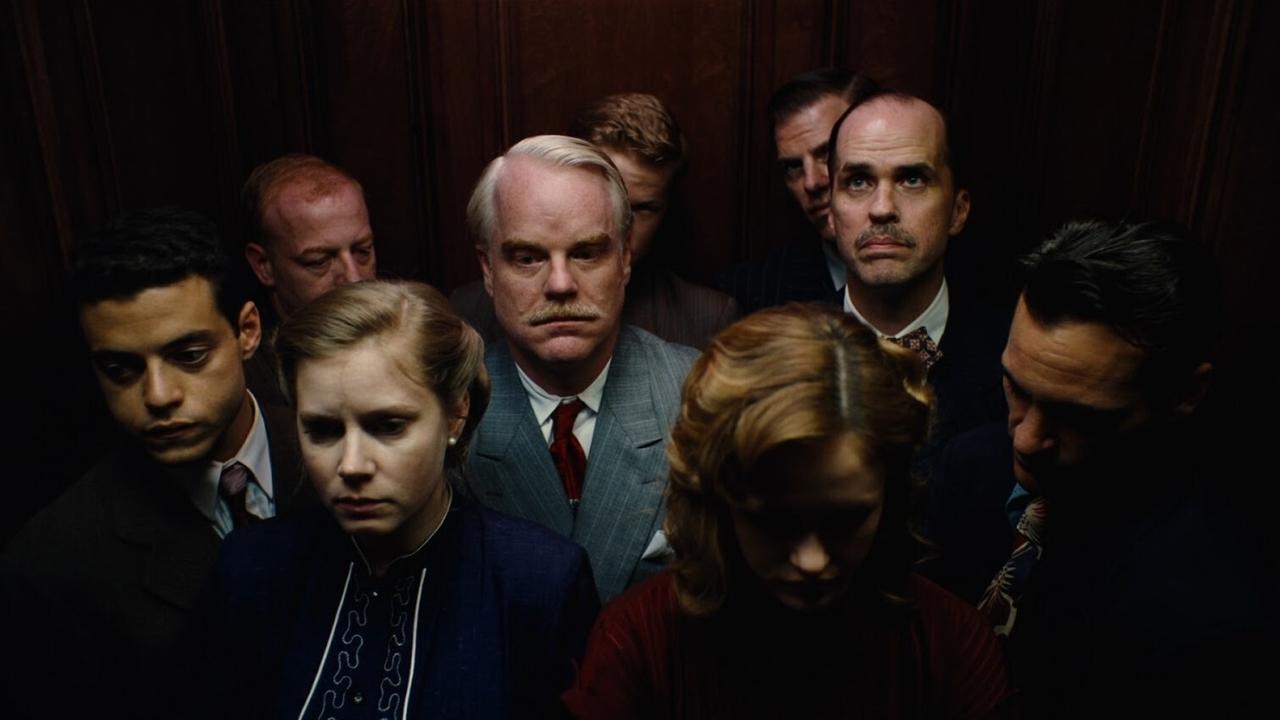
Despite the pedigree, The Master was not a hit. It cost about $32 million and didn't even make its budget back in theaters. It was too weird, too ambiguous, and far too uncomfortable for the casual Friday night crowd. But in the years since, its cult status has exploded. It’s the kind of movie you find yourself talking about at 2:00 AM in a booth at a diner.
What makes it a cult classic isn't just the "is it about L. Ron Hubbard?" controversy. It’s the details that fans obsess over. Like Amy Adams as Peggy Dodd, Lancaster’s wife. She’s the real power behind the throne, and her quiet, terrifying intensity is arguably more frightening than Freddie’s wild outbursts. There’s also the casting of Jesse Plemons as Dodd’s son; he looks so much like a younger Philip Seymour Hoffman that it’s almost distracting.
The film captures that post-9/11 anxiety through a 1950s lens—the idea that we’ve won the war, but we’ve lost our minds. It asks if a man can ever truly be "mastered," or if we’re all just animals pretending to be civilized. It’s a heavy question, and PTA doesn't give you the easy out of a happy ending.
Stuff You Didn’t Notice
Interestingly, the film’s "The Cause" wasn't just pulled from Scientology. PTA also dug into the history of Dianetics, but mixed it with the "lost" feeling of the post-WWII generation. Philip Seymour Hoffman actually took a very active role in shaping the character, telling PTA that the initial script was too focused on Freddie and that Dodd needed more "meat" to be a worthy foil.
Then there’s the score by Jonny Greenwood (of Radiohead fame). In an era where movie music was becoming increasingly generic, Greenwood’s work here is jagged, woodwind-heavy, and deeply unsettling. It sounds like the inside of a nervous breakdown. I once tried to listen to the soundtrack while doing the dishes, and I ended up breaking a plate because the tension was so high.
Looking back from over a decade out, The Master has aged better than almost any other drama from its year. While other movies from 2012 feel dated or tied to their specific political moment, this film feels timeless. It’s a fever dream about two guys trying to find a reason to get out of bed in a world that doesn't make sense anymore.
The Master isn't an easy watch, but it’s an essential one. It’s a masterclass in performance and a visual feast that demands to be seen on the biggest screen you can find. It’s a movie that doesn't just sit there; it follows you home, gets into your head, and stays there. If you haven’t seen it, prepare yourself for a beautiful, jagged, and profoundly human experience. It might not tell you how to live your life, but it’ll definitely make you feel less alone in your own mess.

Keep Exploring...
-
Inherent Vice
2014
-
Boogie Nights
1997
-
Magnolia
1999
-
Punch-Drunk Love
2002
-
There Will Be Blood
2007
-

Hard Eight
1997
-
Phantom Thread
2017
-
Licorice Pizza
2021
-
The Ides of March
2011
-

Wild
2014
-
We Own the Night
2007
-
Two Lovers
2008
-
Her
2013
-
Mary and Max
2009
-
Moneyball
2011
-
Gone Baby Gone
2007
-

High School Musical 2
2007
-
The Assassination of Jesse James by the Coward Robert Ford
2007
-

The Darjeeling Limited
2007
-
Doubt
2008