The Perks of Being a Wallflower
"Finding the music in the quietest corners."
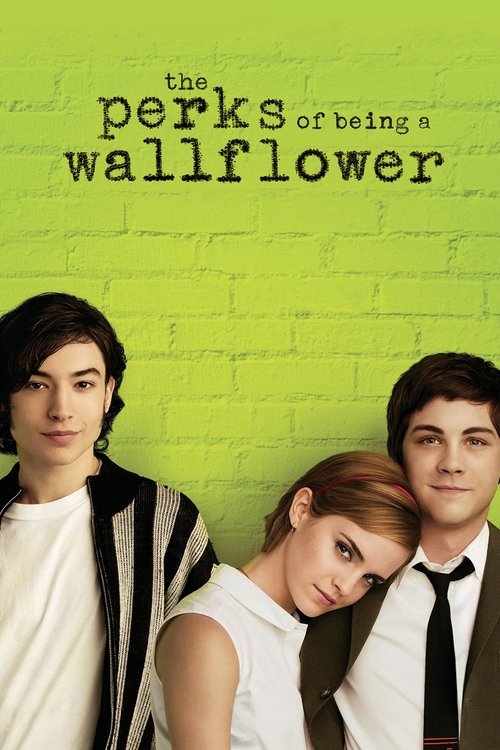
Most authors should be legally barred from directing their own film adaptations. Usually, they’re too precious with the prose, refusing to kill their darlings until the movie becomes a bloated, three-hour "meditation" that moves with the speed of a tectonic plate. But Stephen Chbosky managed to pull off a minor miracle with The Perks of Being a Wallflower. Released in 2012, right as the "Indie Aesthetic" was peaking on Tumblr and we were all buying oversized sweaters we didn't need, this film felt like a bridge. It was a 2010s movie looking back at 1991, capturing that fleeting, terrifying moment where you realize your life is actually happening.
I watched this recently while sitting in a chair that has one leg shorter than the others, meaning I spent the entire runtime gently wobbling back and forth like a human metronome. Oddly enough, it matched the rhythm of the film—that constant, slightly off-balance feeling of being fifteen.
The Post-Potter Pivot and the Power of Three
The biggest hurdle in 2012 wasn't the script; it was the casting. Everyone was looking at Emma Watson, wondering if she could actually play a girl who didn't spend her time brewing Polyjuice Potion in a bathroom. As Sam, she’s a revelation—not because she’s perfect, but because she’s convincingly flawed. She plays a girl who has been told she’s a "cool girl" for so long that she’s forgotten how to be a person.
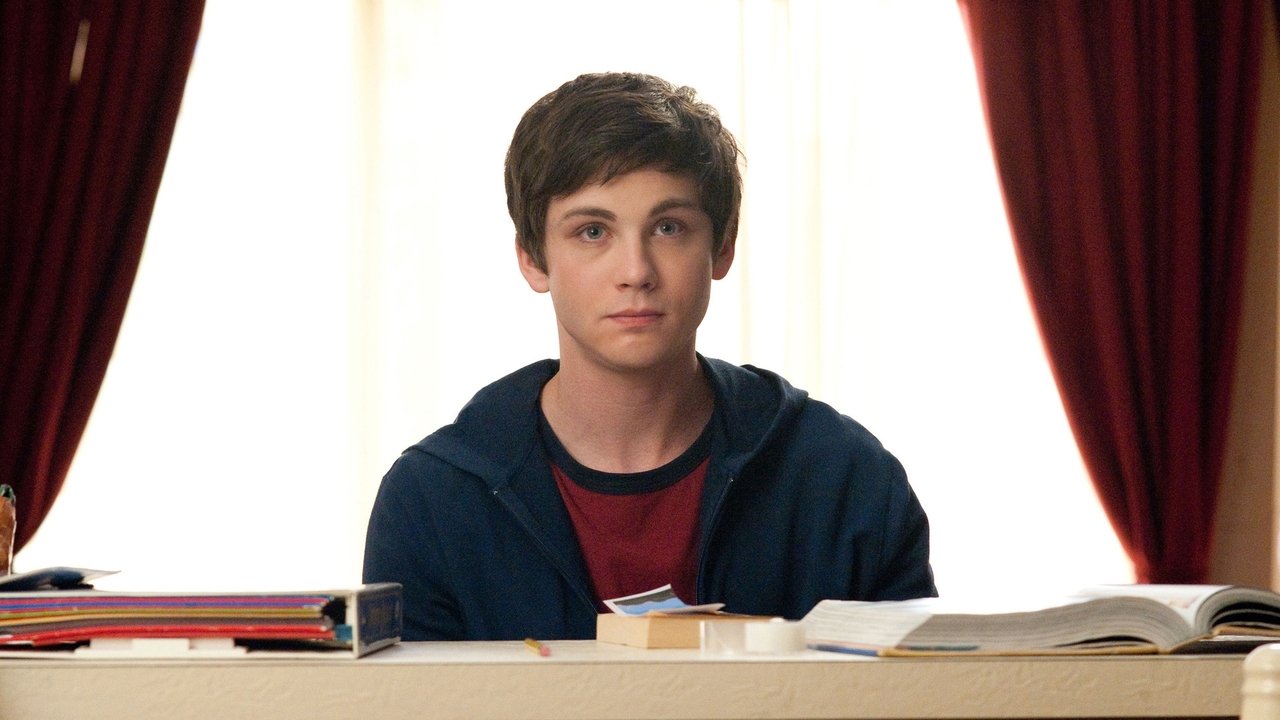
Then there’s Logan Lerman as Charlie. Playing the "quiet kid" is a trap; most actors just stare blankly at the wall and call it "internalizing." Lerman, however, gives Charlie a vibrating kind of anxiety. You can tell he’s constantly editing his own thoughts before they reach his lips. Apparently, Lerman actually wrote a long, heartfelt letter to Chbosky to prove he understood the character's DNA, and it shows. He carries the heavy lifting of the film's darker turns—dealing with the ghost of an aunt and a history of trauma—without ever slipping into melodrama.
But the secret weapon is Ezra Miller as Patrick. Before his name became synonymous with tabloid headlines, Miller was a lightning bolt on screen. As the "Nothing" to Charlie’s wallflower, he provides the film’s heartbeat. Patrick is essentially the human embodiment of a David Bowie B-side: loud, weirdly glamorous, and secretly heartbreaking. His chemistry with the rest of the cast, including a hilariously sharp Mae Whitman as the punk-Buddhist Mary Elizabeth, makes the group feel like a real tribe rather than a collection of archetypes.
1991 Through a 2012 Lens
Setting a movie in 1991 while filming in the digital age of the early 2010s is a stylistic tightrope. Chbosky, along with cinematographer Andrew Dunn, avoids the neon-drenched cliches of the era. Instead, Pittsburgh looks like a hazy, industrial dreamscape. It’s a film about the analog world—mixtapes, typewriters, and the Rocky Horror Picture Show—made for a generation that was just beginning to feel the burnout of constant digital connectivity.
Looking back, The Perks of Being a Wallflower arrived during a shift in prestige cinema. It wasn't a blockbuster, but it had that "Sundance sheen" that allowed it to be taken seriously by critics like Roger Ebert, who praised its honesty. It was a "Prestige Teen Movie," a genre that feels rare now in the age of streaming-service fluff. It’s a film that earned its Independent Spirit Award for Best First Feature by treating teenage problems with the same gravity as a historical war drama.
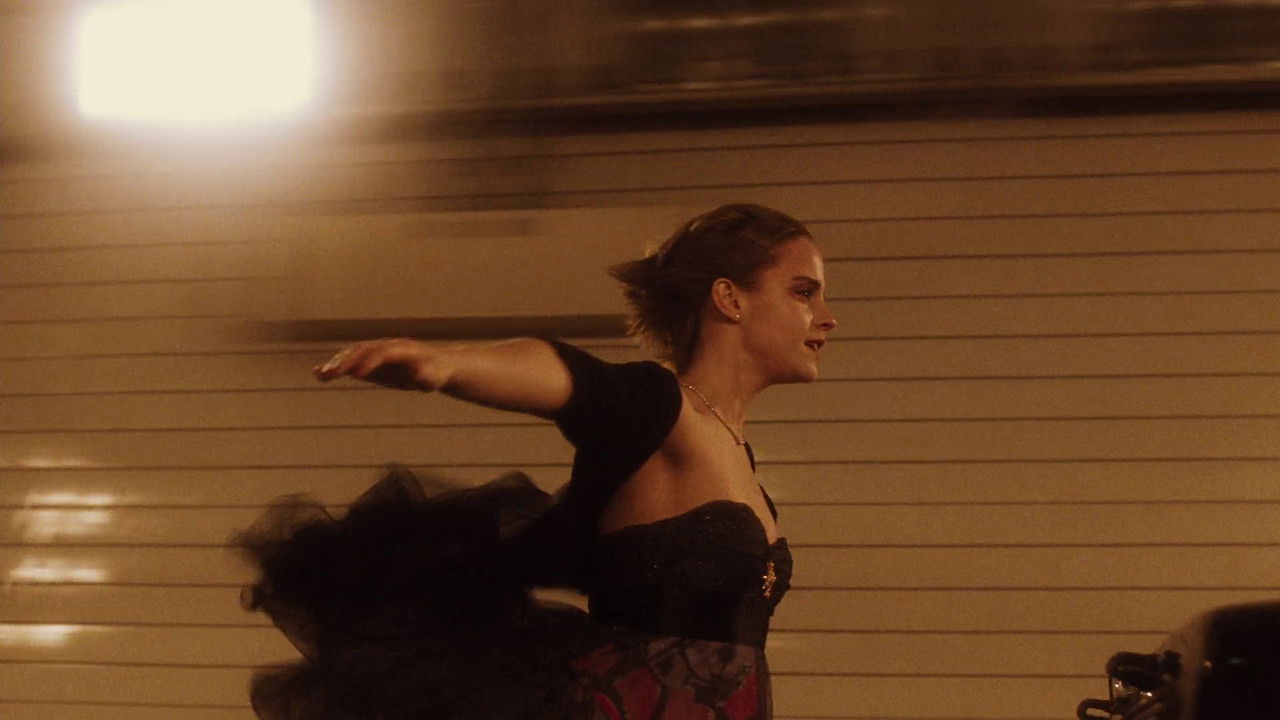
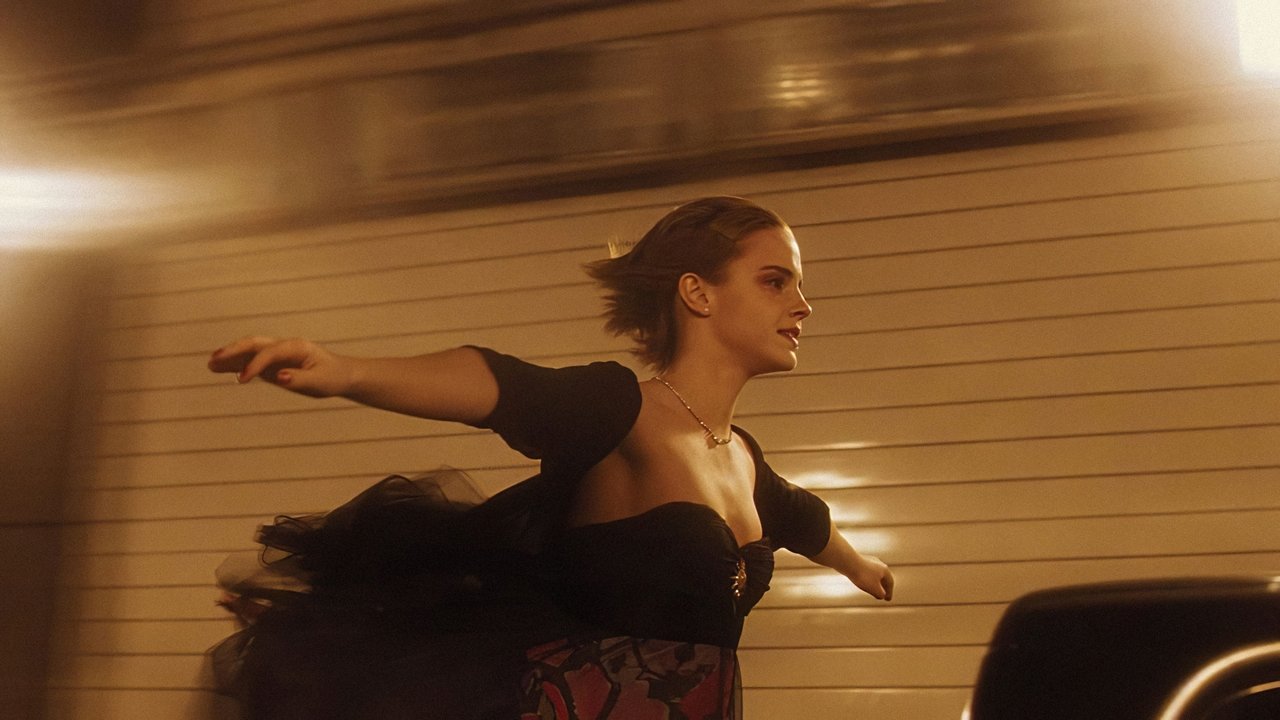
One of the best pieces of trivia from the production is that the iconic "tunnel scene"—where Sam stands in the back of the truck while David Bowie’s "Heroes" blares—was shot in the actual Fort Pitt Tunnel in Pittsburgh. They had to do it multiple times, and Emma Watson was reportedly terrified, but that sense of dangerous, exhilarating freedom is exactly what makes the scene work. It’s one of those rare moments in cinema that feels exactly like how a specific song sounds.
The Weight of Being Infinite
What keeps Perks from being just another "coming-of-age" retread is its willingness to go into the basement. It deals with childhood sexual abuse and mental health struggles with a level of tact that was ahead of its time for 2012. It doesn't treat Charlie's "episodes" as plot points to be solved, but as a reality to be managed.
The film also captures the specific 90s anxiety of the "Mixed Tape." Today, we just share a Spotify link and move on. In 1991, a mixtape was a high-stakes emotional gamble. If you put the wrong song after the bridge, you might accidentally tell someone you want to marry them when you just wanted to say 'thanks for the fries.' The film respects the labor of that kind of love.
While some might find the "We are infinite" tagline a bit precious now, I think it holds up because the film earns the sentiment. It’s a movie about the people who save your life before you even realize it needs saving. It’s sincere, occasionally messy, and deeply empathetic.
In the decade-plus since its release, The Perks of Being a Wallflower has transitioned from a trendy indie hit to a genuine staple of the genre. It captures the transition from the analog past to the digital future without losing its soul in the process. Whether you were a wallflower or the loudest person in the room, there’s a specific kind of truth in this film that’s hard to ignore. It’s a reminder that being "participating" in life is a lot harder—and a lot more rewarding—than just watching it happen.
Keep Exploring...
-
Wonder
2017
-
Into the Wild
2007
-
There Will Be Blood
2007
-
Gran Torino
2008
-

Flipped
2010
-
The Help
2011
-

Warrior
2011
-

12 Years a Slave
2013
-
Dallas Buyers Club
2013
-
Her
2013
-
Prisoners
2013
-
The Grand Budapest Hotel
2014
-

The Imitation Game
2014
-
The Boy in the Striped Pyjamas
2008
-
The Dark Knight
2008
-

Hachi: A Dog's Tale
2009
-
Inglourious Basterds
2009
-
Mr. Nobody
2009
-
Incendies
2010
-
Shutter Island
2010