The Raid
"Enter the building. Survive the floor. Witness the carnage."
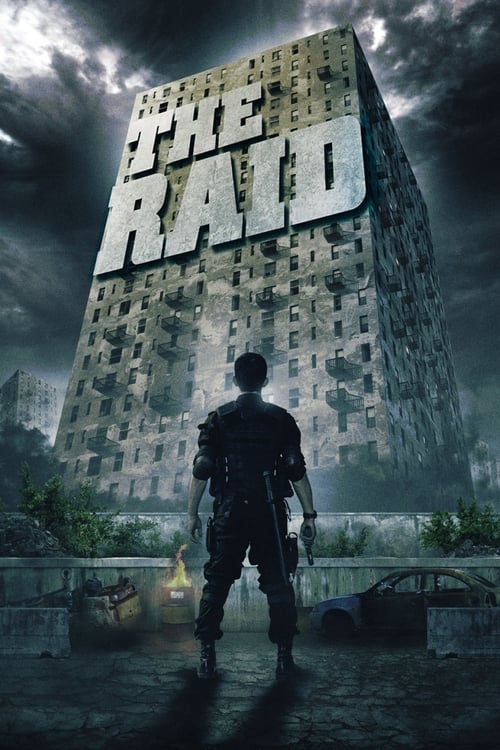
In 2012, the global cinema landscape was increasingly dominated by the polished, weightless pixels of the early Marvel era. While we were all busy watching gods and billionaires trade quips in front of green screens, a Welshman named Gareth Evans (who had previously directed the cult-favorite Merantau) dropped a cinematic pipe bomb from Indonesia that reminded us what it feels like to actually see a human being hit a floor. I watched this for the third time last Tuesday while nursing a cup of lukewarm coffee that I’d forgotten to finish, and honestly, the sheer adrenaline of the hallway fight scene was enough to make the caffeine redundant.
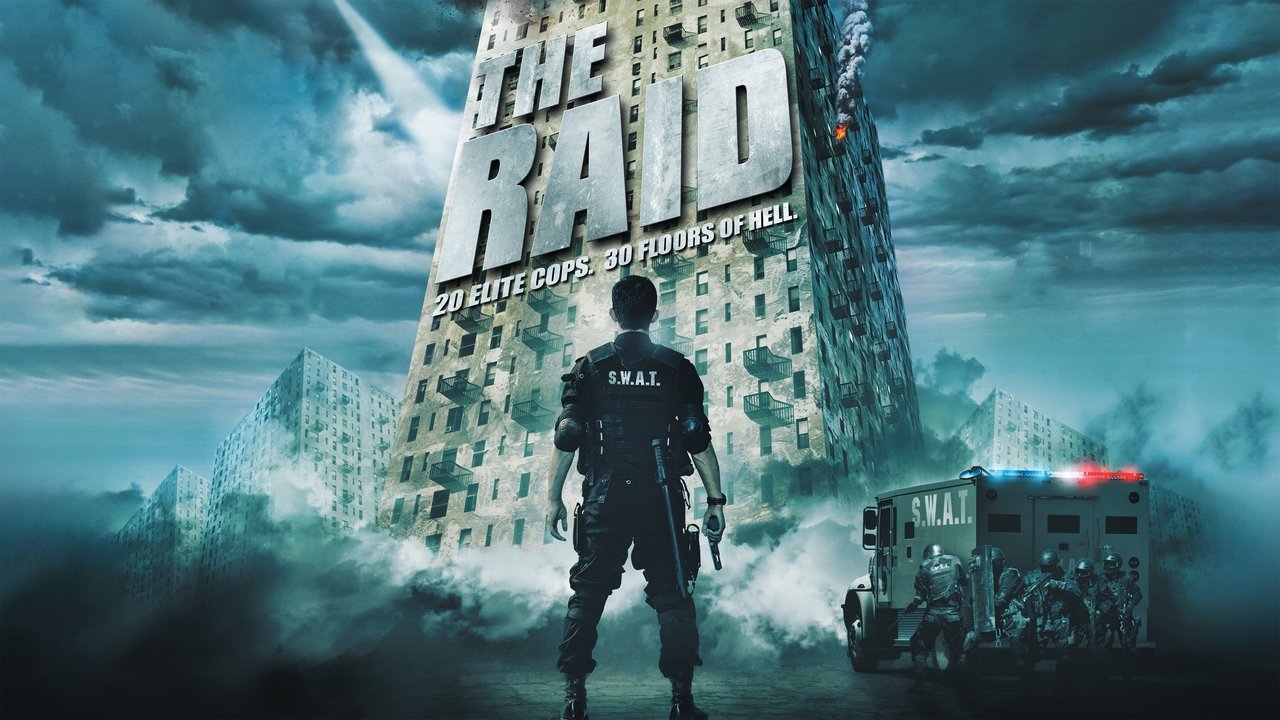
The Raid (originally The Raid: Redemption) isn't just an action movie; it’s a masterclass in spatial awareness and sustained dread. It takes the "one-location" thriller trope—think Die Hard or Dredd—and strips away every ounce of unnecessary fat until all that remains is a skeleton of pure, unadulterated conflict.
The Geography of a Nightmare
The premise is deceptively simple: an elite tactical team led by Joe Taslim (Jaka) and featuring the unassuming but deadly Iko Uwais (Rama) enters a dilapidated Jakarta high-rise to capture a drug lord named Tama (Ray Sahetapy). Within twenty minutes, the lights go out, the exits are barred, and the building itself becomes a vertical deathtrap.
What fascinates me most, looking back through a decade-plus of shaky-cam imitators, is how Gareth Evans uses the camera. In an era where many directors used "Bourne-style" rapid-fire editing to hide poor choreography, Evans and his cinematographers Matt Flannery and Dimas Imam Subhono do the opposite. They let the camera breathe. They show you the floor, the ceiling, and the four walls, ensuring you always know exactly where the threat is coming from. It’s basically a horror movie where the monsters know Pencak Silat, the traditional Indonesian martial art that serves as the film’s bloody backbone.
The tension isn't just in the fists; it's in the silence. The scene where the team hides inside a hollowed-out wall while a machete-wielding gang member probes the drywall is a masterstroke of suspense. It’s a reminder that even on a modest $1.1 million budget, you can create stakes that feel higher than a $200 million space opera.
The Physics of Impact

We have to talk about the "Mad Dog" of it all. Yayan Ruhian, who also served as a fight choreographer along with Iko Uwais, plays the drug lord’s right-hand man with the terrifying energy of a rabid terrier. His philosophy—that "pulling a trigger is like ordering takeout"—sets the tone for the film’s mid-point shift from a tactical shooter to a grueling, close-quarters brawl.
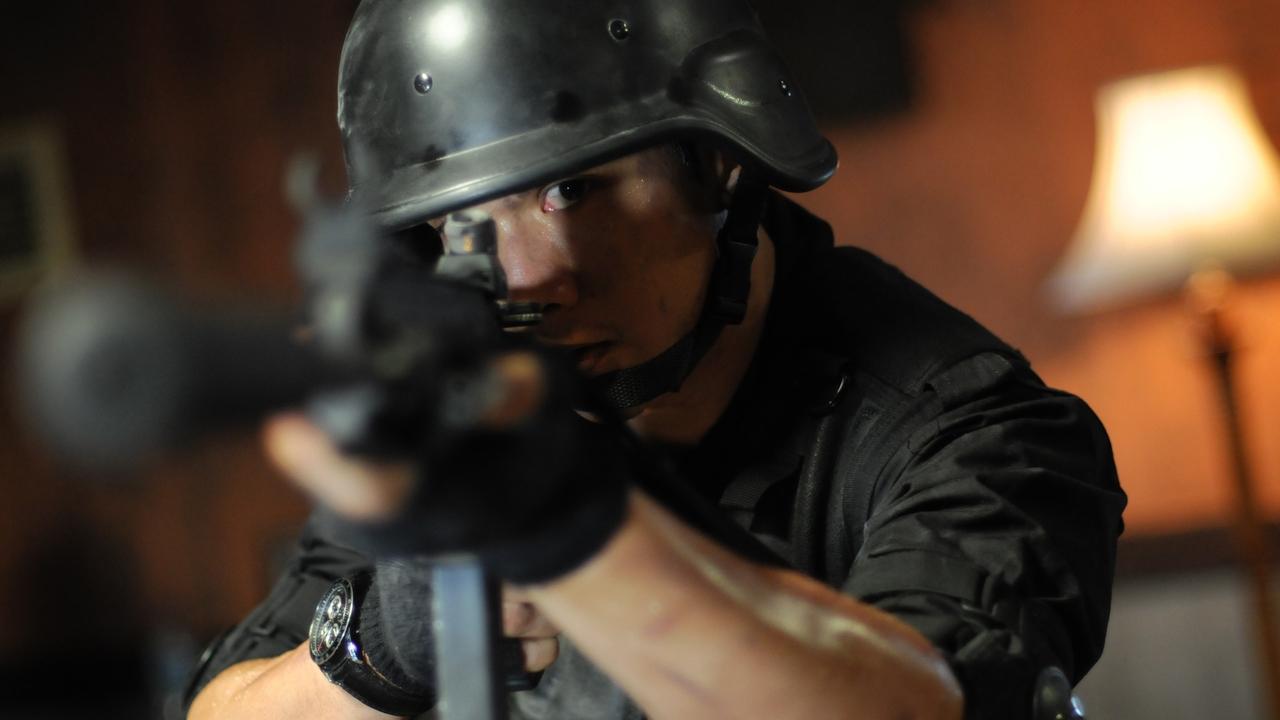
The choreography here has a specific, bone-deep weight. When someone gets thrown against a fluorescent light fixture or a concrete pillar, you don't just see it; you feel the structural integrity of the set being tested. Because the production was a lean, independent venture from Ario Sagantoro and PT. Merantau Films, there’s an authenticity to the grit. They didn't have the budget for elaborate CGI blood or digital doubles. Instead, they had world-class martial artists who spent months rehearsing every beat, ensuring that every movement had a logical counter.
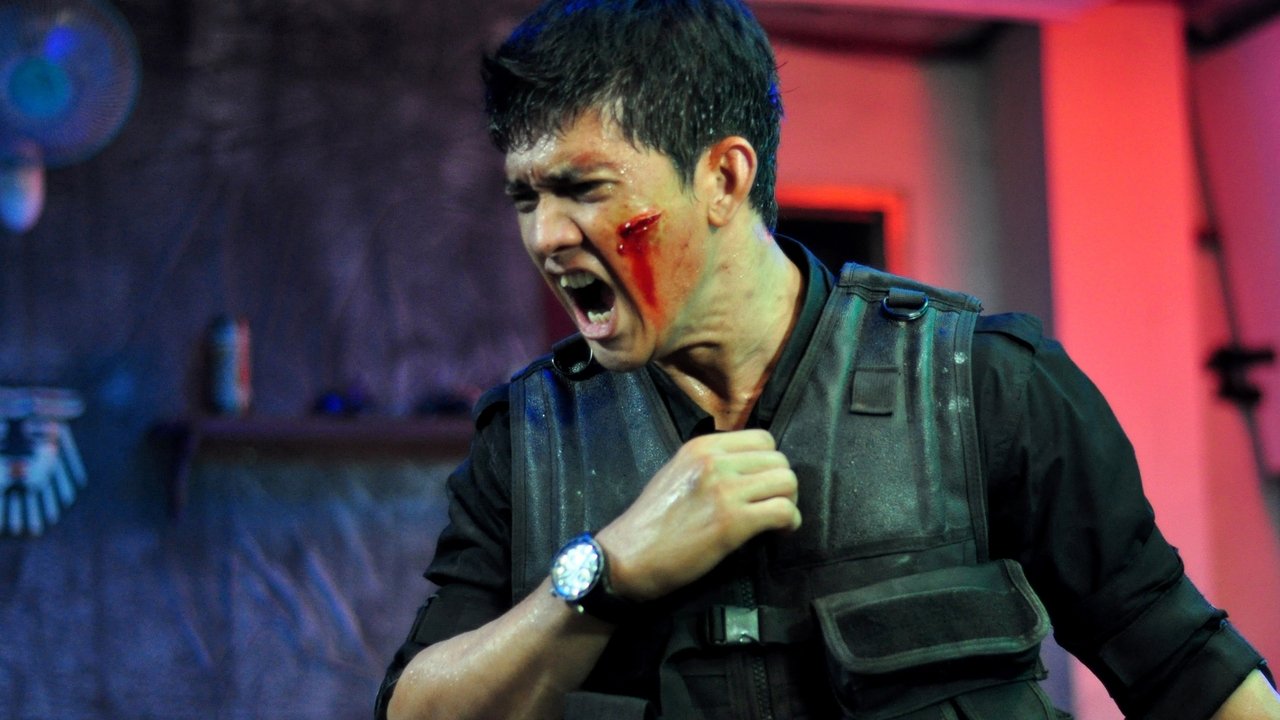
Iko Uwais is the heart of this. Before The Raid, he was a delivery driver discovered by Evans in a silat hall. Here, he portrays Rama with a desperate, grounded humanity. He isn't an invincible superhero; he’s a man who is clearly exhausted, bleeding, and terrified, which makes his survival feel earned rather than scripted.
A Global Shift on a Shoestring
It’s easy to forget how unlikely this film’s success was. It was a subtitled Indonesian actioner that managed to snag Mike Shinoda (of Linkin Park) to provide a pulsing, industrial score for the Western release. That score, a frantic mix of synths and percussion, perfectly mirrored the "survival horror" vibe Evans was chasing.
The film's journey from a small production in Jakarta to a Sundance Film Festival sensation is the stuff of indie legend. It proved that global audiences were starving for practical action. Without The Raid, I’d argue we don’t get the "gun-fu" precision of John Wick or the stunt-heavy revival of the Mission: Impossible franchise. It raised the bar so high that it effectively rendered most 2010s Hollywood fight scenes look like a group of toddlers fighting over a juice box.
Looking back, The Raid captures that specific window in the early 2010s where digital cameras were finally becoming good enough to handle low-light, high-speed movement without looking like a muddy mess. It’s a film that knows exactly what it is and refuses to apologize for its intensity. It doesn't need a sprawling cinematic universe or a post-credits tease; it just needs a hallway, a machete, and a protagonist who refuses to stay down.
If you haven't revisited this one lately, do yourself a favor and find the biggest screen possible. It remains the gold standard for how to shoot combat without losing the audience’s sense of place or stakes. It’s a brutal, exhausting, and ultimately brilliant piece of filmmaking that proves you don't need a massive budget to change the world—you just need a director with a vision and a cast willing to take a few real-world bruises for the sake of the craft. Just maybe finish your coffee before the first floor is breached.

Keep Exploring...
-
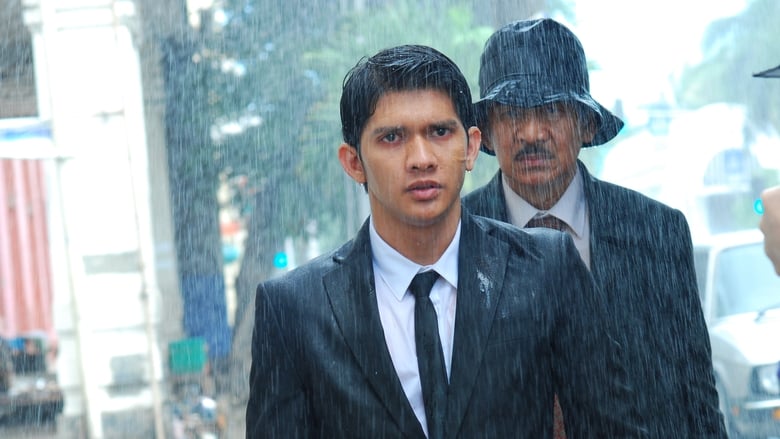
The Raid 2
2014
-
Felon
2008
-

The Chaser
2008
-

Blood and Bone
2009
-
The Girl Who Kicked the Hornet's Nest
2009
-
The Man from Nowhere
2010
-
Undisputed III: Redemption
2010
-
Hard Boiled
1992
-
The Girl Who Played with Fire
2009
-
Mesrine: Killer Instinct
2008
-
Mesrine: Public Enemy #1
2008
-
Batman: Year One
2011
-
Fast Five
2011
-
Headhunters
2011
-

The Dark Knight Rises
2012
-
Batman: Assault on Arkham
2014
-

The Connection
2014
-

The Equalizer
2014
-
Bronson
2009
-
Marshland
2014