The Raven
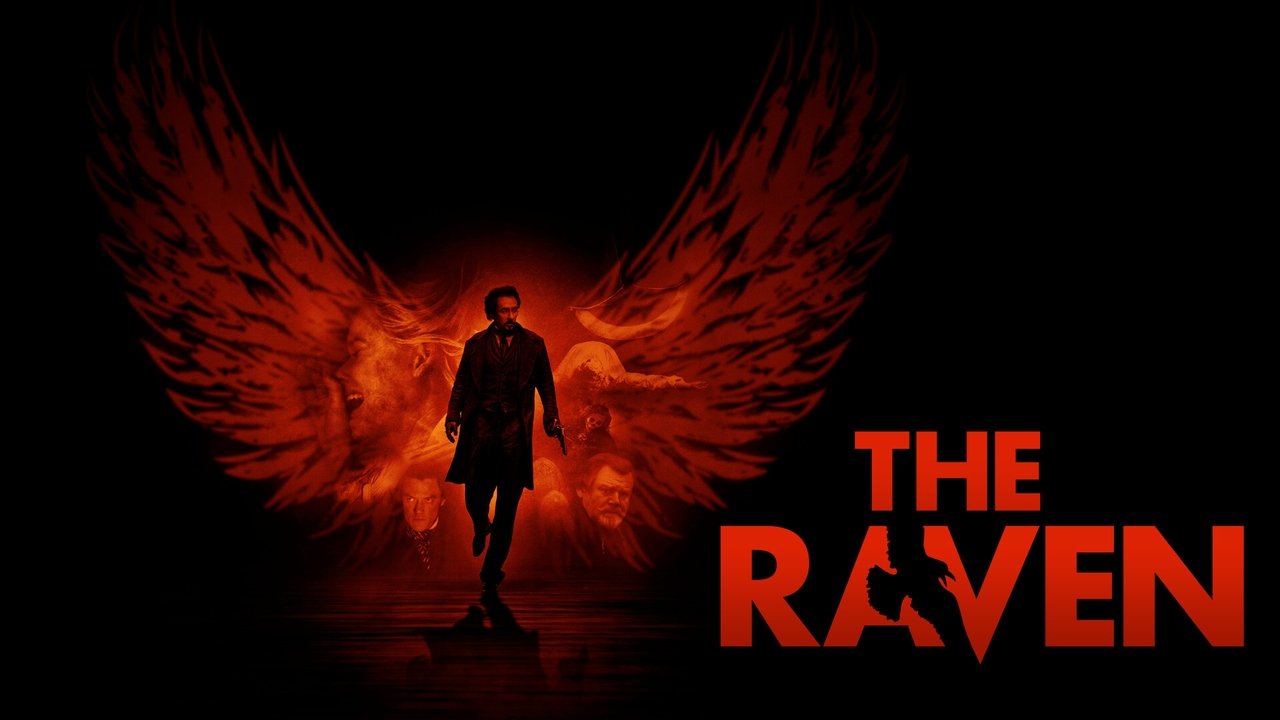
"The only one who can stop a serial killer is the man who inspired him."
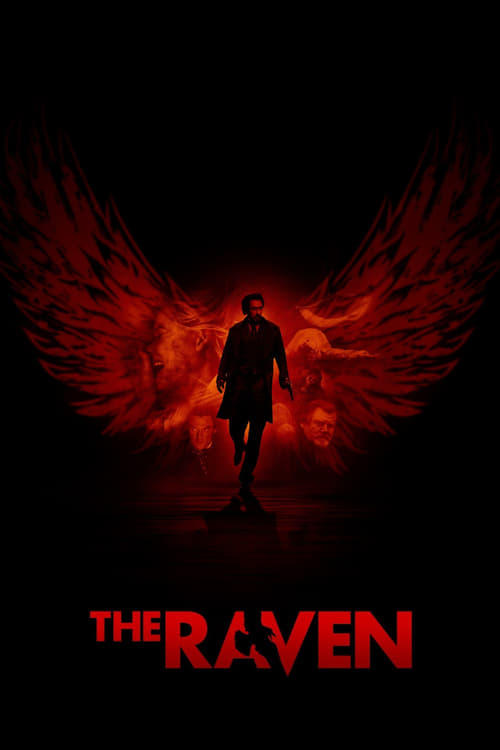
I remember watching this for the first time on a damp Tuesday afternoon while nursing a cup of Earl Grey that had gone stone cold—a fittingly dreary atmosphere for a movie about the King of Macabre. The Raven is one of those films that seems to have slipped through the cracks of the early 2010s, a period obsessed with "Revisionist History" where we turned Abraham Lincoln into a vampire hunter and Sherlock Holmes into a bare-knuckle boxer. In this version of the past, Edgar Allan Poe isn't just a tortured poet; he’s a forensic consultant in a race against a literary superfan.
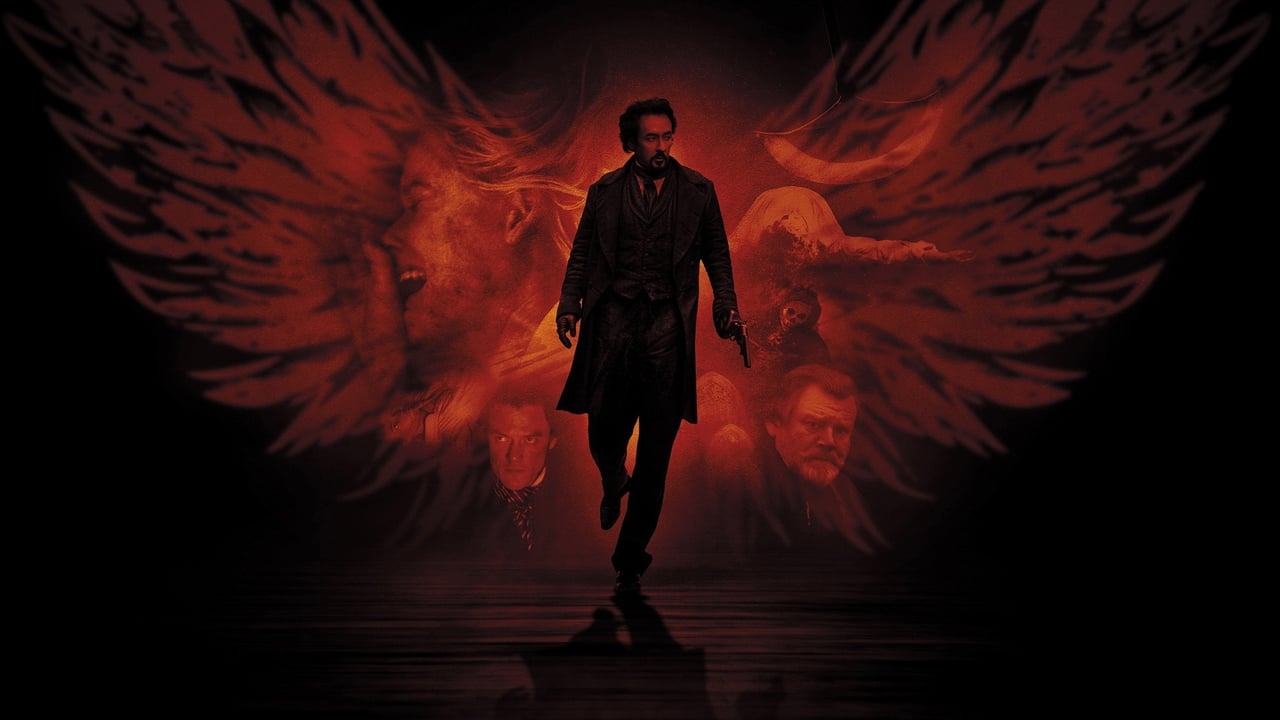
A Poet at the End of His Ink
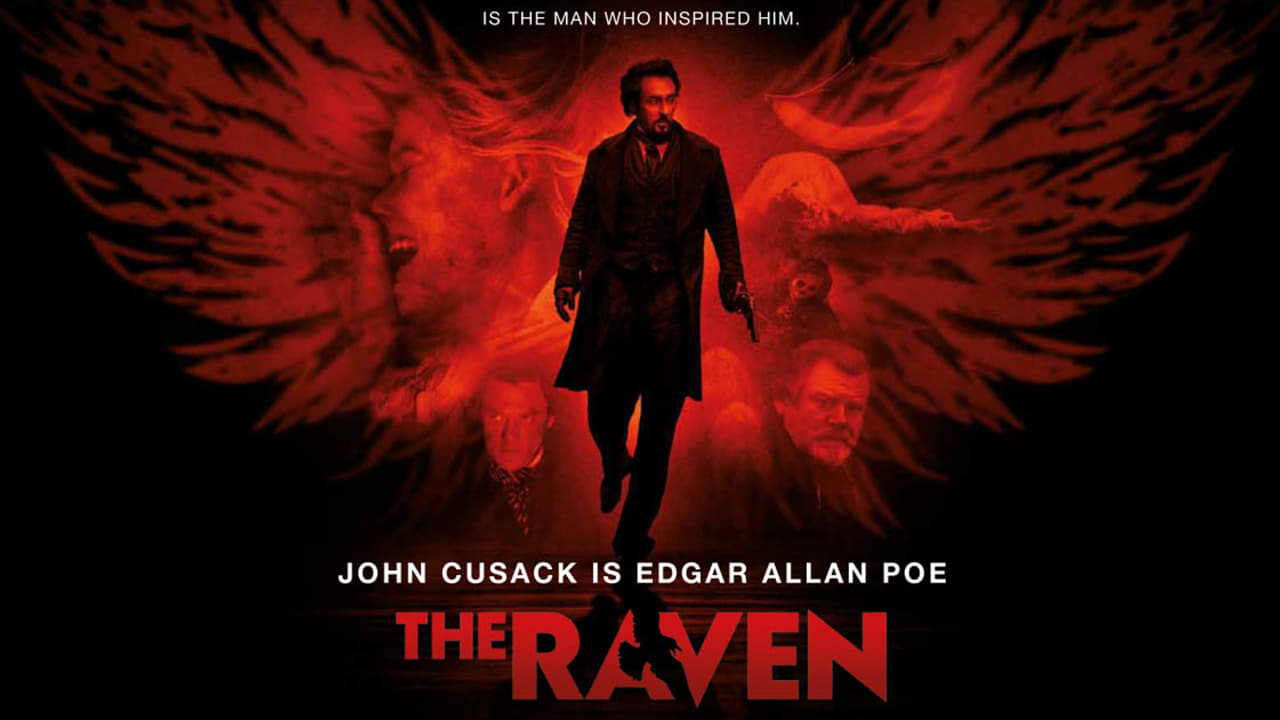
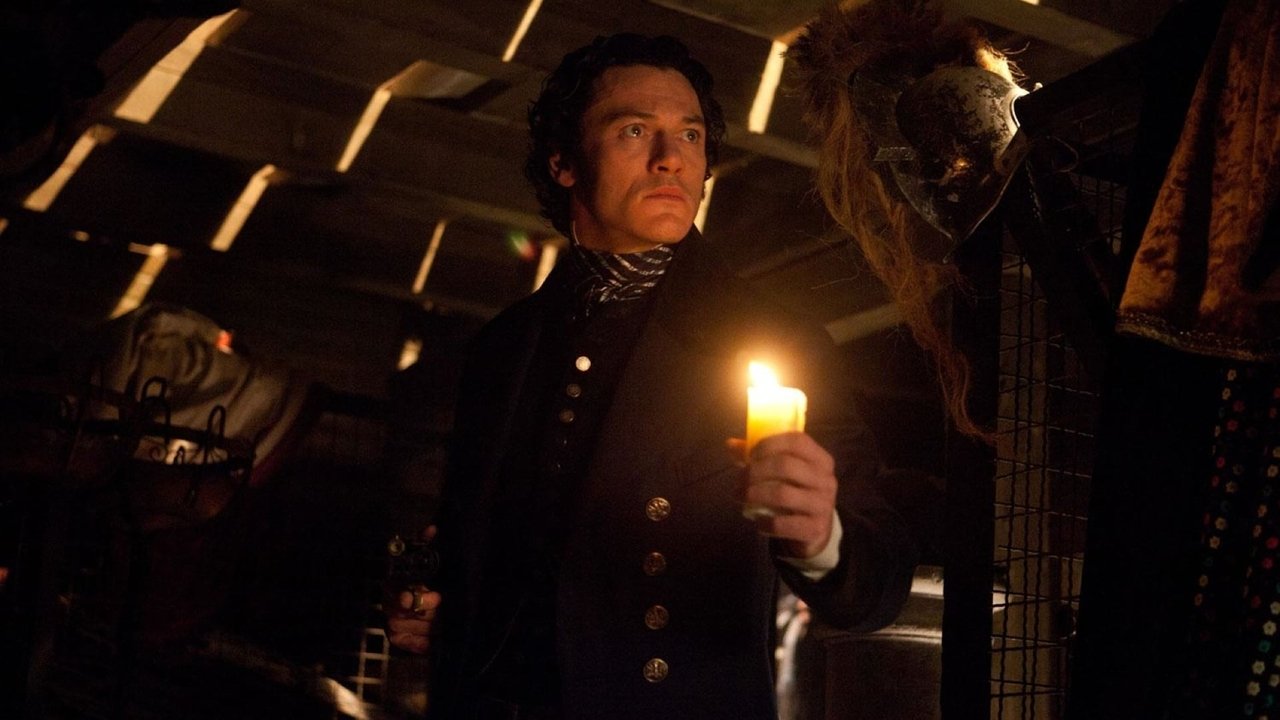
The film places us in Baltimore, 1849. John Cusack steps into the cloak of Edgar Allan Poe, and I have to say, it’s a fascinatingly weird piece of casting. Cusack—who I’ve loved since Say Anything (1989) and High Fidelity (2000)—plays Poe as if he’s one bad review away from joining a local garage band. He’s prickly, arrogant, and constantly thirsty, roaming the streets looking for a drink or a fight. When a series of murders begins to mimic the gruesome deaths in his stories—specifically "The Murders in the Rue Morgue"—Poe is drafted by Luke Evans’ Detective Fields to help get inside the killer's head.
The chemistry between Cusack and Evans is the engine that keeps this carriage moving. Luke Evans, who was just starting his rise in films like Clash of the Titans (2010) and later The Hobbit trilogy, plays the "straight man" detective with a stoic grace that balances out Cusack’s frantic energy. Then you have Brendan Gleeson (always a delight, whether in In Bruges or The Banshees of Inisherin) playing Colonel Hamilton, the disapproving father of Poe’s love interest, Emily, played by Alice Eve. It’s a solid ensemble that treats the somewhat absurd premise with more dignity than it probably deserves.
Gothic Style Meets 2010s Grime
Director James McTeigue, who gave us the iconic V for Vendetta (2005), brings a specific aesthetic here that screams "Modern Cinema Transition." By 2012, the industry was fully leaning into a desaturated, high-contrast digital look. The Baltimore of The Raven is perpetually foggy, grey, and slick with rain. It’s clearly trying to capture that Seven (1995) energy but within a Victorian setting.
I particularly appreciated the practical feel of the sets. While CGI was becoming the default for everything during this era, the production design here feels tactile. The recreation of the "Pit and the Pendulum" trap is a standout sequence—it’s gruesome, mechanical, and genuinely tense. The film treats the 'Pit and the Pendulum' sequence like a Saw trap designed by a librarian, and I mean that as a compliment. It captures that specific brand of 19th-century clockwork horror that Poe pioneered.
However, looking back, the film does suffer slightly from the "action-hero-ification" of historical figures. There are moments where Poe is sprinting through tunnels and engaging in gunfights that feel a bit disconnected from the man who wrote The Tell-Tale Heart. But if you can suspend your disbelief and treat it as a high-concept "Elseworlds" tale, it’s an entertaining ride.
Why It Vanished into the Shadows
So, why did The Raven disappear? Released in April 2012, it was caught in a bit of a dead zone. It wasn't quite "prestige" enough for the critics, and it wasn't quite "blockbuster" enough for the summer crowds. It actually earned only about $29 million against a $26 million budget—a narrow escape that usually leads to a quick trip to the bargain bin.
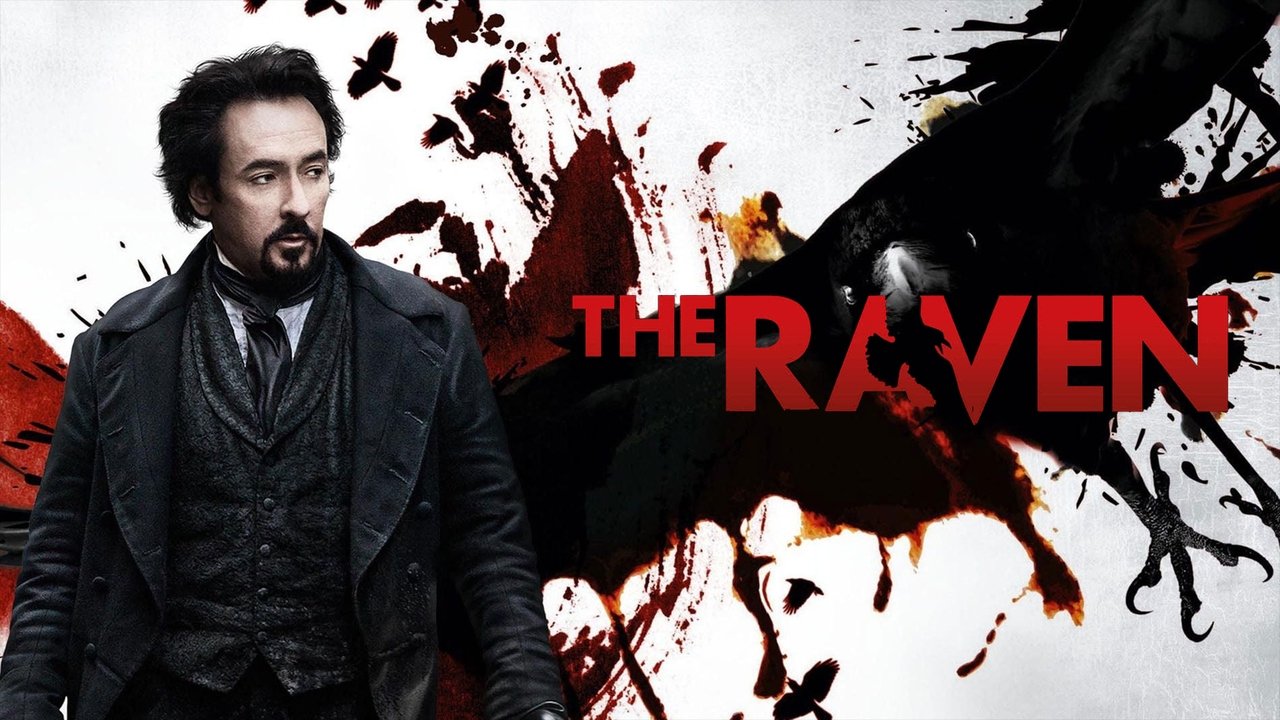
Another factor was the "Revisionist Fatigue" I mentioned earlier. By the time this hit theaters, audiences were starting to tire of the "What If [Historical Figure] was a badass?" trope. It’s a shame, because John Cusack really puts his heart into the performance. He captures the tragedy of a man who knows his best work is behind him and that his legacy is being twisted by a madman.
Interestingly, the film wasn't even shot in Baltimore. Because of budget and the need for a specific "old world" look, the crew headed to Budapest and Belgrade. Turns out, Eastern Europe does "19th-century gloom" better than modern Maryland. This was a common trend in the late 2000s and early 2010s—the "runaway production" era where mid-budget thrillers sought out the cobblestones of Hungary to save a buck.
Ultimately, The Raven is a moody, stylish thriller that works best if you’re a fan of the source material or if you just miss seeing John Cusack in leading roles. It’s not a masterpiece of cinema history, but it’s a perfectly enjoyable way to spend a rainy evening. It’s a film that asks very little of you other than to enjoy the fog, the blood, and the occasional quote from a classic poem. If you haven't seen it since its release—or if you missed it entirely during the 2012 shuffle—it’s worth a revisit for the atmosphere alone.
Keep Exploring...
-
Survivor
2015
-
Cleaner
2007
-
Untraceable
2008
-
The Losers
2010
-
Kill the Messenger
2014
-
Awake
2007
-
Perfect Stranger
2007
-

Pride and Glory
2008
-
Righteous Kill
2008
-

The International
2009
-
Edge of Darkness
2010
-
The Client
1994
-
Copycat
1995
-
Kiss the Girls
1997
-
Mindhunters
2004
-
Ninja Assassin
2009
-
Striking Distance
1993
-
Snake Eyes
1998
-
The General's Daughter
1999
-
Along Came a Spider
2001