The Tall Man
"The legend is a lie. The truth is much worse."
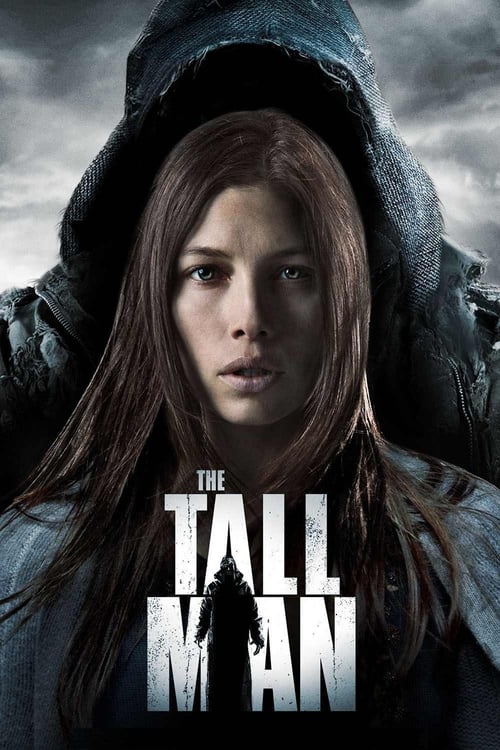
I remember walking into a rental shop in 2012—yes, they still existed in a sort of beautiful, terminal decline—and seeing the DVD cover for The Tall Man. It had Jessica Biel looking terrified and a shadowy, elongated figure in the background. I thought I knew exactly what I was getting: a low-rent Slender Man knock-off capitalizing on internet creepypasta. I watched it late that night while nursing a lukewarm cup of peppermint tea that tasted faintly of the dish soap I hadn't rinsed off the mug properly, and I have to tell you, I have never been more wrong about a movie’s intentions in my life.
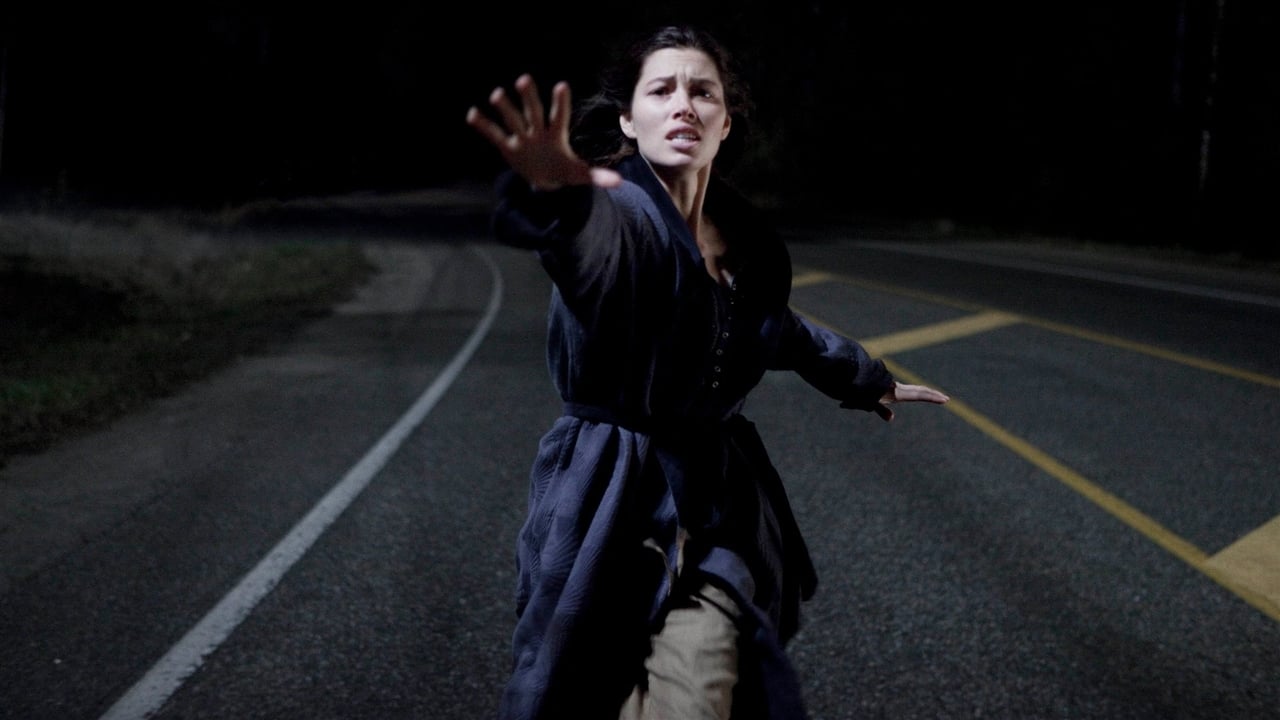
Directed by Pascal Laugier, the man who basically traumatized a generation of horror fans with the New French Extremity masterpiece Martyrs (2008), The Tall Man is a fascinating, frustrating, and deeply weird artifact of the early 2010s. It’s a film that hates its own marketing. It’s a horror movie that spends its second half trying to convince you it was never a horror movie at all, and that’s precisely why it vanished into the digital ether.
The Bait-and-Switch of the Decade
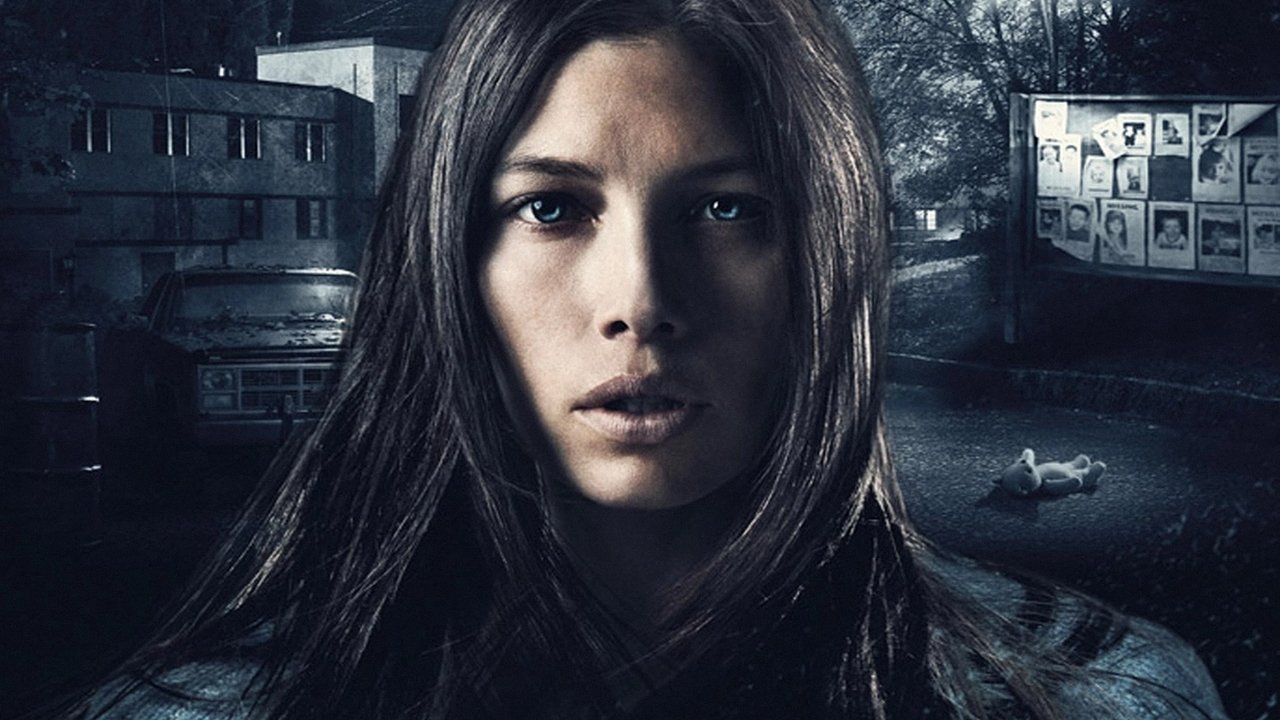
The setup is classic genre fodder. We’re in Cold Rock, Washington, a town so impoverished and desolate it makes the setting of Winter’s Bone look like a luxury resort. The local mine has closed, the houses are rotting, and—most disturbingly—the children are vanishing. The locals blame "The Tall Man," a legendary entity that supposedly snatches kids into the woods. Jessica Biel plays Julia, the town’s nurse and the widow of the local doctor. When her own son is taken in the middle of the night, she embarks on a frantic, bone-breaking chase to get him back.
For the first forty minutes, Laugier delivers a high-tension, expertly shot thriller. The cinematography by Kamal Derkaoui captures that damp, overcast Pacific Northwest gloom that was so prevalent in the Twilight era, but here it feels heavy and suffocating rather than romantic. But then, the movie pulls the rug out. Then it pulls the floorboards out. Then it reveals there is no house.
This movie is essentially a sociopolitical ethics debate disguised as a monster flick to trick people into paying for a ticket. It’s a bold move, and looking back, it’s no wonder audiences felt betrayed. In 2012, we were just starting to see "elevated horror" take root, but The Tall Man doesn't want to be elevated; it wants to be an intervention.
A Performance Against the Grain
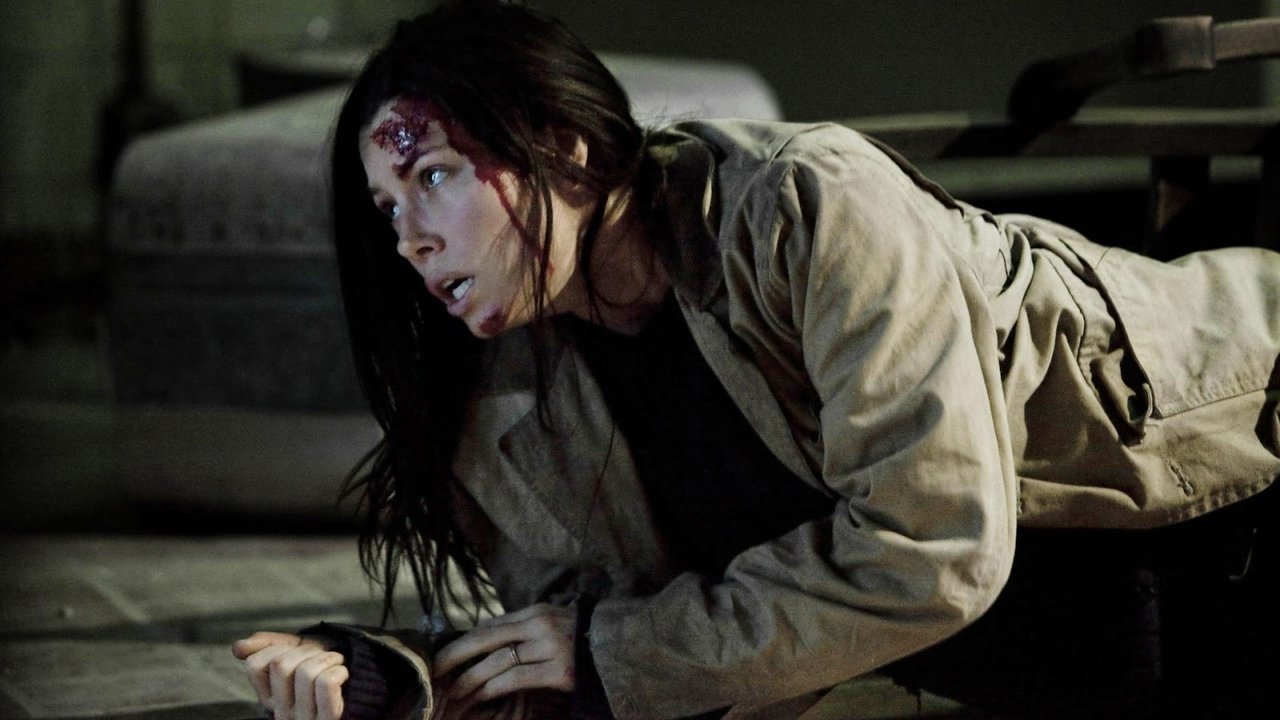
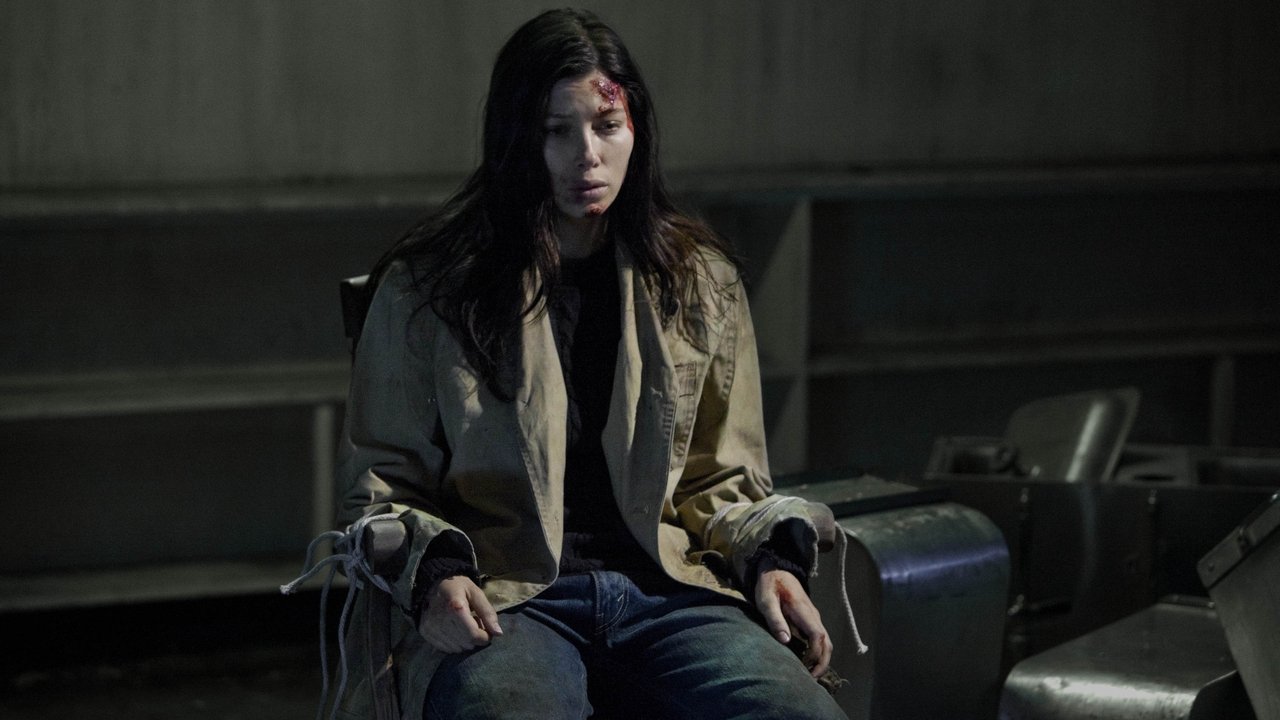
I’ve always felt that Jessica Biel didn't get the credit she deserved for her work in the early 2010s. Between this and the Texas Chainsaw Massacre (2003) remake, she proved she could handle intense, physical roles with a grounded vulnerability. In The Tall Man, she is put through the ringer. She’s bruised, bloody, and emotionally wrecked.
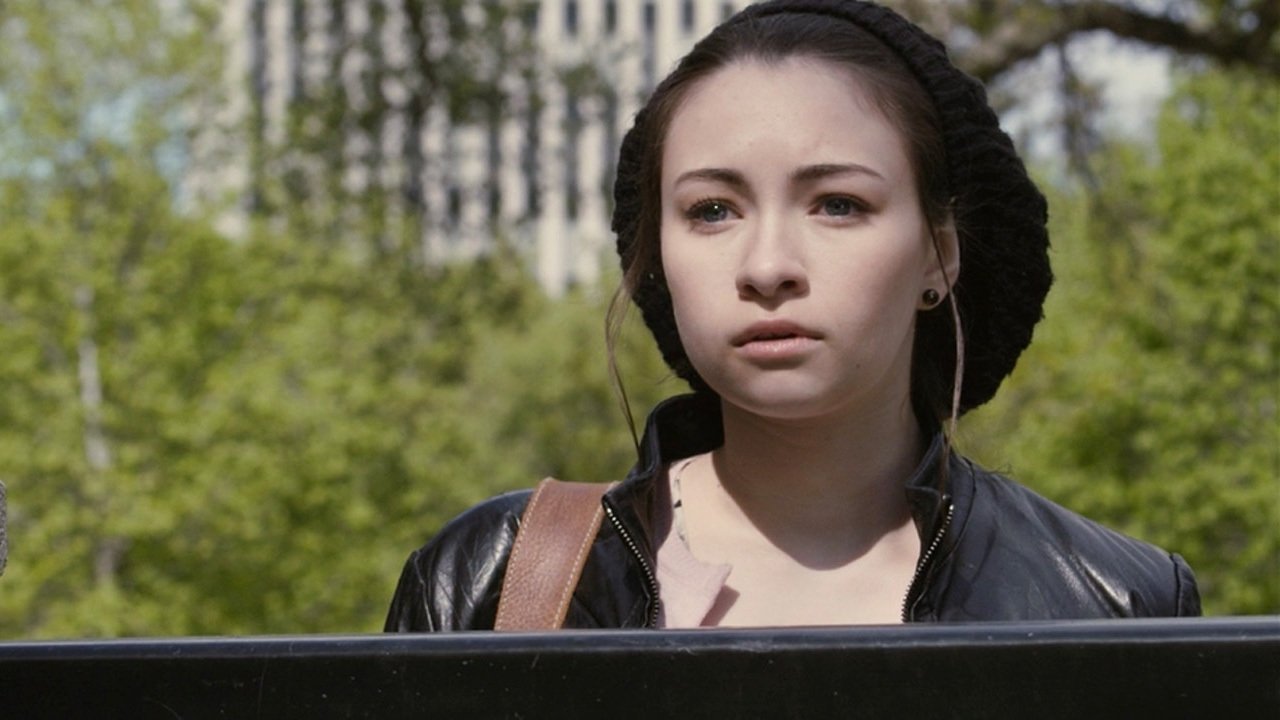
The supporting cast is a "who’s who" of "I know that face" actors. You’ve got Stephen McHattie (from the cult hit Pontypool) as the skeptical Lieutenant Dodd, and William B. Davis—the Cigarette Smoking Man himself from The X-Files—as the Sheriff. Even a young Jodelle Ferland, who was the go-to "creepy kid" after Silent Hill (2006), shows up to add some eerie weight to the proceedings.
The acting isn't the problem here; the problem is the tonal whiplash. Laugier is a provocateur by nature. He doesn't want you to be scared; he wants you to be complicit. Without spoiling the mid-film twist, I’ll just say that the movie asks a very uncomfortable question: Is it better for a child to grow up in a cycle of systemic poverty and abuse with their biological parents, or to be "stolen" into a life of wealth and opportunity? It’s a bleak, cynical premise that feels very much in line with the post-Recession anxieties of the time.
Why It Disappeared into the Woods
So, why haven't you heard of this? Well, it cost $18 million to make and earned back... almost nothing. It was a victim of its own identity crisis. The studio marketed it as a supernatural slasher, but the actual film is a somber drama about the failure of the American Dream. The marketing team basically catfished the entire horror community, and the community responded by ignoring the film’s existence.
Looking back from 2024, the film’s "twist" feels like a precursor to the kind of moral ambiguity we see in modern A24 films, but Laugier’s execution is much more jagged and confrontational. The score by Todd Bryanton is doing a lot of heavy lifting, trying to maintain a sense of dread even when the plot shifts into a courtroom-adjacent melodrama.
It’s a flawed film, certainly. The pacing in the final act slows to a crawl as characters explain the "why" of it all in lengthy monologues. But I still find myself thinking about it more than most of the polished, predictable horror that came out that same year. It has that raw, "director’s cut" energy that was often lost as studios moved toward the homogenized franchise building of the mid-2010s.
The Tall Man is a fascinating failure. It’s too smart for its own good and too grim to be a "fun" Friday night watch, but it’s a must-see for anyone interested in how genre tropes can be subverted—or completely dismantled. It captures a specific moment in indie filmmaking where the budget was high enough for polish, but the ideas were still dangerous enough to alienate the general public. Give it a look if you’re tired of predictable jump scares and want something that will make you argue with your TV screen during the credits. It’s not the movie you think it is, and for some, that’s the best kind of surprise.
Keep Exploring...
-

Silent Hill: Revelation 3D
2012
-
Untraceable
2008
-
The Ward
2010
-
Case 39
2009
-

The Invasion
2007
-

Stonehearst Asylum
2014
-

Time Lapse
2014
-

Stir of Echoes
1999
-

The Gift
2000
-
Inland Empire
2006
-
Passengers
2008
-

Red Riding Hood
2011
-
Martyrs
2008
-
What Lies Beneath
2000
-
Pandorum
2009
-

A Nightmare on Elm Street
2010
-
Devil
2010
-
Blindness
2008
-
The Possession
2012
-
After.Life
2009