The Vow
"True love is hard to remember."
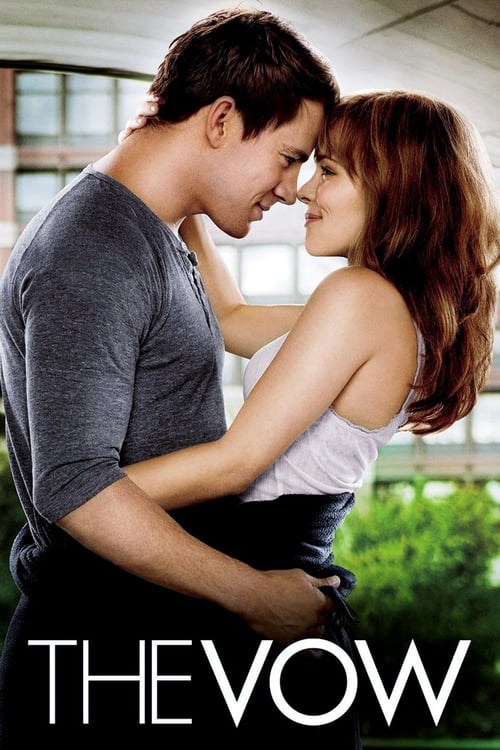
If you walked into a multiplex in early 2012, you were likely caught in a very specific cinematic crossfire. On one side, the Marvel Cinematic Universe was about to solidify its global hegemony with The Avengers. On the other, the mid-budget romantic drama—the kind of movie that actually relied on "star power" rather than "IP power"—was making a desperate, glittering stand. The Vow arrived right at that sweet spot, proving that if you put two of the most photogenic people on the planet in a tragic situation, audiences will show up with tissues in hand and wallets open. I watched this again recently while nursing a slightly burnt grilled cheese sandwich, and the extra crunch really underscored the literal car crash that kickstarts the first act.
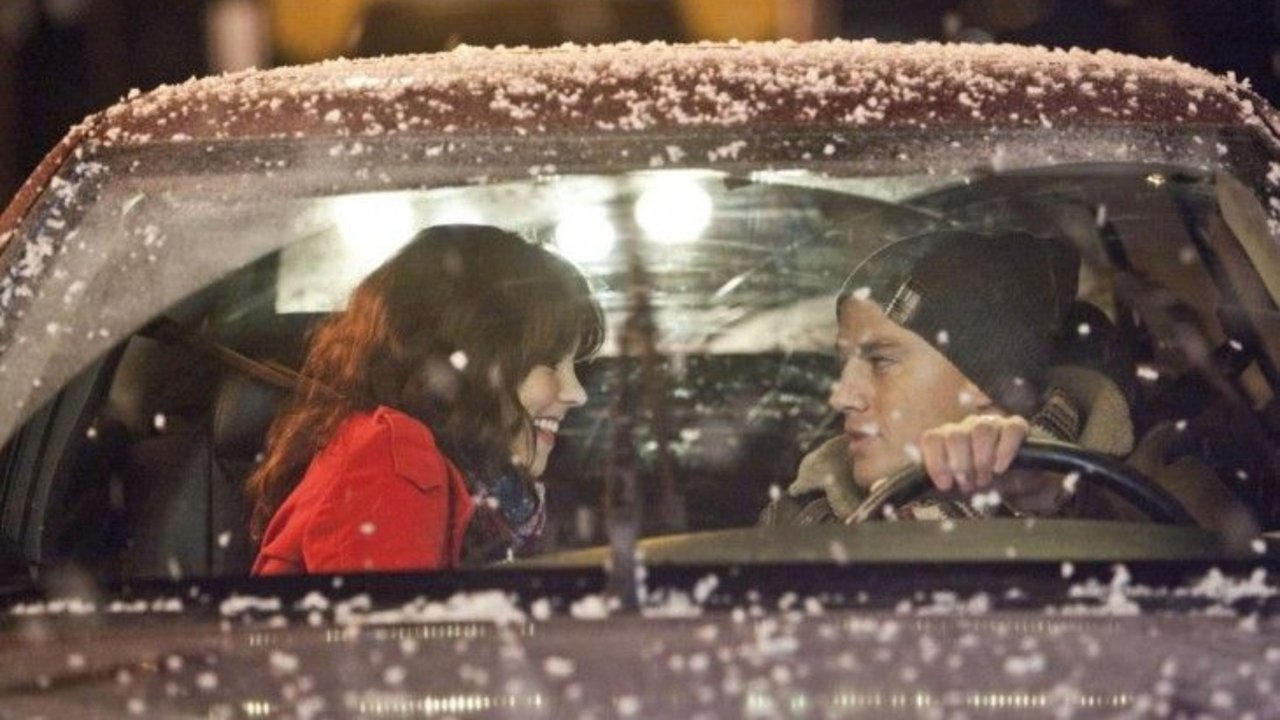
The Art of the Sensitive Hunk
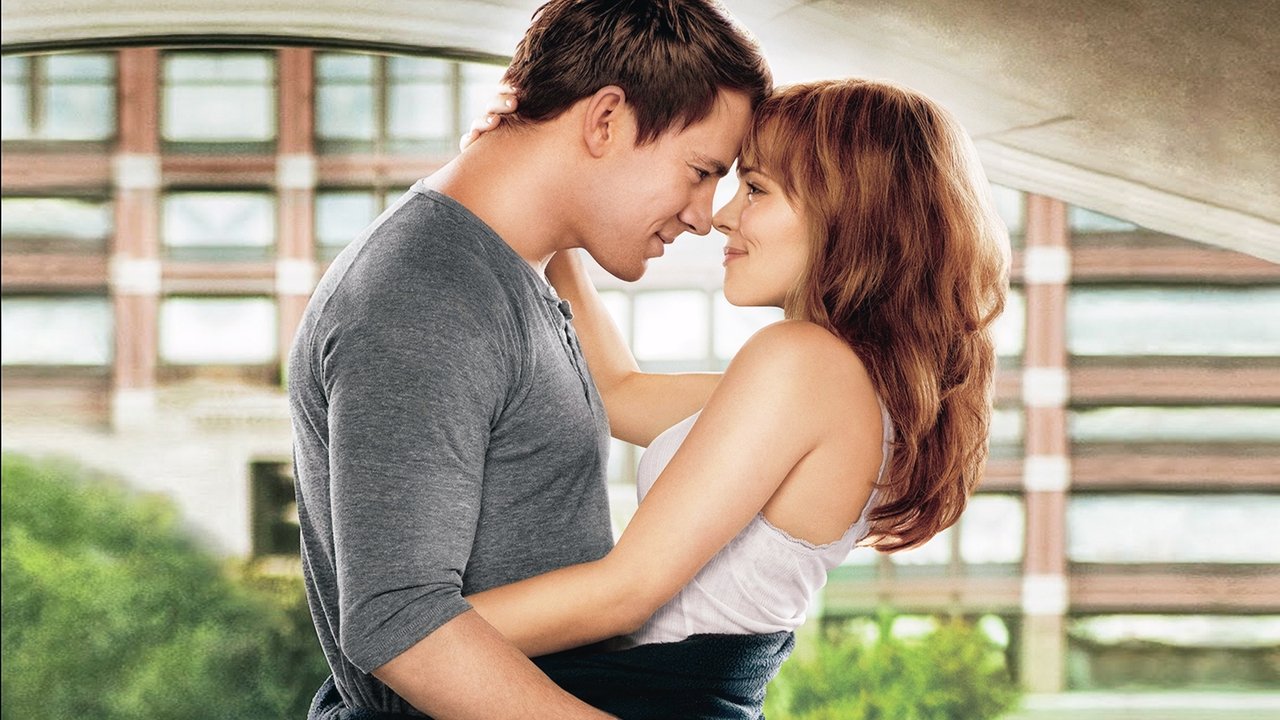
The film rests entirely on the shoulders of Channing Tatum and Rachel McAdams. In 2012, Tatum was in the middle of a massive career pivot. He was shaking off the "Step Up guy" label and proving he could actually lead a movie with genuine vulnerability. As Leo, he plays the "Sensitive Hunk" with a level of earnestness that is almost distracting. He’s a guy who owns a recording studio, wears artisanal flannels, and records his wedding vows on a legal pad. He’s essentially a golden retriever in a denim jacket, and his performance is the emotional anchor that keeps the movie from drifting into total Hallmark territory.
Opposite him is Rachel McAdams, the undisputed queen of the "time-displaced romance" subgenre. Between this, The Notebook, and About Time, she has cornered the market on looking luminous while confused about what year it is. As Paige, she has the difficult task of playing a woman who has forgotten the most interesting version of herself. When she wakes up from her coma, she doesn't just lose Leo; she loses her identity as a bohemian sculptor in Chicago and reverts to a preppy, law-school-bound suburbanite. The chemistry between them is palpable, but it’s a lopsided affair because she’s essentially falling in love with a stranger who claims to be her husband.
High Society vs. Hipster Chic
The conflict in The Vow isn’t just about memory; it’s a class war disguised as a medical drama. When Paige’s memory resets to five years prior, she is suddenly reunited with her estranged, wealthy parents, played by Sam Neill (fresh-ish from the Jurassic Park era but leaning into "disapproving father" territory) and Jessica Lange. Seeing Lange and Neill together is a treat for any film nerd, but the script by Jason Katims and Marc Silverstein uses them as the "villains" of the piece—the people who want to pull Paige back into a world of country clubs and pastel sweaters.
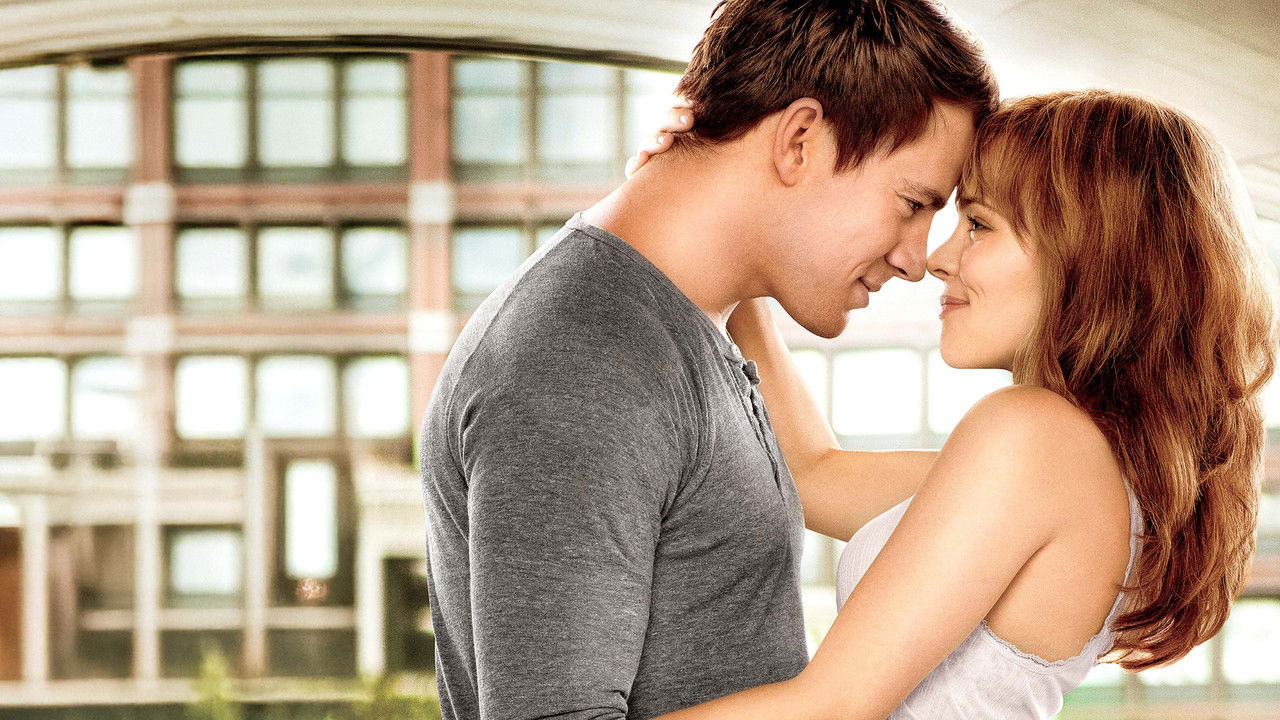
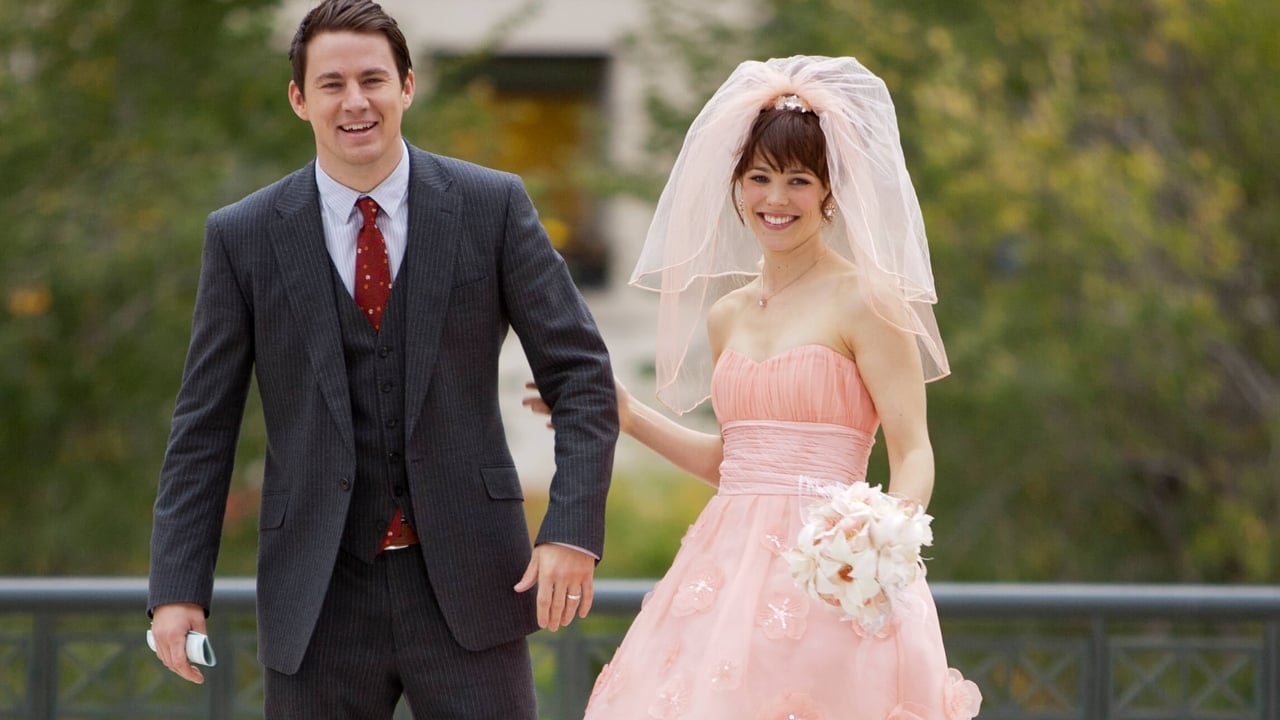
Then there’s the "other man," Jeremy, played by Scott Speedman. In the logic of 2012 romances, Speedman is perfectly cast as the guy who is objectively handsome but just corporate enough to be the wrong choice. The movie does a decent job of showing how tempting it would be to go back to a "simpler" life when your current reality is a blank slate. However, the film’s portrayal of the "artistic" lifestyle in Chicago feels very much of its era—lots of exposed brick, Record Store Day vibes, and a wedding at the Art Institute of Chicago that feels like it was ripped straight from a Pinterest board.
A Time Capsule of the Mid-Budget Hit
Looking back, The Vow is a fascinating example of a blockbuster that didn’t need capes or explosions. Produced by Screen Gems and Spyglass Entertainment for a modest $30 million, it went on to gross nearly $200 million worldwide. This was the peak of the "Inspired by a True Story" marketing machine. The real-life inspiration—the story of Kim and Krickitt Carpenter—was actually far more focused on their religious faith, a detail the film largely stripped away to make it more palatable for a broad, secular audience.
Director Michael Sucsy (who did the excellent Grey Gardens for HBO) keeps the visuals clean and the pacing brisk. It’s interesting to see a pre-fame Tatiana Maslany in a supporting role as Lily, years before she would become a household name in Orphan Black. The film also captures that weird digital-analog transition of the early 2010s; Leo is trying to save his recording studio in an era where the music industry was already collapsing, and people are still using flip phones alongside early smartphones. It’s basically a high-budget soap opera with better lighting, but it works because it doesn't apologize for what it is.
The most refreshing thing about The Vow, and the reason it lingers more than other films of its ilk, is the ending. (Slight spoiler territory here: skip to the rating if you want to remain pure!) It avoids the cliché of the magical "lightbulb" moment where her memory suddenly floods back. Instead, it deals with the harsh reality that some things are just gone. It’s a mature choice for a movie that otherwise feels quite sugary. It suggests that you can't go back to the way things were, but you can choose to start over. In an era of endless sequels and franchises that refuse to let things end, there’s something quite poignant about a movie that accepts loss as a permanent state.
The Vow isn’t high art, and it certainly won't change your life, but it’s an incredibly effective piece of commercial filmmaking. It capitalizes on the undeniable charms of its leads and a premise that taps into our universal fear of being forgotten. While some of the dialogue feels a bit "screenwriter-y" and the class dynamics are a bit one-dimensional, it earns its emotional beats. If you’re looking for a reminder of the days when a simple romantic drama could rule the box office, this is a solid choice for a rainy Sunday afternoon.
Popcornizer Trivia: The Success Story
- Huge Returns: With a $30 million budget, The Vow shattered expectations by opening at #1 with $41.2 million, eventually grossing $196 million worldwide. - Screen Gems Record: For a long time, it held the record as the highest-grossing film ever released by Screen Gems, a studio usually known for the Resident Evil franchise. - The Real Couple: The real-life Kim and Krickitt Carpenter made a cameo in the film during the final scene in the cafe, though most viewers missed them. - Casting Choice: Channing Tatum was so popular at the time that the studio reportedly moved the release date to Valentine's Day weekend specifically to capitalize on his "heartthrob" status, a move that paid off massively. - Music Industry Vibe: The recording studio scenes were filmed in a real studio to maintain an authentic 2012 indie-rock aesthetic, though Leo's "struggling artist" lifestyle still looks suspiciously expensive.
Keep Exploring...
-
He's Just Not That Into You
2009
-
Step Up 2: The Streets
2008
-

Dear John
2010
-
Morning Glory
2010
-
Juno
2007
-
Knocked Up
2007
-
P.S. I Love You
2007
-

Forgetting Sarah Marshall
2008
-

High School Musical 3: Senior Year
2008
-
The Reader
2008
-
Twilight
2008
-

17 Again
2009
-
Hannah Montana: The Movie
2009
-
The Proposal
2009
-

Up in the Air
2009
-
Love & Other Drugs
2010
-
Step Up 3D
2010
-
Water for Elephants
2011
-
Silver Linings Playbook
2012
-

Step Up Revolution
2012