The Woman in Black
"She never forgets. She never forgives. She never leaves."
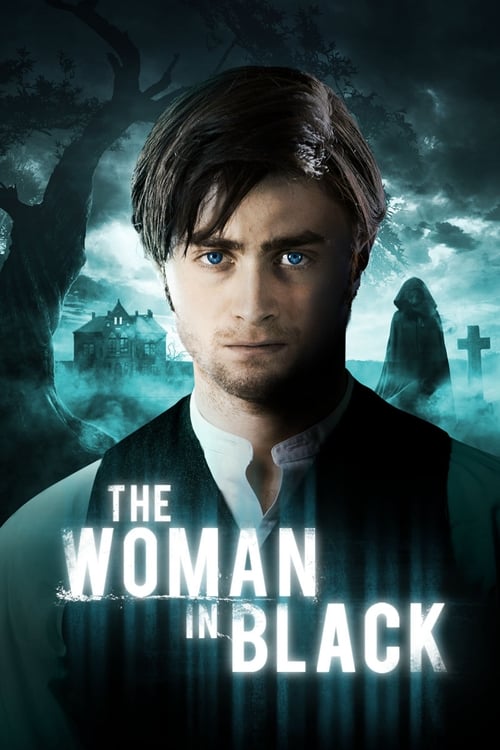
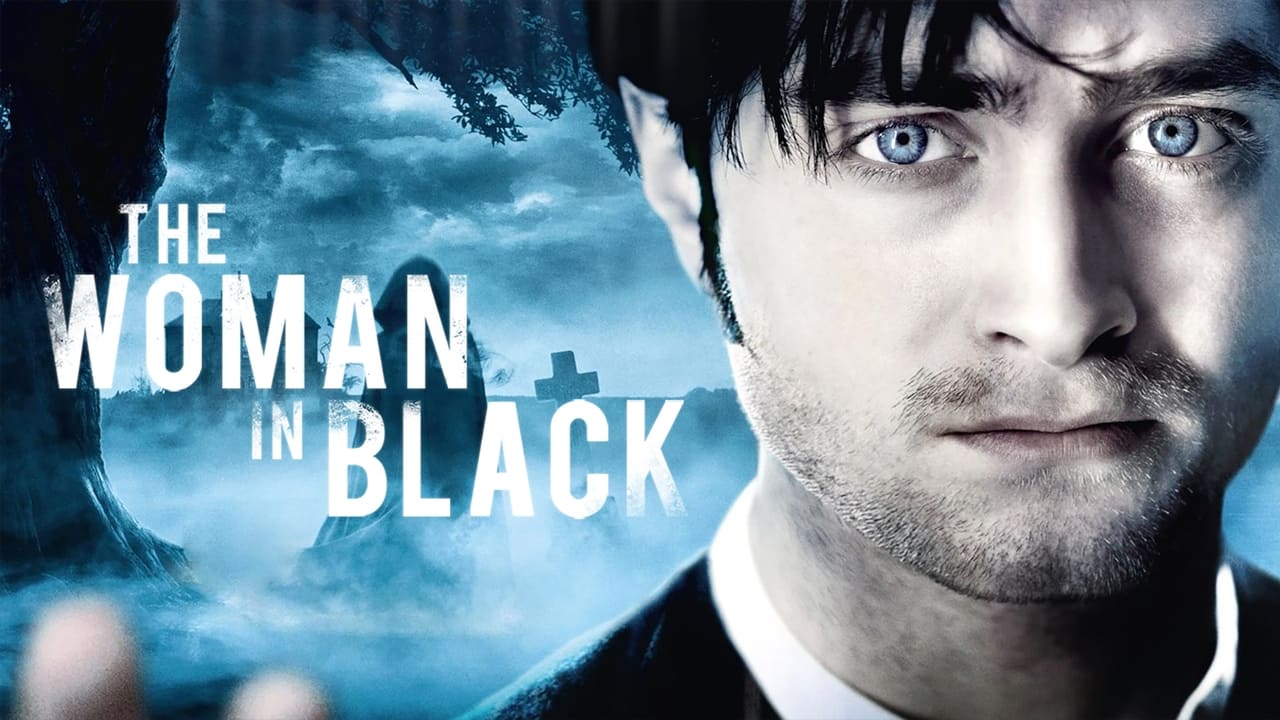
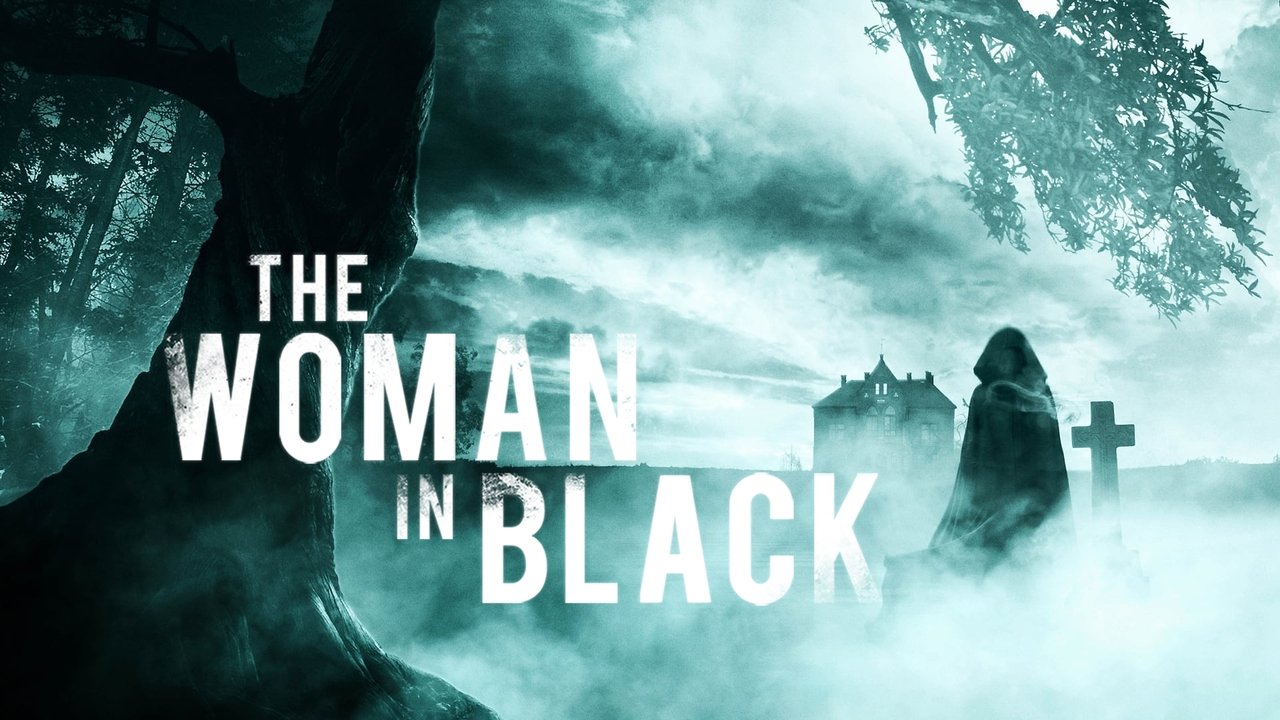
The image of three little girls calmly setting down their tea dolls and walking out of a second-story window is not something you easily scrub from your brain. It’s the opening gambit of The Woman in Black, and it signals exactly what kind of ride you’re in for. This isn't a "fun" horror movie where you cheer for the slasher; it’s a heavy, damp, Victorian funeral shroud of a film that proved Hammer Horror wasn't just a relic of the mid-century.
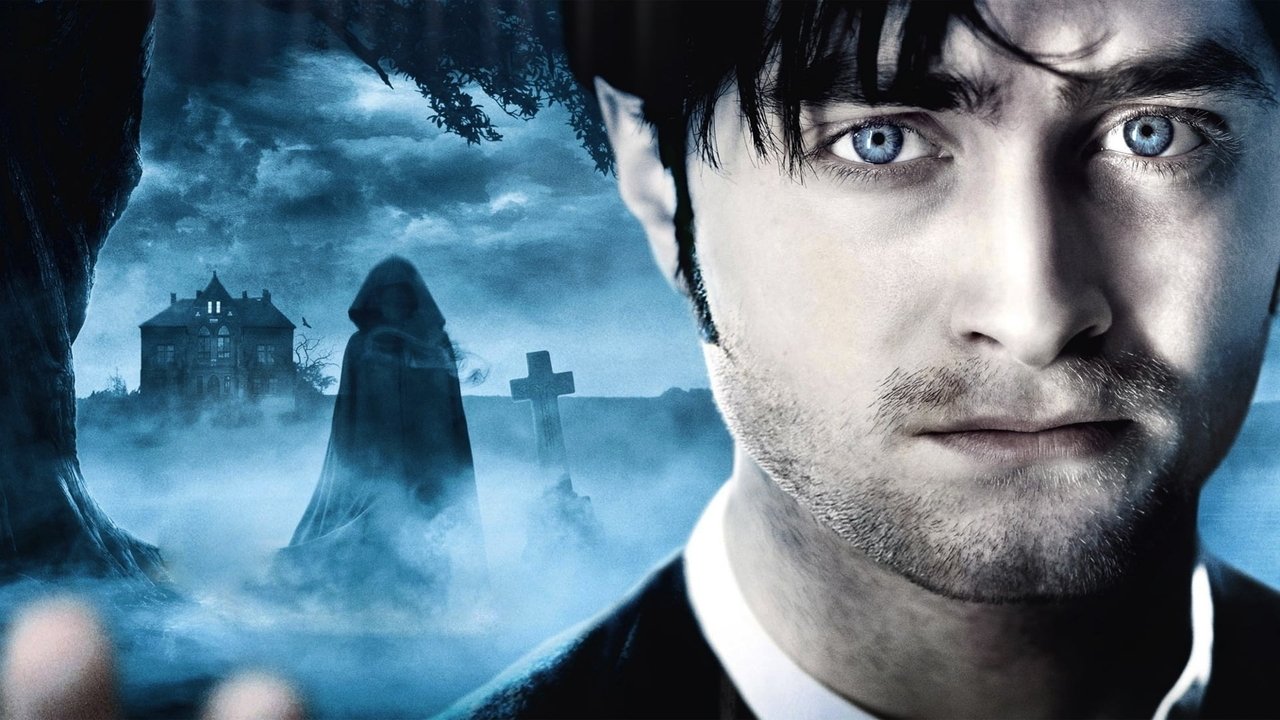
I remember watching this for the first time on a flight to London, crammed into a middle seat next to a guy who was aggressively snoring. You’d think the hum of a Boeing 747 would kill the mood, but the film’s oppressive grey palette managed to turn my tiny seat into a claustrophobic corner of the English marshlands. By the time the first face appeared in the window, I was ready to ask for a sedative.
A Wizard Goes to Work
In 2012, the biggest question in cinema wasn't "Who is the next Avenger?" but "What does Daniel Radcliffe do now that he’s finished with Hogwarts?" He chose Arthur Kipps, a grieving widower and struggling lawyer who looks like he’s wearing his dad’s suit to a funeral he wasn't invited to. It was a gutsy move. Arthur isn't a hero; he’s a man so hollowed out by the death of his wife that he’s practically a ghost himself before he even steps foot on a train.
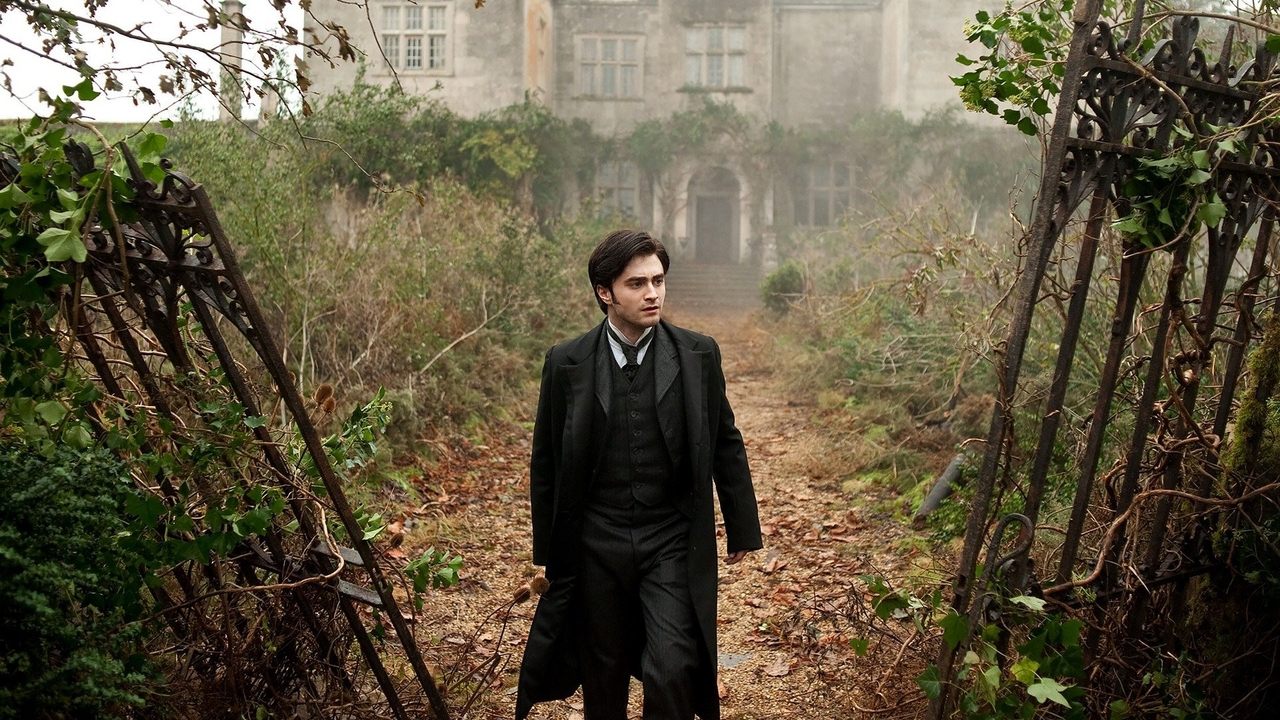
Radcliffe does a lot of heavy lifting here with very little dialogue. He spends a solid thirty minutes of the runtime just walking through the cavernous, rotting rooms of Eel Marsh House with a candle, looking increasingly like a man who has made several very poor life choices. Beside him, we get the legendary Ciarán Hinds as Mr. Daily, the only local with enough common sense to own a car and a healthy skepticism of the supernatural. Hinds provides the grounded, human element the movie needs so it doesn't just float away into a cloud of Gothic cliches.
Hammer’s Grand Resurrection
For those who don't know their horror history, Hammer Film Productions was the studio that defined British horror in the 50s and 60s with those lush, blood-red Technicolor Dracula and Frankenstein movies. After decades of dormancy, this was their big, loud "we're back" moment. And they didn't do it with a low-budget slasher; they did it with a $32 million Gothic blockbuster that eventually raked in a staggering $129 million worldwide.
Director James Watkins and screenwriter Jane Goldman (who has a knack for making genre material feel smarter than it has any right to be) understood that in 2012, audiences were getting tired of the "torture porn" trend of the 2000s. They pivoted back to the "Old Dark House" tropes, but polished them with modern digital techniques. The CGI is used sparingly—mostly to enhance the suffocating sea mist and the ghostly apparitions—but the real star is the production design. Eel Marsh House feels like it’s actually breathing. It’s filled with clockwork toys that look like they were designed by Victorian demons, and the way the house is cut off from the mainland by the tide creates a ticking-clock tension that never lets up.
The Anatomy of a Jump Scare
Let’s be honest: The Woman in Black is a jump-scare delivery system. Some critics at the time felt it was a bit "cheap," but I’d argue that the scares are earned through sheer atmosphere. There is a sequence involving a rocking chair in a nursery that is a masterclass in tension. Watkins holds the shot just a second longer than you want him to, forcing your eyes to scan every shadow in the corner of the frame.
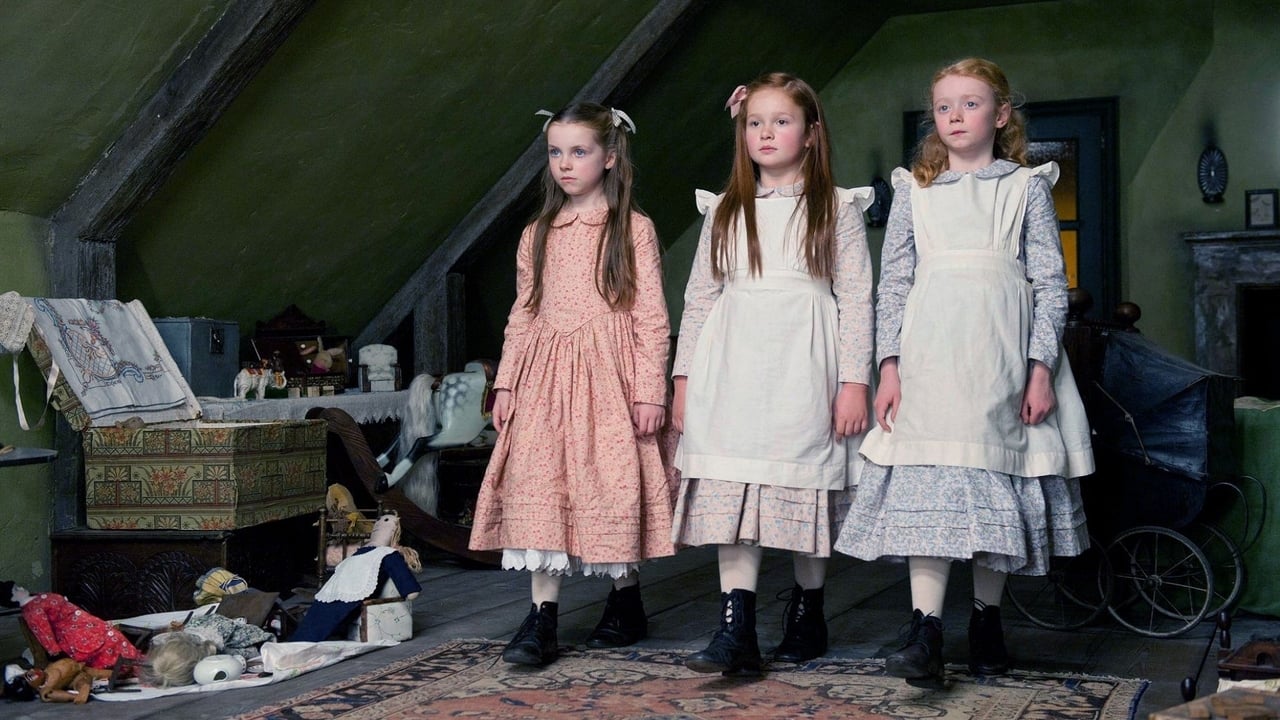
It’s also worth noting how much this film pushed the limits of its rating. In the UK, it became the most complained-about film of the year at the BBFC because parents thought a PG-13 (12A) rating was too light for a movie where children are systematically lured to their deaths. Looking back, that controversy probably helped its box office. There’s a certain thrill to a "family-friendly" star like Radcliffe being dropped into a movie this genuinely mean-spirited.
The film captured that early 2010s shift where horror started taking itself seriously again. It paved the way for the "Prestige Horror" we see today, proving that you could have a massive commercial hit that was also a somber meditation on how grief can literally haunt a community. It isn't a perfect film—the ending is polarizing, and the pacing in the middle act is as slow as the rising tide—but as a piece of atmospheric dread, it’s remarkably effective.
The Woman in Black remains one of the best "gateway" horror films of the modern era. It’s spooky enough to rattle veteran fans but accessible enough for someone who just wants to see what the Boy Who Lived did next. It's a beautifully shot, relentlessly grim ghost story that understands that sometimes, the scariest thing isn't the monster in the basement, but the realization that some tragedies can't be fixed, no matter how hard you try to bury them.
Keep Exploring...
-

Eden Lake
2008
-
The Rite
2011
-
The Exorcism of Emily Rose
2005
-
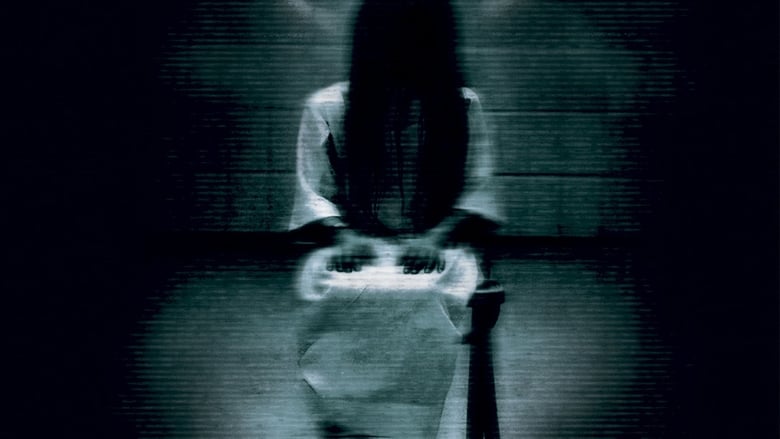
The Ring Two
2005
-
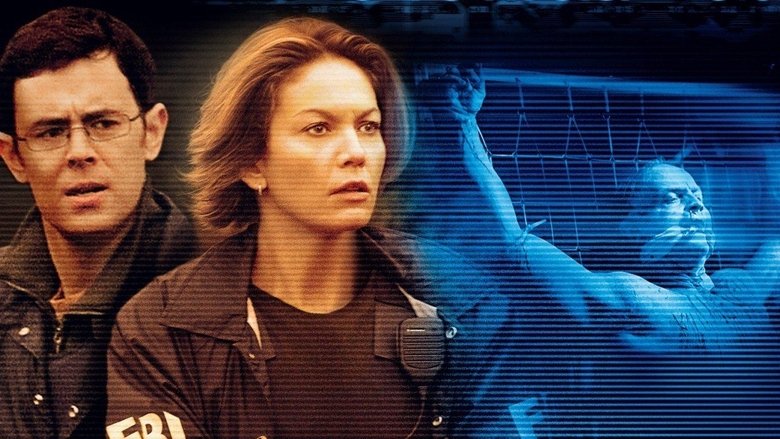
Untraceable
2008
-
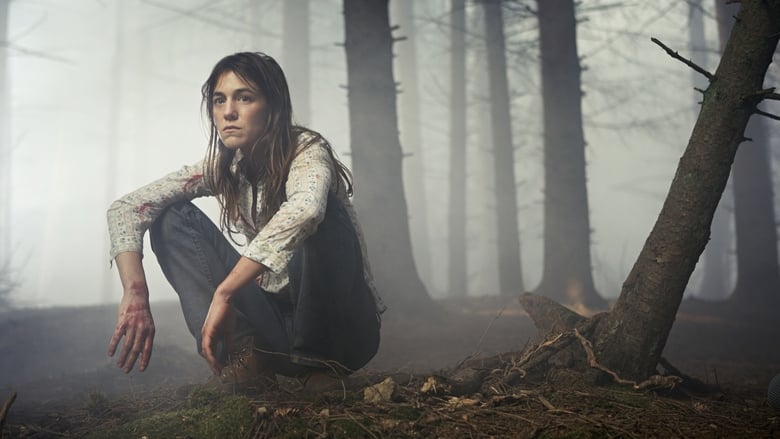
Antichrist
2009
-
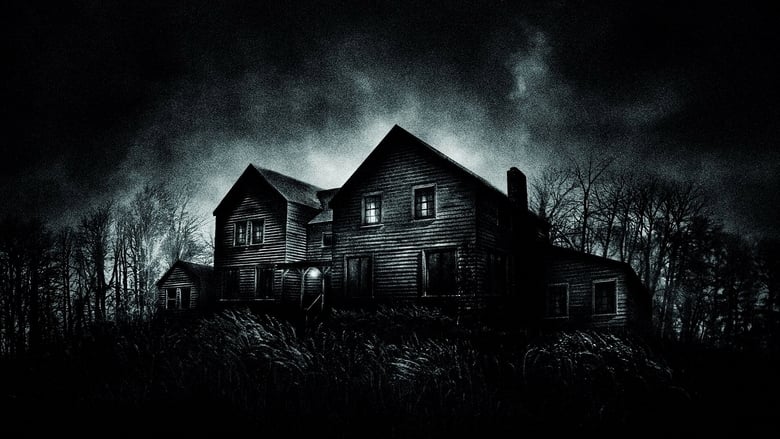
The Last House on the Left
2009
-
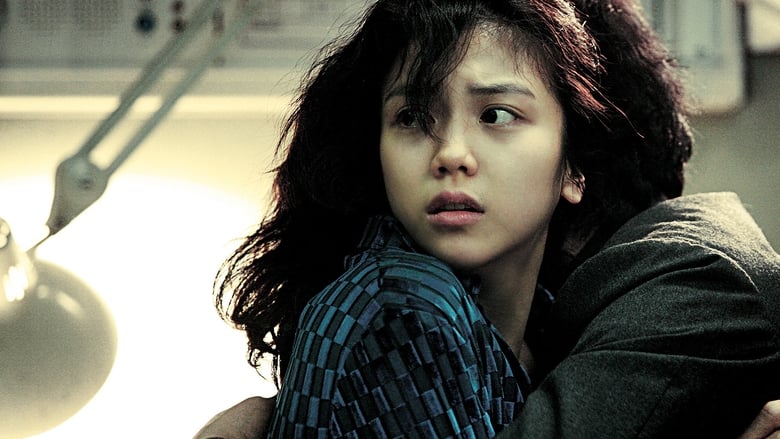
Thirst
2009
-
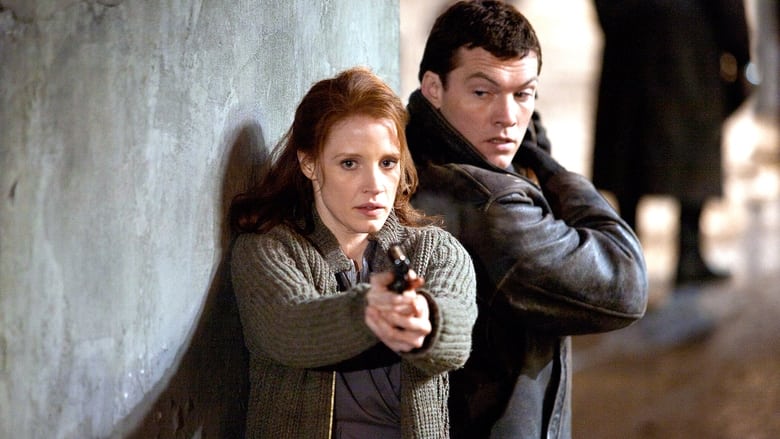
The Debt
2010
-

Red Riding Hood
2011
-
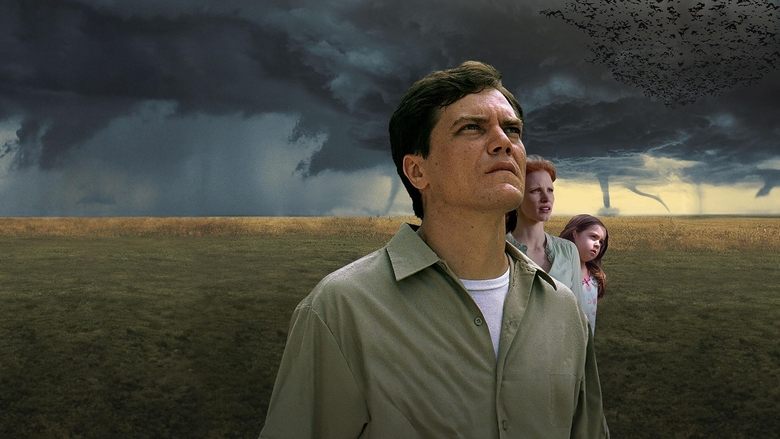
Take Shelter
2011
-
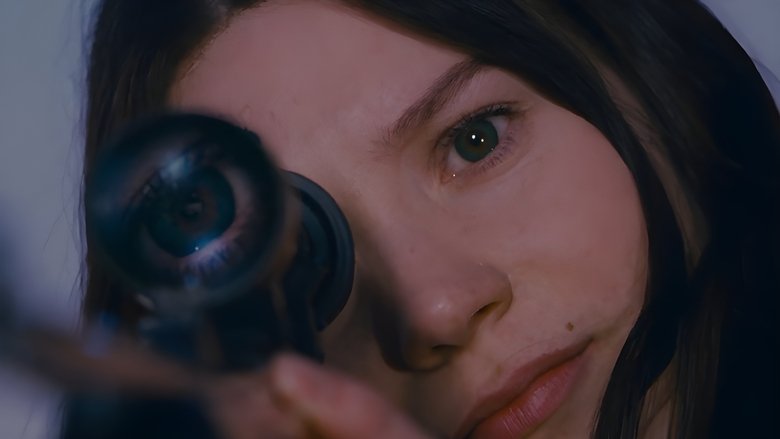
Stoker
2013
-

Black Swan
2010
-
Kill Your Darlings
2013
-
After.Life
2009
-
Carriers
2009
-
Disturbia
2007
-
Hitman
2007
-
Saw IV
2007
-

Saw V
2008