The Words
"Success is easy when the work isn't yours."
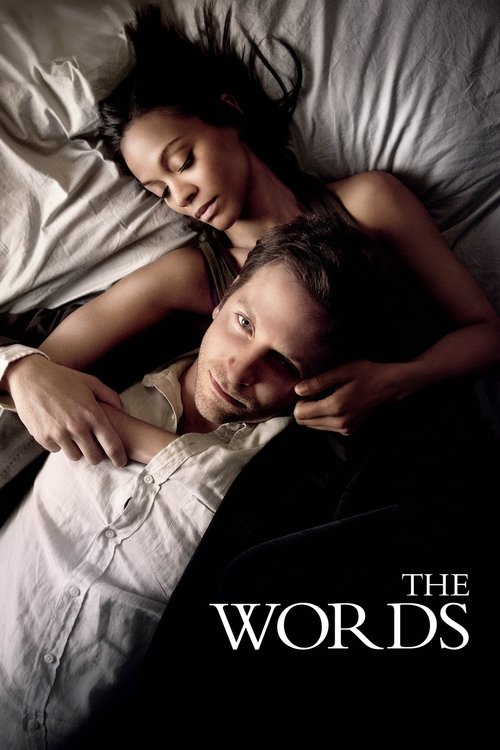
There is something inherently romantic about finding a lost manuscript in a vintage leather briefcase tucked away in a Parisian antique shop. It’s the kind of writer’s fantasy that usually ends with a Pulitzer and a glass of expensive scotch, but in The Words, it’s the catalyst for a slow-motion moral car crash. Released in 2012, this is a film that feels like a relic from a very specific window in Hollywood history—the "literary thriller" era where we still believed people actually bought hardback novels in quantities large enough to fund a Brooklyn loft.
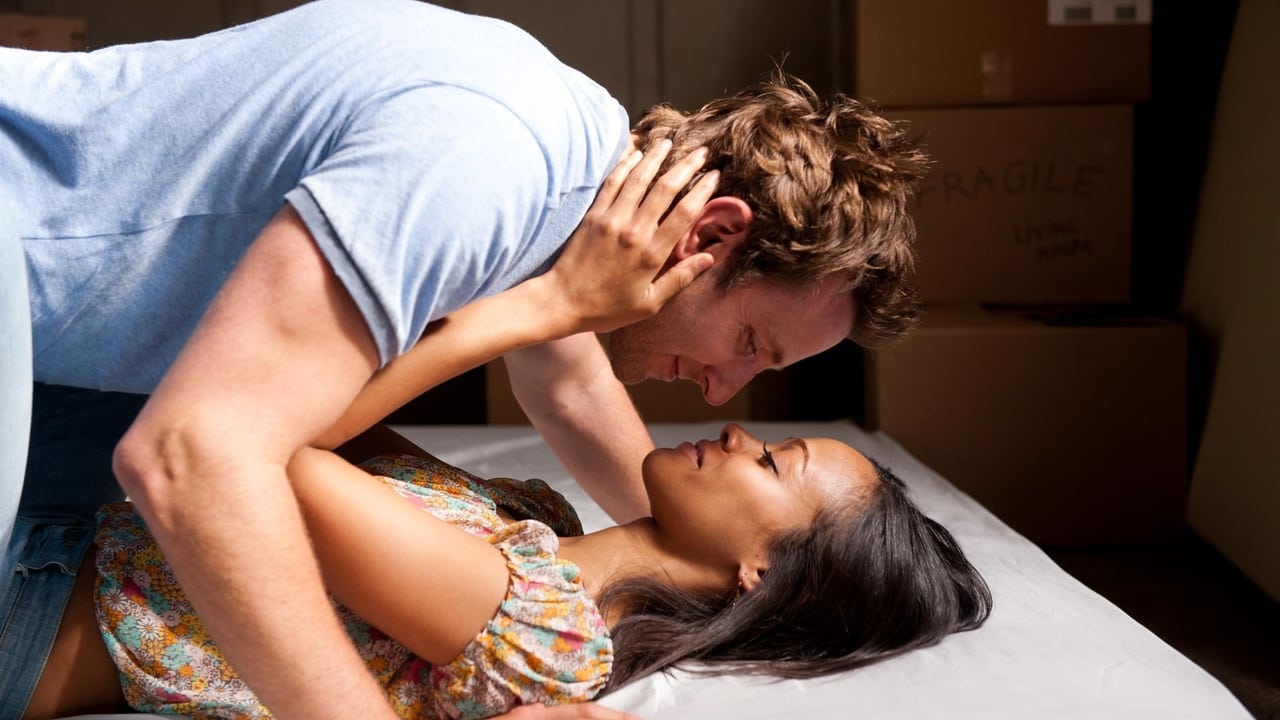
I watched this on a rainy Tuesday while wearing a pair of wool socks with a hole in the left toe, which felt strangely appropriate for a movie about hidden flaws and the things we try to patch over with aesthetic charm. The Words is a Russian doll of a movie, offering three layers of storytelling that try to deconstruct the weight of creative theft. While it doesn't always stick the landing, there’s a sincerity here that I find missing in a lot of today’s more cynical, algorithm-driven dramas.
A Matryoshka Doll of Regret
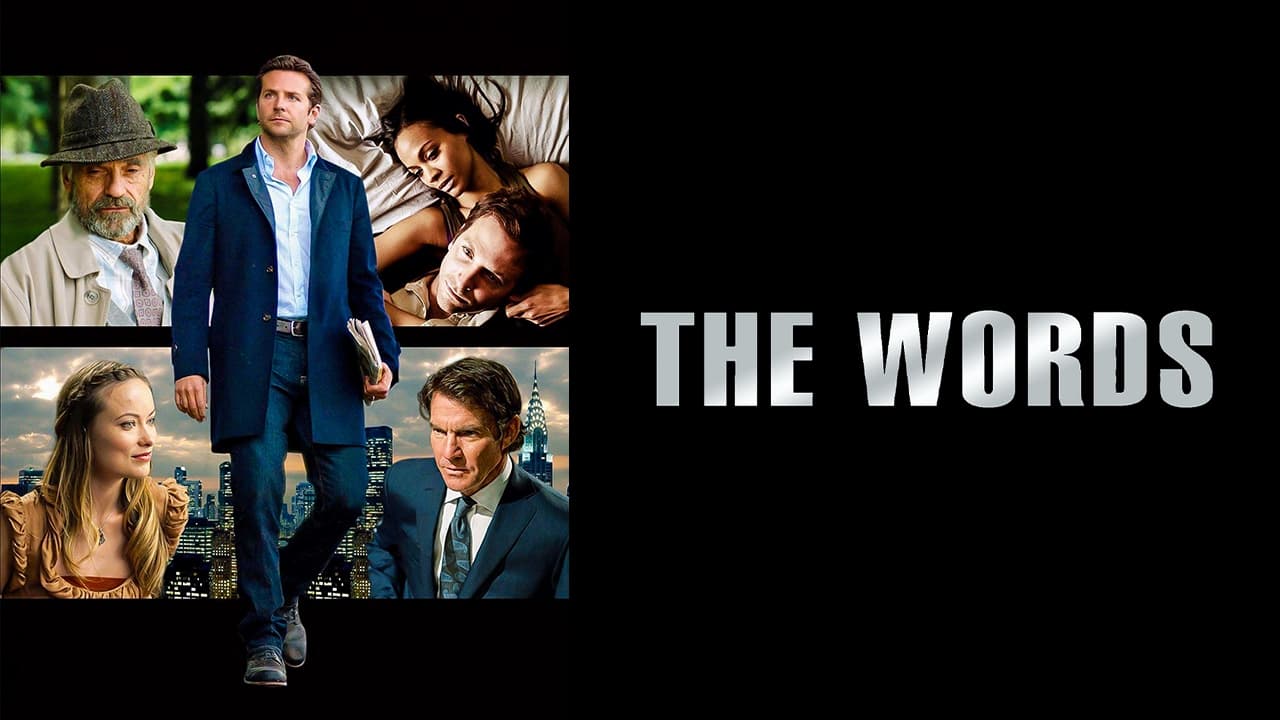
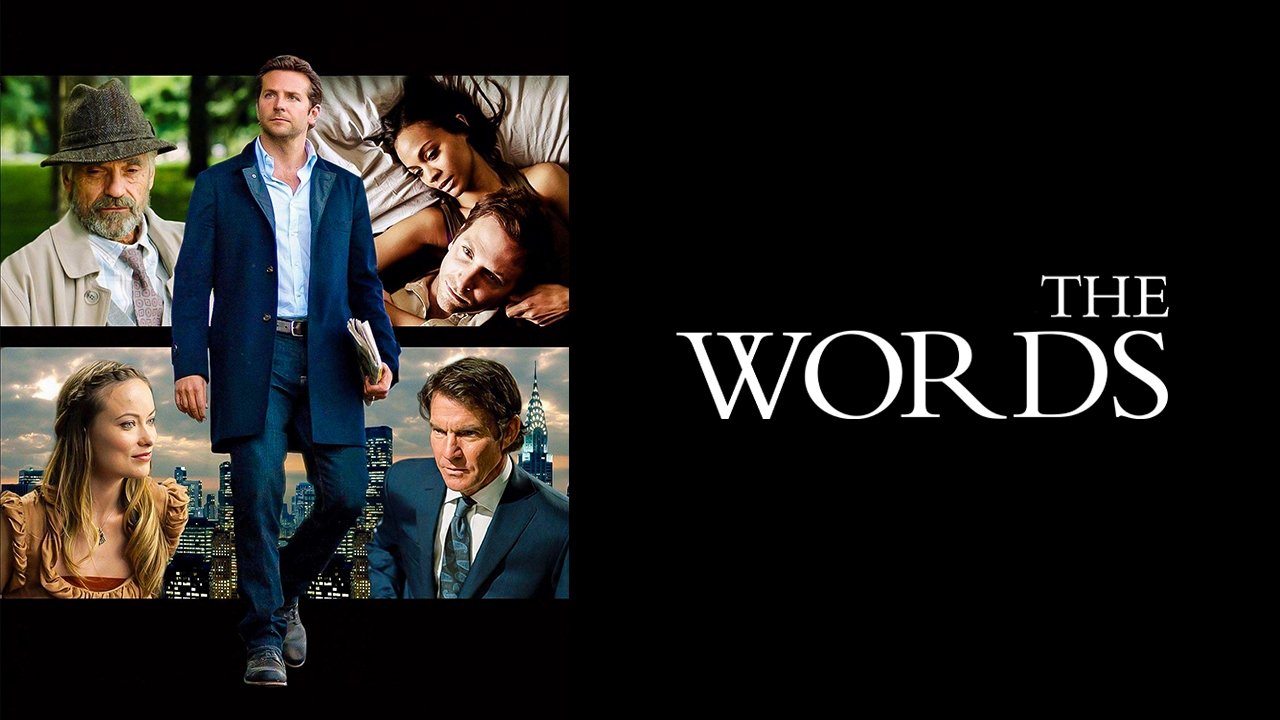
The narrative structure is ambitious, perhaps a bit too much for its own good. We start with Dennis Quaid as Clay Hammond, a celebrated author giving a public reading of his new book, also titled The Words. Within his book, we meet Rory Jansen (Bradley Cooper), a struggling writer who can’t get his own prose off the ground. Rory eventually finds a weathered manuscript in an old briefcase (purchased by his wife, played by Zoe Saldaña) and, in a moment of desperate weakness, types it out word-for-word and submits it as his own.
The third layer—and easily the most compelling—is the story within the stolen manuscript itself. When an enigmatic "Old Man" (Jeremy Irons) confronts Rory in a park, we are transported back to post-WWII Paris to see the tragic origins of the stolen prose. Jeremy Irons is doing the heavy lifting here, bringing a raspy, heartbreaking gravitas that makes the rest of the film feel a bit lightweight by comparison. The framing device with Dennis Quaid is the cinematic equivalent of a human appendix—unnecessary and occasionally distracting. Honestly, I would have happily traded the Quaid/Danielle (Olivia Wilde) subplot for twenty more minutes of Irons staring wistfully at a train station.
Cooper’s Transition Era
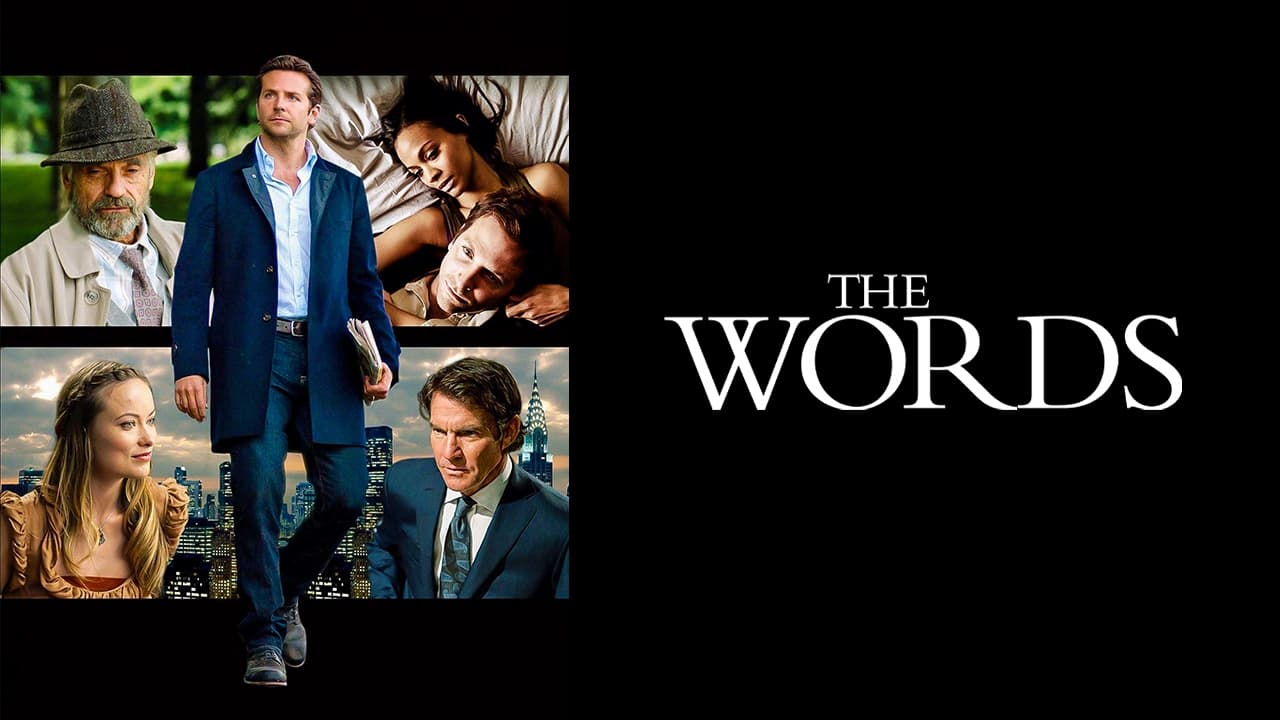
Looking back at 2012, this was a pivotal moment for Bradley Cooper. He was still shaking off the Hangover "pretty boy" label and aiming for the prestige that would eventually lead him to A Star is Born. You can see the effort on screen. He plays Rory with a frantic, sweating anxiety that works well for a man who knows his entire life is built on a lie. He’s supported by J.K. Simmons, who plays Rory’s father with a gruff, "get a real job" energy that provides a much-needed groundedness to the literary pretension.
The directors, Brian Klugman and Lee Sternthal, were actually childhood friends of Cooper, and you can sense that camaraderie in how the camera treats him. They give him plenty of long, soulful close-ups to let that guilt simmer. It’s a very "actor-centric" movie, which makes sense given the script spent years on the "Black List" (the industry’s annual list of the best unproduced screenplays) before Cooper’s rising star power finally got it greenlit.
Why Did This One Slip Through the Cracks?
In the decade-plus since its release, The Words has largely vanished from the cultural conversation. It’s an "in-between" movie—not quite an Oscar heavyweight, but too intellectual for the blockbuster crowd. It also suffered from being released right as the mid-budget adult drama started its mass migration from the silver screen to prestige TV. If this were made today, it would probably be a four-part limited series on a streaming platform, padded out with more flashbacks to the 1940s.
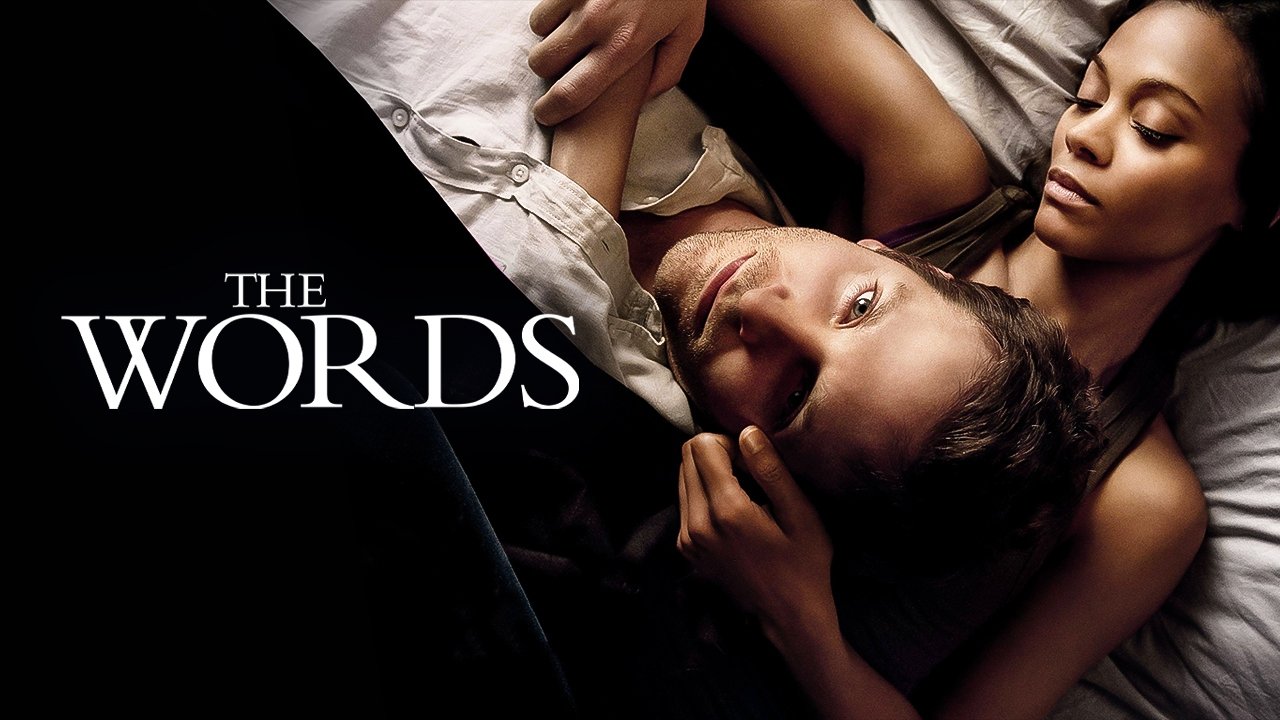
One detail that I love—and something you only notice upon a re-watch—is the score by Marcelo Zarvos. It’s lush and melancholic, doing a lot of the emotional heavy lifting during the silent sequences in Paris. It reminds me of the era when we weren't afraid of a movie being "earnest." There's no winking at the camera here; the film treats the act of plagiarism as a life-shattering tragedy on par with a Greek myth. Is it a bit melodramatic? Absolutely. Does it make me want to go buy a vintage typewriter I’ll never use? Every single time.
The Words is a handsomely mounted drama that asks big questions about whether we can ever truly own the stories we tell. While the multi-layered structure occasionally trips over its own feet, the central performance by Jeremy Irons and the lush cinematography by Antonio Calvache make it a journey worth taking. It’s a perfect "quiet night in" movie—the kind of film that leaves you thinking about your own life's "Fundamental Three Words" long after the credits roll. If you can forgive a little bit of literary self-importance, you’ll find a thoughtful, well-acted story that deserved a better fate than the bargain bin.
Keep Exploring...
-
Labor Day
2013
-
In the Valley of Elah
2007
-
Premonition
2007
-
We Own the Night
2007
-

Lakeview Terrace
2008
-
Street Kings
2008
-
The Eye
2008
-
Untraceable
2008
-
The Last House on the Left
2009
-
13
2010
-
Brooklyn's Finest
2010
-
Chloe
2010
-
Takers
2010
-

The American
2010
-
The Debt
2010
-
The Experiment
2010
-
Trust
2010
-
Unthinkable
2010
-
Seeking Justice
2011
-
Arbitrage
2012