This Is 40
"Forty is just Knocked Up with more bills."

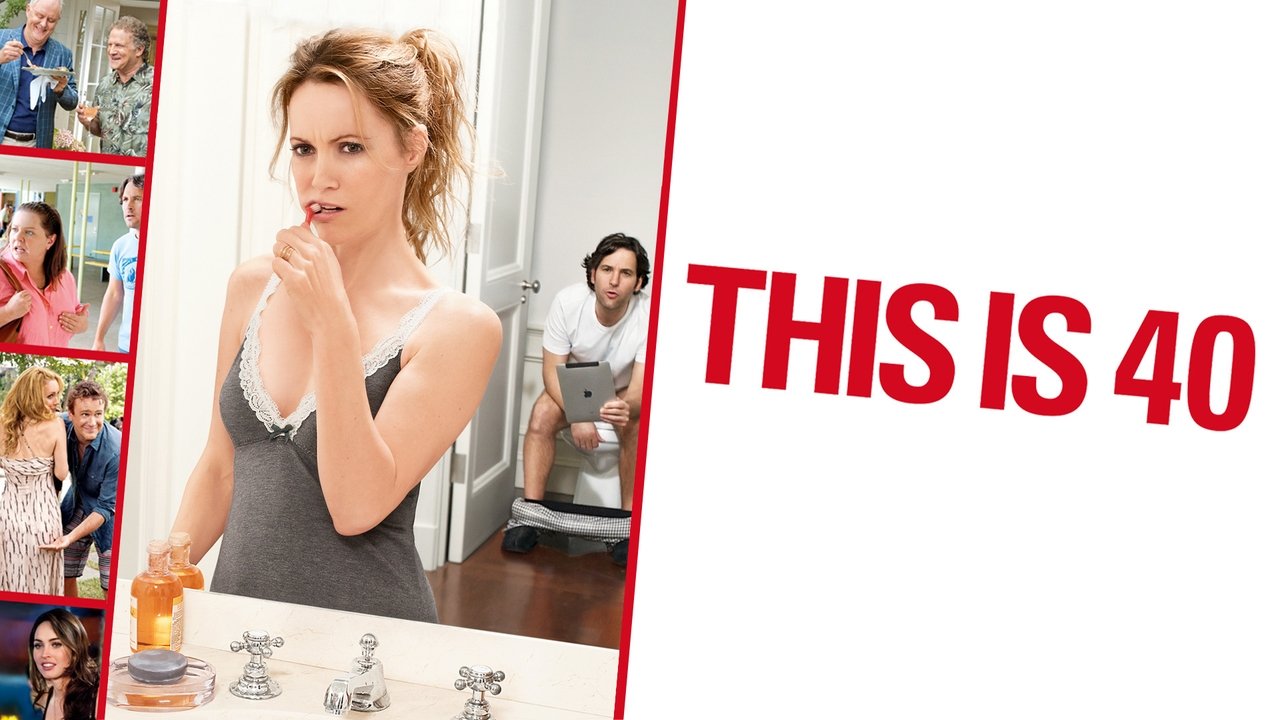
I recently rewatched This Is 40 while nursing a mild lower-back strain I got from—and I am not joking—sleeping in the wrong position. As I sat there with a heating pad, watching Paul Rudd hide in a bathroom to eat cupcakes away from his judging family, I realized that Judd Apatow wasn't making a comedy in 2012; he was filming a prophecy.
When this "sort-of sequel" to Knocked Up first hit theaters, the primary criticism was its indulgence. At 134 minutes, it’s a comedy that demands the same time commitment as an Avengers movie but replaces the alien invasions with arguments about the Wi-Fi password and colonoscopies. Looking back from the vantage point of a decade-plus, that "indulgence" now feels like its greatest strength. It’s a messy, sprawling, frequently hilarious, and occasionally exhausting "hang-out" movie that captures the exact moment when the "Indie Film Renaissance" energy of the 90s curdled into the domestic anxieties of the 2010s.
The Apatow Family Home Video
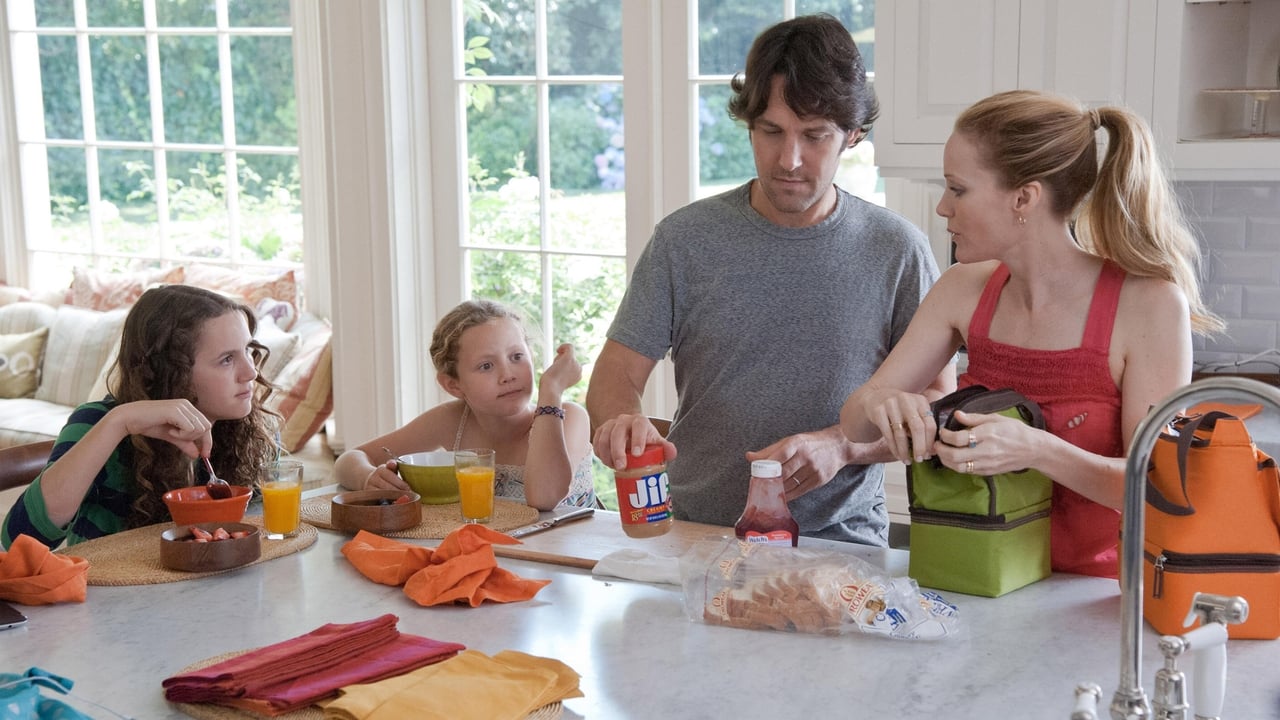
There is something inherently voyeuristic about This Is 40. Judd Apatow (director of The 40-Year-Old Virgin) cast his real-life wife, Leslie Mann, and their daughters, Maude Apatow and Iris Apatow, to play the central family. This meta-layer gives the film a lived-in texture that most studio comedies lack. When Debbie (Leslie Mann) screams at her kids to get off their iPads, it doesn't feel like a scripted beat; it feels like a repressed memory.
Paul Rudd remains the undisputed king of the "likable guy in a tailspin." As Pete, he’s dealing with a failing indie record label and a father (Albert Brooks) who treats him like a walking ATM. The chemistry between Rudd and Mann is the film's engine. They capture that specific marital stage where you deeply love your spouse but also kind of want to smother them with a decorative throw pillow just for breathing too loudly.
The film also serves as a weird time capsule for the early 2010s. We see the transition from analog to digital in real-time. Pete is trying to save his business by banking on a reunion of 70s rocker Graham Parker (playing himself), while his daughters are obsessed with Lost and their first-generation iPads. It’s a movie about people who feel the world moving faster than they can run, which is perhaps the most "40" feeling there is.
Supporting Players and Stolen Scenes
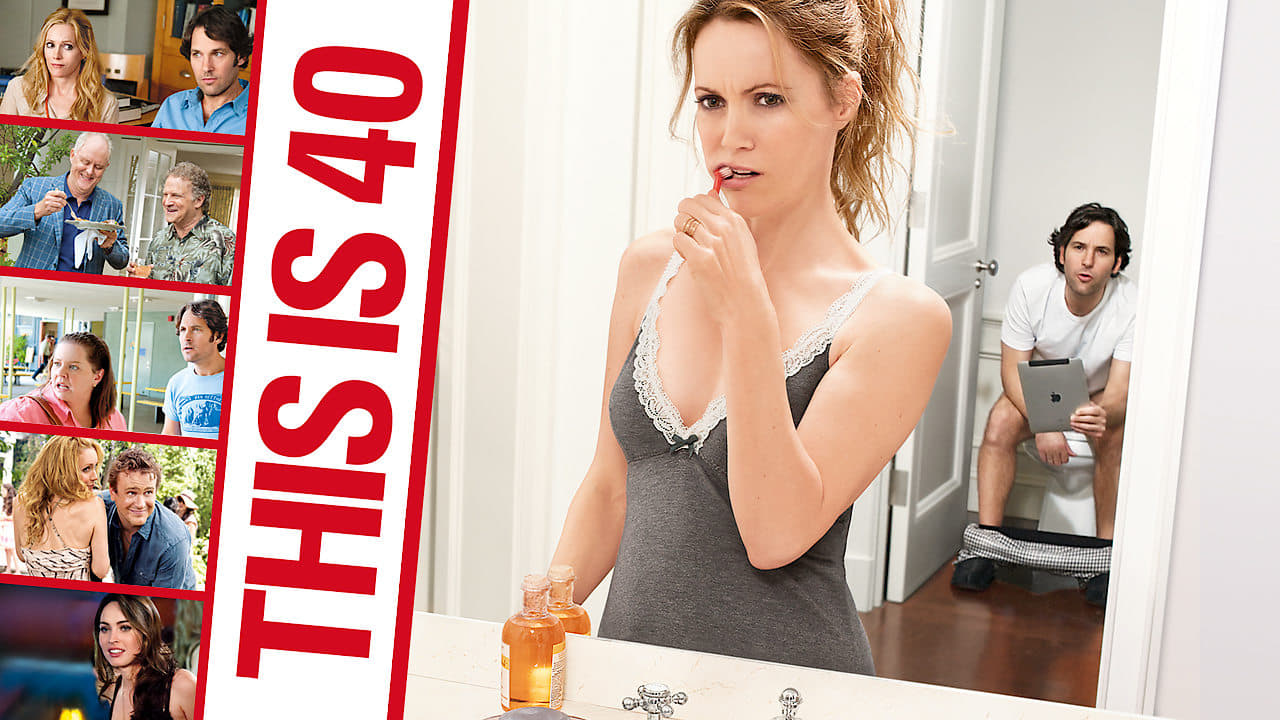
While the central family provides the heart, the periphery provides the high-octane laughs. Megan Fox shows up as Desi, an employee at Debbie’s boutique, and she is surprisingly sharp, playing the "hot girl" archetype with a dry, comedic wit that many critics missed at the time. Then there’s Melissa McCarthy as a disgruntled parent at the kids' school. Her improvised riffing during a meeting with the principal is legendary—she essentially hijacked the production for a day just to see how many creative insults she could hurl at Rudd and Mann.
The trivia surrounding these scenes is pure Apatow gold. Apparently, the "blooper reel" for McCarthy’s scene is nearly as long as some short films because the cast couldn't stop breaking. This was the peak of the "DVD culture" era, where we expected the physical disc to come with forty minutes of deleted scenes and "Line-O-Rama" features. This Is 40 feels like it was edited specifically to accommodate those fans who wanted to see every single alt-joke.
Even the casting of the grandfathers is a masterclass in contrasting comedic eras. You have Albert Brooks, the neurotically sharp king of 70s and 80s cerebral comedy, playing against John Lithgow (the versatile star of 3rd Rock from the Sun), who plays Debbie’s distant, overly-clinical father. Watching these two titans navigate a birthday party filled with screaming children is a highlight that grounds the film’s silliness in genuine generational trauma.
The Beauty of the Bloat
Is the movie too long? Absolutely. It’s a 90-minute movie trapped in a 134-minute hostage situation. But that’s the point. Life at 40 isn't a tight, three-act structure with a clean resolution; it’s a series of vignettes that don't always lead anywhere.
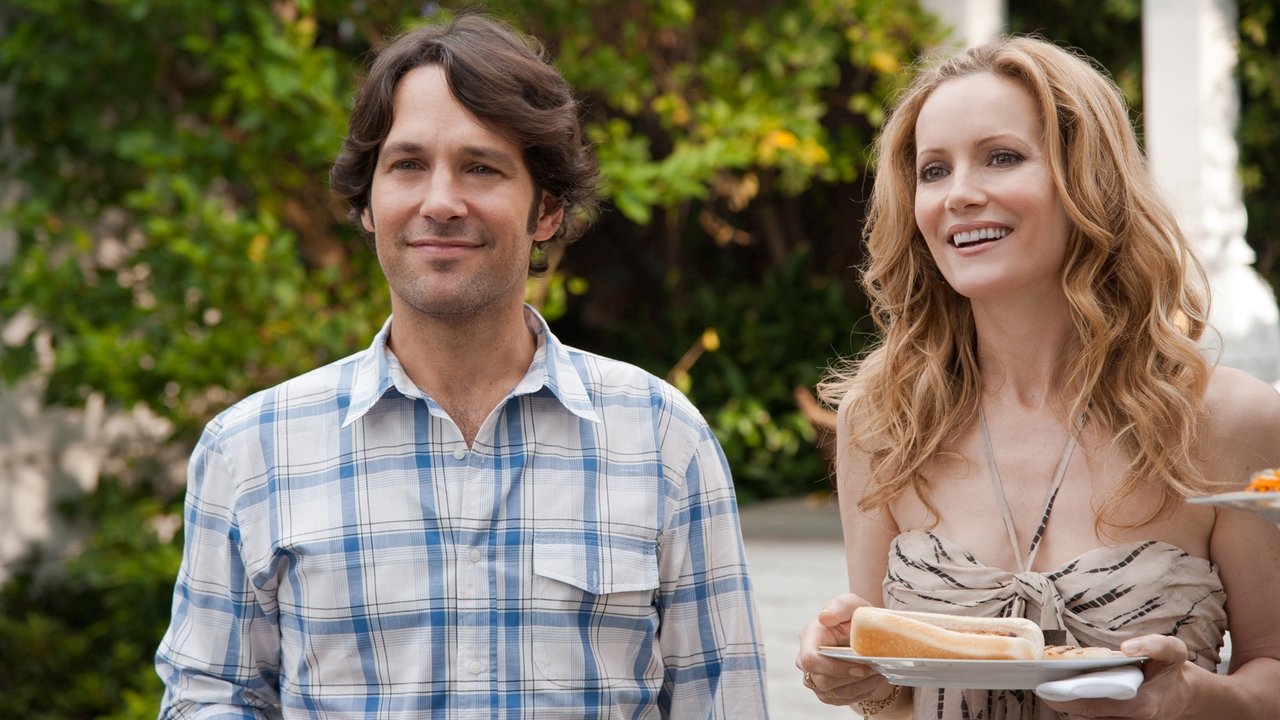
I’ve noticed that This Is 40 has developed a significant cult following among people who actually hit 40. We’ve realized that the "villains" of the movie—the mounting debt, the aging parents, the kids who won't stop fighting—are just the background noise of middle age. The film’s refusal to have a major "cinematic" ending, opting instead for a quiet moment of reconciliation, is why it holds up better than many of its contemporaries. It doesn't offer a solution to aging; it just offers a hand to hold while it happens.
The soundtrack, handled by Jon Brion (who scored Punch-Drunk Love), adds a layer of melancholic sophistication that elevates the fart jokes. It reminds you that even when Pete and Debbie are acting like idiots, they are humans with souls and histories. It’s that blend of high-brow craft and low-brow humor that defines this era of comedy.
This Is 40 is a messy, indulgent, and deeply funny look at the terror of realizing you’re officially an adult. It’s a film that has only improved with age, largely because its observations about family dynamics and the friction of long-term relationships are painfully accurate. If you can handle the "Apatow length," it’s a rewarding experience that feels like visiting old friends—friends who are just as exhausted and confused as you are. Just make sure you have a heating pad ready for your back before you sit down for the full two-plus hours.
Keep Exploring...
-

Knocked Up
2007
-

Funny People
2009
-
The 40 Year Old Virgin
2005
-

I Love You, Man
2009
-

You Don't Mess with the Zohan
2008
-

Confessions of a Shopaholic
2009
-

Our Idiot Brother
2011
-

The Change-Up
2011
-

Fun with Dick and Jane
2005
-

High School Musical 2
2007
-

Journey to the Center of the Earth
2008
-

Role Models
2008
-

Zack and Miri Make a Porno
2008
-
A Serious Man
2009
-

Adventureland
2009
-

Ghosts of Girlfriends Past
2009
-

Jennifer's Body
2009
-

The Invention of Lying
2009
-
Easy A
2010
-

Hot Tub Time Machine
2010