Trouble with the Curve
"You can't scout heart with a laptop."
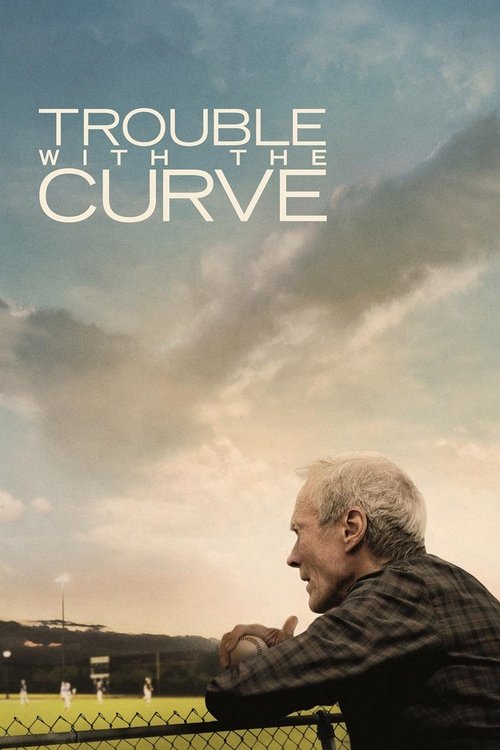
There’s a specific, rhythmic thud that a baseball makes when it hits the center of a leather mitt—a sound that tells you everything you need to know about a pitcher’s velocity and spin without ever looking at a radar gun. In the opening minutes of Trouble with the Curve, we see Clint Eastwood’s Gus Lobel listening to that sound. He isn't just watching a game; he’s feeling it. But there’s a catch: he’s going blind, his kidneys are failing him, and he’s currently engaged in a grumbling monologue with his own anatomy in a bathroom. It’s the ultimate "Old Man Yells at Cloud" movie, except the cloud is a high-speed digital scouting report, and the old man is arguably the last true icon of American grit.

I watched this while nursing a lukewarm ginger ale that had lost its fizz about twenty minutes into the first act, which, oddly enough, perfectly matched the film's pacing. It’s a slow-burn, comfort-food drama that arrived at a very specific crossroads in cinema history.
The Analog Rebuttal to the Digital Age
Coming out in 2012, Trouble with the Curve felt like a direct, crotchety response to the previous year's Moneyball. While Brad Pitt was busy using equations and Billy Beane’s spreadsheets to revolutionize the sport, Gus Lobel was here to tell us that computers are for people who don't know how to look a kid in the eye. The film captures that late-2000s anxiety where the "human element" felt like it was being erased by algorithms.
It was also a landmark for Clint Eastwood fans because it marked the first time he acted in a film he didn't direct since 1993’s In the Line of Fire. The directorial reins were handed to Robert Lorenz, Clint’s long-time producer and right-hand man at Malpaso Productions. You can feel that lineage in every frame. It has the same DNA as a late-period Eastwood film—unfussy cinematography by Tom Stern, a score that feels like a lonely piano in a dusty room, and a refusal to move the camera unless absolutely necessary. It’s an aggressive commercial for bran flakes and porch-sitting, and I mean that with a strange amount of affection.
Adams, Timberlake, and the Chemistry of Curveballs
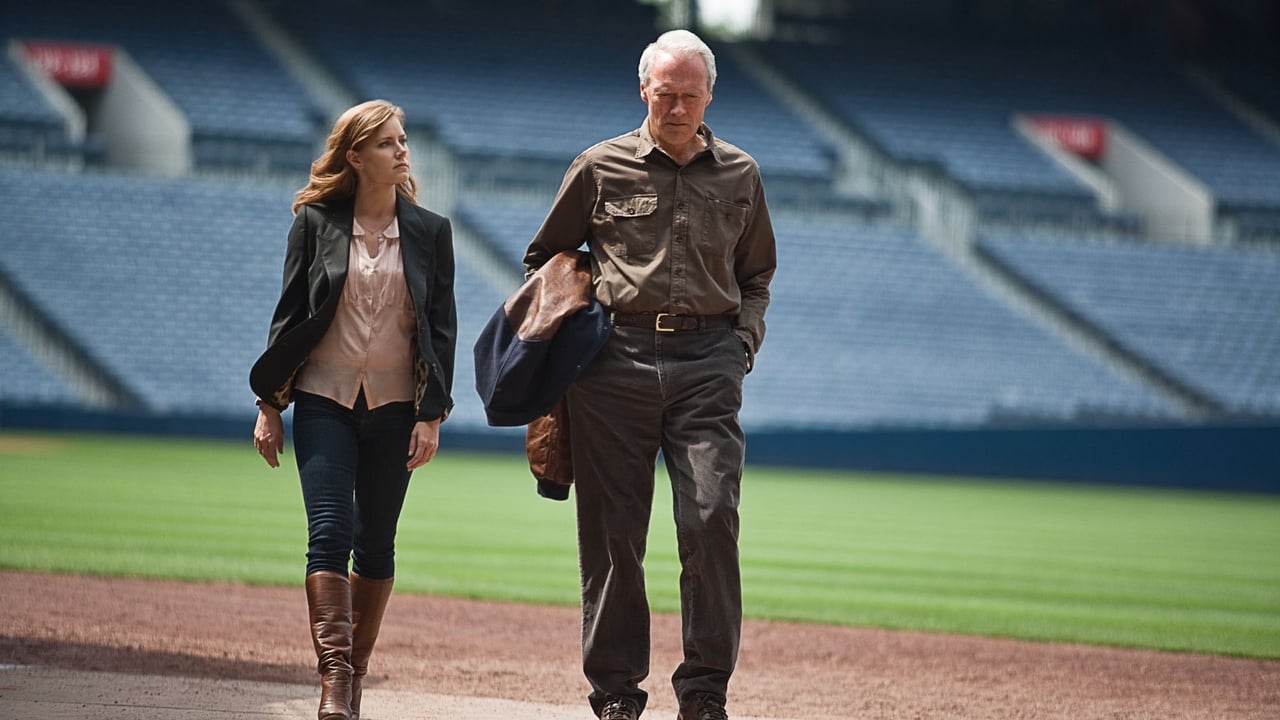
While the marketing sold this as a baseball movie, it’s actually a stealthy father-daughter therapy session. Amy Adams plays Mickey, Gus’s estranged, workaholic daughter who puts her law partnership on the line to join her father on his final scouting trip to North Carolina. Adams is, as usual, the best thing in the room. She manages to make a character who is essentially a "baseball encyclopedia in a skirt" feel like a real person with genuine abandonment issues.
Then there’s Justin Timberlake as Johnny "Flame" Flanagan, a former pitching prospect Gus once scouted who is now trying his hand at the scouting game himself. Timberlake was in his "serious actor" era here, fresh off The Social Network, and he brings a breezy, charismatic energy that prevents the movie from sinking under the weight of Clint’s gravelly sighs. His chemistry with Adams is surprisingly sweet, even if their romance feels like it was mandated by a studio executive who was worried the movie was getting too "geriatric."
The real fun, however, comes from watching Matthew Lillard play Phillip Sanderson, the smarmy, tech-obsessed executive who wants to put Gus out to pasture. Lillard leans into the villainy with a sneer that makes you want to throw a rotary phone at his head. He represents the "New Hollywood" corporate takeover, and watching him get his comeuppance via a high school phenom who can’t hit a curveball is the kind of predictable satisfaction that makes movies like this work.
Why This One Stayed in the Dugout
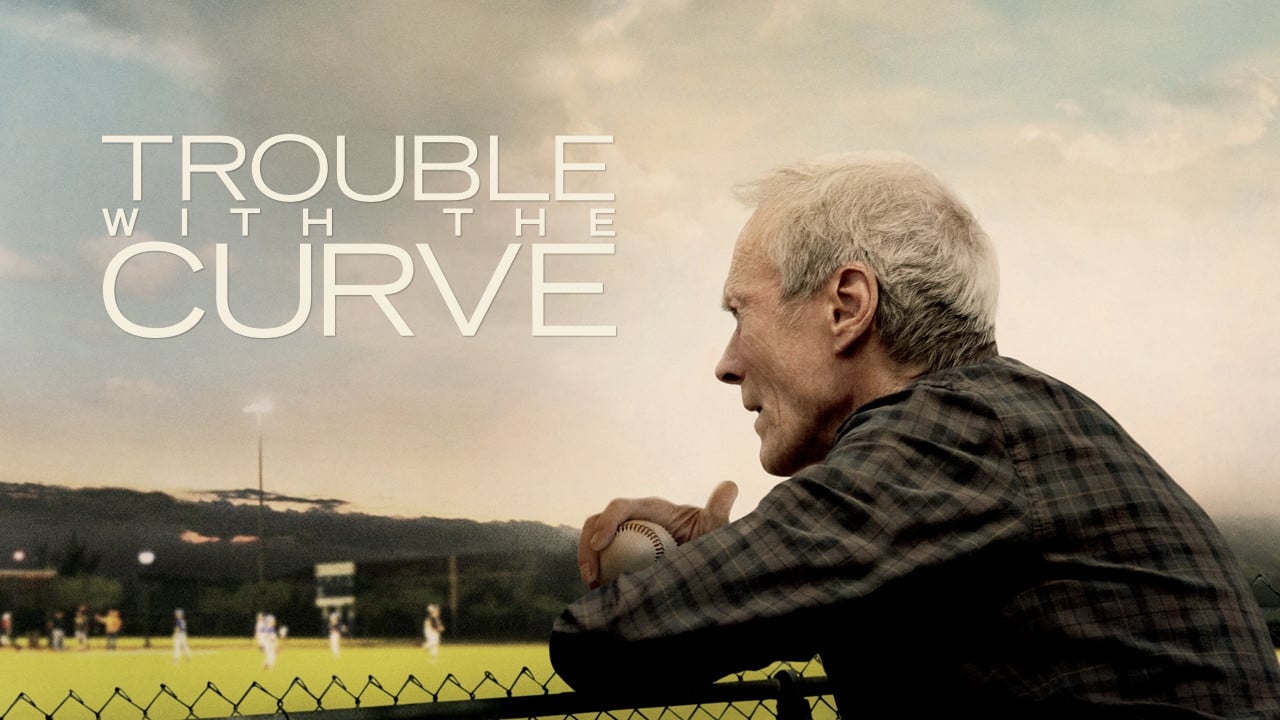
So, why has this film largely faded into the "Oh yeah, I think I remember that" category? For one, it’s remarkably low-stakes. It’s a movie where the biggest conflict is whether a teenager can recognize a breaking ball and whether a daughter can forgive her dad for leaving her at a boarding house thirty years ago. In an era where the MCU was beginning its world-dominating march with The Avengers (released that same year), Trouble with the Curve felt like a relic from 1994.
Interestingly, the film’s "obscurity" stems partly from its underperformance. It cost $60 million—a surprisingly high price tag for a quiet drama—and barely clawed back $49 million at the domestic box office. It was a "dad movie" released in a year when dads were increasingly staying home to watch Justified or Mad Men. Yet, looking back, there’s a charm to its simplicity. It’s one of those rare 21st-century films that feels like it was shot on a tripod with the intention of being watched on a rainy Tuesday afternoon.
There's a bit of behind-the-scenes poignancy too: Clint reportedly took the role specifically to help Robert Lorenz get his directorial start, essentially playing the mentor in real life that he refuses to be on screen. It’s a film made by friends, for an audience that misses when movies were just about people talking in cars and the sound of a wood bat connecting with a fastball.
Trouble with the Curve doesn't reinvent the wheel, nor does it try to. It’s a sturdy, well-acted drama that serves as a fine late-career victory lap for Clint Eastwood’s screen presence, even if it feels a bit like a "Greatest Hits" compilation of his grumpiest tics. It’s a reminder that sometimes, the human eye (even one with glaucoma) sees things that a computer program never will. If you’re looking for a quiet evening with top-tier actors playing simple notes, it’s well worth a spot in your rotation.

Keep Exploring...
-

Endless Love
2014
-
Rock of Ages
2012
-
Winter's Tale
2014
-

Across the Universe
2007
-

Becoming Jane
2007
-

Dan in Real Life
2007
-

Elizabeth: The Golden Age
2007
-

Hotel Chevalier
2007
-
Lars and the Real Girl
2007
-
The Nanny Diaries
2007
-
Ghost Town
2008
-

Nick and Norah's Infinite Playlist
2008
-
Two Lovers
2008
-
Wild Child
2008
-
A Single Man
2009
-

An Education
2009
-

Crazy Heart
2009
-
The Young Victoria
2009
-

Youth in Revolt
2009
-
I Love You Phillip Morris
2010