Underworld: Awakening
"Cold steel, black latex, and a very large dog."
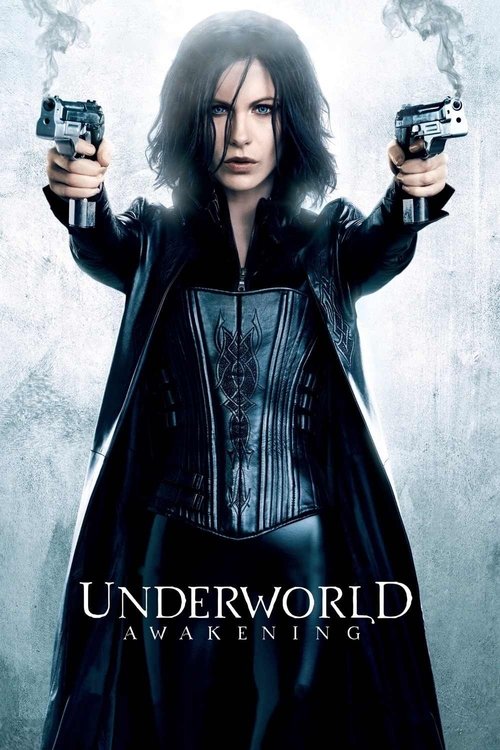
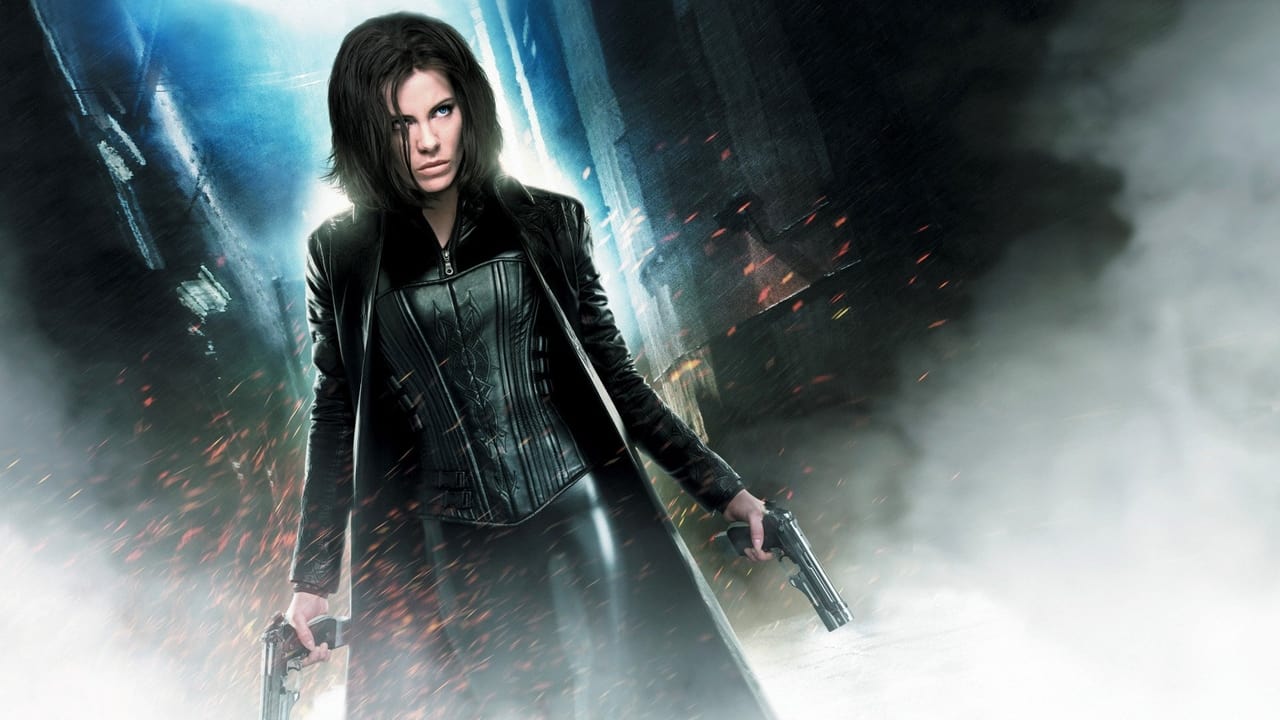
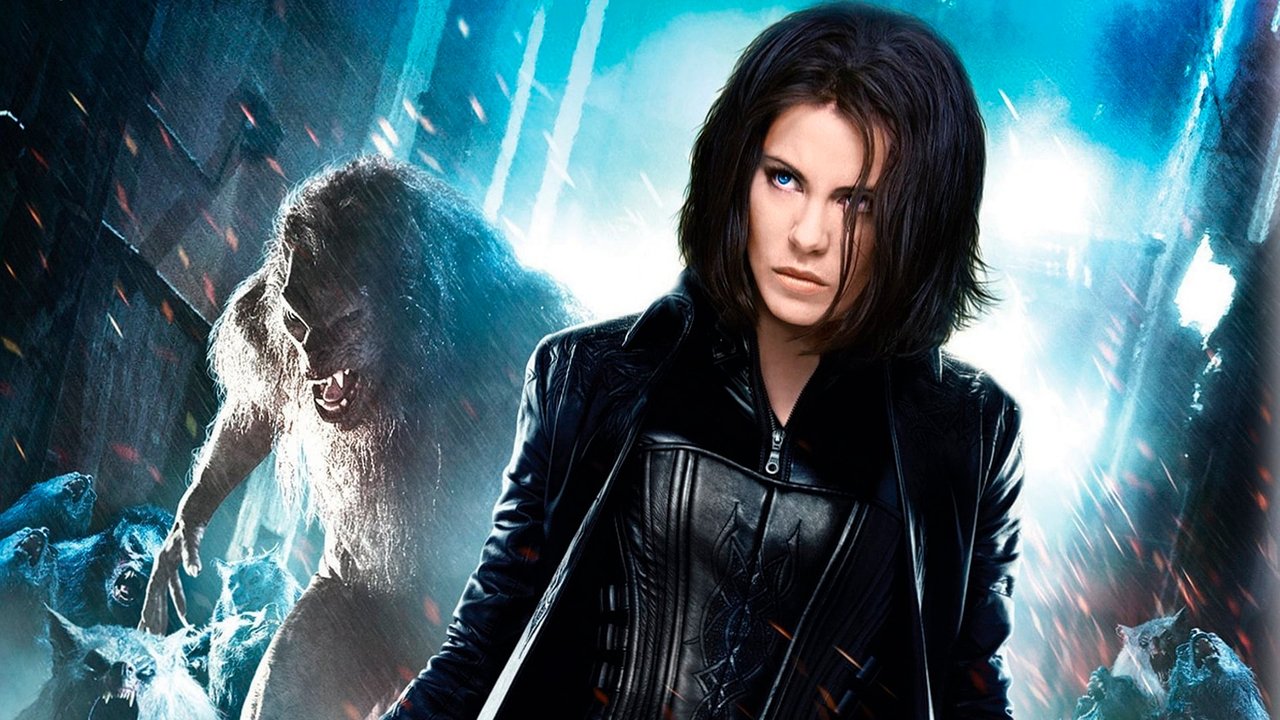
There is a specific, jagged thrill in watching Kate Beckinsale jump off a skyscraper in slow motion while firing two Berettas. By the time Underworld: Awakening hit theaters in 2012, we had seen her do this several times already, but there was something different about this fourth outing. It felt leaner, meaner, and arguably more desperate. I remember watching this for the first time on a flight where the guy next to me was aggressively peeling a hard-boiled egg; the sulfurous smell and the cramped seating somehow perfectly complemented the film’s claustrophobic, "humans-are-the-real-monsters" vibe.
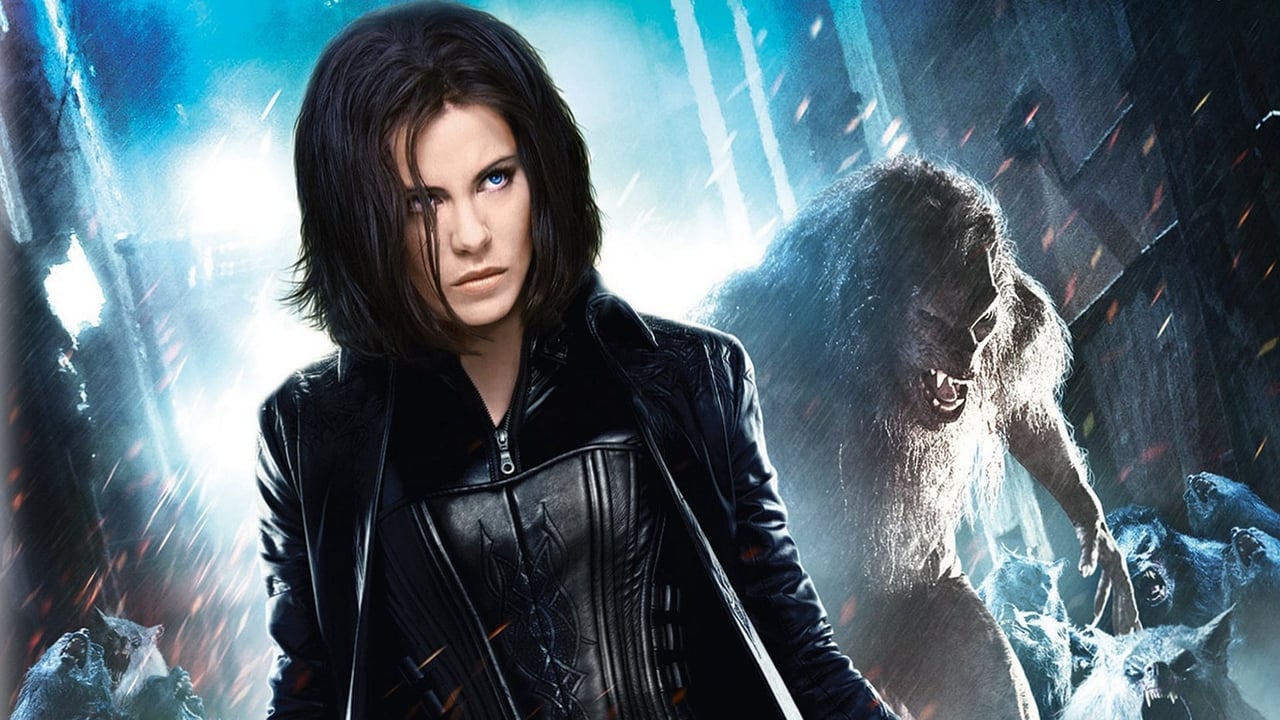
This was the moment the Underworld franchise decided to stop pretending it was a gothic romance and fully embraced being an R-rated, digital-heavy action sprint. Clocking in at a brisk 88 minutes, it doesn’t have time for the dense, centuries-old political lore that Len Wiseman obsessed over in the first two films. Instead, it’s a "fish out of water" story where the fish has fangs and the water is a sterile, futuristic city that wants her dissected.
A Cold Wake-Up Call
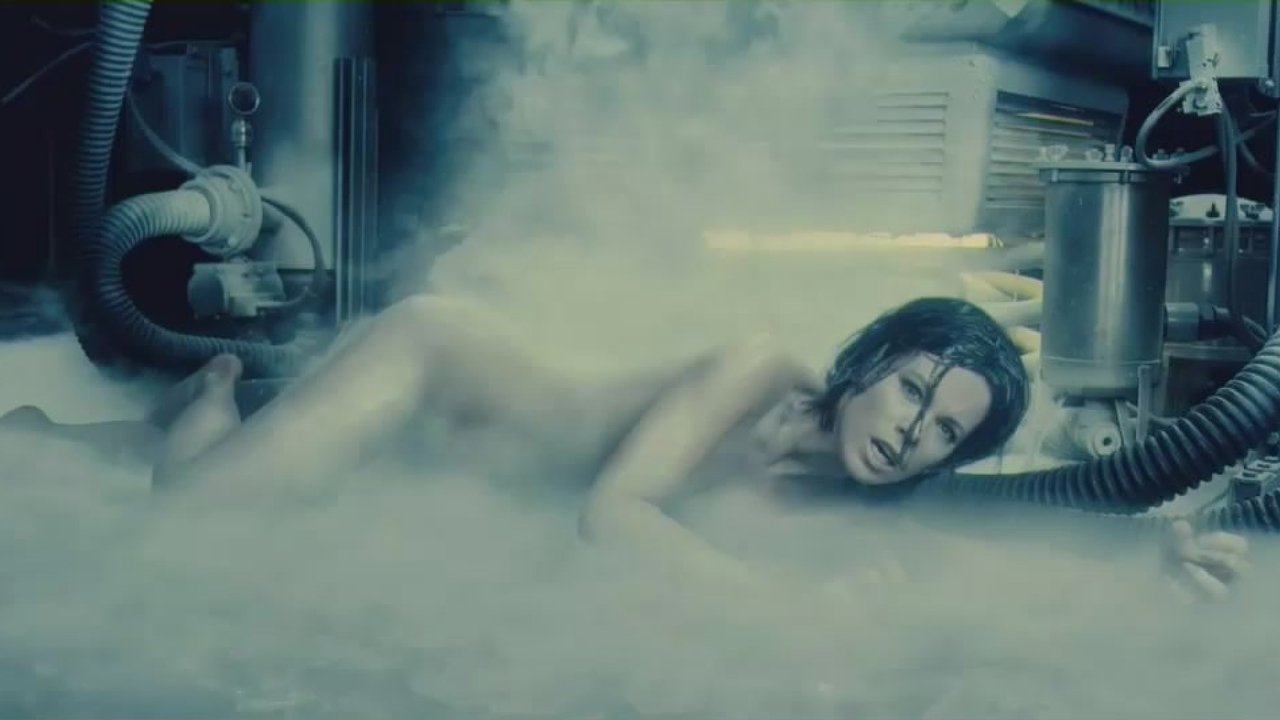
The film opens with "The Purge," a post-9/11 flavored montage where humanity finally stops being the oblivious victim and starts being the genocidal aggressor. Looking back, this shift reflected a major trend in 2010s genre cinema: the fear of the "all-seeing" state. Vampires and Lycans are hunted to near extinction by high-tech squads, and Selene is captured and cryogenically frozen.
When she wakes up twelve years later, the world has moved on. The gothic castles and rainy European alleyways of the earlier films are replaced by the cold, blue-tinted steel of Antigen, a biotech corporation. This shift in aesthetic is purely 2012. It’s that era where every action movie looked like it was filmed inside a refrigerator. Directors Måns Mårlind and Björn Stein (who previously did the eerie Shelter) bring a clean, Swedish-minimalist eye to the carnage. The practical suits of the 2003 original are largely gone, replaced by the CGI revolution's growing pains. While the digital effects aren't exactly Avatar level, there’s a frantic energy to the way the cameras move here that keeps you from staring too hard at the pixels.
Sterile Labs and Digital Beasts
The big addition to the lore here is "The Hybrid"—Selene’s daughter, Eve, played with a creepy, wide-eyed intensity by India Eisley. The chemistry between them is less "mother-daughter" and more "lethal-weapon-and-slightly-smaller-lethal-weapon," which fits the tone perfectly. We also get Theo James (before his Divergent fame) as David, a vampire who still believes in the old ways, and Michael Ealy as a detective who realizes that maybe the guys with the fangs aren't the biggest problem in the room.
But the real scene-stealer is Charles Dance. Long before he was intimidating everyone as Tywin Lannister in Game of Thrones, he was here, lending an absurd amount of gravitas to a movie about giant wolves. He plays Thomas, a vampire elder who is essentially a grumpy landlord for the undead, and every time he speaks, the movie’s IQ seems to jump twenty points. Then there’s Stephen Rea as Dr. Jacob Lane, who plays the corporate villain with a quiet, oily menace that makes you want to wash your hands after he leaves the screen.
The central threat this time around is the "Super Lycan." This thing is massive—essentially a furry Hulk—and it represents the franchise’s move away from the "men in suits" charm of Patrick Tatopoulos’s original creature designs. While I miss the weight of the practical effects from the first movie, the fight between Selene and the Super Lycan in an elevator shaft is the cinematic equivalent of an energy drink that expired in 2012: loud, shaky, and strangely effective at waking you up.
The Dance of the Death Dealers
What makes Underworld: Awakening a fascinating cult artifact today is how it bridges the gap between the mid-2000s "leather-and-grunge" aesthetic and the modern "cinematic universe" era. It was one of the first major sequels to be shot natively in 3D using the RED Epic system, and you can tell. There are countless shots of glass shattering toward the camera and Selene’s boot coming inches from your face.
The behind-the-scenes stories are just as punchy. Kate Beckinsale famously mentioned in interviews that her corset was so tight she could barely breathe, which perhaps explains why Selene looks perpetually annoyed throughout the entire movie. It’s also worth noting that the screenplay had hands from J. Michael Straczynski (Babylon 5), which might be why the "humans vs. monsters" world-building feels more coherent than it has any right to be.
Is it a masterpiece? Absolutely not. It’s Selene being a very angry, very stylish goth mom for 90 minutes. But in an age where action movies often feel bloated and over-explained, there is something deeply refreshing about a film that knows exactly what it is. It doesn't want to "meditate" on anything; it wants to show you a vampire punching a hole through a giant wolf's head. Sometimes, that’s all you need for five minutes (or eighty-eight).
Ultimately, Underworld: Awakening is the "guilty pleasure" peak of its franchise. It’s a relic of that brief window where we thought every movie needed to be in 3D and every monster needed to be the size of a suburban house. While it lacks the soul of the original 2003 film, its relentless pace and Kate Beckinsale's refusal to age make it a fun, mindless ride. If you have an hour to kill and an appreciation for black latex and blue color palettes, you could do a lot worse than waking up with Selene.

Keep Exploring...
-

Underworld: Blood Wars
2016
-
Underworld: Evolution
2006
-
Underworld
2003
-
Underworld: Rise of the Lycans
2009
-
Priest
2011
-
Abraham Lincoln: Vampire Hunter
2012
-

Legion
2010
-
Dracula Untold
2014
-

Blade II
2002
-
Constantine
2005
-
Hansel & Gretel: Witch Hunters
2013
-
Ghost Rider
2007
-

10,000 BC
2008
-
The Mummy: Tomb of the Dragon Emperor
2008
-
Night at the Museum: Battle of the Smithsonian
2009
-
Prince of Persia: The Sands of Time
2010
-
The Sorcerer's Apprentice
2010
-
Sucker Punch
2011
-
Thor
2011
-

Brave
2012