Upside Down
"Love doesn't care which way is up."
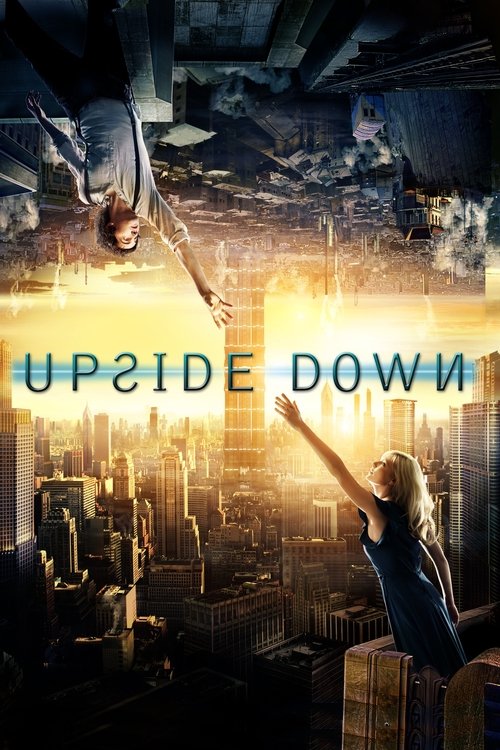
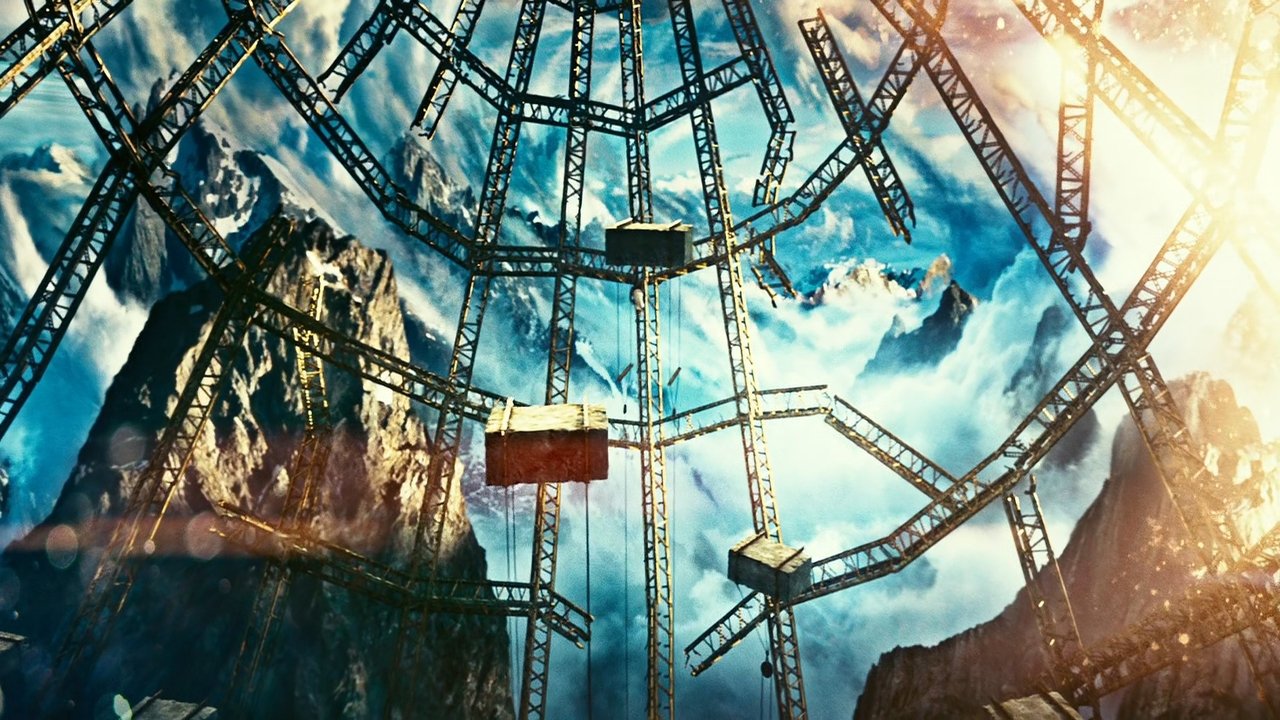
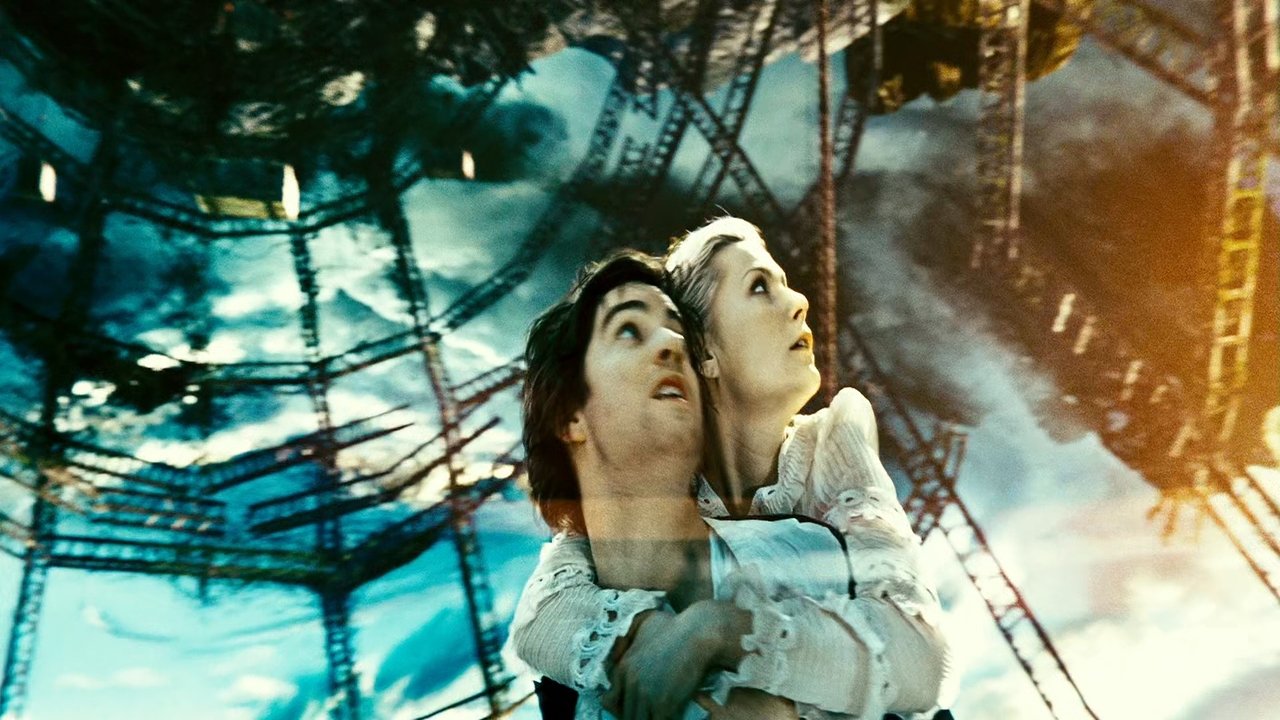
Imagine standing on a mountain peak, looking straight up, and instead of an infinite blue void, you see an entire civilization staring back at you. Not just stars or planets, but cities, oceans, and people, all hanging precariously like a mirrored ceiling. This is the staggering visual hook of Juan Diego Solanas’s Upside Down, a film that feels like it was whispered into existence by a poet who failed high school physics but aced every art class in the curriculum.
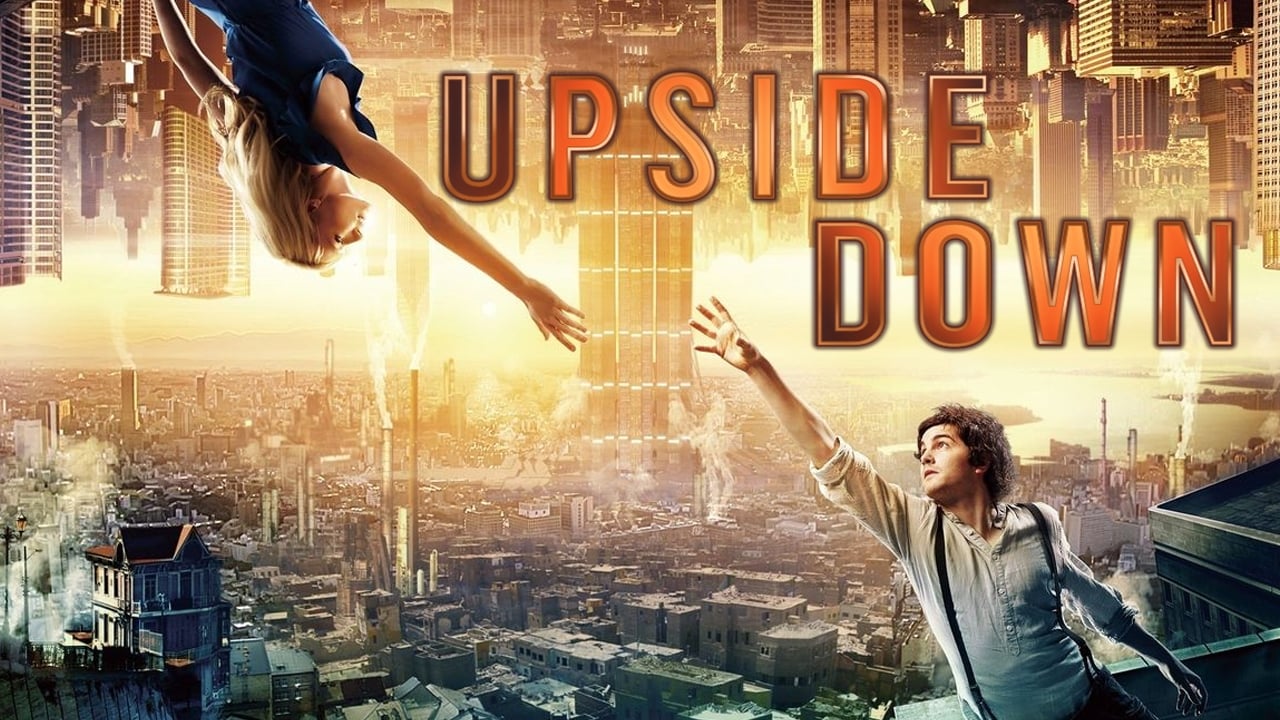
Released in 2012, right as the "YA Dystopia" craze was hitting its stride with The Hunger Games, Upside Down tried to do something far more ethereal and surreal. It’s a fairy tale masquerading as sci-fi, a movie that treats gravity not as a law of nature, but as a pesky social inconvenience. I watched this recently while sitting in a chair that has one leg slightly shorter than the others, and the constant, tiny wobble of my own center of gravity felt like the perfect, clumsy accompaniment to a film that refuses to let its characters—or its audience—find a level floor.
A Digital Renaissance of the Impossible
Coming out in that specific 1990-2014 window, Upside Down represents a fascinating peak in the CGI revolution. We had moved past the rubbery, experimental digital effects of the late 90s and into an era where directors like Solanas could finally realize "impossible" imagery with painterly texture. The film gives us two worlds: "Up" is wealthy and exploitative; "Down" is poor, gritty, and literally living in the shadow of its neighbor.
The cinematography by Pierre Gill (who later worked on the visually striking Arrival) is genuinely breathtaking. There are frames in this movie that I want to print out and hang on my wall just to confuse my houseguests. The way the light from the "Up" world goldenly bathes the "Down" world at dusk is the kind of digital magic that holds up surprisingly well even a decade later. While many films from 2012 now look like dated video game cutscenes, this one opted for a hazy, dreamlike aesthetic that masks the digital seams. It’s a reminder that ambition is often the best antidote to a dated render.
Chemistry Across the Kármán Line
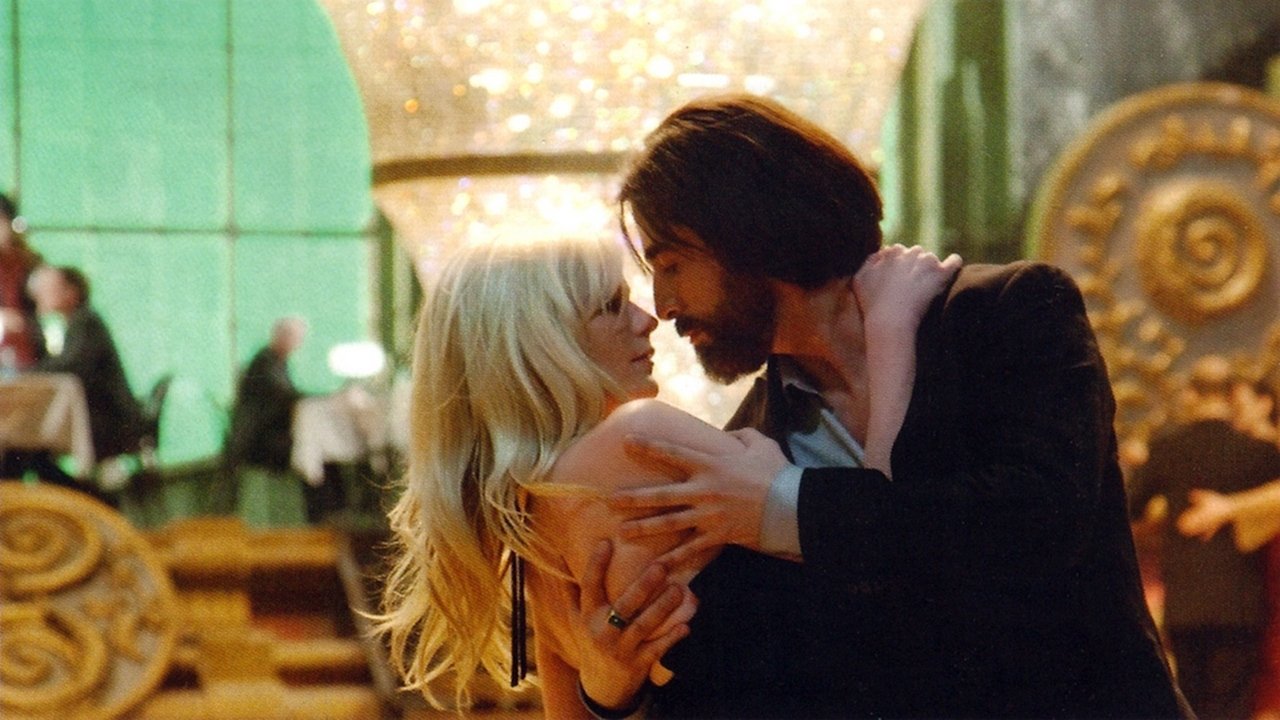
At the heart of this gravitational tug-of-war are Adam, played by Jim Sturgess, and Eden, played by Kirsten Dunst. Jim Sturgess has always had this "stuck in a daydream" quality—perfect for a guy who spends his life looking at the sky—and he brings a frantic, kinetic energy to Adam’s quest. Kirsten Dunst, fresh off her haunting turn in Melancholia, manages to give Eden a groundedness (ironically) that the script doesn't always provide.
Their chemistry has to do a lot of heavy lifting because the "rules" of this universe are, frankly, a total headache if you think about them for more than twelve seconds. The film posits three laws of gravity: matter is only pulled by the world it comes from; an object's weight can be offset by "inverse matter"; and after a few hours, contact with inverse matter causes it to spontaneously combust. This leads to a hilarious sequence where Adam stuffs his pants with "Up" rocks to go on a date with Eden, only to have his crotch literally start smoking because he stayed out too late. It’s the most literal "hot date" in cinematic history.
The real MVP, however, is Timothy Spall as Bob, a disgruntled former employee of the trans-world corporation "TransCinema." Timothy Spall could make a grocery list sound like a Shakespearean soliloquy, and his role as the cynical mentor provides the much-needed friction this floaty romance requires.
The Cult of the Beautiful Mess
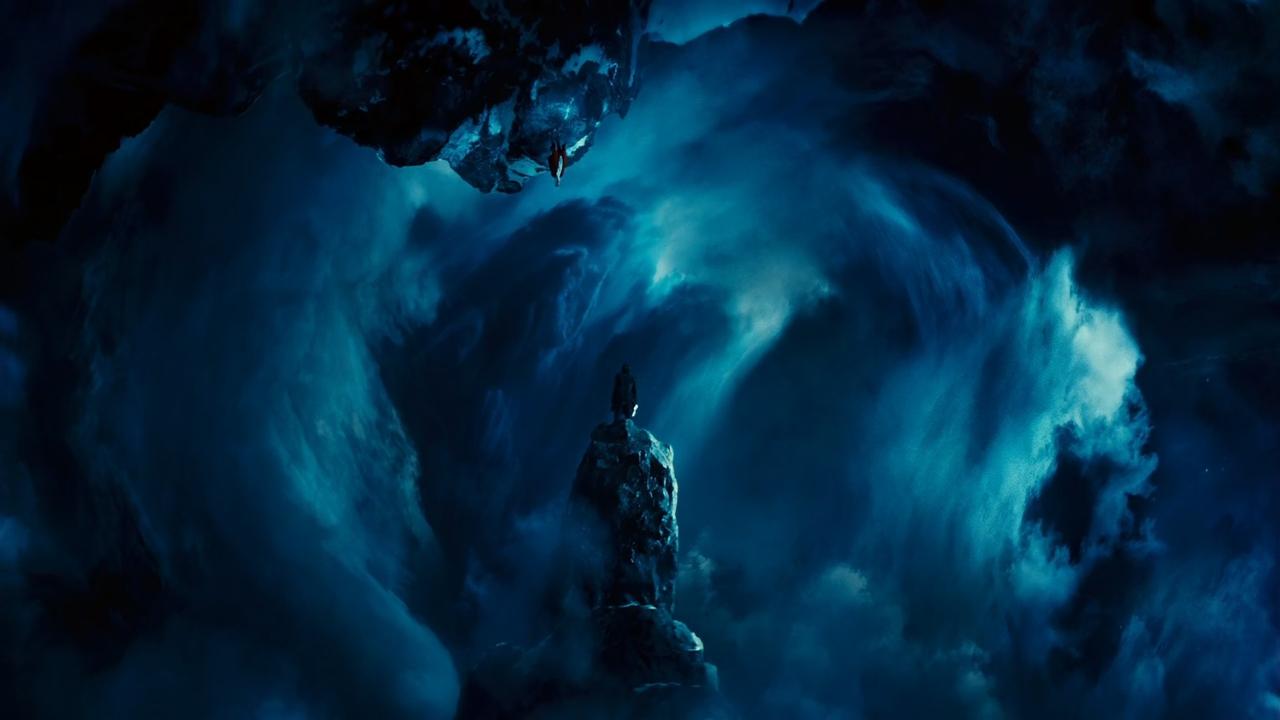
So, why is this a cult classic? Because it’s a beautiful, earnest failure. It bombed at the box office, making back barely a third of its $60 million budget, largely because it’s too weird for the mainstream and too illogical for the "Hard Sci-Fi" crowd. But the fan communities that have cropped up around it don't care about the plot holes. They care about the feeling of that first kiss in the clouds, where the two leads are suspended between two gravities, belonging to neither.
Behind the scenes, the production was a bit of a logistical nightmare. They had to build massive, rotating sets and use complex green-screen rigs to make the actors look like they were interacting from opposite ceilings. Apparently, the crew had to deal with constant nausea from the visual disorientation of the sets. It’s also worth noting that the film’s "TransWorld" tower, which connects the two planets, is a pretty sharp bit of post-9/11 architectural anxiety—a corporate monolith that represents both the only bridge between people and the primary tool of their oppression.
Looking back, Upside Down feels like a relic of a time when studios were still willing to throw mid-budget money at original, high-concept ideas before everything became a franchise. It’s messy, the ending feels rushed, and the internal logic is held together by nothing but vibes and Scotch tape. But I’d take this kind of visionary swing over a polished, soulless remake any day of the week.
Upside Down is a film that demands you turn off the analytical part of your brain and let your retinas do the work. It’s a staggering visual achievement that occasionally forgets to tell a coherent story, but its heart is firmly in the right place (even if that place is currently hovering six feet off the floor). If you’re in the mood for a romance that literally reaches for the stars—and then accidentally catches fire—this is your movie. Just don't try the "weighted pants" trick at home.
Keep Exploring...
-

Red Riding Hood
2011
-
Beautiful Creatures
2013
-

The Time Traveler's Wife
2009
-

Never Let Me Go
2010
-
Beastly
2011
-
Forever Young
1992
-

Phenomenon
1996
-

The Nutty Professor
1996
-

What Dreams May Come
1998
-
The Family Man
2000
-
Just Like Heaven
2005
-
Across the Universe
2007
-

The Twilight Saga: New Moon
2009
-

The Twilight Saga: Eclipse
2010
-
Cloud Atlas
2012
-

The Twilight Saga: Breaking Dawn - Part 2
2012
-
Winter's Tale
2014
-

The Day the Earth Stood Still
2008
-
Pompeii
2014
-
The Curious Case of Benjamin Button
2008