V/H/S
"Static, screams, and the tapes you weren't meant to find."
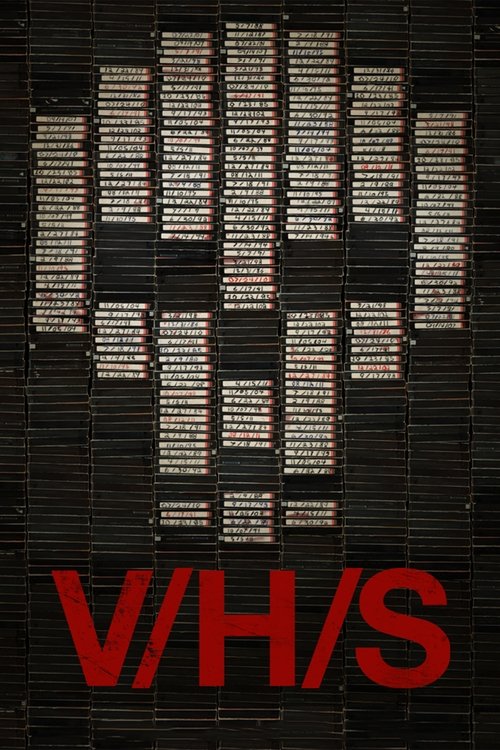
There is a specific, primal anxiety attached to finding a stack of unlabeled VHS tapes in a dead man’s house. In 2012, we were firmly entrenched in the digital age—streaming was starting to flex its muscles and DVDs were gathering dust—but V/H/S arrived to remind us that analog magnetic tape feels inherently cursed. It’s the grain, the tracking issues, and the way the audio warps like a dying gasp. I remember watching this for the first time in a basement apartment where the radiator kept clanking in the dark, and I actually had to pause the movie to make sure the scratching sound wasn't coming from behind my own drywall.

V/H/S isn't just a movie; it’s a high-octane mixtape curated by the "Who’s Who" of the early 2010s indie horror scene. Before they were making Godzilla vs. Kong or The Invisible Man, guys like Adam Wingard and David Bruckner were just kids with shaky cameras and a few thousand dollars trying to scare the absolute hell out of us.
The Found Footage Mixtape
The setup is classic grime: a group of petty thugs are hired to break into a derelict house to steal a specific rare VHS tape. What they find is a corpse rotting in a chair in front of a wall of buzzing television monitors. As they sift through the collection, we see what’s on the tapes. This frame narrative, directed by Adam Wingard and written by Simon Barrett, captures that grimy, "should I be watching this?" voyeurism that fueled early internet creepypasta culture.
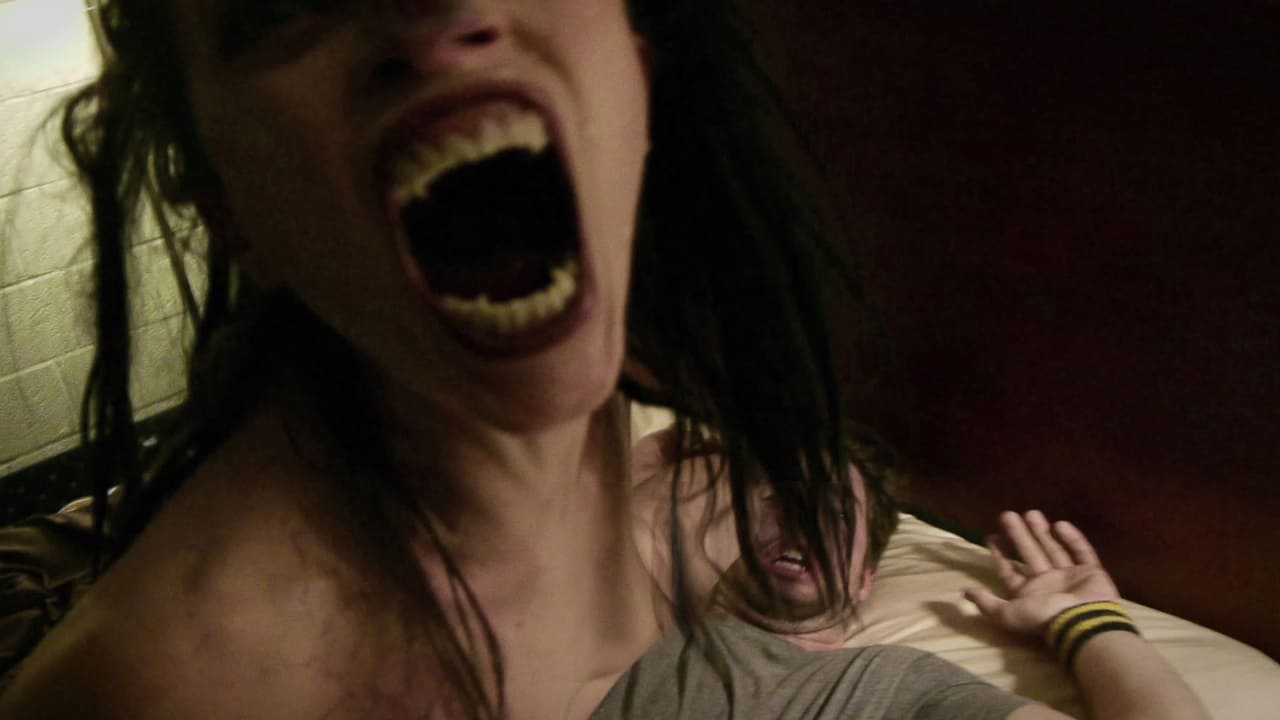
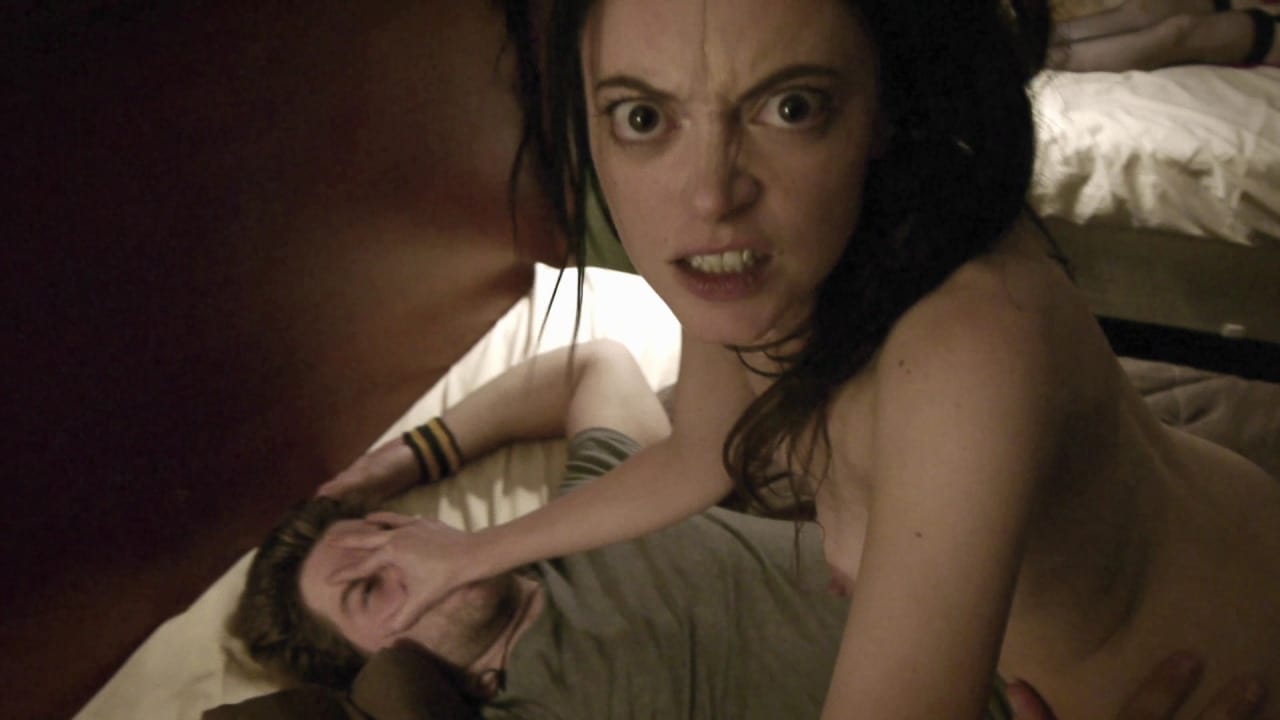
The first segment, "Amateur Night," is arguably the film's masterpiece. Directed by David Bruckner, it follows three dudes with "camera glasses" looking to film a night of debauchery. It starts as a typical frat-boy nightmare but pivots into a terrifying creature feature. Hannah Fierman plays Lily, a girl they pick up at a bar who "likes" them a little too much. Her performance is unsettling even before the wings come out; those wide, unblinking eyes are the stuff of genuine night-terrors. Bruckner’s segment proves that found footage didn’t die because it was bad; it died because people forgot it was supposed to feel dangerous.
Budget Ingenuity and Indie Grit
What fascinates me looking back is the sheer economy of the filmmaking. With a combined budget of around $242,000, V/H/S is a masterclass in "limitations breed creativity." This was the era of the "Sundance Generation" of horror—the mumblecore-meets-macabre movement. You can see the hand-to-mouth filmmaking in every frame. Most of the actors, like Calvin Lee Reeder and Lane Hughes, were friends or fellow directors within the same circle, lending the movie a raw, naturalistic vibe that big-budget studio horror usually polishes away.
Not every segment hits a home run. Ti West's "Second Honeymoon" is a slow-burn road trip thriller that feels a bit lethargic compared to the chaos surrounding it, and Joe Swanberg’s "The Sick Thing That Happened to Emily When She Was Younger" relies heavily on the technical limitations of 2012 Skype calls. But the hit rate is surprisingly high for an anthology. The final segment, "10/31/98" by the collective known as Radio Silence (Matt Bettinelli-Olpin, Tyler Gillett, and Chad Villella), is a frantic haunted house escape that uses practical effects and clever camera pans to make you feel like you’re trapped in a collapsing dimension. It’s loud, it’s messy, and it’s a blast.
The Ghost in the Machine
Looking back from over a decade later, V/H/S feels like a time capsule of a very specific technological transition. It uses the "found footage" trope to bridge the gap between the analog past (the physical tapes) and the digital present (the GoPros and webcams). It’s a love letter to the era of the "video nasty," where horror was something you discovered on a bottom shelf in a dusty shop, rather than something served up by an algorithm.

The practical effects throughout are a highlight. In an era where CGI was becoming the cheap fallback for indie films, V/H/S leaned into the wet, the sticky, and the tangible. The glitchy, distorted monster in the woods segment is still one of the most clever uses of digital artifacts I've ever seen. It turned the "flaws" of digital recording into the source of the horror itself.
While it spawned a massive franchise—some sequels being better than others—the original 2012 entry remains the most vital. It’s an uneven, sweaty, and often mean-spirited little movie that perfectly captures the "anything goes" spirit of the indie horror renaissance. It doesn't care if you're comfortable; it just wants to make sure you can't look away from the static.
Ultimately, V/H/S is the cinematic equivalent of a ghost story told around a campfire where you’re pretty sure you heard a twig snap in the darkness. It’s rough around the edges and occasionally logic-defying, but it has a soul—a dark, distorted, magnetic-tape-covered soul. If you can stomach the shaky-cam, it’s a essential piece of modern horror history that still packs a punch. Just make sure you check your locks before you hit play.

Keep Exploring...
-
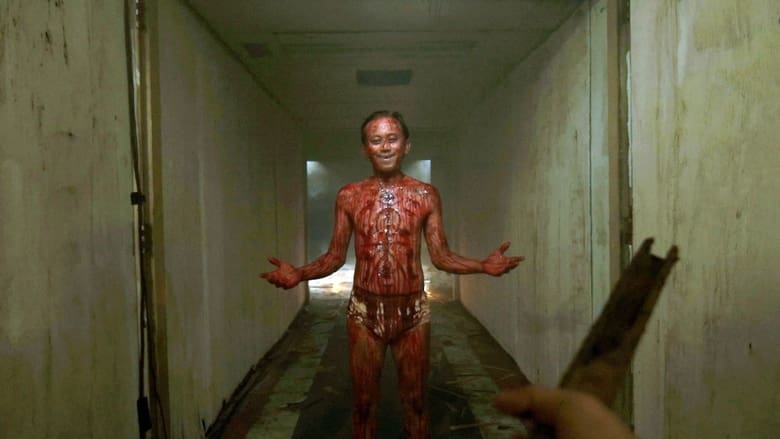
V/H/S/2
2013
-
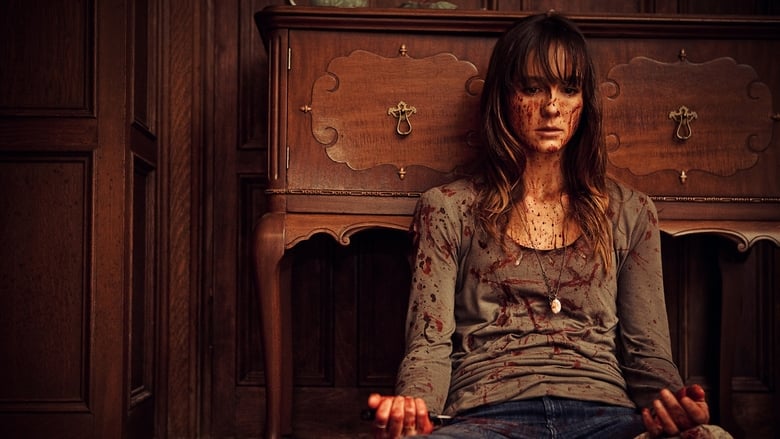
You're Next
2013
-
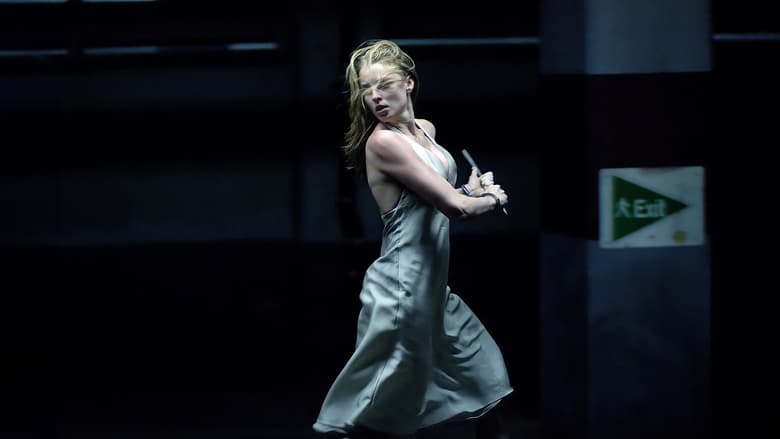
P2
2007
-
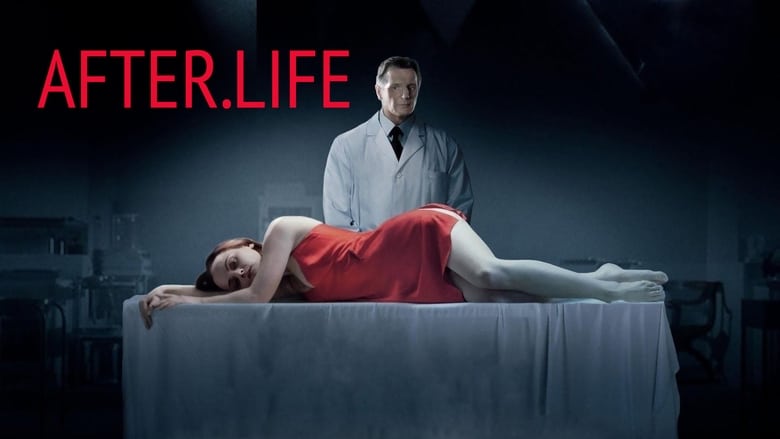
After.Life
2009
-
I Spit on Your Grave
2010
-
The Last Exorcism
2010
-

Red State
2011
-

Sinister
2012
-
Dark Skies
2013
-
X
2022
-
Grave Encounters
2011
-
The Awakening
2011
-
![[REC]⁴ Apocalypse backdrop](https://image.tmdb.org/t/p/w780/wKQpAxTL5MOpkb9Mk6w4vabtSe7.jpg)
[REC]⁴ Apocalypse
2014
-
Open Water
2004
-

The Guest
2014
-
Ring
1998
-
The Hole
2001
-

Dog Soldiers
2002
-
High Tension
2003
-
Wolf Creek
2005