Wolf Children
"Growing up is the wildest transformation of all."
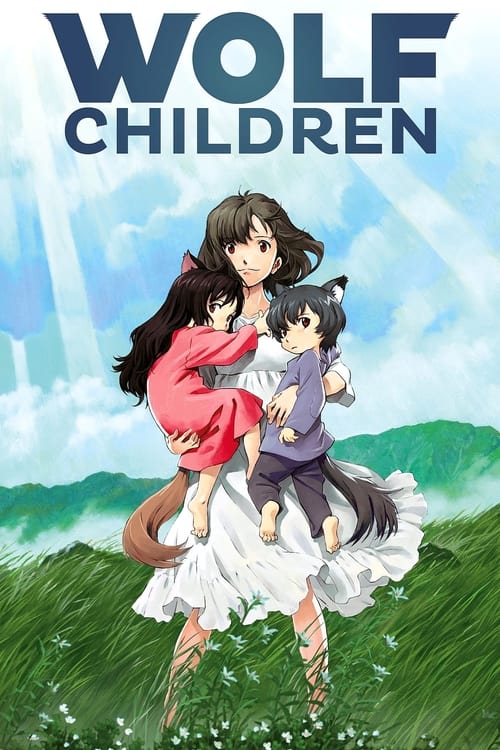
The first time I sat down with Mamoru Hosoda’s Wolf Children, I was leaning back in a cheap, squeaky IKEA desk chair, nursing a cup of jasmine tea that eventually went stone cold because I forgot I was holding it. There is a specific kind of cinematic spell that makes you forget your physical surroundings, and Hosoda—who had already wowed us with The Girl Who Leaps Through Time and Summer Wars—crafted a masterpiece here that feels less like a "cartoon" and more like a stolen memory.
In the landscape of 2012, big-budget animation was leaning hard into the "slickness" of the digital age. We were seeing the rise of hyper-detailed textures and snappy, meta-humor. Then came Wolf Children, a film that felt like it had one foot in the future of digital compositing and the other firmly planted in the hand-drawn soil of the 1980s. It’s a drama that uses fantasy as a trojan horse to talk about the most terrifying thing on earth: raising a human being (or two) and then having to let them go.
The Weight of the Mundane
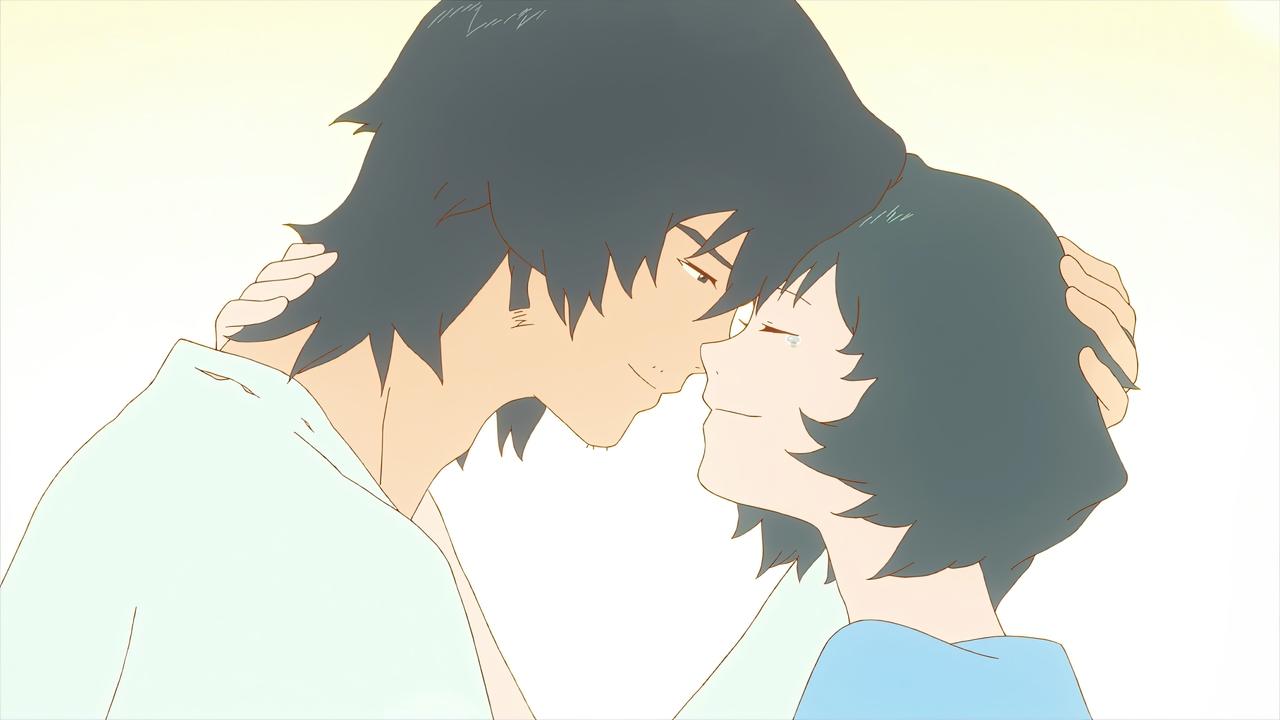
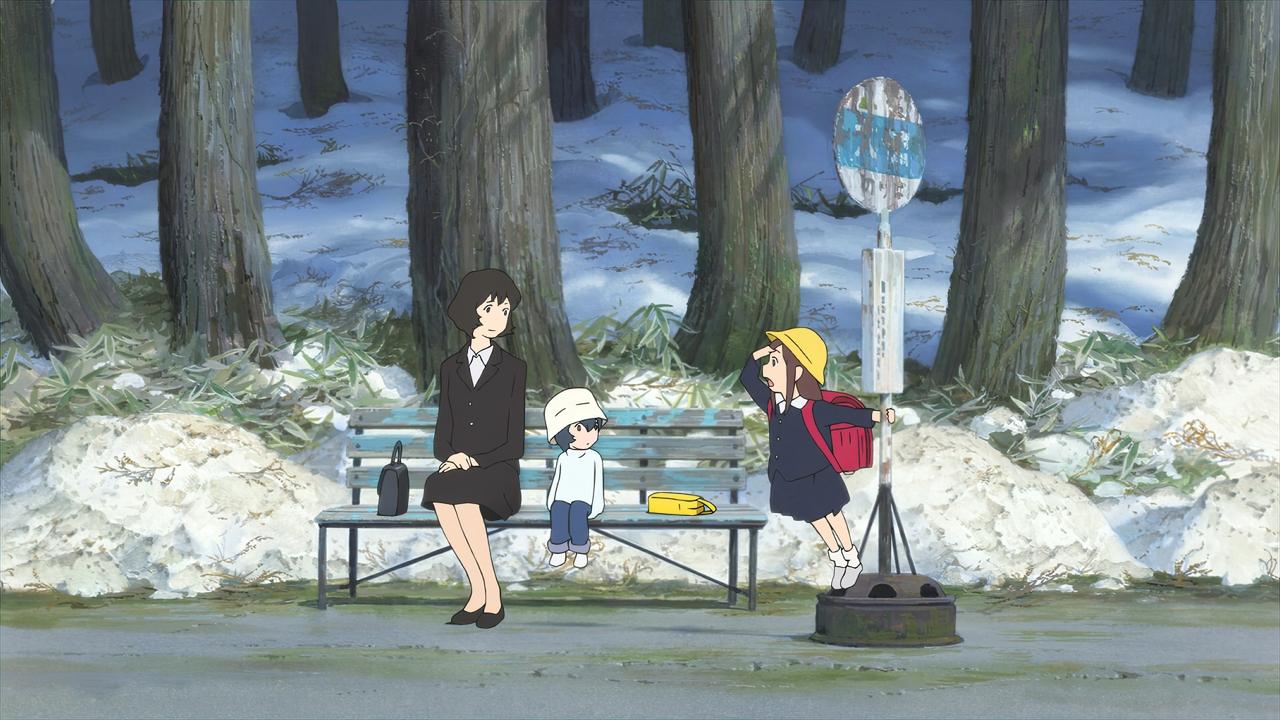
The story kicks off with a college student named Aana (voiced with incredible warmth by Aoi Miyazaki) falling for a mysterious loner (Takao Osawa) who happens to be the last of a line of Japanese wolves. It’s a whirlwind romance, but the film makes a daring choice: it kills off the "Prince Charming" in the first twenty minutes. This isn't a spoiler; it's the premise. The real story begins when Hana is left alone in a cramped Tokyo apartment with two toddlers, Yuki and Ame, who turn into wolf cubs whenever they throw a tantrum.
I’ve always found that the best dramas aren't about the grand speeches, but the small, exhausting details. Hosoda spends a significant amount of time showing Hana trying to hide her children’s true nature—avoiding the doctor because she doesn't know if she needs a pediatrician or a vet, and dealing with noise complaints that sound like barking. Parenting is just a slow-motion heartbreak disguised as a success story, and seeing Hana’s relentless, quiet optimism in the face of poverty and isolation is genuinely moving. She eventually flees the city for a dilapidated house in the countryside, and that’s where the film truly begins to breathe.
Nature, Nurture, and the Digital Brush
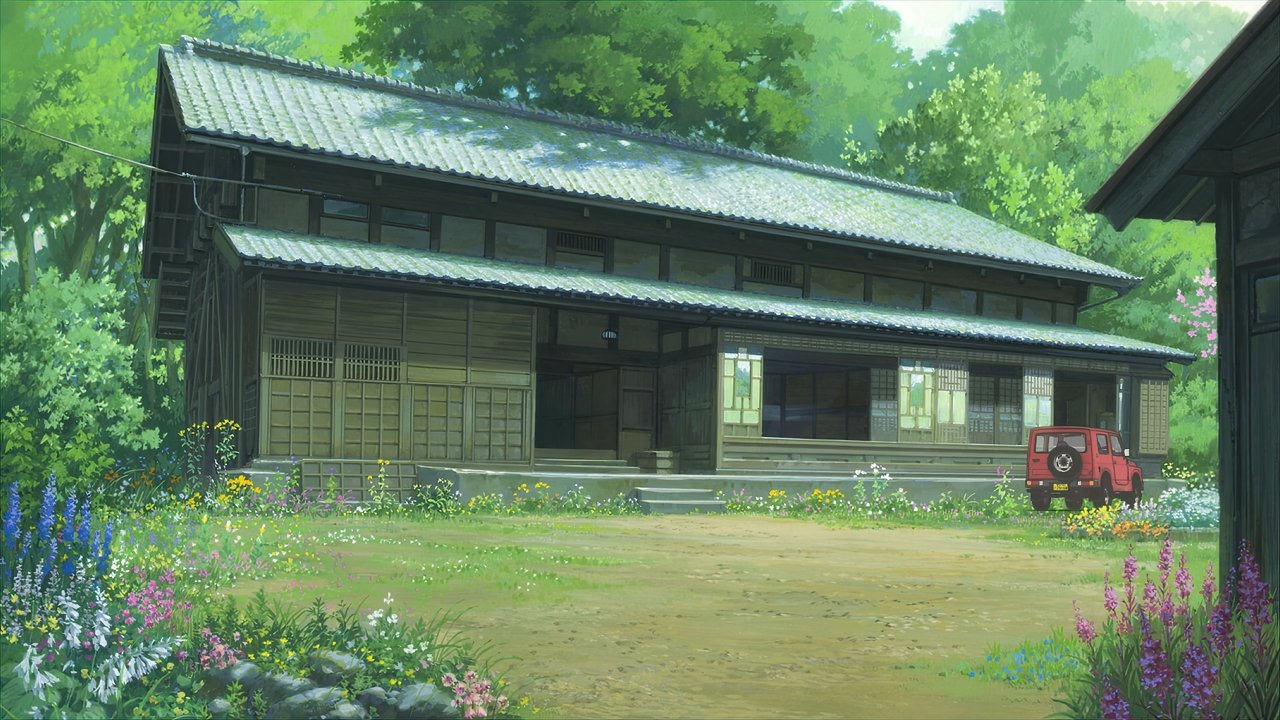
Looking back at 2012, we were right in that sweet spot where digital backgrounds were starting to look indistinguishable from paintings. Studio Chizu and Madhouse used this technology to create a version of the Japanese countryside that feels more "real" than a photograph. There is a sequence where the family runs through a fresh snowfall, and the way the camera tracks their movement—shifting between human and wolf forms—is a technical marvel that still holds up. It doesn't look like "early CGI"; it looks like an intentional artistic choice.
The score by Masakatsu Takagi is equally vital. It’s light, percussive, and organic. It avoids the swelling orchestrations of a typical Hollywood drama, opting instead for something that feels like wind moving through tall grass. It complements the performances perfectly, especially Haru Kuroki as the older, more rambunctious Yuki. The film asks a deeply philosophical question: Are we who we are born to be, or who we choose to be? As Yuki and Ame grow, they head in opposite directions—one toward the structured world of humans, the other toward the wild, chaotic truth of the forest.
A Cult Classic That Earned Its Tears
While Wolf Children was a hit in Japan, its journey to "cult classic" status in the West was fueled by the DVD and Blu-ray boom of the early 2010s. It was the film that fans would hand to their friends who "didn't like anime," serving as a bridge between the whimsy of Hayao Miyazaki and the grounded, modern sensibilities of the new generation. Apparently, Hosoda founded Studio Chizu specifically to produce this film, wanting total creative control over the story, which was partially inspired by his own reflections on starting a family.

The production team actually spent months studying wolf behavior at zoos, but they also spent time in rural Toyama to get the specific "feel" of a decaying farmhouse. That attention to detail shows. It’s why the film resonates so deeply with collectors—it’s a physical object of craft. I’ve noticed that fans often debate the ending, which is bittersweet and avoids the easy "everyone stays together" resolution. It’s a brave conclusion that respects the children's autonomy over the mother's desire for safety.
Wolf Children is a rare feat of storytelling that manages to be both intellectually stimulating and emotionally devastating. It doesn't rely on a villain or a world-ending threat; the "conflict" is simply the passage of time and the diverging paths of identity. Whether you’re a fan of the 2010s indie-animation boom or just someone who appreciates a well-told story about the human condition, this is essential viewing. Just make sure you have a fresh box of tissues—and maybe a warm cup of tea you’ll actually remember to drink.
Keep Exploring...
-
The Girl Who Leapt Through Time
2006
-
The Boy and the Beast
2015
-
Whisper of the Heart
1995
-
Anastasia
1997
-
Spirit: Stallion of the Cimarron
2002
-
Treasure Planet
2002
-
Ponyo
2008
-
The Secret World of Arrietty
2010
-
The Tale of The Princess Kaguya
2013
-
When Marnie Was There
2014
-
Neon Genesis Evangelion: The End of Evangelion
1997
-

A Christmas Carol
2009
-
Coraline
2009
-
Song of the Sea
2014
-
The Garden of Words
2013
-
Millennium Actress
2002
-

The Cat Returns
2002
-
Rise of the Guardians
2012
-
The Book of Life
2014
-
Summer Wars
2009