Wreck-It Ralph
"Winning isn't everything when you're programmed to lose."
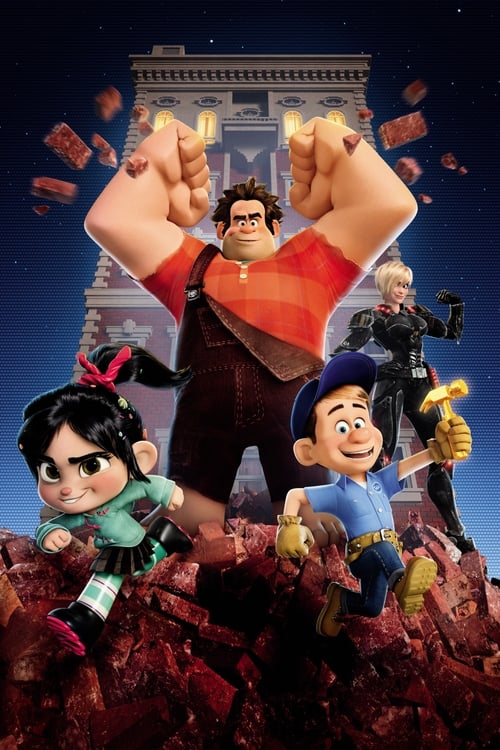
The "Bad-Anon" support group meeting remains one of the most inspired opening sequences in the history of modern animation. There is something profoundly human about a 9-foot-tall, 643-pound pixelated demolition man sitting in a circle with a ghost from Pac-Man and Bowser from Super Mario Bros., reciting the Villain’s Affirmation: "I am bad, and that’s good. I will never be good, and that’s not bad." For anyone who grew up feeding quarters into machines in smoke-filled arcades, this wasn't just a movie; it was a high-definition homecoming.
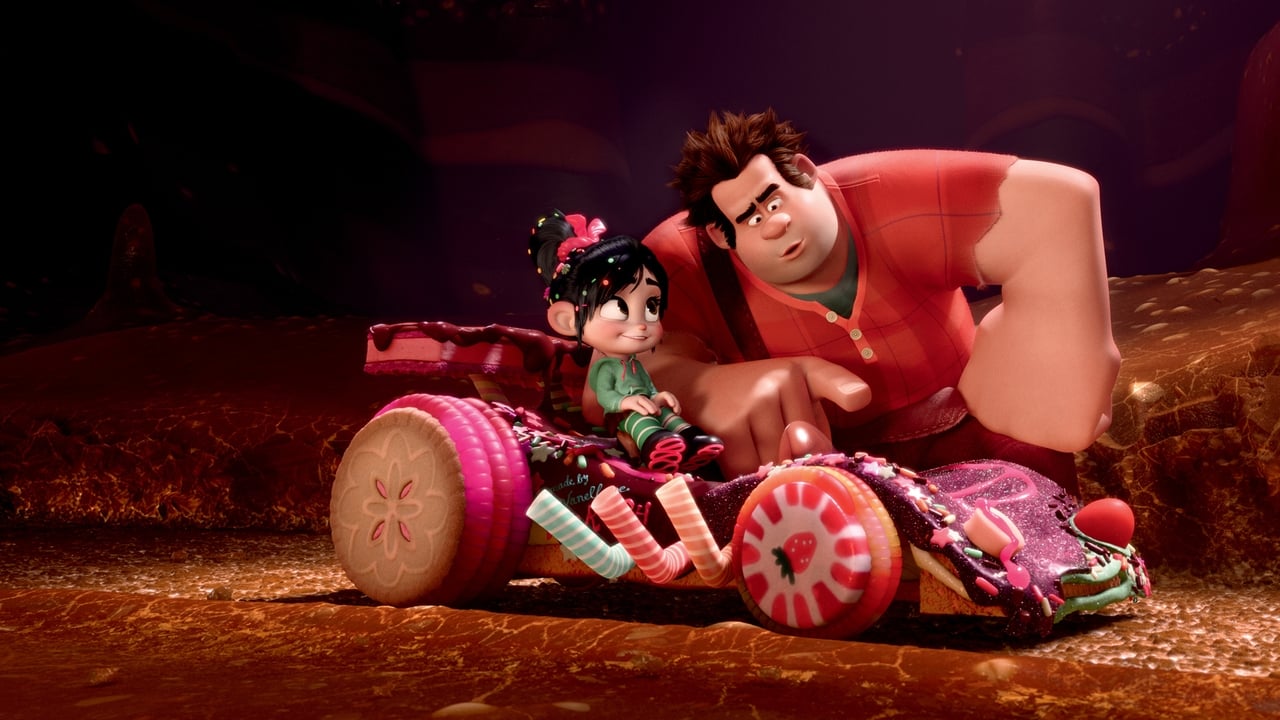
I watched this film on a Tuesday afternoon while my cat, Barnaby, kept trying to swat the neon-colored "Sugar Rush" sprinkles on the screen, clearly mistaking the 4K rendering for a very expensive laser pointer. That glitchy, tactile energy is exactly what makes Wreck-It Ralph (2012) such a standout in the Disney "Revival" era. It arrived at a moment when Walt Disney Animation Studios was finally shedding the awkwardness of its early-2000s CGI experiments and finding a visual language that could rival Pixar’s emotional depth.
From 8-Bit Grunts to High-Def Heart
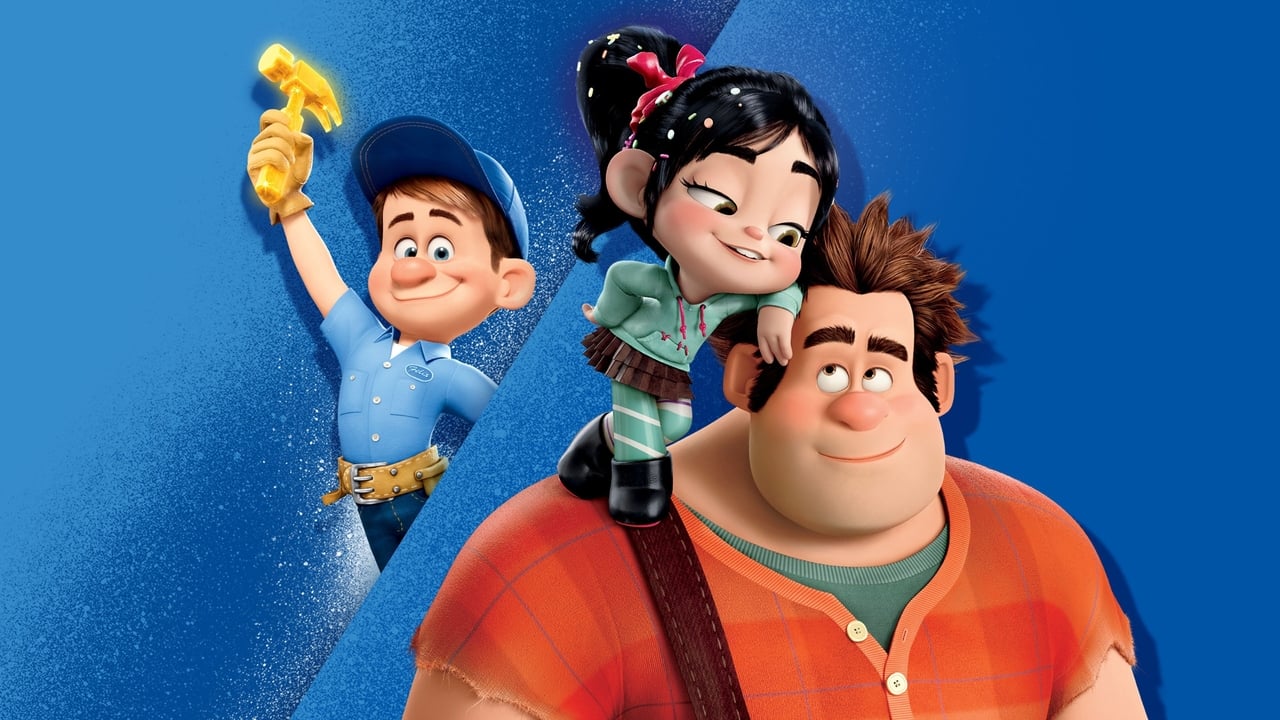
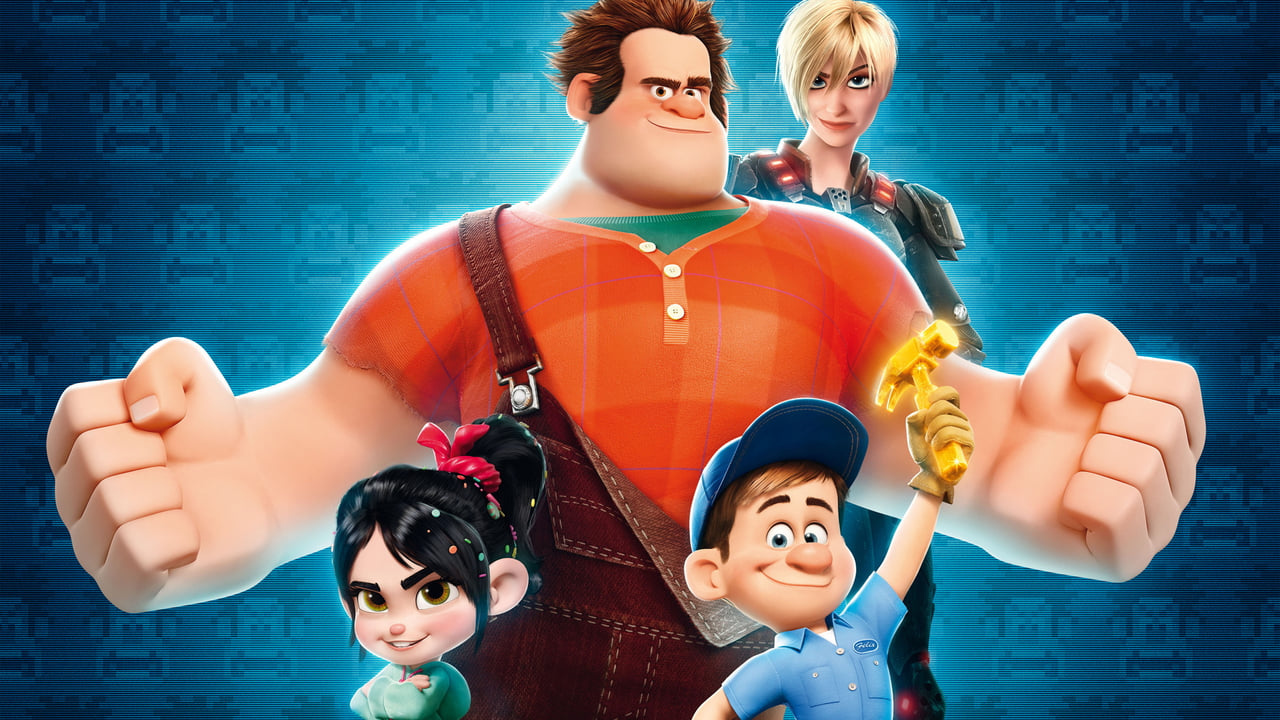
The brilliance of Rich Moore’s direction lies in the contrast between the three primary game worlds. We start in Fix-It Felix Jr., a world of jerky, 8-bit movements and 90-degree turns that captures the limitations of 1982 technology with staggering affection. John C. Reilly provides the voice of Ralph, and his natural, "everyman" weariness is the film’s secret weapon. He’s not a monster; he’s a blue-collar worker who has been doing the same soul-crushing job for thirty years without a single "thank you."
Opposite him is Jack McBrayer as Fix-It Felix, whose "shucks-and-golly" persona is the perfect foil to Ralph’s existential dread. The film captures that specific transition of the late 2000s where "retro" became a lifestyle brand. Looking back, this was Disney’s first major play at a shared universe that felt organic rather than corporate. By the time Ralph migrates to Hero’s Duty—a desaturated, terrifyingly loud first-person shooter—the film is making a sharp meta-commentary on how gaming evolved. The Hero’s Duty segment feels like a dated parody of Gears of War that overstays its welcome, but it effectively highlights Ralph’s displacement. He’s a relic of a simpler time, shoved into a post-9/11 landscape of gritty realism and "cy-bugs."
The Candy-Coated Nightmare
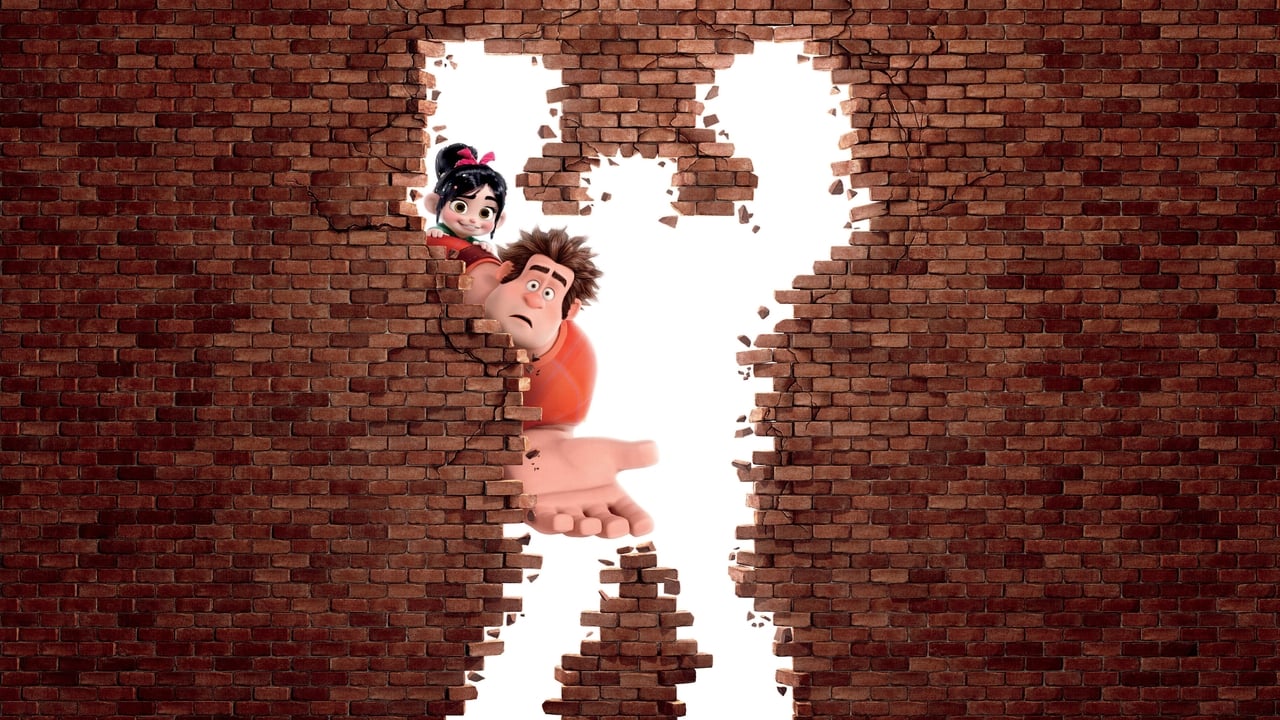
The bulk of the adventure takes place in Sugar Rush, a kart-racing game that looks like a fever dream directed by Antoni Gaudí if he’d been obsessed with Haribo. It’s here that Ralph meets Vanellope von Schweetz, voiced with manic, sugar-crashing brilliance by Sarah Silverman. While the "annoying kid" trope can often sink a film, the chemistry between Reilly and Silverman works because both characters are social pariahs.
One of the most fascinating bits of production trivia is that the Sugar Rush world was actually inspired by the filmmakers' research trip to Barcelona, where they studied the organic, melting shapes of Modernist architecture. It gives the world a textured, "sticky" feel that was a massive leap forward for Disney’s lighting and rendering engines at the time. Alan Tudyk also delivers a career-best vocal performance as King Candy, channeling the frantic, lisping energy of Ed Wynn (the original Mad Hatter) to create a villain who is simultaneously hilarious and deeply unsettling.
The BIOS of Our Childhood
What elevates Wreck-It Ralph to a "cult-adjacent" status among film nerds is the obsessive level of detail hidden in the background. It’s a film built for the "Pause" button, a hallmark of the DVD/Blu-ray culture that was reaching its zenith just before streaming took over.
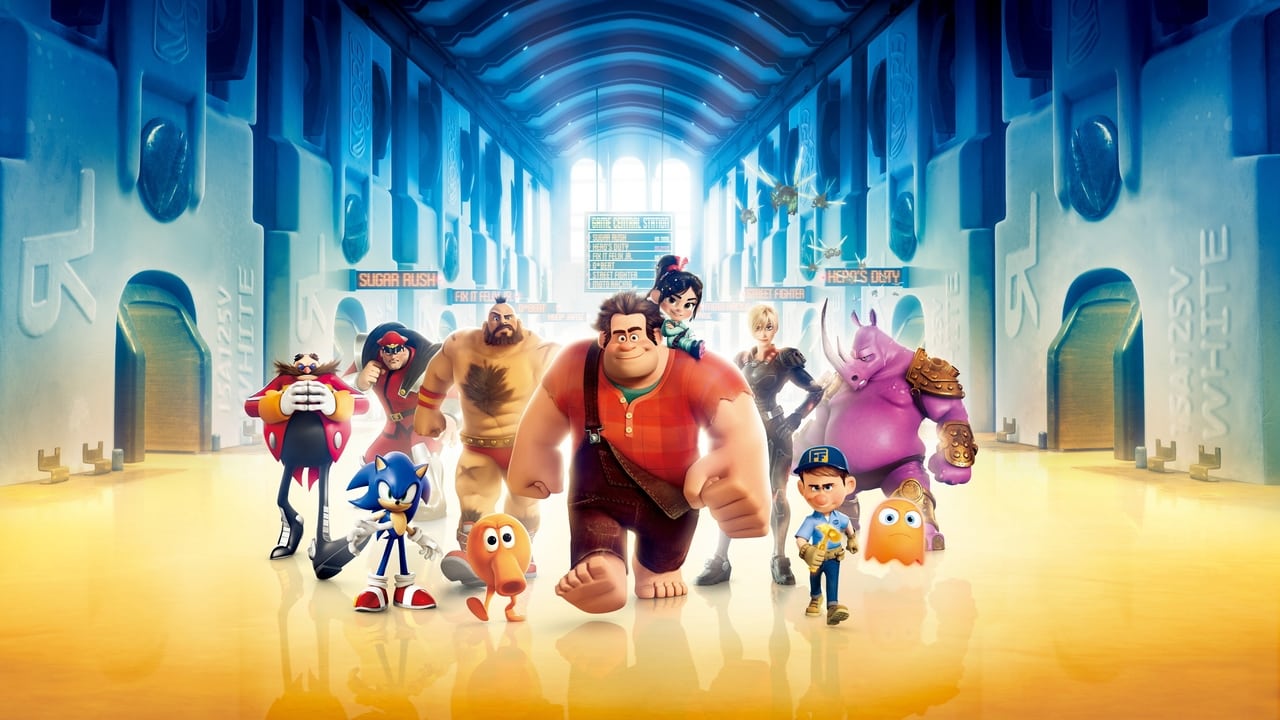
Licensing Hurdles: Apparently, getting Nintendo to agree to let Bowser appear was a feat of diplomacy. The producers noted that Nintendo was very specific about how Bowser should hold his teacup during the villain support group. The "Turbo" Reveal: The backstory of Turbo—a character who abandoned his game out of jealousy—is a surprisingly dark piece of lore for a family film. It taps into that very real "Y2K" era anxiety about technology becoming obsolete. Skrillex Cameo: Keep your eyes peeled during the DJ scene at the 30th-anniversary party; the dubstep pioneer makes a pixelated appearance, perfectly dating the film to that specific 2012 musical zeitgeist. A113 & Beyond: Like most Disney/Pixar films of the era, the "A113" classroom number appears on the screen in Hero’s Duty, but the "Konami Code" also makes an appearance as a plot device—a nod to the gamers who spent their youth memorizing Up-Up-Down-Down-Left-Right-Left-Right-B-A.
Ultimately, Wreck-It Ralph succeeds because it understands that adventure isn't just about traveling to new lands; it’s about the internal journey of self-acceptance. It manages to balance the cynicism of a military shooter with the cloying sweetness of a candy-themed racer, all while maintaining a consistent emotional core. It’s a film that respects the history of its medium, acknowledging that while graphics may improve, the need for a good story—and a hero who’s okay with being the bad guy—is timeless.
In the years since its release, the film has held up remarkably well, largely because it prioritizes character over mere "I recognize that character!" cameos. While the sequel went a bit too heavy on the "Internet-of-things" marketing, the original remains a tight, colorful, and surprisingly moving exploration of what it means to be a person in a world that only sees you as a set of programmed instructions. It’s a high-score achievement in every sense.
Keep Exploring...
-
Ralph Breaks the Internet
2018
-
Zootopia
2016
-
Meet the Robinsons
2007
-

Bolt
2008
-
Rango
2011
-

Brave
2012
-
ParaNorman
2012
-
Mr. Peabody & Sherman
2014
-

Penguins of Madagascar
2014
-
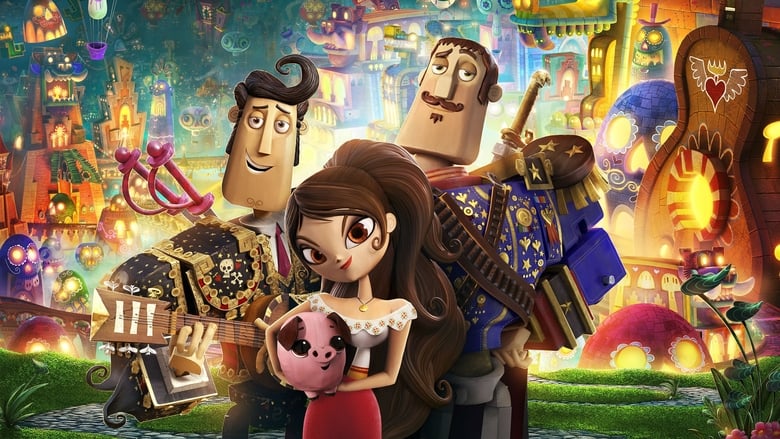
The Book of Life
2014
-
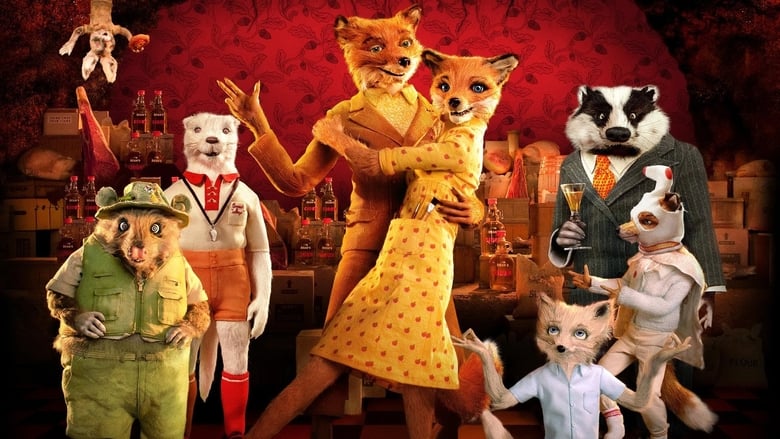
Fantastic Mr. Fox
2009
-
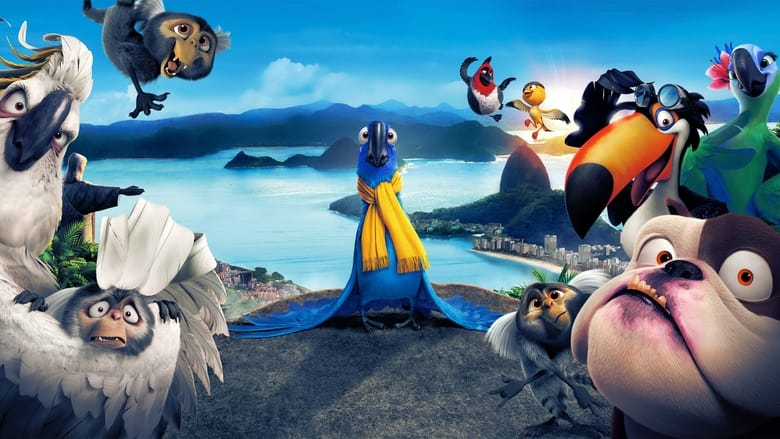
Rio
2011
-
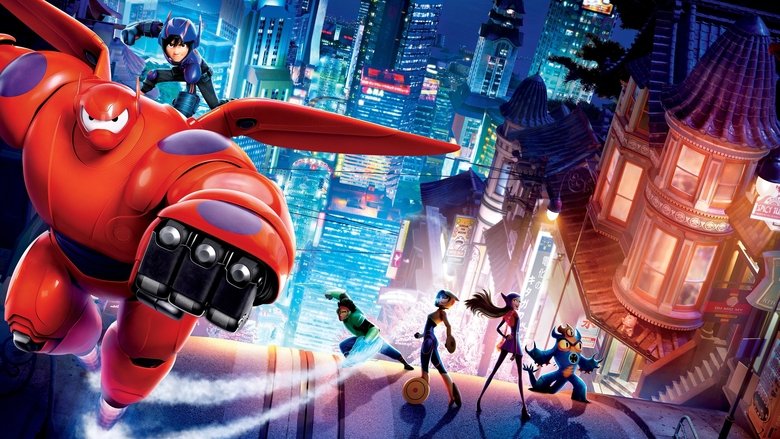
Big Hero 6
2014
-
Hercules
1997
-

The Emperor's New Groove
2000
-
The Road to El Dorado
2000
-

Sinbad: Legend of the Seven Seas
2003
-
The Lion King 1½
2004
-
Shrek the Halls
2007
-

Horton Hears a Who!
2008