Zero Dark Thirty
"The cost of finding the world's most wanted man."
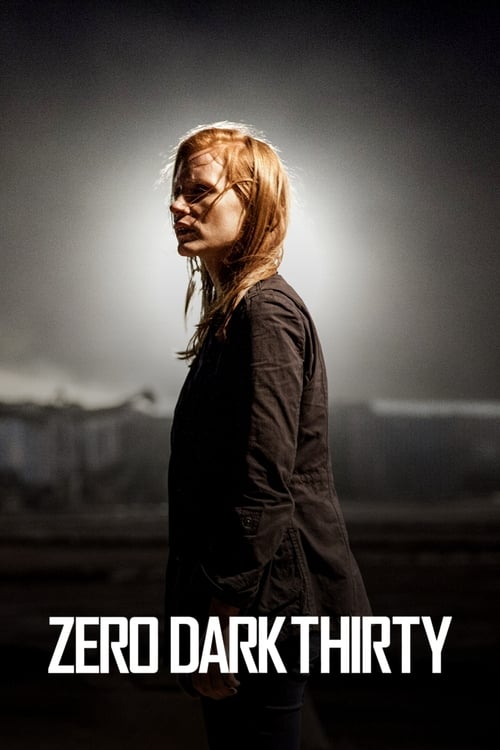
The first thing you hear in Zero Dark Thirty isn't a gunshot or a patriotic score; it’s the darkness. Before a single frame appears, director Kathryn Bigelow forces us to listen to the frantic, heartbreaking 9/11 emergency calls over a black screen. It’s a bold, punishing way to start a film, grounding the next two and a half hours in a reality that most "war movies" try to gloss over with slow-motion flags and heroic speeches.
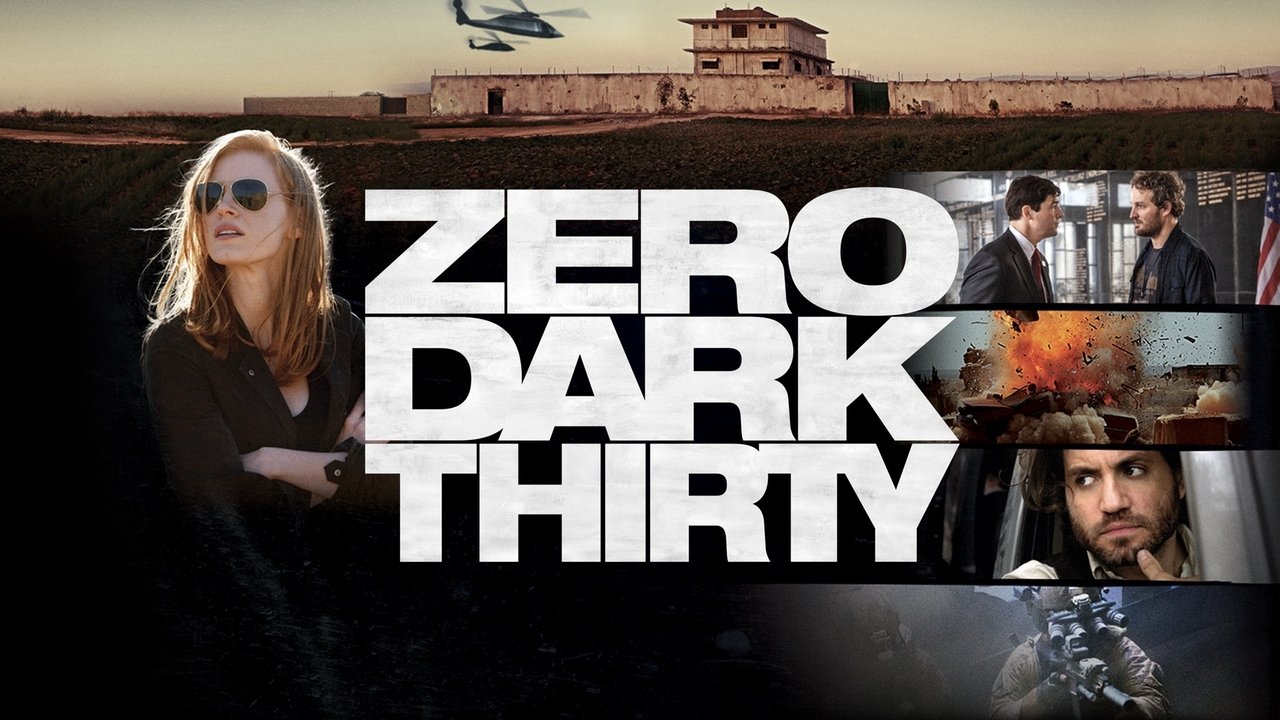
I first sat down with this movie in a drafty hotel room where the overhead light kept flickering at rhythmic intervals, and honestly, the technical glitch only added to the feeling of being trapped in a CIA "black site." By the time the credits rolled, I felt like I’d aged five years alongside the protagonist. This isn't a movie you watch to feel good about the world; it’s a movie you watch to understand the clinical, exhausting machinery of obsession.
The Face of Obsession
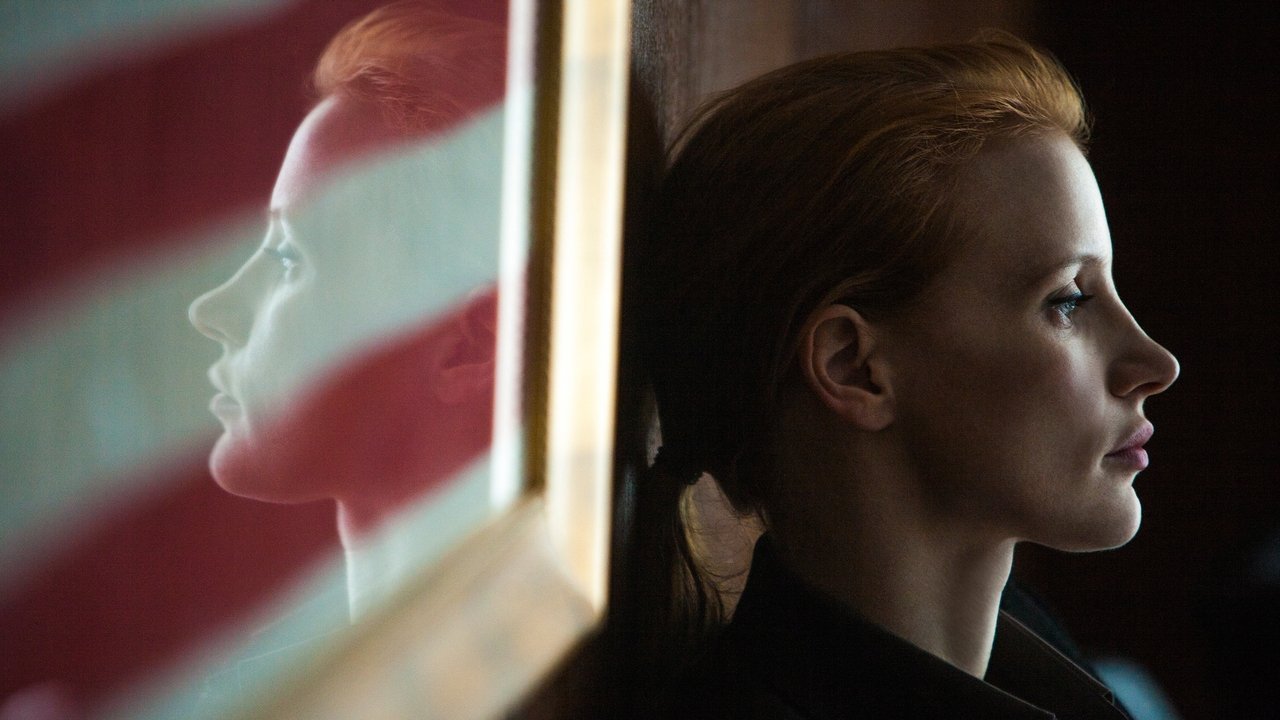
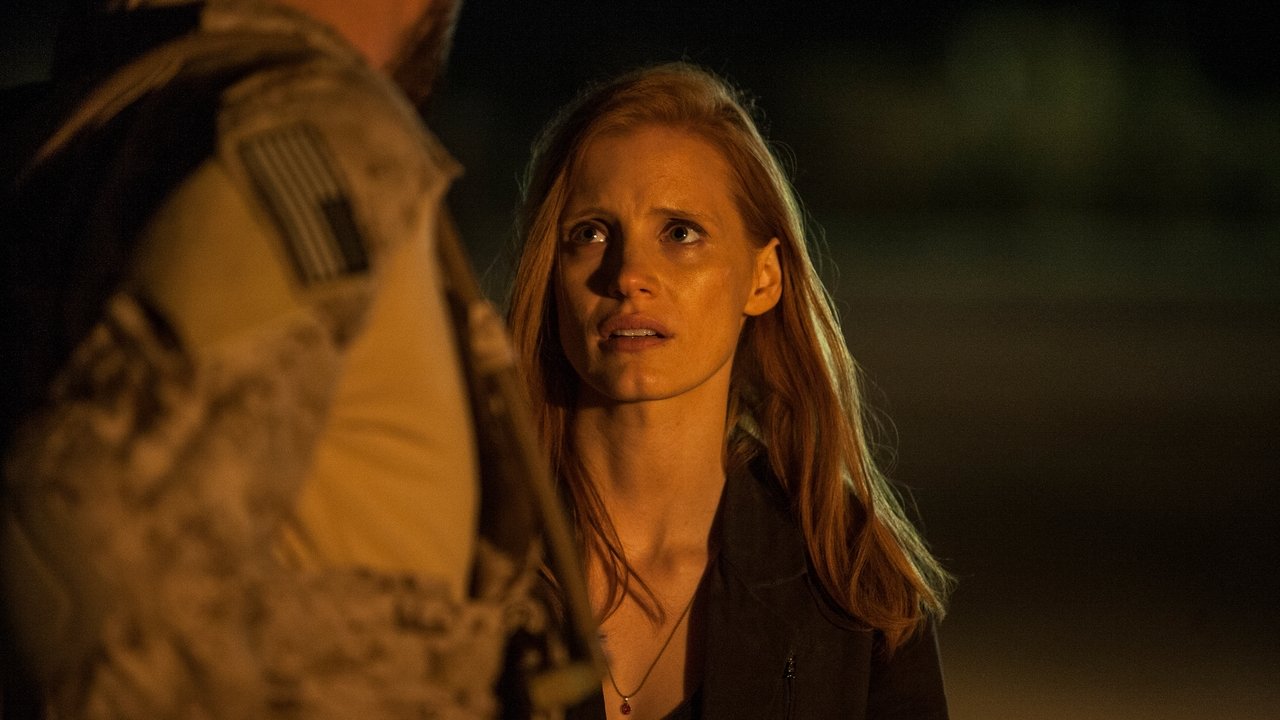
At the heart of the hunt is Maya, played by Jessica Chastain with a controlled ferocity that remains, in my opinion, the best work of her career. When we first meet her, she’s a "fresh from high school" recruit (as her boss puts it) witnessing a brutal interrogation led by Jason Clarke’s Dan. Watching Jessica Chastain’s face during these early scenes is a study in internal transformation. She doesn't start as a hardened warrior; she starts as someone who has to decide, in real-time, how much of her soul she’s willing to trade for information.
Jason Clarke is terrifyingly casual here. He goes from offering a prisoner a drink to participating in waterboarding without breaking a sweat, treating the horror of the situation like a tedious day at the office. This reflects the film's broader approach to the "Modern Cinema" era’s obsession with post-9/11 moral gray areas. Zero Dark Thirty doesn't ask if the torture was right—it simply shows the grim, bureaucratic reality of it. The torture scenes aren't a moral endorsement; they're a receipt for a soul-crushing transaction.
As the years tick by, Maya becomes less of a person and more of a ghost haunting the hallways of the CIA. She has no friends, no boyfriend, and seemingly no life outside of the data points leading to "UBL." It’s a lonely, cold performance that anchors a film which could have easily felt like a dry PowerPoint presentation on intelligence gathering.
A Procedural in the Shadows
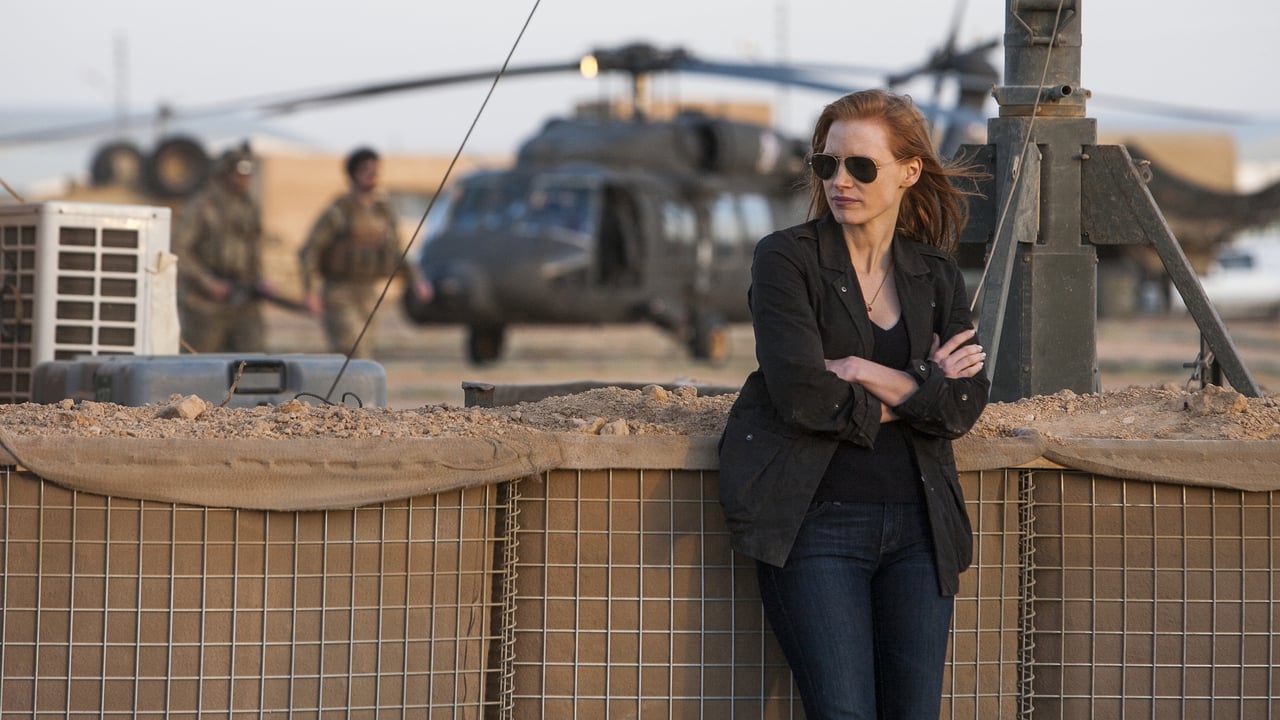
Kathryn Bigelow and writer Mark Boal (who previously collaborated on The Hurt Locker) opted for a procedural structure that feels more like All the President’s Men than Rambo. Most of the movie takes place in cramped offices, over-lit interrogation rooms, and dusty Pakistani streets. The cinematography by Greig Fraser (who would later give us the visuals for Dune and The Batman) captures the transition of the 2000s from grainy analog surveillance to the high-definition digital era. Everything looks sharp, cold, and slightly oppressive.
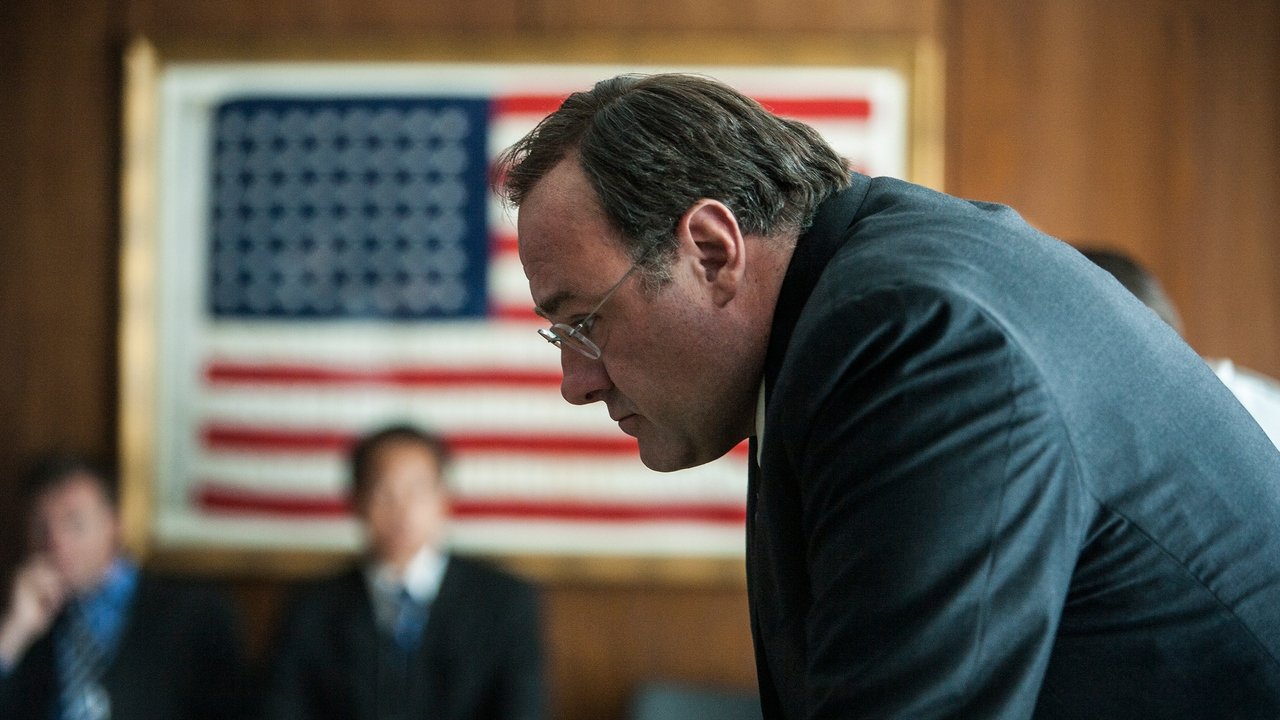
The film's middle act is a fascinating look at the "Manhunt" as a series of dead ends and bureaucratic hurdles. We see Kyle Chandler as the skeptical station chief and Mark Strong as a high-level official who finally loses his cool in a boardroom, screaming at his team about their failure to find a single lead. It’s a "Blockbuster" that made $132 million mostly by showing people looking at monitors and arguing about courier names—and yet, it’s more tense than most car chases.
The production itself was a lightning rod for controversy. Mark Boal’s access to classified intelligence led to a series of investigations, and the film’s release was actually pushed back until after the 2012 U.S. Presidential election to avoid claims of political bias. There’s a grit to the production that feels earned; they even built a full-scale replica of the Abbottabad compound in Jordan, which was so accurate that it reportedly gave former intelligence officers pause.
The Silence of the Raid
When the climax finally arrives—the May 2011 raid—the film shifts gears entirely. We move from Maya’s desk to the night-vision goggles of Navy SEAL Team 6, led by a stoic Joel Edgerton and a young, pre-Guardians of the Galaxy Chris Pratt.
What makes this sequence so effective is the silence. There is no swelling orchestra. There are no quips. It’s just the heavy breathing of the soldiers, the mechanical whir of the "stealth" helicopters, and the terrifyingly sudden bursts of suppressed gunfire. By filming the raid in near-total darkness and utilizing green-tinted night vision, Bigelow makes us feel like intruders in a way that is deeply uncomfortable.
The film ends not with a celebration, but with a question mark. Maya is asked where she wants to go now that her decade-long mission is over, and she has no answer. She just sits in the back of a massive cargo plane and cries. It’s the perfect ending for a film released in 2012—a moment where the "War on Terror" had reached a major milestone, but the world felt no safer and the people fighting it felt no more whole. Zero Dark Thirty is a staggering piece of history-in-motion that refuses to give the audience the easy "USA!" chant they might have expected.
Zero Dark Thirty is a cold, hard look at the price of victory. It manages to be both a sprawling epic and an intimate character study of a woman who looked into the abyss for so long that she eventually became part of it. While the controversy surrounding its depiction of interrogation will always follow it, the film remains a towering achievement of the early digital era, blending investigative journalism with high-stakes filmmaking. It’s an exhausting watch, but an essential one for anyone trying to understand the mood of the early 21st century.
Keep Exploring...
-
The Hurt Locker
2008
-
Strange Days
1995
-

Detroit
2017
-
The Bourne Ultimatum
2007
-
Dawn of the Planet of the Apes
2014
-

Black Swan
2010
-
The Town
2010
-
Argo
2012
-

The Impossible
2012
-
I Am Legend
2007
-
The Girl with the Dragon Tattoo
2009
-
Rise of the Planet of the Apes
2011
-
Gravity
2013
-

The Imitation Game
2014
-

Ghost
1990
-
Cape Fear
1991
-
JFK
1991
-
Point Break
1991
-
A Perfect World
1993
-
The Fugitive
1993