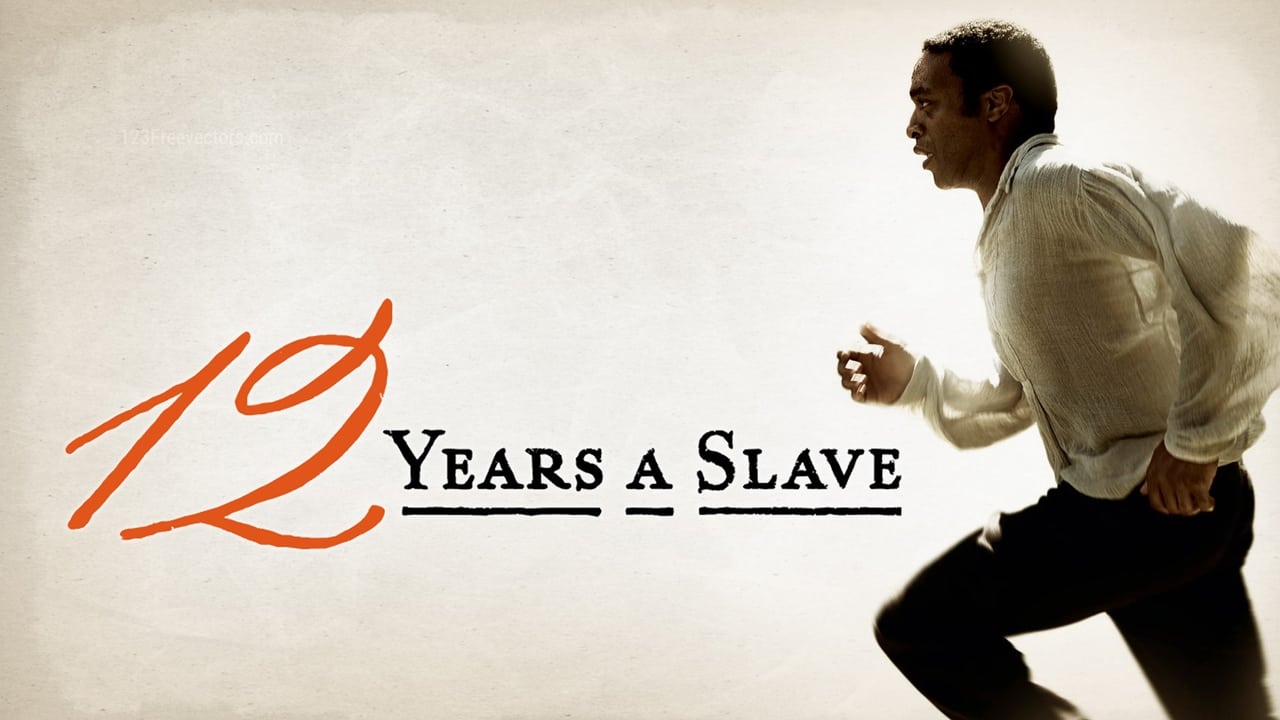
12 Years a Slave
"Survival is not a surrender."
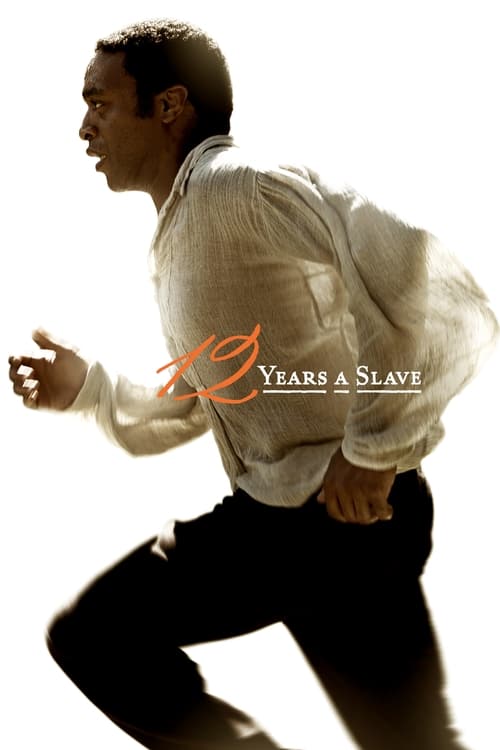
In the fall of 2013, the "prestige drama" was often a code word for something polite, expensive, and ultimately safe. We were used to historical biopics that felt like a museum tour—beautiful to look at, but carefully kept behind velvet ropes. Then Steve McQueen released 12 Years a Slave, and it felt like the velvet ropes were set on fire. I remember the air in the theater feeling physically heavier as the credits rolled; I once dropped an entire box of Raisinets during the opening credits and spent the next two hours feeling too guilty to even reach for them in the dark. It just didn't feel like the kind of movie where you munch on snacks.
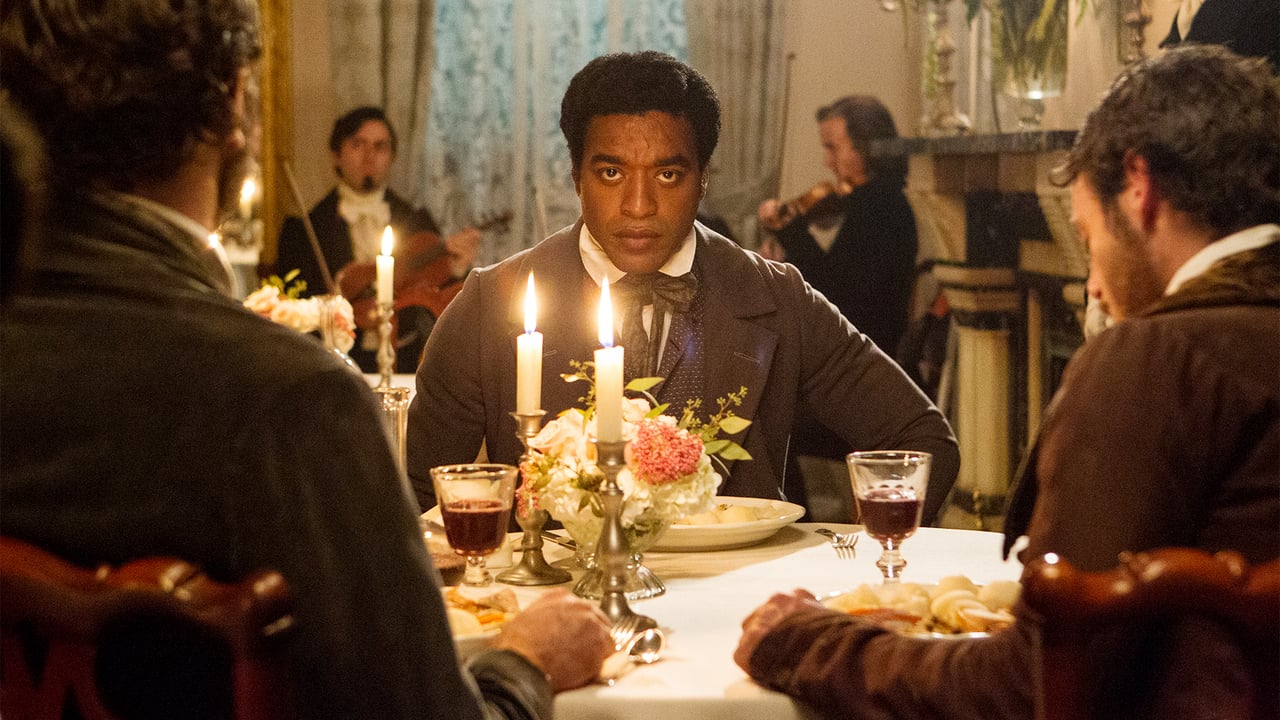
Based on the 1853 memoir by Solomon Northup, the film follows a free Black man from Saratoga, New York, who is drugged, kidnapped, and sold into the machinery of the Antebellum South. It’s a story we think we know from history books, but McQueen—a director who transitioned from the world of high-concept video art (see his work in Hunger or Shame)—refuses to let us look away with our usual academic detachment.
The Power of the Unflinching Eye
The first thing I noticed was the camera. In a digital era where fast cuts and "kinetic" action were becoming the norm, McQueen and cinematographer Sean Bobbitt (who also shot Oldboy) leaned into the power of the long, static take. There is a sequence where Solomon, played by a transcendent Chiwetel Ejiofor, is left hanging by his neck, his toes barely scraping the mud for purchase.
The camera just stays there. It doesn’t cut to a reaction shot or a swelling musical cue. You see the mundane life of the plantation continuing in the background—slaves going about their work, children playing—while a man slowly strangles in the foreground. It’s one of the most agonizing uses of screen time I’ve ever experienced, and it serves a purpose: it forces you to inhabit Solomon’s clock. A minute isn't just a minute; it's a desperate struggle for breath.
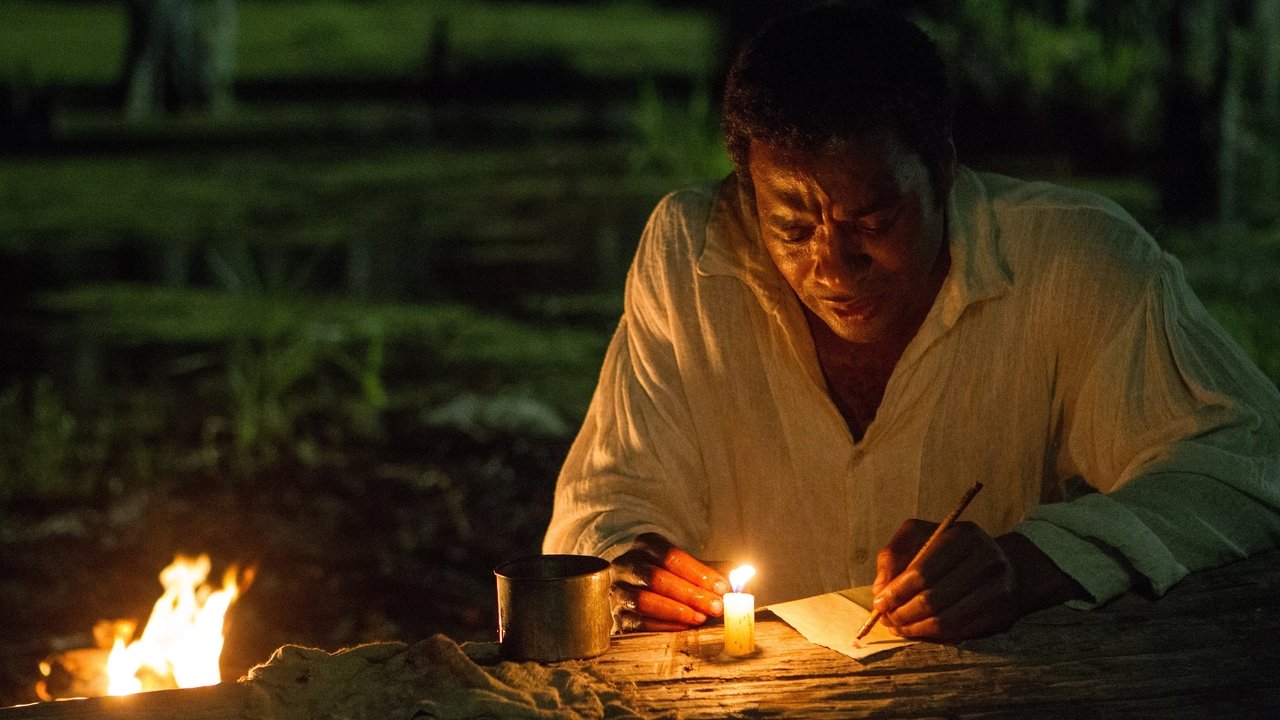
Chiwetel Ejiofor (who I first loved in Children of Men) delivers a performance of incredible internal pressure. He spends much of the film trying to hide his literacy and his past, realizing that "intelligence" is a death sentence in this environment. His eyes are constantly scanning, calculating, and mourning. It’s a masterstroke of restraint.
A Gallery of Human Cruelty
Then there is the Epps plantation. Michael Fassbender, a frequent McQueen collaborator, plays Edwin Epps, and he is terrifying because he isn't a mustache-twirling villain. Fassbender looks like he’s vibrating with a toxic mix of gin, religious delusion, and self-loathing. He’s a man who has convinced himself of his own right to own people, yet he’s clearly being destroyed by the very system he profits from.
Alongside him, Sarah Paulson (of American Horror Story fame) plays Mary Epps with a chilling, quiet venom. Her jealousy toward Patsey—played by then-newcomer Lupita Nyong'o—is a reminder that cruelty in this era wasn't just a male trait; it was a structural rot. Speaking of Nyong'o, her performance is the film's raw nerve. The way she carries herself, like a person who has had every shred of hope systematically extracted, is why she walked away with an Oscar. It’s one of the most deserved "Best Supporting Actress" wins in the history of the Academy.
The "Prestige" Machine and the Legacy
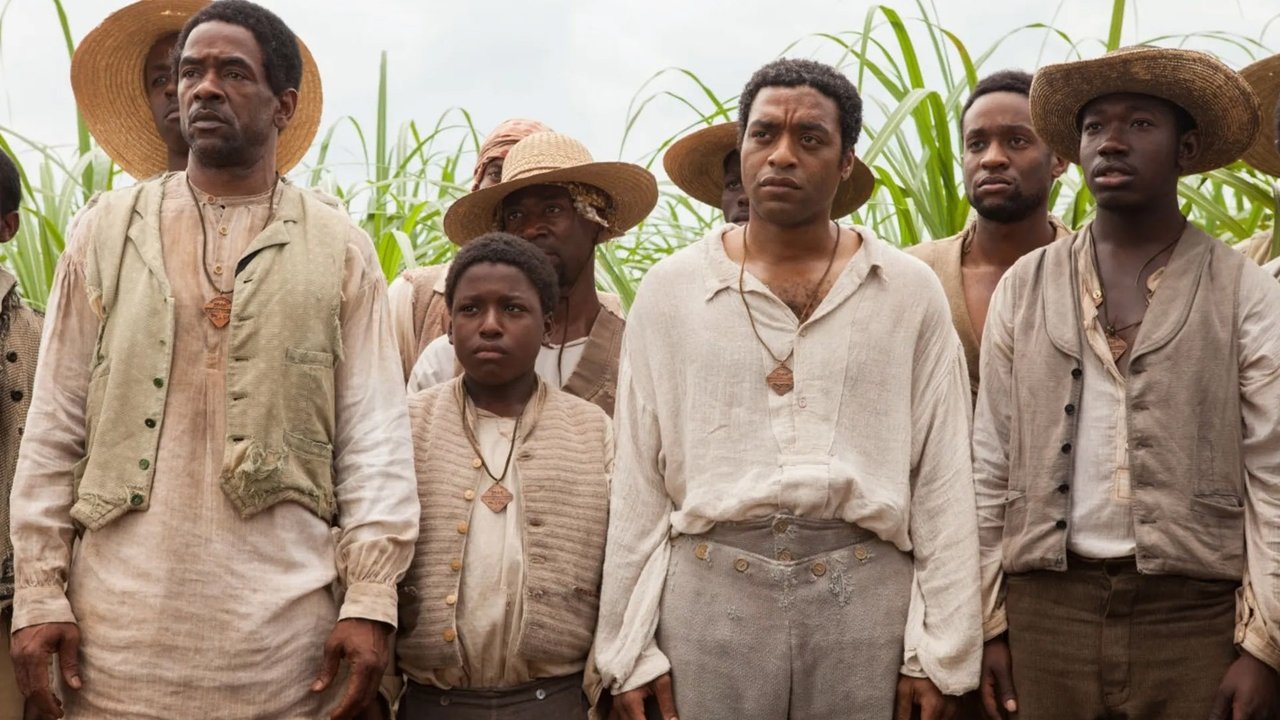
Looking back, 12 Years a Slave arrived at a fascinating crossroads in cinema. It was the height of the "Plan B" era—Brad Pitt’s production company was on a roll, using his star power to get difficult, essential stories financed. Pitt even shows up in a brief cameo as a Canadian abolitionist. Honestly, Brad Pitt’s flowing hair and "aw-shucks" Canadian accent are the only things in this movie that feel like they belong in a different, fluffier film, but his presence was the "green light" the project needed.
The film swept the awards season, becoming the first film directed and produced by a Black filmmaker to win Best Picture. It’s often lumped into the category of "important" cinema, which can sometimes be a polite way of saying "boring but good for you." But that does a disservice to the craft here. From Hans Zimmer’s churning, industrial-sounding score (which shares some DNA with his work on Inception) to the lush, deceptive beauty of the Louisiana locations, every frame is intentional.
It’s a film that reassesses the "Modern Cinema" era’s ability to handle history. It doesn't rely on CGI spectacles or manipulative tropes. Instead, it relies on the human face and the terrifying reality of what happens when one person is given total, unchecked power over another.
This isn't an "easy" watch, and I haven't revisited it many times because of the emotional toll it takes. However, that’s exactly why it matters. It’s a rare example of a prestige film that actually earns its weight. It doesn't just tell you that slavery was a "moral dilemma"—it shows you the physical and psychological grinding of a soul. It’s essential, brutal, and brilliantly acted. If you’ve been putting it off because you "know the story," trust me: you haven't felt it until you've seen this.
Keep Exploring...
-
Hunger
2008
-
Dallas Buyers Club
2013
-

The Imitation Game
2014
-
The Boy in the Striped Pyjamas
2008
-
Saving Mr. Banks
2013
-
Schindler's List
1993
-

Braveheart
1995
-
Saving Private Ryan
1998
-
Downfall
2004
-
Frost/Nixon
2008
-

Milk
2008
-
The Young Victoria
2009
-
The Way Back
2010
-
The Impossible
2012
-
Prisoners
2013
-
Selma
2014
-
Ip Man
2008
-
The Duchess
2008
-
Agora
2009
-
Inglourious Basterds
2009