21 & Over
"Happy Birthday. Don't die."
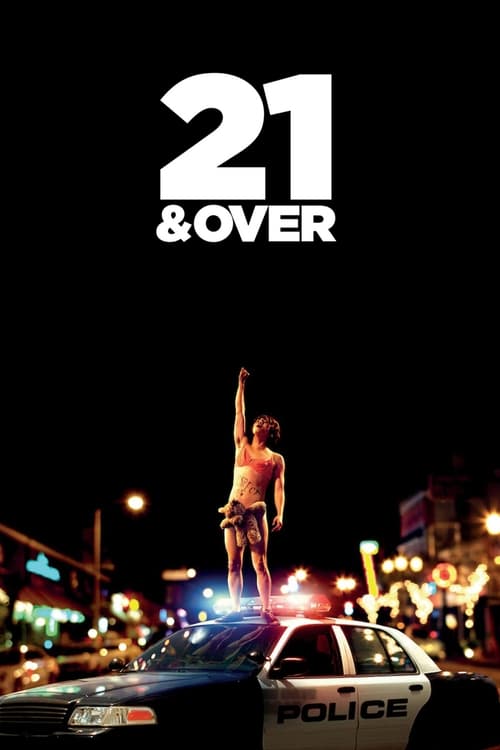
By 2013, the "one wild night" subgenre of comedy was starting to feel less like a fresh cinematic trope and more like a mandatory studio checklist. We were deep in the wake of The Hangover (2009), a period where every script meeting seemingly began with "What if [demographic] got incredibly drunk and lost [important object/person]?" In the case of 21 & Over, the demographic was college seniors, and the "object" was their collective dignity. It arrived at a strange crossroads in the Modern Cinema era—right as the R-rated frat comedy was losing its box-office invincibility and just before the MCU’s total hegemony changed the way we view "star power."

The Hangover's Little Brother
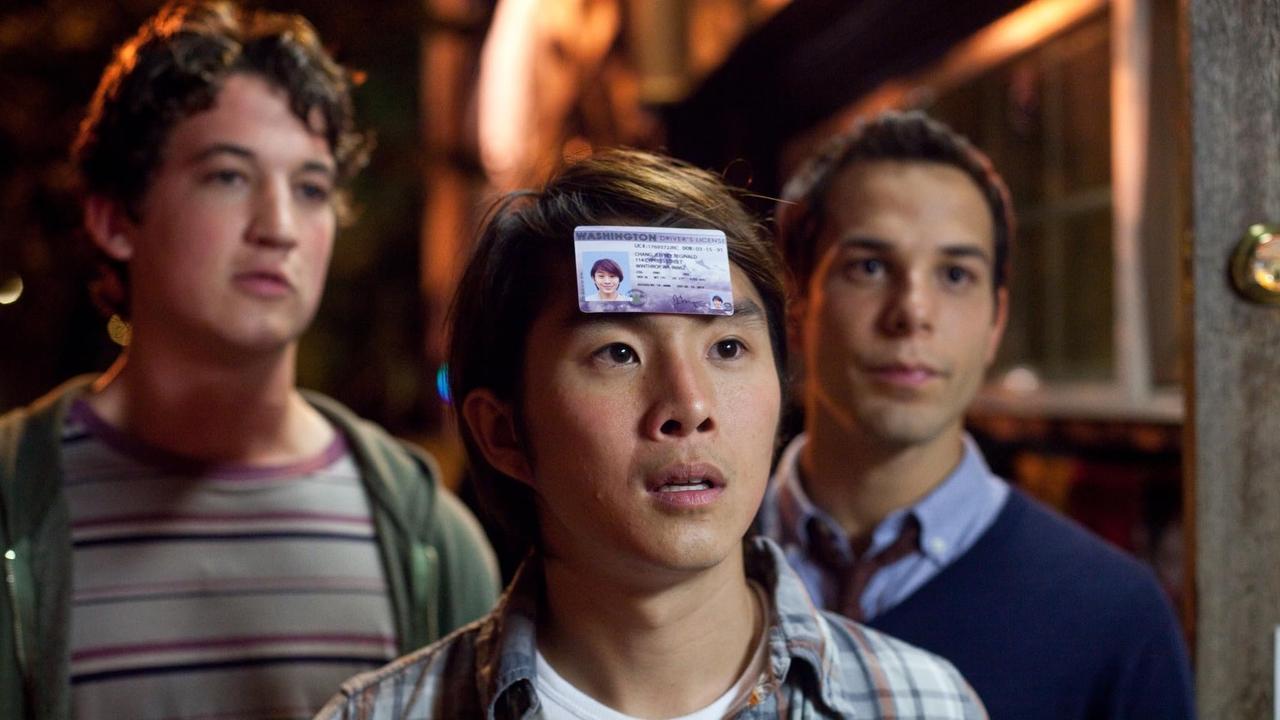
It’s no coincidence that 21 & Over feels like it shares DNA with the Wolfpack; it was written and directed by Scott Moore and Jon Lucas, the same duo who penned the original Hangover. Here, they attempt to capture that lightning in a bottle again, but with a younger, more frantic energy. The premise is lean: Jeff Chang (Justin Chon), a high-achieving student with a terrifyingly stern father (François Chau), is turning 21. His two childhood friends, the fast-talking Miller (Miles Teller) and the more grounded Casey (Skylar Astin), show up to take him out for one drink. Naturally, one drink becomes a hundred, Jeff Chang ends up unconscious, and the trio spends the night trying to find his house before his 7:00 AM medical school interview.
I watched this recently while sitting in a doctor’s waiting room next to a woman who was loudly playing a mobile game that sounded like a slot machine, and honestly, the sensory overload of the film paired perfectly with the "ding-ding-ding" of her digital jackpot. The film is loud, sweaty, and unrepentantly juvenile. It’s a relic of that early 2010s aesthetic where everything was shot on digital—specifically the Arri Alexa here—giving the night-time streets of "Northern Pacific University" a crisp, slightly clinical glow that lacks the grainy, lived-in warmth of the 80s comedies it tries to emulate.
The Birth of a Sarcastic Star
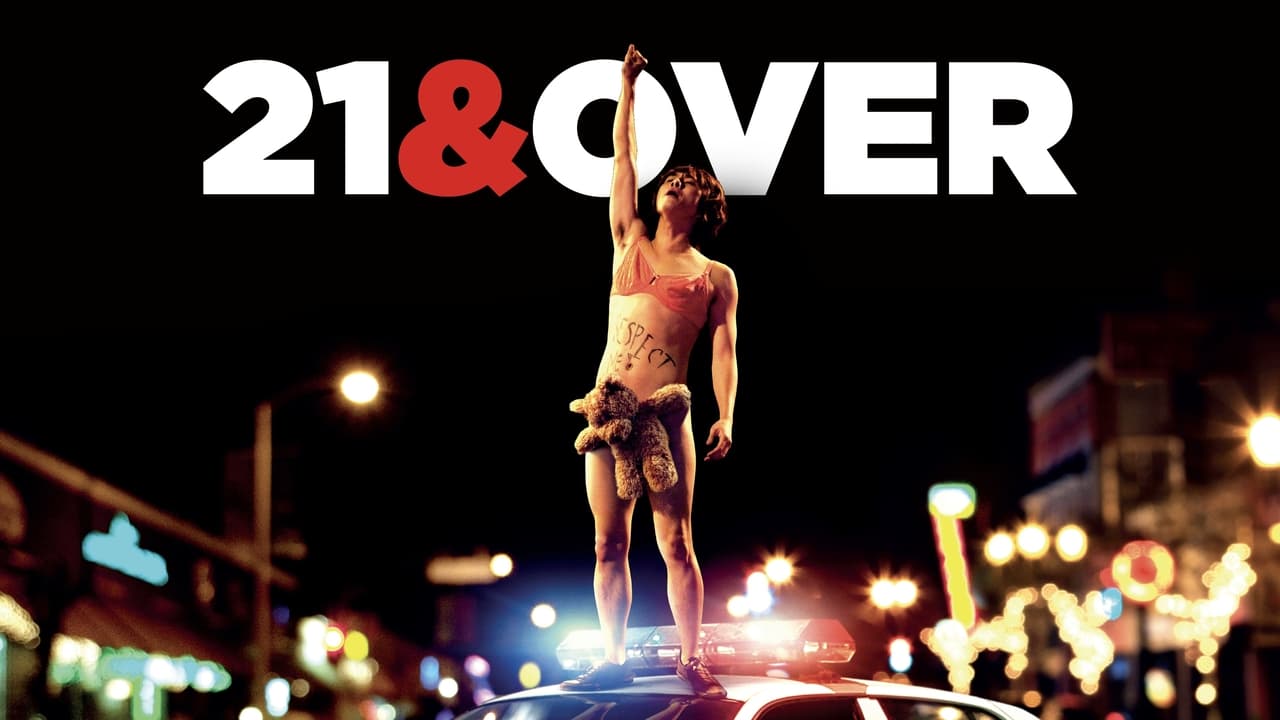
If there is a reason to pull this film out of the "half-forgotten" bin, it is the performance of Miles Teller. Looking back from a post-Top Gun: Maverick and Whiplash world, it’s fascinating to see Teller in his pure, unadulterated "fast-talker" phase. He is doing a high-speed riff on the Vince Vaughn archetype, and Miles Teller's charisma is the only thing keeping this movie from being a federal crime. He has this innate ability to make a deeply obnoxious character—the kind of guy who would definitely ruin your house party—seem somewhat redeemable through sheer verbal dexterity.
Skylar Astin (fresh off Pitch Perfect) does what he can as the straight man, and Justin Chon spends a large portion of the film as a literal prop, being carried from one disaster to the next. It’s a bit of a "what-if" moment for Chon, who has since pivoted into becoming a critically acclaimed director of films like Gook and Blue Bayou. Seeing him here, being used as a projectile or a canvas for various bodily fluids, is a stark reminder of how narrow the roles for Asian-American actors were even as recently as a decade ago. The film tries to address this with a subplot about his overbearing father, but the plot is basically a GPS navigation system with a drinking problem, and any attempt at "character growth" feels like a speed bump in the way of the next gag.
A Time Capsule of the Frat-Com Boom
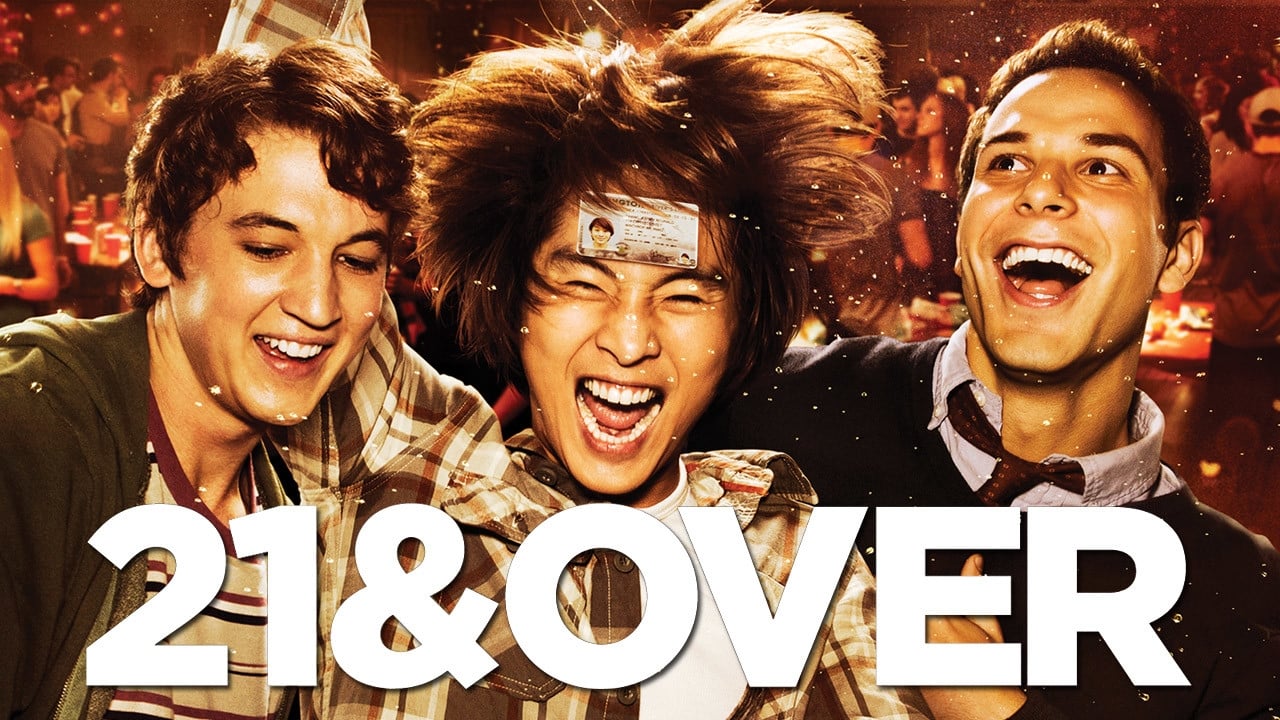
The humor in 21 & Over is a "hit-to-miss" shotgun blast. For every clever line of banter between Teller and Astin, there’s a scene involving a mechanical bull, a buffalo, or a projectile vomiting incident that feels like it was focus-grouped to appeal to the lowest common denominator of 2013. This was the era of "cringe comedy" meeting "gross-out," and while some of it holds up as a chaotic time capsule, other parts feel significantly dated. The portrayal of campus life and the various "tribes" (the sorority girls, the angry Latinos, the over-the-top jocks) feels like a caricature of a caricature.
Why did this film vanish while Superbad or The Hangover stayed in the cultural lexicon? It’s largely a matter of timing. By 2013, the "found footage" chaos of Project X (2012) had already pushed the "party movie" to its logical, nihilistic extreme. 21 & Over felt like a regression to a more scripted, traditional format that couldn't quite compete with the raw, viral energy of what came just before it. It’s a film that was released quietly and disappeared into the DVD bargain bins, overshadowed by the very franchises its creators helped build.
Ultimately, 21 & Over is a decent enough way to kill 90 minutes if you’re in the mood for low-stakes anarchy and a glimpse at a movie star in the making. It doesn't reinvent the wheel, and it certainly doesn't have the heart of its genre predecessors, but the chemistry between the leads provides enough spark to keep the engine running. It’s a minor entry in the Modern Cinema comedy canon—the cinematic equivalent of a hangover that’s annoying but manageable with enough Gatorade and silence.
Keep Exploring...
-
Jexi
2019
-

Four Christmases
2008
-

Bad Moms
2016
-
A Bad Moms Christmas
2017
-
Walk of Shame
2014
-
Be Kind Rewind
2008
-

Drillbit Taylor
2008
-
Ghost Town
2008
-
Harold & Kumar Escape from Guantanamo Bay
2008
-
Made of Honor
2008
-

Nick and Norah's Infinite Playlist
2008
-

Nim's Island
2008
-
Sex Drive
2008
-

The House Bunny
2008
-

Wild Child
2008
-
Aliens in the Attic
2009
-

Ghosts of Girlfriends Past
2009
-

I Love You, Beth Cooper
2009
-

Youth in Revolt
2009
-
Cop Out
2010