47 Ronin
"A $175 million suicide pact with dragons."
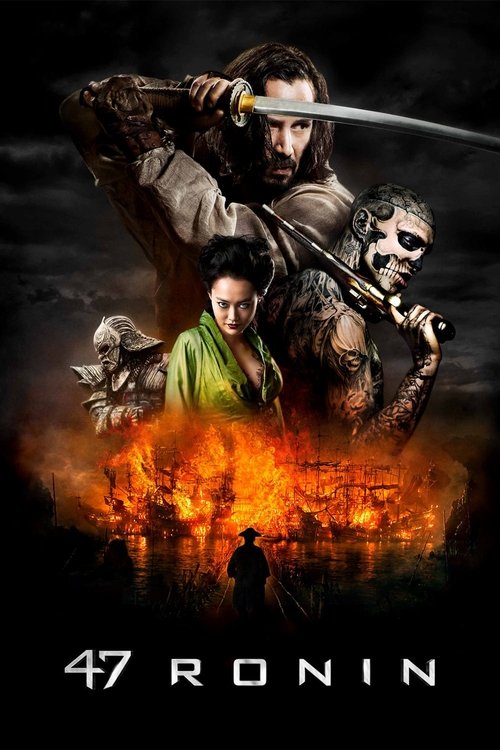
There is a specific brand of studio madness that only really existed between 2010 and 2014. It was a window of time where Hollywood, intoxicated by the billion-dollar successes of Avatar and The Lord of the Rings, decided that every piece of folklore, history, or literature needed to be a "CGI-heavy fantasy epic." This is how we ended up with a $175 million retelling of the most sacred national legend in Japan—the tale of the Chūshingura—reimagined as a monster-slaying quest starring the guy from The Matrix.

I remember watching this for the first time on a flight to Tokyo, wedged into a middle seat next to a toddler who was aggressively trying to share his apple juice with my upholstery. Despite the sticky distractions, I found myself hypnotized by how utterly weird this movie is. It’s a film that shouldn’t exist, yet it leans into its own absurdity with a sincerity that I’ve come to appreciate more a decade later.
The Beautiful Mess of 2013
Looking back, 47 Ronin is a fascinating artifact of the early 2010s. This was an era where "International Appeal" became the primary directive for studio blockbusters. Director Carl Rinsch (who basically disappeared after this) was tasked with blending authentic Japanese period drama with the kind of digital spectacle that would satisfy a global audience used to Harry Potter. The result is a tonal whiplash that I find genuinely charming. One moment you have Hiroyuki Sanada (The Last Samurai, John Wick: Chapter 4) delivering a performance of such grounded, soul-crushing gravity that you forget you're watching a fantasy film. The next, a giant CGI "Kirun" creature is rampaging through a forest like it wandered off the set of a different movie.
The CGI itself is a time capsule. While films like Jurassic Park (1993) used digital effects to enhance reality, 47 Ronin uses them to replace it entirely. It’s that polished, slightly floaty aesthetic that defined the late-digital transition. Some of it, like the shape-shifting Witch played by Rinko Kikuchi (Pacific Rim), is visually inventive and creepy. Other moments, like the CG-heavy landscape shots, look like a very expensive screen saver. But there’s an ambition here that I miss in today’s more "formulaic" Marvel-style visuals.
The Keanu Conundrum
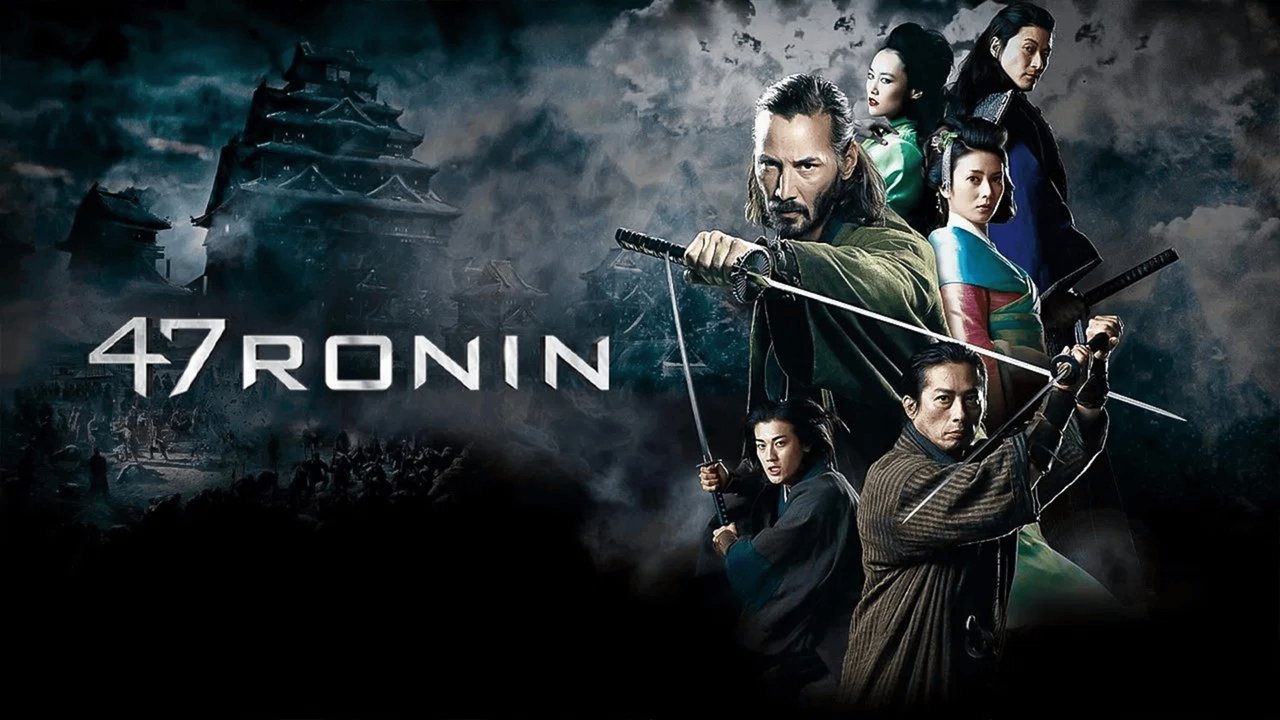
The big sticking point for critics at the time was the inclusion of Kai, the "half-breed" outcast played by Keanu Reeves. It’s easy to dismiss this as "white-washing," but Kai is a strange, subdued character. He’s essentially a supporting player in his own movie, often stepping back to let Hiroyuki Sanada’s Oishi take the lead. Keanu Reeves brings that signature "Zen-like stillness" to the role, which works surprisingly well in a samurai context, even if the studio clearly didn't realize they were funding a movie that ends in mass ritual suicide.
That’s the real kicker. For all its dragons and magic spiders, the film honors the bleak, traditional ending of the 47 Ronin story. In a modern Hollywood landscape where every ending is test-marketed into a happy, franchise-starting sunset, seeing a massive budget movie commit to a tragic "Seppuku" finale is jarring and, frankly, kind of cool. It’s the ultimate "vibe check" for a movie that started with a CG dragon hunt.
Why It Became a Cult Curiosity
The production was famously troubled. Carl Rinsch was reportedly sidelined during the editing process, and the budget ballooned as the studio demanded more action beats for Keanu Reeves. You can feel the "studio notes" in the pacing—sudden jumps from quiet character moments to loud, frantic set pieces.
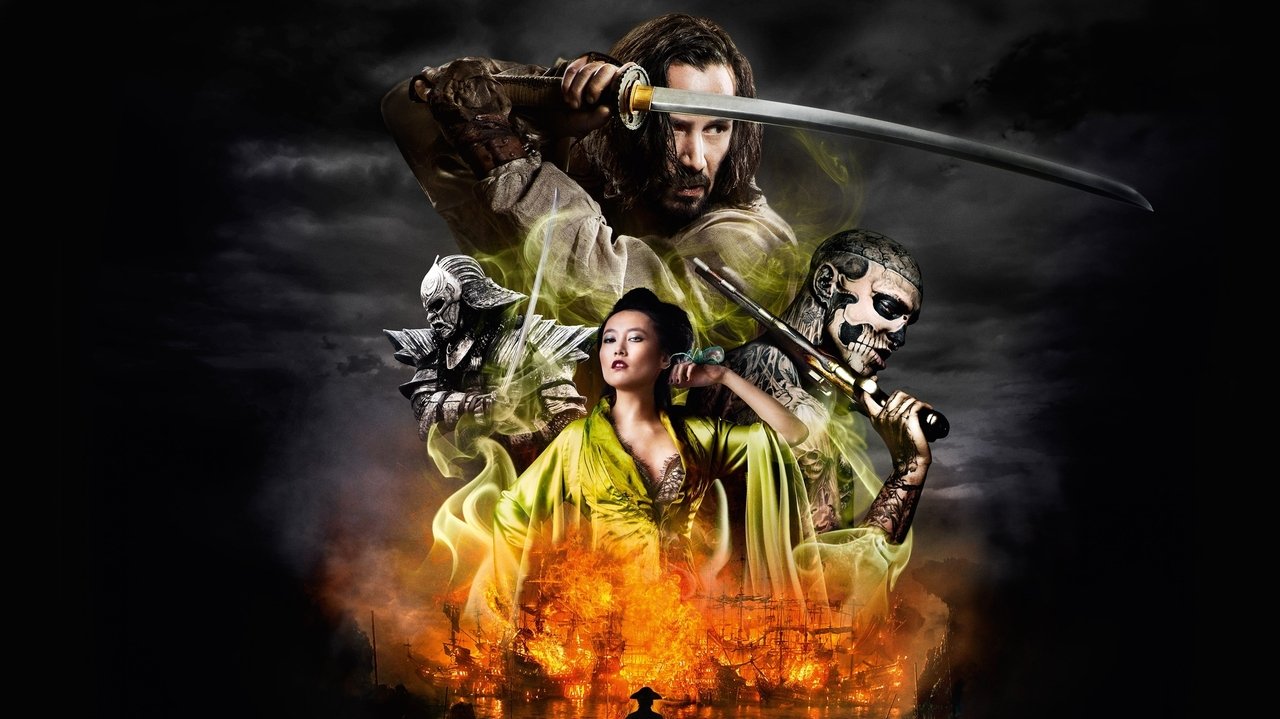
Yet, the film has found a second life among fans who appreciate its unique aesthetic. The costume design by Alexandra Byrne is genuinely world-class; the armor and silks are vibrant in a way that modern "gritty" historical films usually avoid. It’s a movie that looks like a painting, even if the paint is sometimes applied with a fire hose.
Apparently, the film was so misunderstood that it barely made a dent at the box office, but the fan community eventually grew large enough to spawn a direct-to-video sequel in 2022 (47 Ronin: The Blade), which traded the $175 million budget for a cyberpunk setting. That’s the definition of a cult legacy: a movie so weird it refuses to stay dead.
At the end of the day, 47 Ronin is a fascinating failure that’s more interesting than most successful movies. It’s a clash of cultures—not just East vs. West, but artistic ambition vs. corporate mandate. If you go in expecting a historically accurate masterpiece, you’ll be miserable. But if you go in for the gorgeous costumes, Hiroyuki Sanada’s incredible face, and the sheer audacity of a $175 million blockbuster ending on a note of ritual death, it’s a trip worth taking. It’s a reminder of a time when Hollywood was still taking massive, confusing risks.
Keep Exploring...
-

10,000 BC
2008
-
Jack the Giant Slayer
2013
-
Snow White and the Huntsman
2012
-
DragonHeart
1996
-
The Scorpion King
2002
-
Constantine
2005
-

Immortals
2011
-

The Fast and the Furious: Tokyo Drift
2006
-
Cellular
2004
-
The Mummy: Tomb of the Dragon Emperor
2008
-
The Spiderwick Chronicles
2008
-
A Christmas Carol
2009
-
Fast & Furious
2009
-
Night at the Museum: Battle of the Smithsonian
2009
-

The Lovely Bones
2009
-
Green Zone
2010
-
Prince of Persia: The Sands of Time
2010
-
The Sorcerer's Apprentice
2010
-
Priest
2011
-
Real Steel
2011