A Haunted House
"Your ghost is annoying and your house is trash."
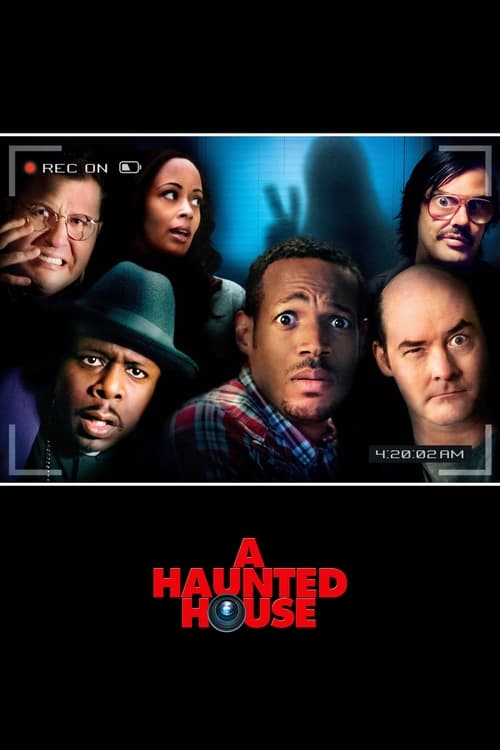
I watched A Haunted House on a Tuesday afternoon while wearing a weighted blanket that was slightly too heavy, making me feel as trapped as the characters on screen, though with significantly less demon-induced flatulence. It’s a strange feeling, revisiting a film that was essentially a middle finger to the self-serious "found footage" era of the early 2010s. By 2013, we were all a little exhausted by Paranormal Activity and its endless stream of imitators. We’d spent too many hours staring at grainy night-vision footage of a bedroom door slightly creaking. Marlon Wayans saw that stillness and decided the only logical response was to fill the silence with the loudest, crudest jokes imaginable.
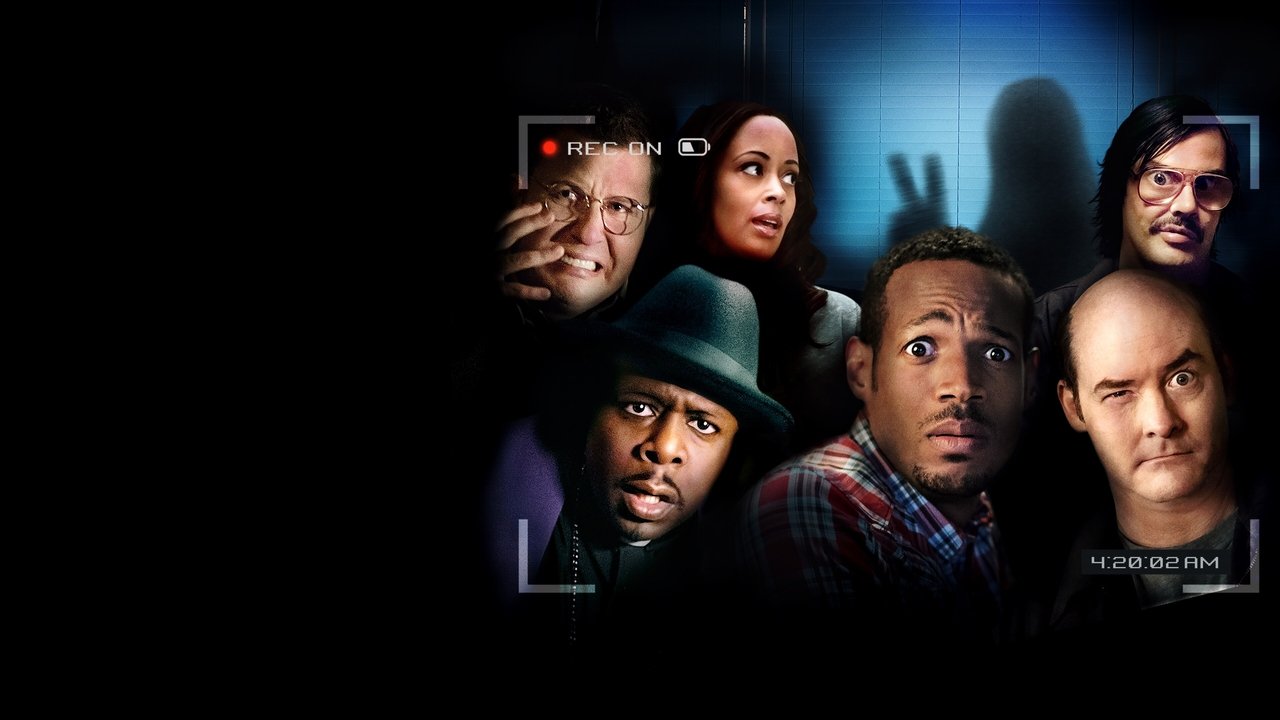
The Indie Hustle Behind the Haunting
While it looks like a typical studio comedy, A Haunted House is actually a fascinating specimen of the indie boom of the early 2010s. After leaving the Scary Movie franchise he helped create, Marlon Wayans teamed up with Rick Alvarez to produce this on a shoestring budget of $2.5 million. To put that in perspective, that’s basically the catering budget for a Marvel movie. Because they didn’t have a studio breathing down their necks during production, the film feels unhinged in a way that’s increasingly rare.
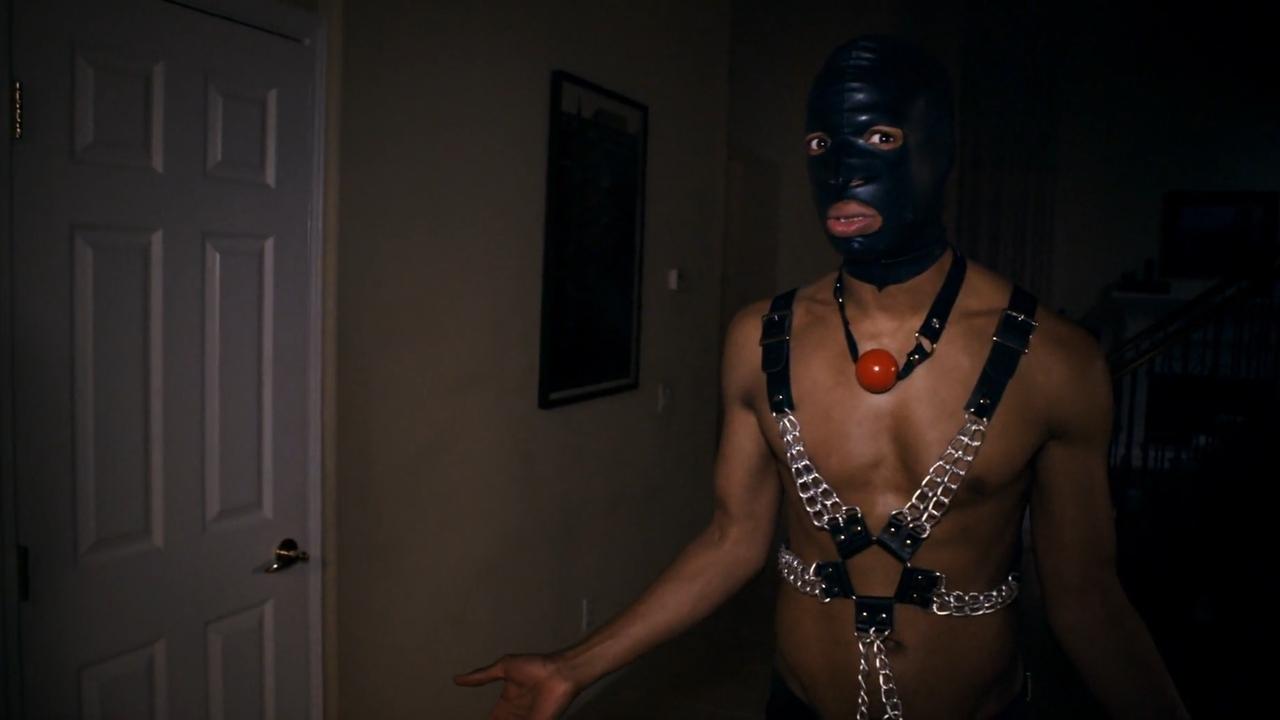
The production was a masterclass in "work with what you’ve got." They shot the entire thing in a single house in a quiet neighborhood, leaning into the digital aesthetics of the time. The transition from film to digital was complete by 2013, and this movie weaponizes the "cheap" look of consumer-grade cameras. It’s a "passion project" in the most chaotic sense—a movie made by people who clearly just wanted to see if they could get away with turning a haunting into a domestic dispute about sex toys and house plants.
Physicality and the Wayans Engine
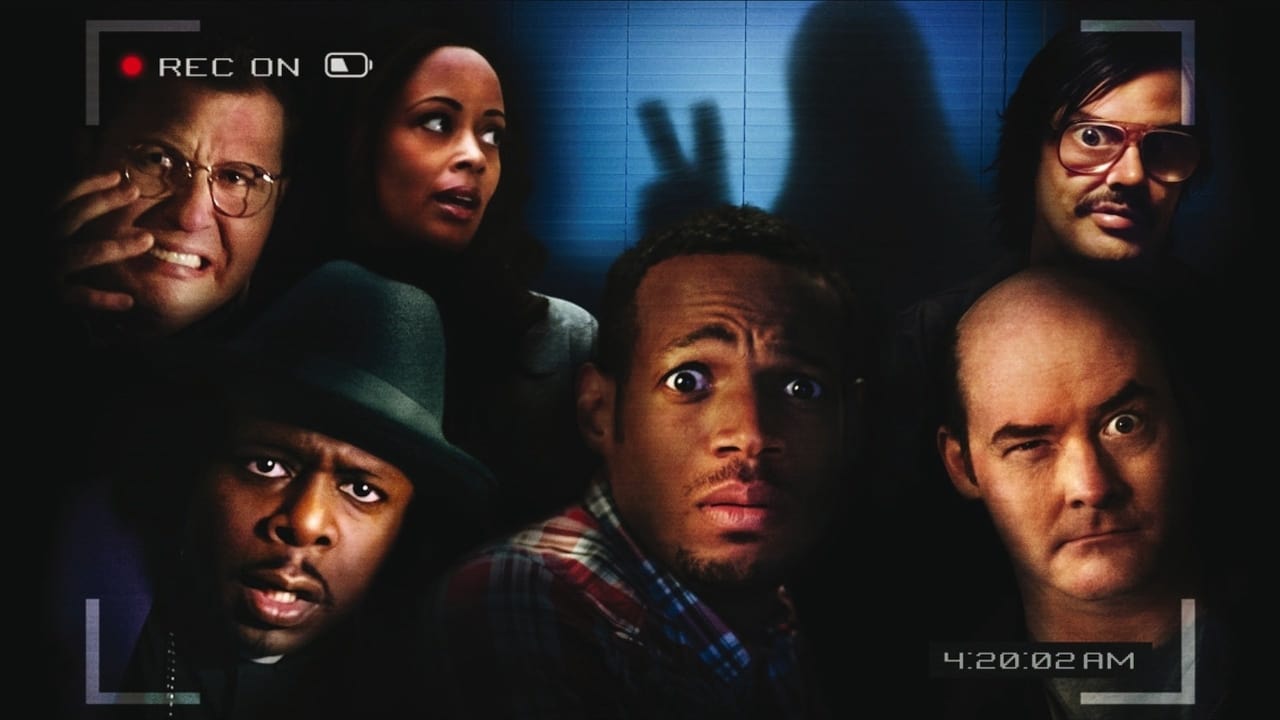
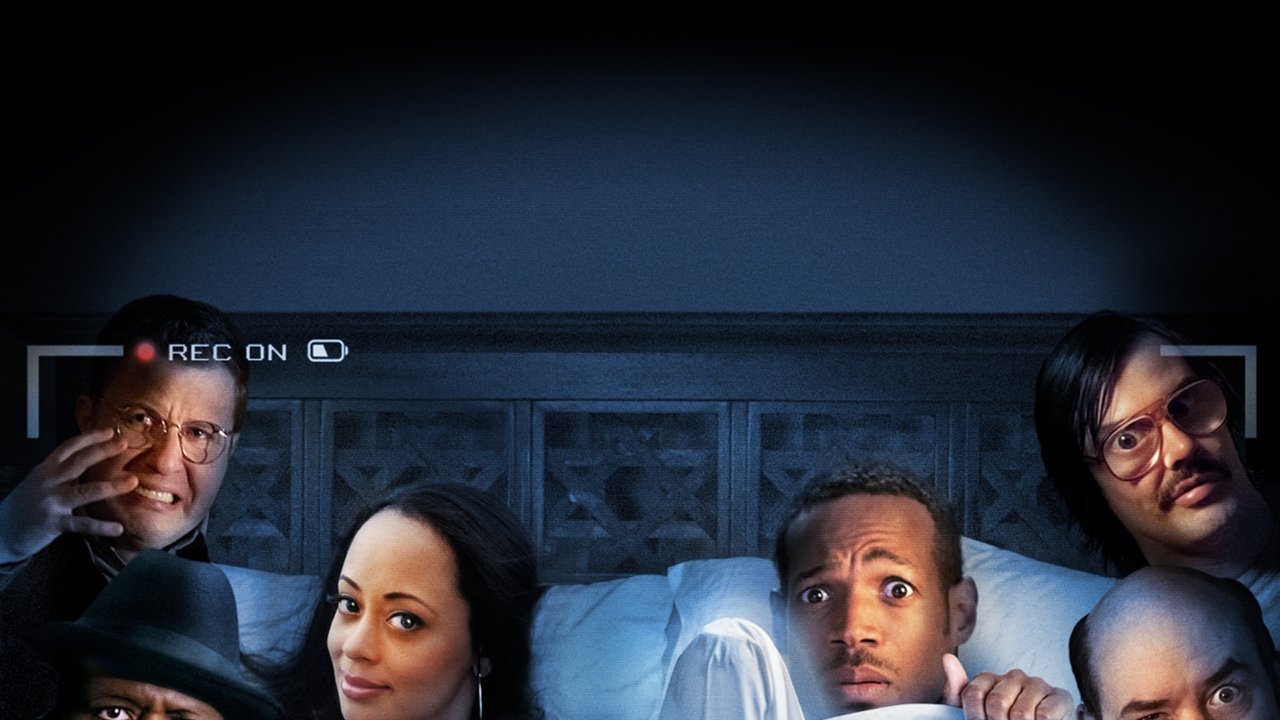
The film follows Malcolm (Marlon Wayans) and his girlfriend Keisha (Essence Atkins) as they move into a new home, only to realize Keisha has brought a hitchhiking demon along for the ride. While the plot is just a clothesline to hang gags on, the engine that keeps it running is Marlon Wayans himself. Love him or hate him, the man is a physical comedy athlete. He treats his body like a cartoon character, contorting and flailing in ways that feel like a throwback to the silent era, if Buster Keaton had been obsessed with "scary" hookups.
The supporting cast is where the movie finds its weird, jagged rhythm. Cedric the Entertainer shows up as Father Williams, a priest who is less "holy water" and more "ex-con energy." His performance is a highlight because he plays the absurdity with such weary confidence. Then you have David Koechner and Dave Sheridan as a pair of "security experts" (read: ghost hunters) who represent the absolute bottom of the paranormal barrel. Dave Sheridan, who played Doofy in the original Scary Movie, brings a familiar brand of gurning weirdness that fits perfectly here.
A Time Capsule of 2013 Absurdity
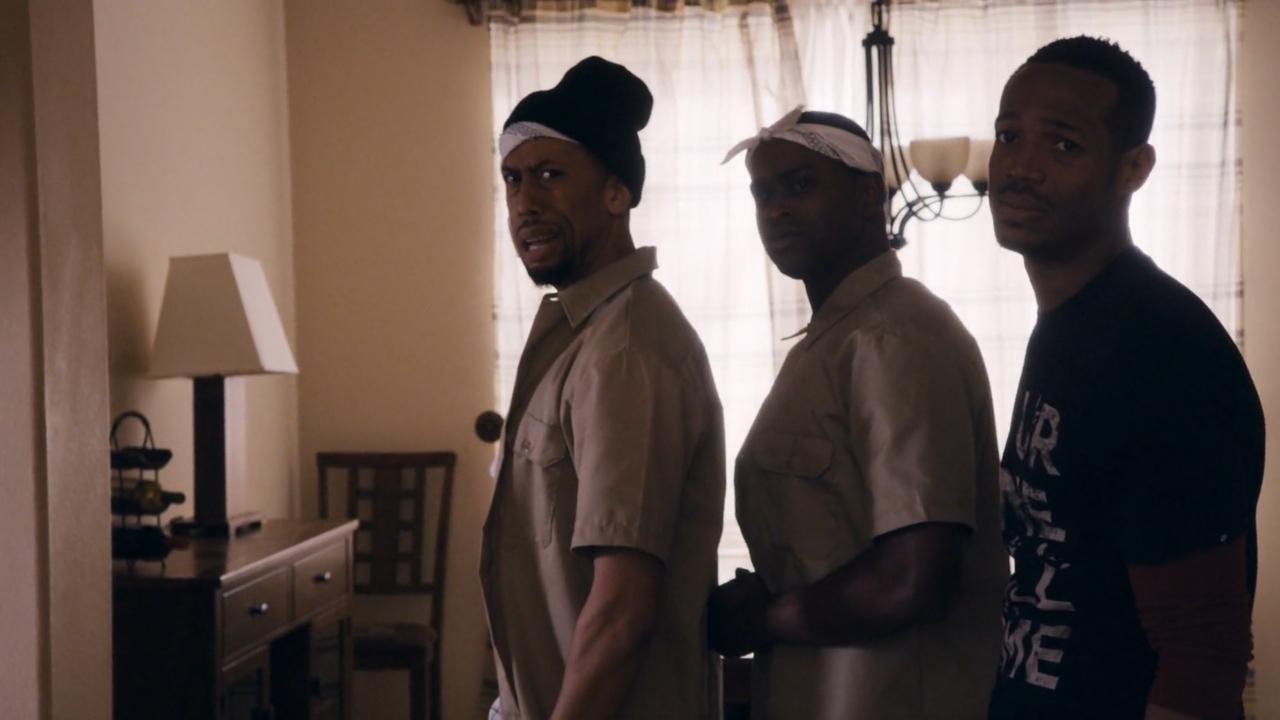
Looking back, the film is a perfect artifact of the "Post-9/11, Post-Recession" comedy landscape where the humor became increasingly nihilistic and boundary-pushing. It doesn't care about being "elevated horror." In fact, it hates the idea. It mocks the tropes of the era—the long, boring nights of "nothing happening"—by ensuring that something offensive is happening in every frame. Nick Swardson pops in as a psychic named Chip, and his scenes are a masterclass in uncomfortable improvisation that goes on three minutes too long.
Does it all hold up? Not exactly. Some of the jokes feel like they were written on a cocktail napkin during a particularly rowdy lunch, and the "found footage" gimmick starts to wear thin even at a brisk 86 minutes. However, there is something undeniably impressive about how much money this movie made. It pulled in over $60 million on that tiny $2.5 million investment. It proved that there was still a massive audience for R-rated, low-brow parody at a time when Hollywood was shifting toward PG-13 franchise building. It was a victory for the independent hustle, even if that hustle involved Malcolm having an intimate relationship with a stuffed plush toy.
A Haunted House isn't a masterpiece of satire, but it is a fascinating document of a specific moment in film history when digital cameras and a "let's just film it" attitude could turn a tiny budget into a box-office juggernaut. It’s crude, loud, and frequently juvenile, but it possesses an anarchic spirit that is missing from today’s more polished, corporate comedies. If you’re in the mood for a movie that treats a demon possession like a bad roommate situation, it’s a decent way to spend an hour and a half. Just don't expect it to haunt anything but your search history.
Keep Exploring...
-
A Haunted House 2
2014
-
Naked
2017
-
Dead Snow
2009
-
Rubber
2010
-
Tusk
2014
-

Tremors 2: Aftershocks
1996
-
Sextuplets
2019
-
Little Man
2006
-
Fright Night
2011
-
Warm Bodies
2013
-
After.Life
2009
-

Fanboys
2009
-
Wrong Turn 3: Left for Dead
2009
-
I Spit on Your Grave
2010
-
The Last Exorcism
2010
-

Red State
2011
-
V/H/S
2012
-
Dark Skies
2013
-
Don Jon
2013
-
The To Do List
2013