About Time
"Love is the only thing worth repeating."
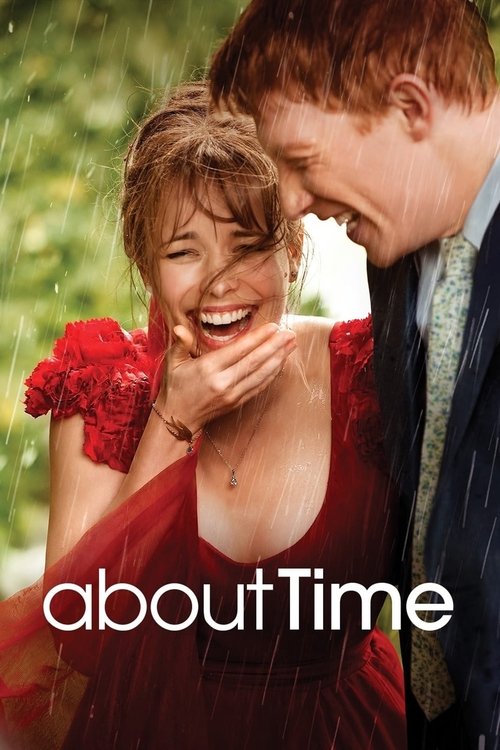
I used to think the "closet" scene was the weirdest part of this movie. You know the one: Domhnall Gleeson, looking like a startled ginger giraffe, stands in a dark wardrobe, clenches his fists, and thinks about a moment he wants to redo. It’s a low-fi, almost charmingly lazy way to handle time travel. No flux capacitors, no spinning blue portals, just a guy in a dark room wishing he hadn't been such a dork at a New Year's Eve party.
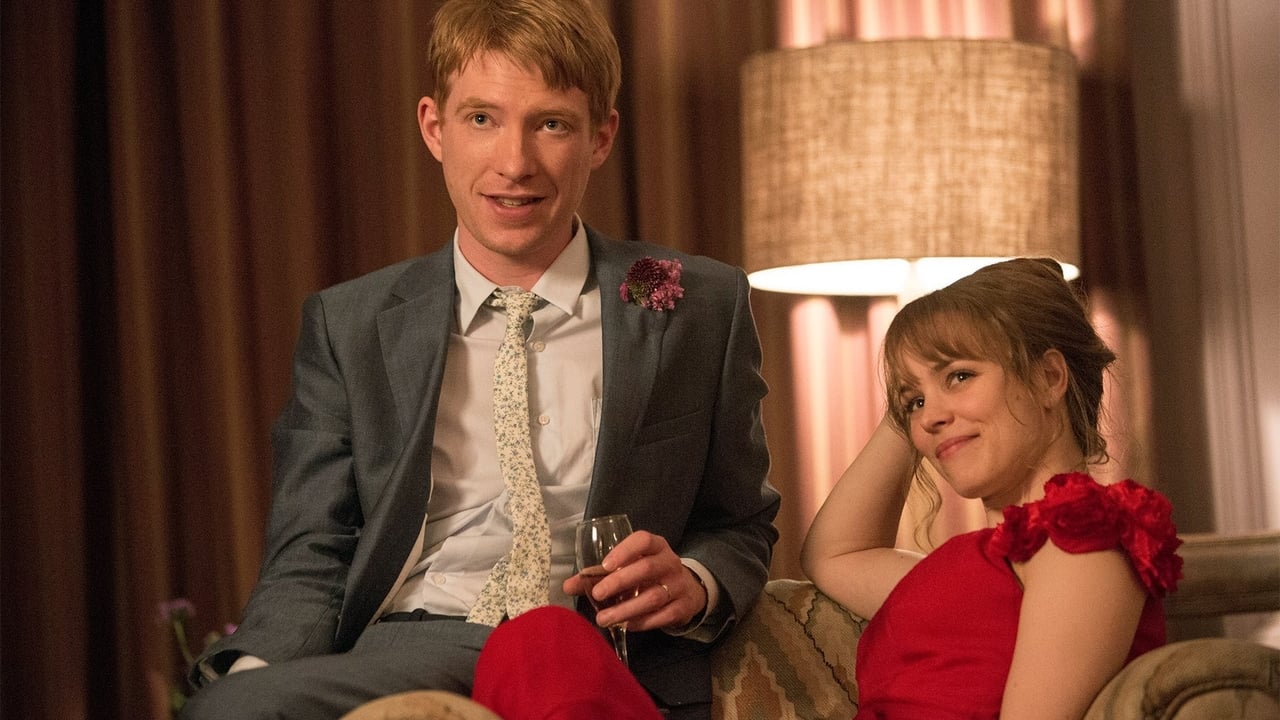
But looking back at About Time a decade later, I realize the closet isn't the point. In fact, the time travel rules make absolutely zero legal or logical sense if you think about them for more than eight seconds. If you try to map out the butterfly effect of Tim’s choices, the whole narrative should technically collapse into a puddle of paradoxes. Yet, somehow, that doesn’t matter. Richard Curtis, the king of the British "prestige" rom-com, isn't interested in the how of sci-fi; he’s interested in the why of being alive.
The Romance that Isn’t (Actually) the Point
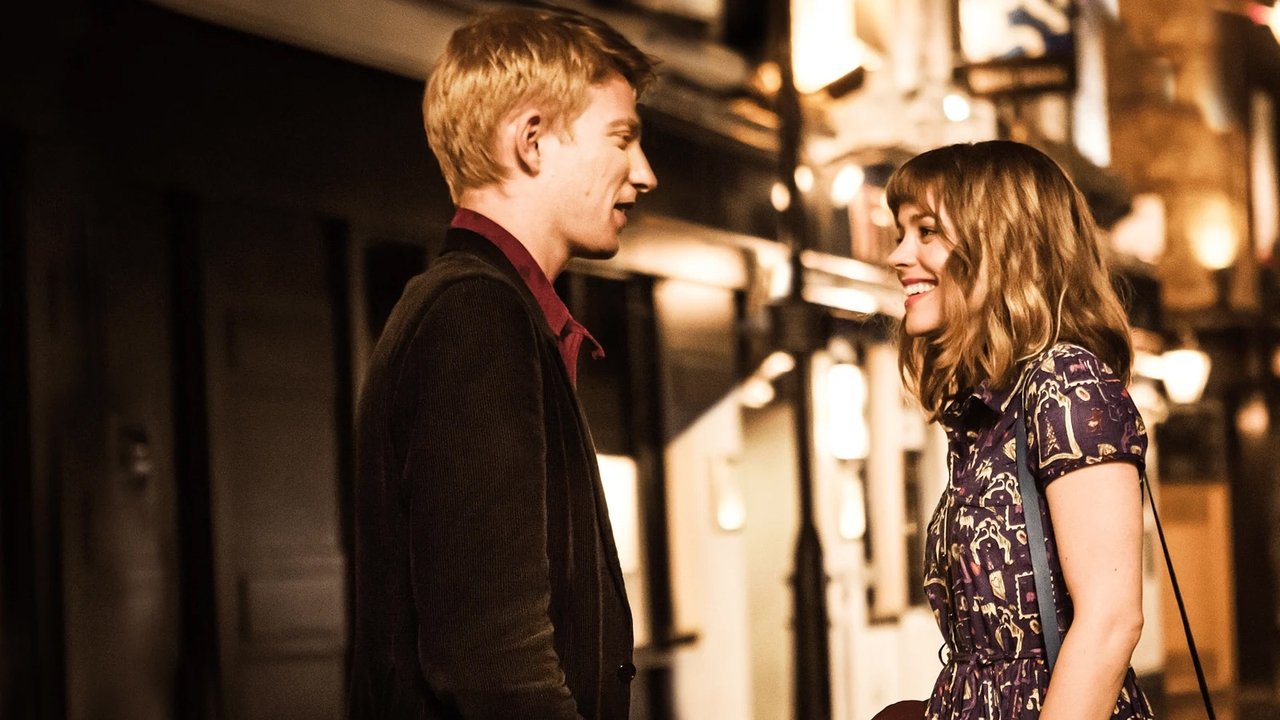
For the first forty minutes, you’re convinced you’re watching a standard, albeit very high-quality, romantic comedy. Tim moves to London, meets the ethereal Mary—played by Rachel McAdams with her usual "I’m the most likable person on the planet" energy—and uses his powers to navigate the pitfalls of early dating. It’s funny, it’s sweet, and it features a pre-fame Margot Robbie as the "one who got away" who reminds us all that even time travelers can't force chemistry.
The 2013-era digital cinematography by John Guleserian gives the film a soft, honey-hued glow that felt very much like the transition point between the glossy film look of the 90s and the crispness of modern digital. It feels like a memory. I remember watching this on a Tuesday night while eating a slightly stale blueberry muffin, and a crumb fell into my shirt right as the "London Underground" montage started. I didn't brush it off for the rest of the movie because I was too busy being swept up by the score by Nick Laird-Clowes.
But then, the movie shifts. It stops being about "getting the girl" and starts being about keeping your soul. Rachel McAdams is basically playing a supporting character in a movie that markets her as the lead, and she still manages to out-charm everyone. Her role is to be the anchor, the reason Tim wants to stop traveling and start staying put.

The Philosophy of the Ordinary
The real heart of the film is the relationship between Tim and his Dad, played by Bill Nighy. Nighy is a national treasure for a reason; he does more with a slight tilt of his head and a weary, knowing smile than most actors do with a five-minute monologue. The scenes between the two of them—playing ping-pong or walking on a rocky Cornwall beach—are where the film earns its "cerebral" stripes.
It asks a question that most blockbusters ignore: If you could redo any day, would you choose the big, flashy moments, or would you just want to experience a mundane Tuesday again, but without the stress? There’s a sequence where Tim lives the same day twice—once as a frazzled commuter, and the second time as an observer who notices the smile of a cashier or the beauty of a train station. It’s a simple, philosophical shift that moves the film from "cute" to "essential."
Interestingly, this was positioned as a major prestige release for Universal’s Working Title branch. Richard Curtis actually announced his retirement from directing around the time of its release (though he’s stayed active as a writer). You can feel that "finality" in the script. It’s a summary of everything he learned from Four Weddings and a Funeral and Love Actually, stripped of the bloated subplots and focused entirely on the passage of time.
A Farewell to the Richard Curtis Era
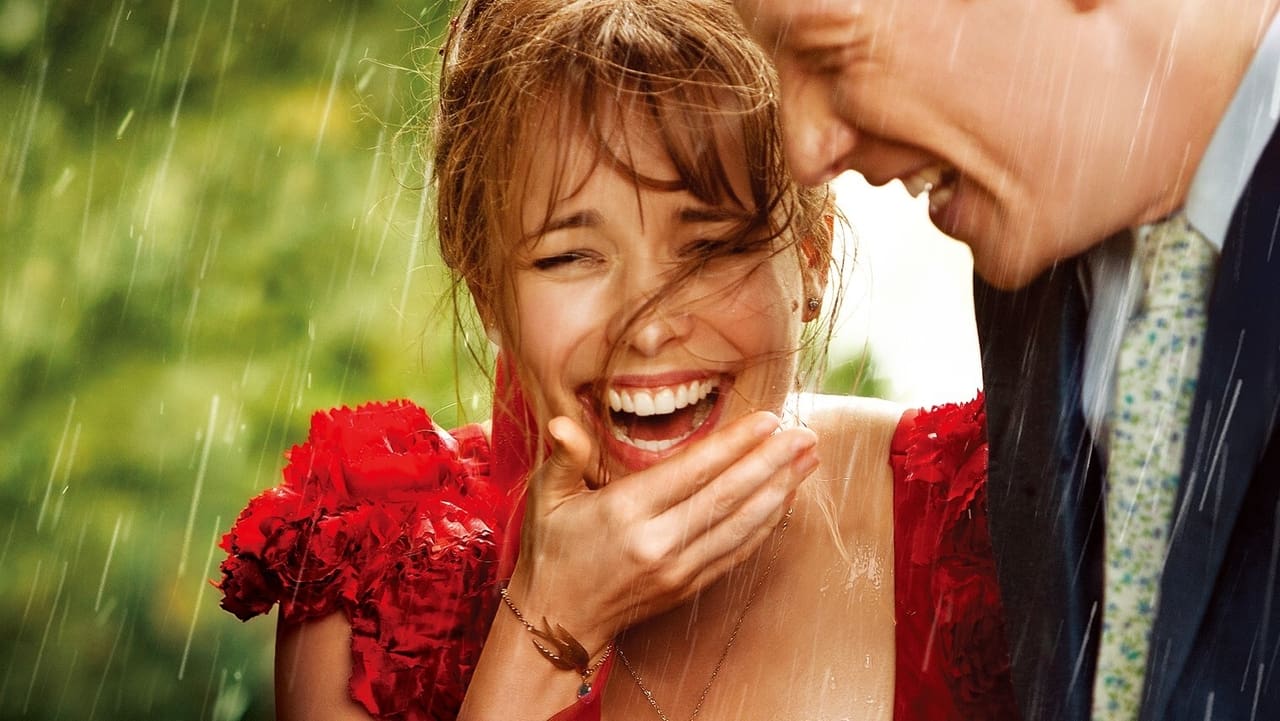
Looking back from 2024, About Time feels like a relic of a time when we still believed a mid-budget drama could change how we looked at our own lives. It’s a "prestige" film that doesn't feel the need to be miserable to be taken seriously. The production trivia is a testament to this—apparently, the heavy rain during the wedding scene wasn't just a Hollywood gimmick; it was a genuine British downpour that the cast just had to work through. You can see Lydia Wilson (who plays Tim's sister Kit Kat) and Tom Hollander (playing the prickly Harry) genuinely shivering.
The film also served as a massive launching pad. While Domhnall Gleeson had been in Harry Potter, this proved he could carry a movie with leading-man vulnerability. And for Margot Robbie, this was the "blink and you'll miss her" role right before The Wolf of Wall Street made her a household name. It’s a snapshot of a very specific moment in British cinema—the transition from the indie explosion of the 2000s into the more polished, star-driven era of the 2010s.
The movie isn't perfect; the secondary characters, like Kit Kat, get a bit of a short shrift in the third act, and the logic of the time travel is as thin as a single-ply tissue. But I’ve never seen a film that better captures the specific ache of realizing that your parents are just people, and that "forever" is a lot shorter than you think. It’s a movie that asks you to put down your phone and look at the person sitting across from you. It’s smart, it’s sentimental in all the right ways, and it’s one of the few films from the early 2010s that feels more relevant the older I get.

Keep Exploring...
-

Love Actually
2003
-
The Boat That Rocked
2009
-
Mr. Nobody
2009
-

Flipped
2010
-

Pride & Prejudice
2005
-
The Time Traveler's Wife
2009
-
A Dog's Will
2000
-

Millennium Actress
2002
-

Dilwale Dulhania Le Jayenge
1995
-
A Walk to Remember
2002
-

Ruby Sparks
2012
-
Only Lovers Left Alive
2013
-

The Theory of Everything
2014
-
Before Sunrise
1995
-
In the Mood for Love
2000
-
Before Sunset
2004
-
The Reader
2008
-

The Wrestler
2008
-

My Name Is Khan
2010
-
Amour
2012