All Is Lost
"The sea doesn't negotiate."
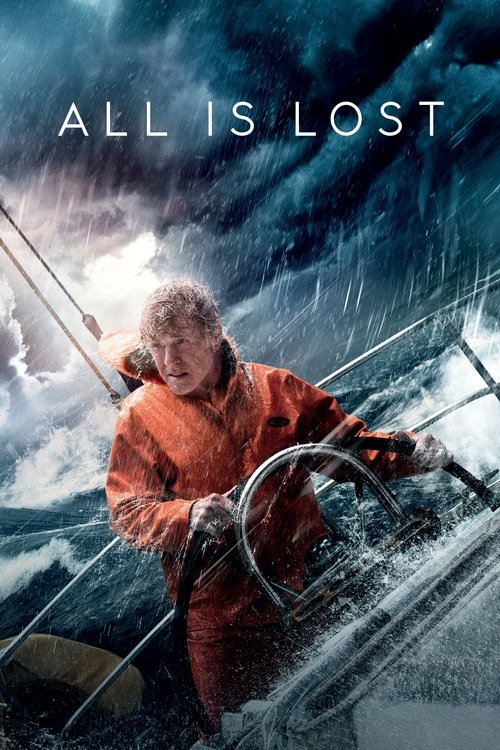
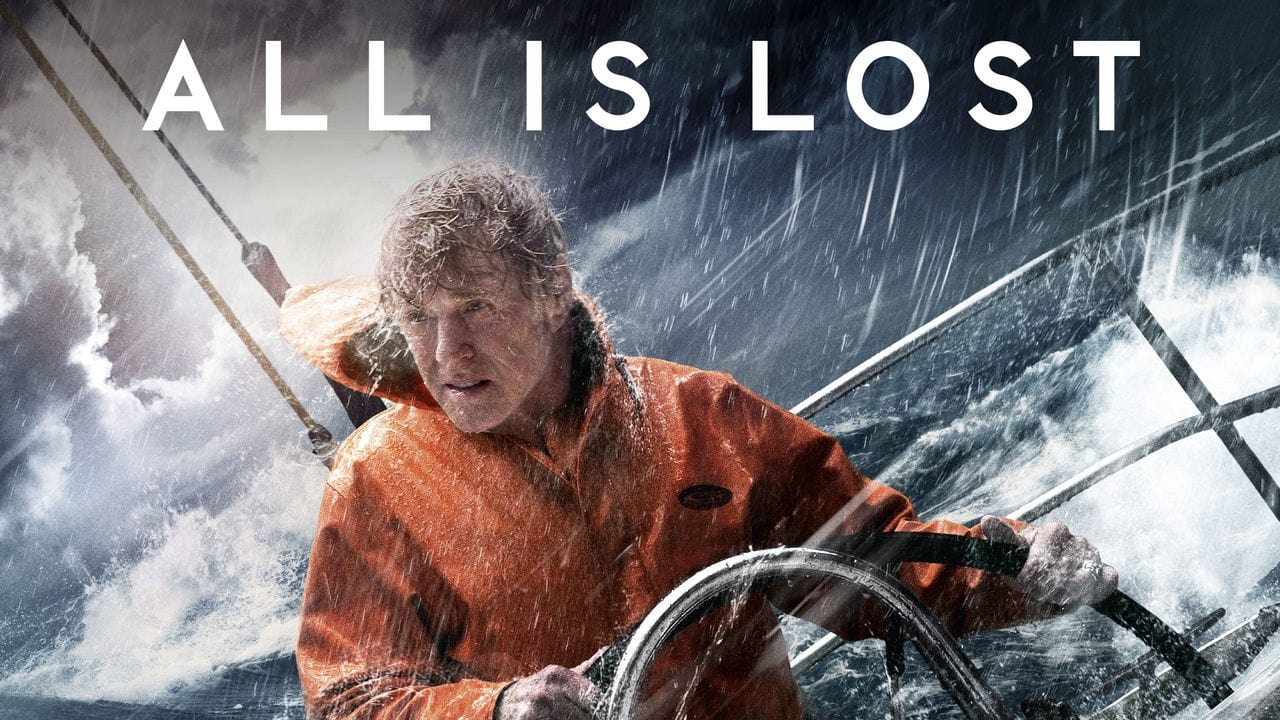
I remember watching this for the first time on a humid Tuesday night while my neighbor’s window-unit AC let out a rhythmic, dying rattle that perfectly synced up with the creaking of the Virginia Jean. It was 2013, and the "Survival Renaissance" was in full swing—we had Sandra Bullock spinning into the void in Gravity and Tom Hanks dealing with pirates in Captain Phillips. But while those movies relied on massive spectacle or high-stakes dialogue, Robert Redford and director J.C. Chandor decided to strip everything away until there was nothing left but a man, a leaking boat, and the crushing indifference of the Indian Ocean.
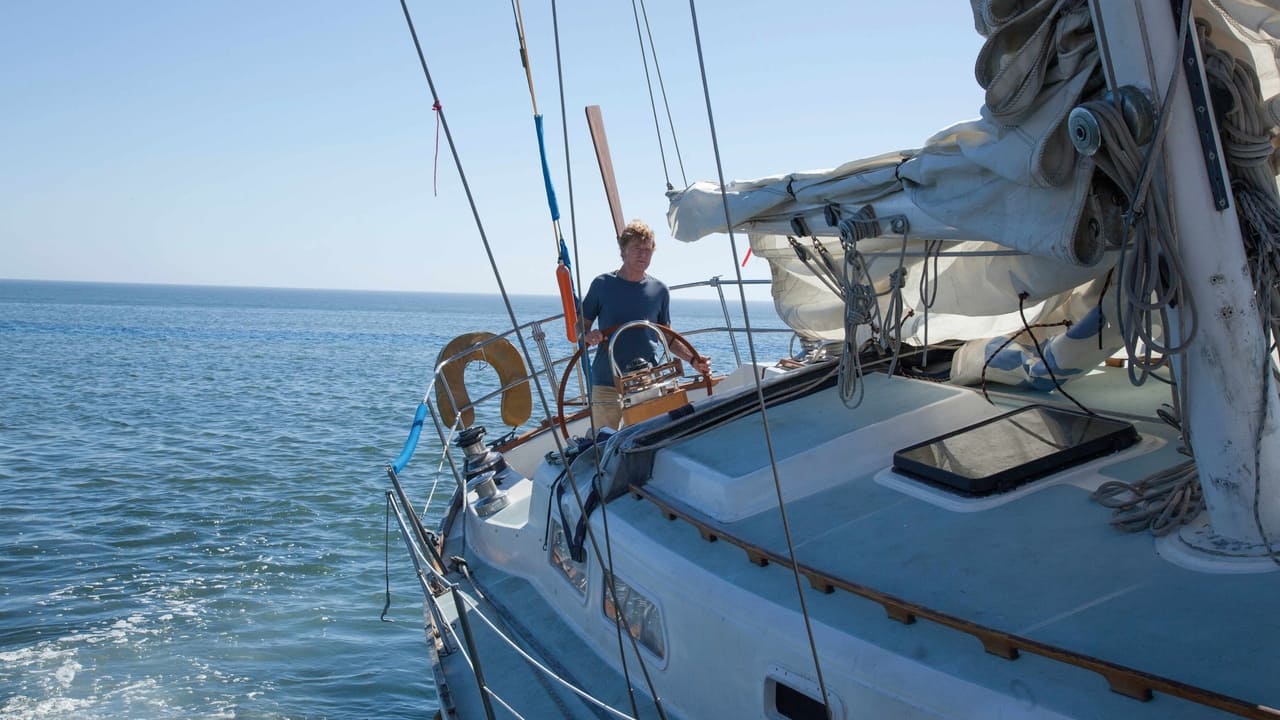
The Art of Saying Nothing
Most actors would be terrified of a script that has roughly zero pages of dialogue. For a Hollywood titan like Robert Redford, who built a career on being the charming, fast-talking hero in classics like Butch Cassidy and the Sundance Kid or The Sting, this was the ultimate high-wire act. He plays a character simply credited as "Our Man," and we learn absolutely nothing about his life back on land. We don’t see a framed photo of a grieving wife; we don’t get a teary-eyed monologue to a volleyball.
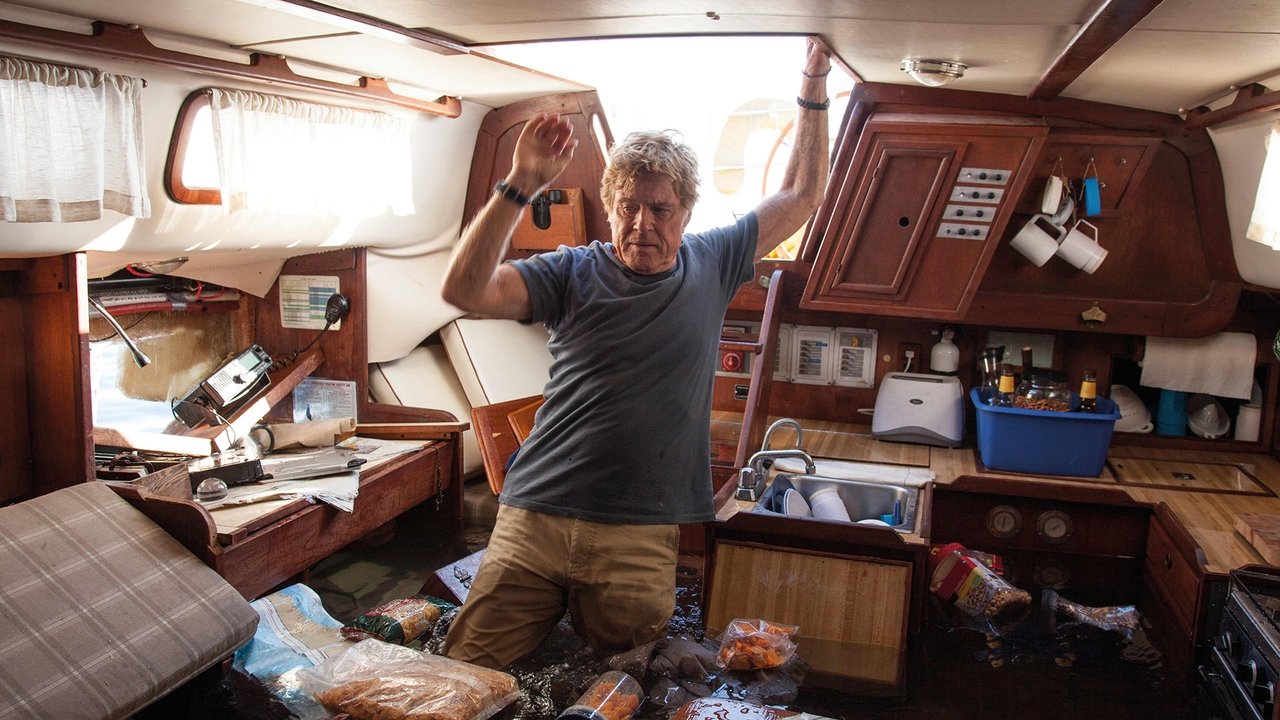
Instead, Chandor—who previously directed the incredibly talky financial thriller Margin Call—proves that cinema is at its best when it trusts our eyes. When Redford wakes up to find a stray shipping container has pierced his hull like a jagged tooth, he doesn't scream or curse the gods. He just exhales, puts on his deck shoes, and gets to work. It’s a masterclass in procedural storytelling. I found myself leaning forward, gripped by the simple physics of how to patch a hole using resin and a manual pump. Redford is the last true action hero who doesn't need a cape or a quip to hold the screen.
Practical Peril in the Digital Age

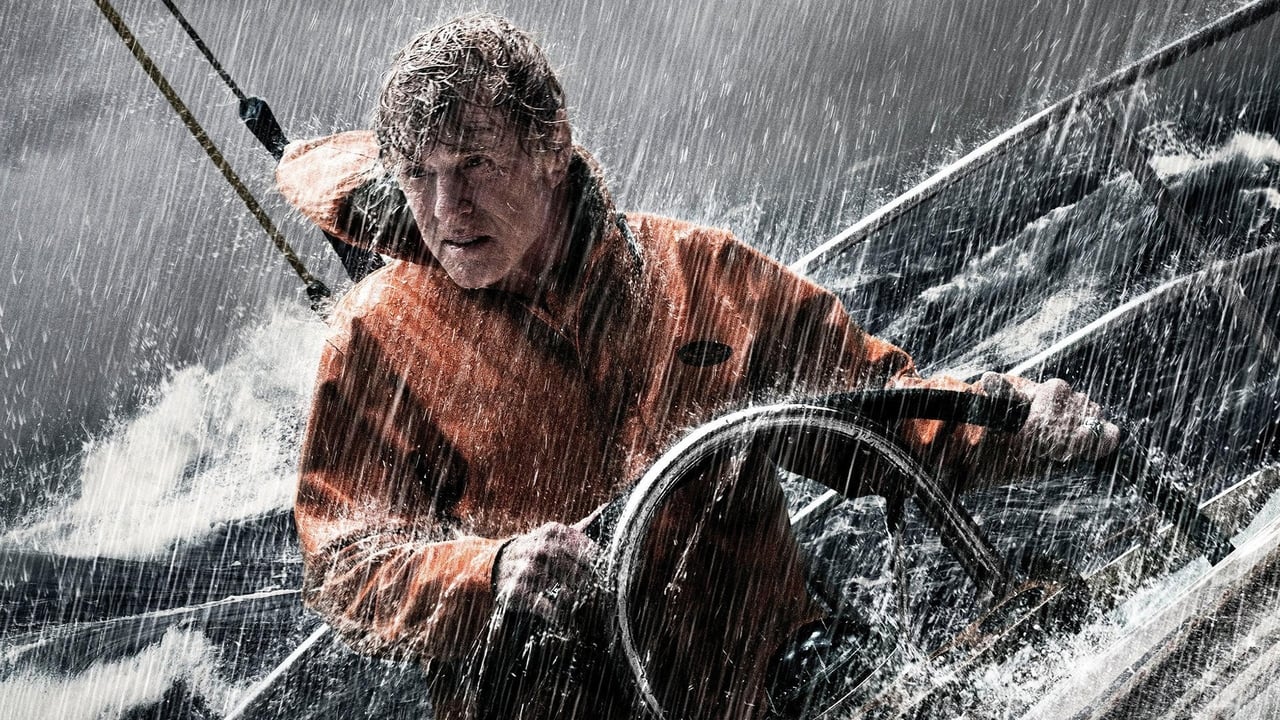
Looking back from our current era of "everything is a green screen," All Is Lost feels like a miracle of practical grit. While 2013 was busy refining the CGI that would eventually dominate the MCU, Chandor and cinematographer Frankie DeMarco (who shot the gritty Rabbit Hole) were out there getting 77-year-old Robert Redford genuinely soaked.
The action choreography here isn't about explosions; it’s about the "clank-clank-clank" of a mast hitting the water and the terrifying weight of a flooded cabin. The storm sequence is one of the most effective pieces of action editing I’ve seen in the last twenty years. It avoids the "shaky-cam" chaos that ruined so many 2000s action flicks, opting instead for clear, terrifying shots of the yacht being tossed like a toy. Apparently, Redford insisted on performing the majority of his own stunts, which resulted in a permanent 60% hearing loss in one ear after being pelted by high-pressure water hoses for weeks. That’s the kind of "Method" commitment you just don't see when actors are standing in a climate-controlled studio in Atlanta.
The Mystery of the Disappearing Movie
It’s honestly a crime that this film didn’t clear its budget at the box office. It’s one of those "hidden gems" that seems to have slipped through the cracks of the 2010s. Part of the problem was likely the marketing; how do you sell a movie where the star never speaks to an audience conditioned for "I will find you and I will kill you" monologues? It’s a quiet film that demands you pay attention to the sound of a battery dying or the hiss of a flare.
The score by Alex Ebert (from Edward Sharpe and the Magnetic Zeros) is the secret weapon here. It’s sparse, mournful, and only shows up when the silence becomes unbearable. It won a Golden Globe, yet the film itself remains a bit of a "holy grail" for collectors of minimalist cinema. If the Indian Ocean had a LinkedIn profile, this movie would be listed under 'Chief Harassment Officer.' It’s a brutal, honest look at what happens when a person’s competence finally meets an obstacle it can’t outthink.
In an era defined by franchises and loud, digital noise, All Is Lost is a haunting reminder of what a single human face can do. It’s an action movie where the stakes are as simple as a breath of air, and it features a legendary actor giving his most vulnerable performance decades after everyone thought he’d retired to Sundance. Whether he’s patching a hull or staring at a horizon that offers no hope, Redford proves that you don't need a script to tell a story—you just need a man who refuses to sink.
Keep Exploring...
-

A Most Violent Year
2014
-

Valhalla Rising
2009
-

Wizards of Waverly Place: The Movie
2009
-

13 Assassins
2010
-
Centurion
2010
-
The Edge
1997
-
Flight of the Phoenix
2004
-
Walking Tall
2004
-
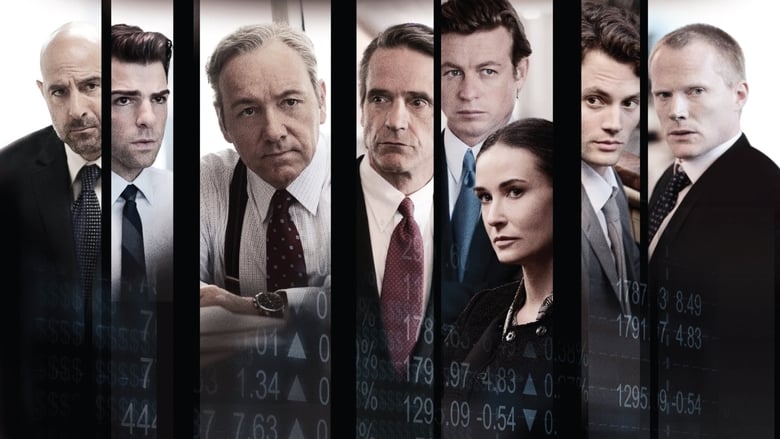
Margin Call
2011
-
Days of Thunder
1990
-
Maverick
1994
-
Executive Decision
1996
-

House of Flying Daggers
2004
-

Sahara
2005
-

The Karate Kid
2010
-
The Grey
2012
-
The Last Castle
2001
-
The Messenger: The Story of Joan of Arc
1999
-
Green Zone
2010
-

Jack the Giant Slayer
2013