Bad Words
"He’s forty, he’s bitter, and he’s winning."
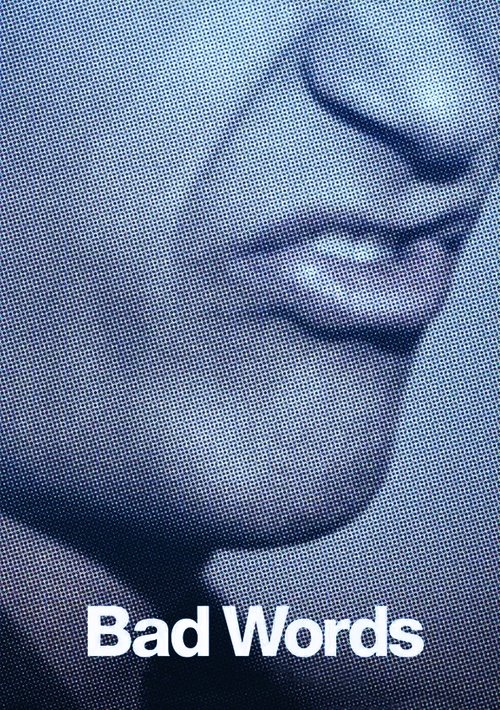
There is a specific kind of glee in watching Jason Bateman—the man who built a career being the only sane person in a room full of idiots—finally succumb to total, unadulterated prickliness. I first caught Bad Words on a flight back from Chicago while squeezed into a middle seat next to a guy who was intensely peeling a hard-boiled egg. The smell was harrowing, but the sight of Bateman’s Guy Trilby ruthlessly dismantling the dreams of ten-year-olds was the perfect spiritual antidote to my own mid-air misery.
Released in 2013, Bad Words arrived at a curious crossroads for American comedy. We were exiting the era of the high-concept, Apatow-inflected "man-child" epic and entering a period where mid-budget indies were starting to feel the squeeze from the burgeoning streaming giants. It was Bateman’s directorial debut, and he chose a script by Andrew Dodge that felt like a deliberate punch to the throat of sentimentality. It’s a film about a 40-year-old misanthrope who exploits a loophole to enter the National Golden Quill Spelling Bee, and it remains one of the most unapologetically mean-spirited comedies of its decade.
A Masterclass in Calculated Cruelty
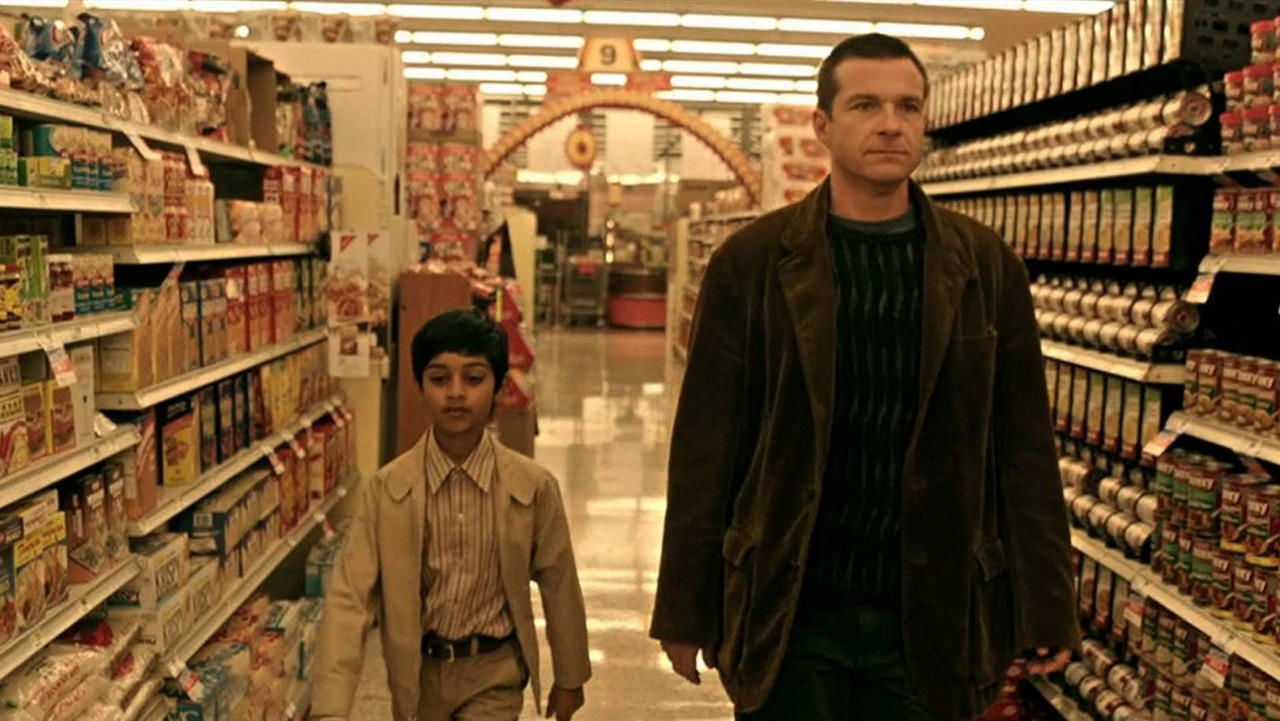
The premise is absurd, but Bateman plays it with the grim intensity of a Bourne thriller. Guy Trilby isn't there for a laugh; he’s there on a scorched-earth mission for reasons that the film wisely keeps close to its chest until the final act. Watching him tower over terrified middle-schoolers at the microphone, using every psychological warfare tactic in the book to make them crumble, is the cinematic equivalent of watching a professional athlete play dodgeball against toddlers.
What makes the humor work mechanically is the timing. Comedy is often about the "bounce"—the reaction of the straight man to the chaos. Here, Bateman is both the chaos and the straight man. He delivers vitriolic insults with a flat, Midwestern cadence that makes them twice as biting. He isn't "winking" at the audience to let us know he’s actually a good guy. He’s just a jerk. The movie’s greatest strength is its refusal to apologize for Trilby until it absolutely has to.
The film also benefits immensely from Kathryn Hahn as Jenny Widgeon, a reporter trailing Trilby who serves as our surrogate. Hahn is one of those actors who can make a simple reaction shot feel like a three-act play. Her exasperation with Trilby’s behavior provides the necessary friction that prevents the movie from sliding into pure, unwatchable cynicism.
The "Slumdog" Connection and Indie Grit
If the movie was just Bateman shouting at kids, it would wear thin by the forty-minute mark. Enter Rohan Chand as Chaitanya Chopra, a fellow competitor who is so relentlessly optimistic and socially awkward that he becomes Trilby’s accidental sidekick. The chemistry between a man who has given up on humanity and a boy who hasn't yet learned to fear it is where Bad Words finds its pulse.
Their "night on the town" sequence—involving questionable life lessons and a fair amount of property damage—could have been saccharine. Instead, it’s delightfully warped. Chand is a revelation here, matching Bateman’s deadpan beat for beat. It’s a classic comedic pairing, but it feels fresh because the stakes are so petty. They aren't saving the world; they’re just trying to spell "opsimath" correctly while ruining everyone else's day.
From a craft perspective, Bad Words looks different than the glossy, high-key comedies of the early 2010s. Ken Seng, the cinematographer, gives the film a jaundiced, slightly grimy palette. The spelling bee halls feel cavernous and institutional, illuminated by the kind of fluorescent lights that give you a headache. It feels like a throwback to the cynical 70s character studies, just with more jokes about female anatomy.
Why Did This One Get Lost?
Despite the pedigree and the sharp writing, Bad Words struggled at the box office, clawing back only $7.8 million against its $9.5 million budget. It’s a "lost" film of the 2010s for a few reasons. First, it was marketed as a raunchy comedy, but its soul is much darker and more niche. Second, the 2013-2014 corridor was crowded with heavy hitters like The Wolf of Wall Street and the rise of the Marvel machine, leaving little room for a small, mean indie about a spelling bee.
Interestingly, the script was a "Black List" darling (the annual list of the best unproduced screenplays), and Andrew Dodge reportedly drew inspiration from the documentary Spellbound. While that doc highlighted the heart and pressure of the bee, Dodge and Bateman saw the inherent comedy in the pedantry of the rules. Apparently, Bateman was so committed to the tone that he did very little "safety" takes—he wanted the harshest version of every scene to be the one they kept.
Looking back, Bad Words is a fascinating artifact. It captures a moment when mid-budget comedies could still be experimental and prickly. It’s not a "feel-good" movie in the traditional sense, but there’s something immensely satisfying about its commitment to its own bit. It’s a film that knows exactly what it is: a foul-mouthed, beautifully acted, slightly depressing, and frequently hilarious look at what happens when a man decides to stop growing up and start getting even.
Bad Words succeeds because it trusts its audience to handle a protagonist who is legitimately difficult to like. It’s a lean 89 minutes that doesn't overstay its welcome or soften its edges for the sake of a wider demographic. If you missed it during its quiet theatrical run, it’s a hidden gem well worth seeking out—just maybe skip the hard-boiled eggs while you watch it.
Keep Exploring...
-
This Is Where I Leave You
2014
-
Our Idiot Brother
2011
-
What to Expect When You're Expecting
2012
-
The Hundred-Foot Journey
2014
-
Horrible Bosses
2011
-
Identity Thief
2013
-
Horrible Bosses 2
2014
-
Enough Said
2013
-
Be Kind Rewind
2008
-

Drillbit Taylor
2008
-
Ghost Town
2008
-
Harold & Kumar Escape from Guantanamo Bay
2008
-
Made of Honor
2008
-
Nick and Norah's Infinite Playlist
2008
-
Nim's Island
2008
-
Sex Drive
2008
-
The House Bunny
2008
-
Wild Child
2008
-
Aliens in the Attic
2009
-
I Love You, Beth Cooper
2009