Batman: The Dark Knight Returns, Part 2
"Old bones, cold blood, and a god-king to humble."
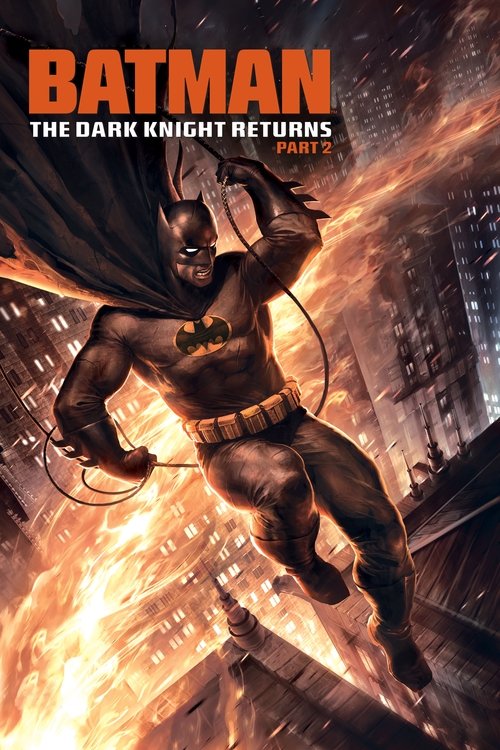
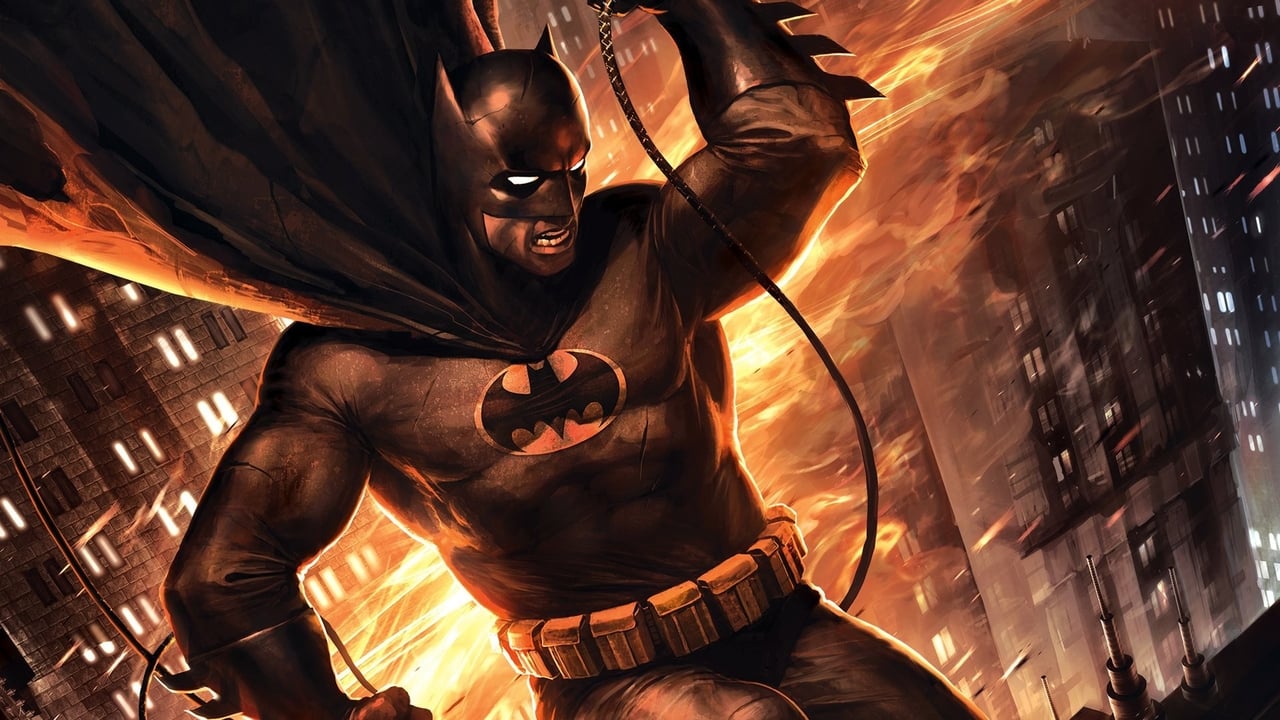
The sound of a heartbeat. It’s the first thing you hear, and it’s the last thing you expect from an animated movie released straight to a Blu-ray bargain bin in 2013. But Batman: The Dark Knight Returns, Part 2 isn't interested in being "just a cartoon." It’s a funeral march for an era of heroes, a bone-crunching, synth-heavy wrecking ball that finishes what the first installment started with terrifying efficiency.
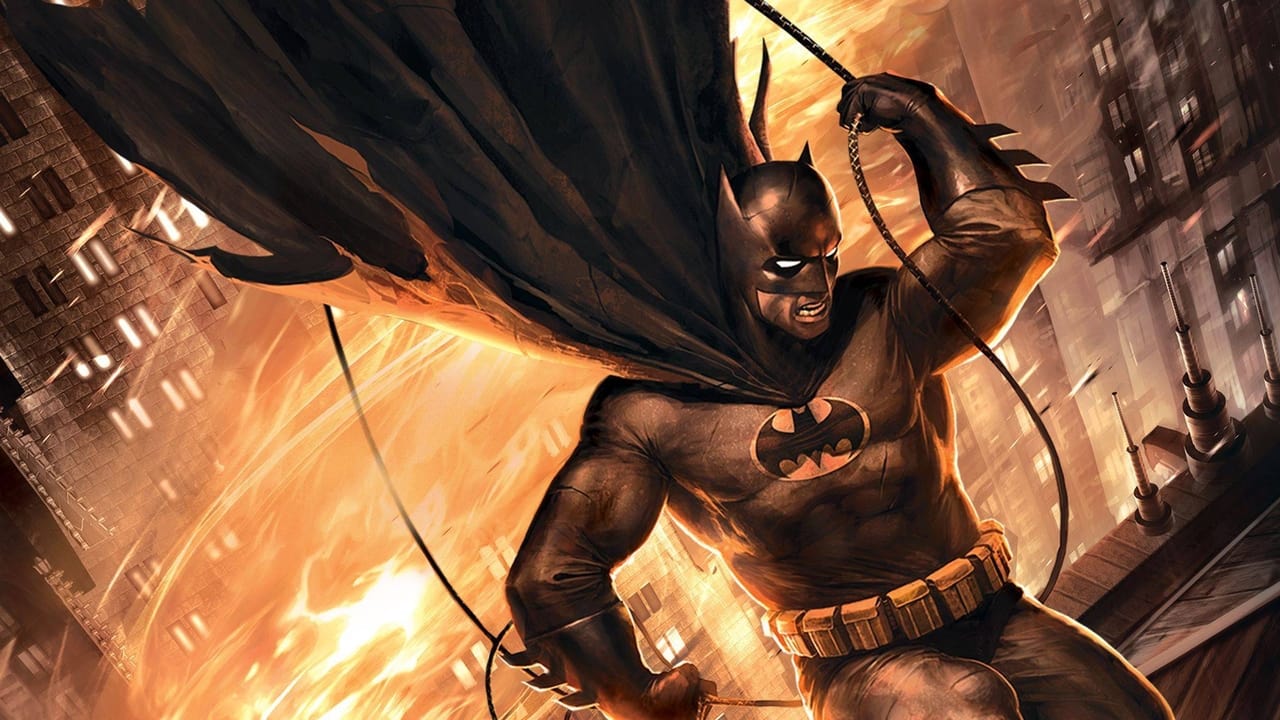
I watched this while eating a bowl of lukewarm leftover ramen, and the saltiness of the broth perfectly matched the cynical, grimy flavor of Peter Weller’s voice acting. It’s a movie that feels heavy—not just emotionally, but physically. Every punch thrown by this geriatric Batman feels like it carries the weight of a mortgage and thirty years of regret.
The Clown’s Final Curtain
While Part 1 dealt with the internal reclamation of the cowl and the defeat of the Mutants, Part 2 scales up the stakes until they hit a fever pitch. We start with the Joker. Michael Emerson (whom you might know as the creepy guy from Lost) delivers a performance that is genuinely unsettling because it is so quiet. He isn't the theatrical prankster or the "agent of chaos" we saw in the live-action films of that era. The Joker here isn't a chaos agent; he's a jilted lover with a body count.
The sequence in the "Tunnel of Love" is some of the most intense action choreography I’ve seen in animation. It’s claustrophobic, bloody, and remarkably mean-spirited. Director Jay Oliva uses the shadows of the carnival setting to turn a superhero trope into a slasher movie. When Batman finally stops holding back, the film doesn't ask you to cheer; it asks you to witness the ugly necessity of violence. It captures that post-9/11 anxiety where the "rules" feel like a luxury the world can no longer afford.
The Man of Tomorrow vs. The Ghost of Yesterday
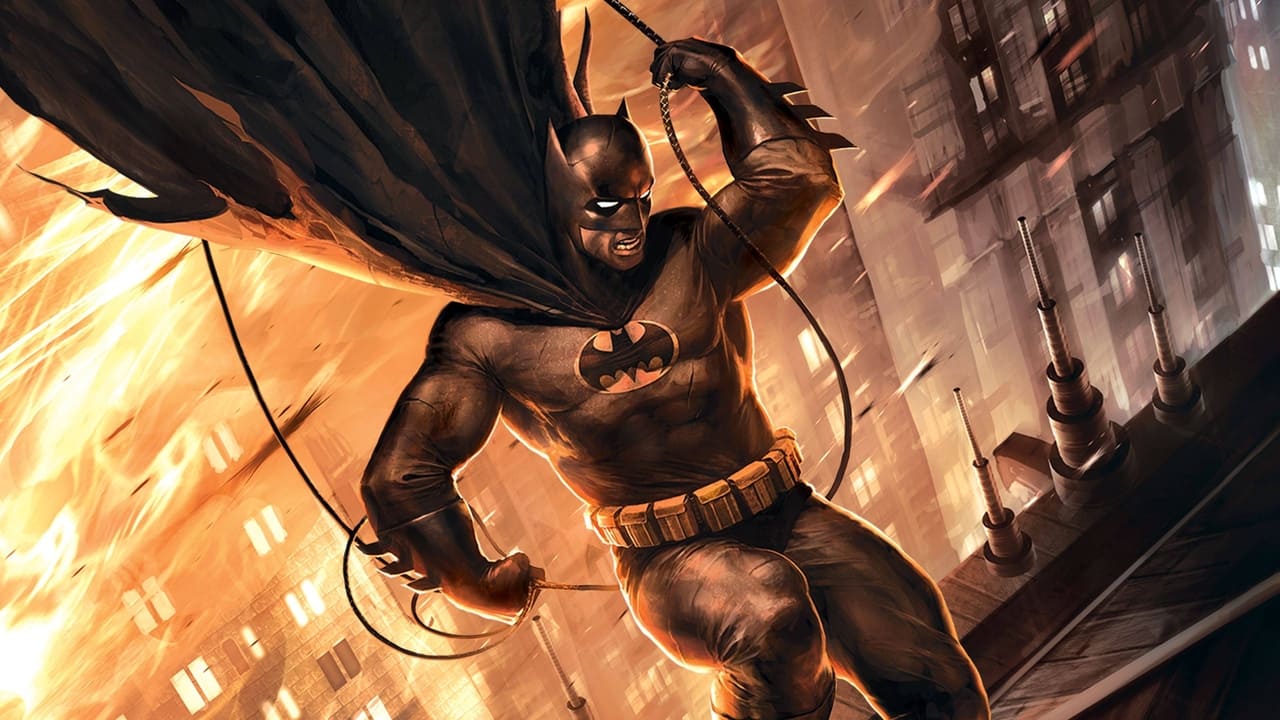
Then, of course, there is the main event: the showdown with Superman. In the early 2010s, we were right on the cusp of the "shared universe" boom, and this film arrived as a stark reminder of how to do a "versus" story correctly. Mark Valley plays Clark Kent not as a villain, but as something arguably worse: a sell-out. He’s the government’s golden boy, a weapon of mass destruction used to hush up political embarrassments. Superman isn't the hero here; he's the ultimate 'Company Man' in a cape.
The final fight in Crime Alley is a masterclass in pacing. Jay Oliva and screenwriter Bob Goodman understand that Batman can't beat Superman in a fair fight, so they turn the city itself into a weapon. The action is tactical and desperate. You feel every rib break. The score by Christopher Drake ditches the traditional heroic horns for an oppressive, 80s-inspired electronic pulse that makes the whole thing feel like a countdown to an explosion. It’s a tactile, mud-and-blood affair that makes the CGI-bloated finales of contemporary blockbusters look like weightless light shows.
A Forgotten Blueprint
Looking back, it’s wild how much this 78-minute animated feature influenced the live-action landscape. Zack Snyder clearly had this movie on a loop while storyboarding Batman v Superman, but he missed the heart of it. This film works because it isn't just about two icons hitting each other; it’s about the death of an old world and the birth of something new. Ariel Winter provides a necessary spark as Carrie Kelley/Robin, giving the audience a reason to hope amidst the nuclear winter and Reagan-era satire.
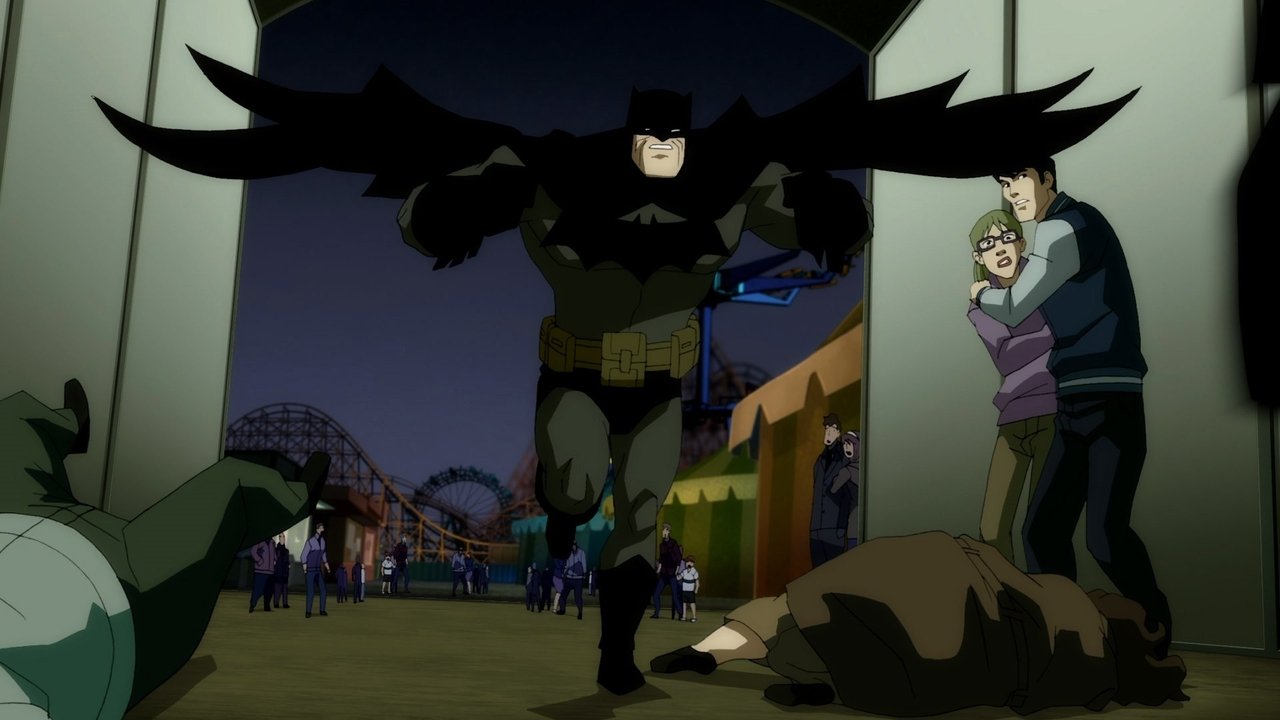
The animation style itself is a fascinating relic of the "DVD Culture" peak. It’s blocky and muscular, mimicking Frank Miller’s original art without inheriting his messiness. It’s clean but brutal. It was part of a wave of DC Universe Animated Original Movies that felt like they were pushing the medium forward before the "Everything is a Franchise" mentality watered things down. It’s a shame this Part 2 is often tucked away in "Collection" sets, because on its own, it is one of the most cohesive and uncompromising action films of the 2010s.
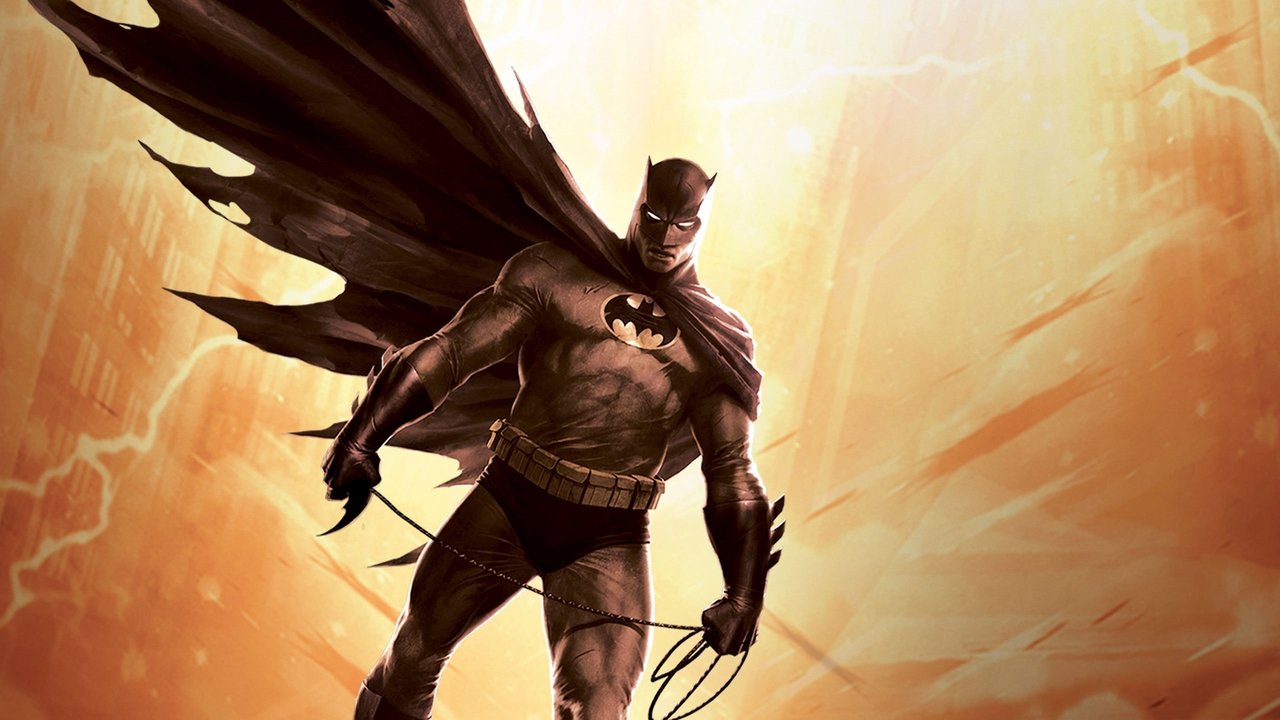
This is the definitive "Old Man Batman" story, executed with a grim seriousness that never feels unearned. It manages to balance a high-stakes political thriller with some of the most satisfyingly choreographed fights in the genre’s history. If you’ve only ever seen the live-action versions of these characters, you owe it to yourself to see the version that actually has something to say about power and its consequences. Just don't expect a happy ending—expect a monumental one.
Keep Exploring...
-
Batman: The Dark Knight Returns, Part 1
2012
-
Batman vs. Robin
2015
-
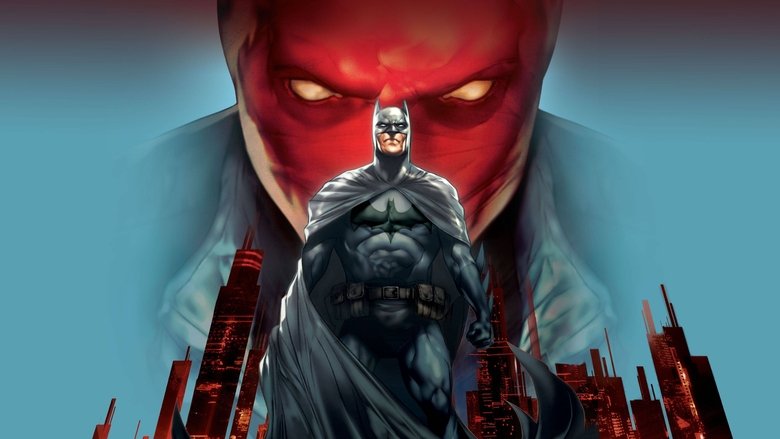
Batman: Under the Red Hood
2010
-
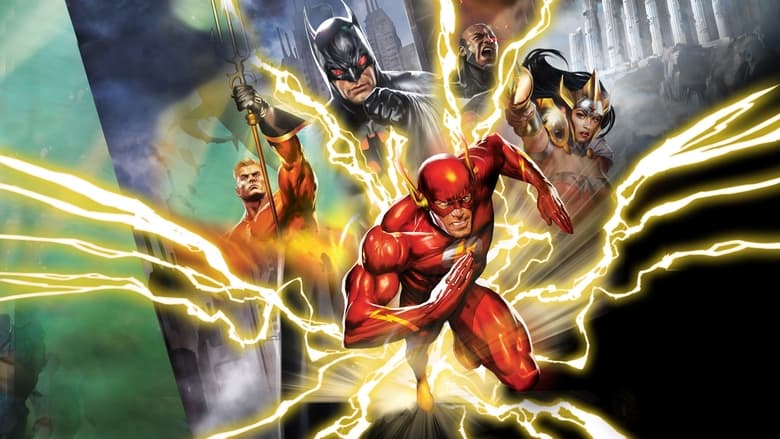
Justice League: The Flashpoint Paradox
2013
-
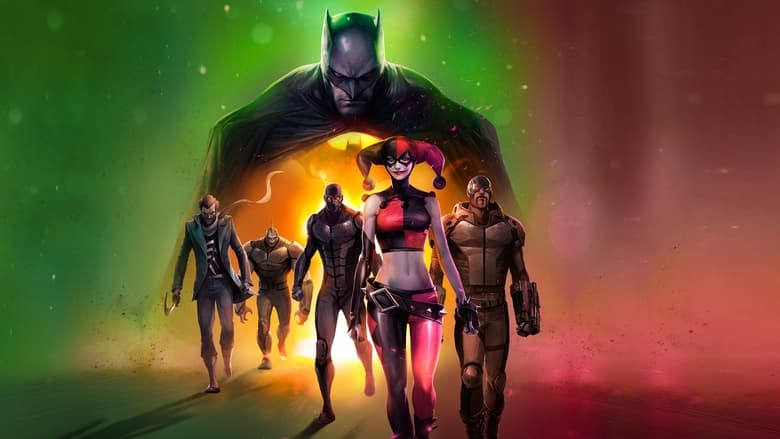
Batman: Assault on Arkham
2014
-
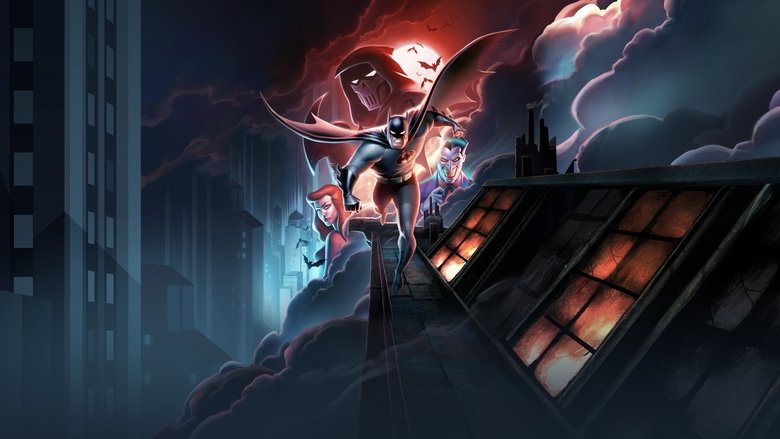
Batman: Mask of the Phantasm
1993
-
Batman: Year One
2011
-
Infernal Affairs
2002
-
Evangelion: 2.0 You Can (Not) Advance
2009
-

Evangelion: 3.0 You Can (Not) Redo
2012
-
Mesrine: Killer Instinct
2008
-
Mesrine: Public Enemy #1
2008
-
Mother
2009
-

Elite Squad: The Enemy Within
2010
-
Glengarry Glen Ross
1992
-
Bound by Honor
1993
-
Strange Days
1995
-
Arlington Road
1999
-
Batman Beyond: Return of the Joker
2000
-
Undisputed II: Last Man Standing
2006