Before Midnight
"Love is the messy, glorious work of staying."
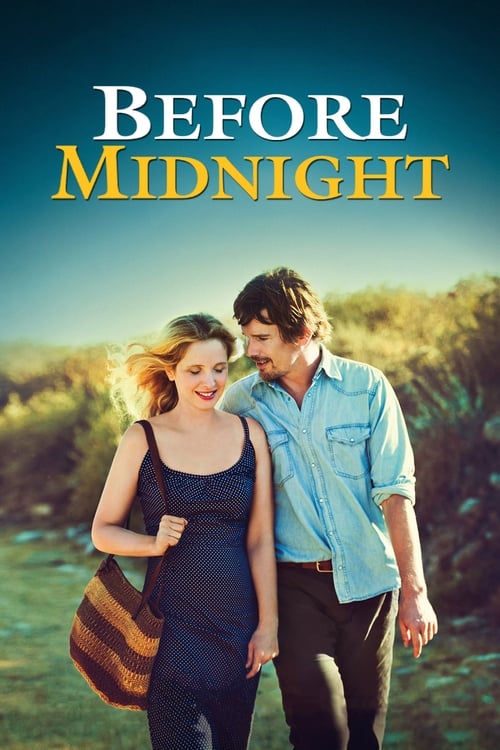
Most romance movies end at the exact moment the actual work begins. We’ve been conditioned by decades of cinema to believe that if two people can just navigate a wacky misunderstanding or a dash through an airport, the credits will roll on a lifetime of static bliss. But in 2013, Richard Linklater (the man behind the experimental Waking Life) decided to show us what happens when the sun actually goes down.

I watched this film for the third time recently while sitting on a slightly damp sofa, picking at a piece of spinach stuck in my teeth, and that mundane discomfort felt perfectly appropriate. Before Midnight isn't a movie you watch to escape your life; it’s a movie you watch to see your life—or the life you’re terrified of having—reflected back at you with startling clarity. It’s the final (for now) chapter in a trilogy that started in 1995, and it’s easily the most bruising of the bunch.
The Indie Hustle in the Peloponnese
It’s easy to forget now that the Before trilogy is one of the most successful examples of the "indie film renaissance" that defined the 90s and early 2000s. While the big studios were busy birthing the MCU or figuring out how to make CGI hobbits look real, Linklater, Ethan Hawke, and Julie Delpy were quietly perfecting the art of the "walk and talk."
This third entry was a true passion project, filmed for a lean $3 million. Apparently, the trio spent years debating whether they should even revisit Jesse and Celine, eventually holing up in a house in Greece to write the screenplay together. They didn't have a massive crew or a fleet of trailers; they had a beautiful Greek landscape, a car, and a lot of emotional baggage. This lean production style is why the film feels so intimate. There’s no studio interference smoothing out the edges. You can feel the heat of the Greek sun and the rising temperature of a domestic argument that has been simmering for nine years.
By 2013, we were deep into the digital era, yet the film retains a tactile, analog soul. The DVD release was a staple for film nerds, offering a peek into the collaborative writing process that makes these characters feel like real people rather than mouthpieces for a screenwriter. It’s a testament to the "Sundance generation" that a film consisting almost entirely of dialogue could still find a global audience.
A Combat of Words
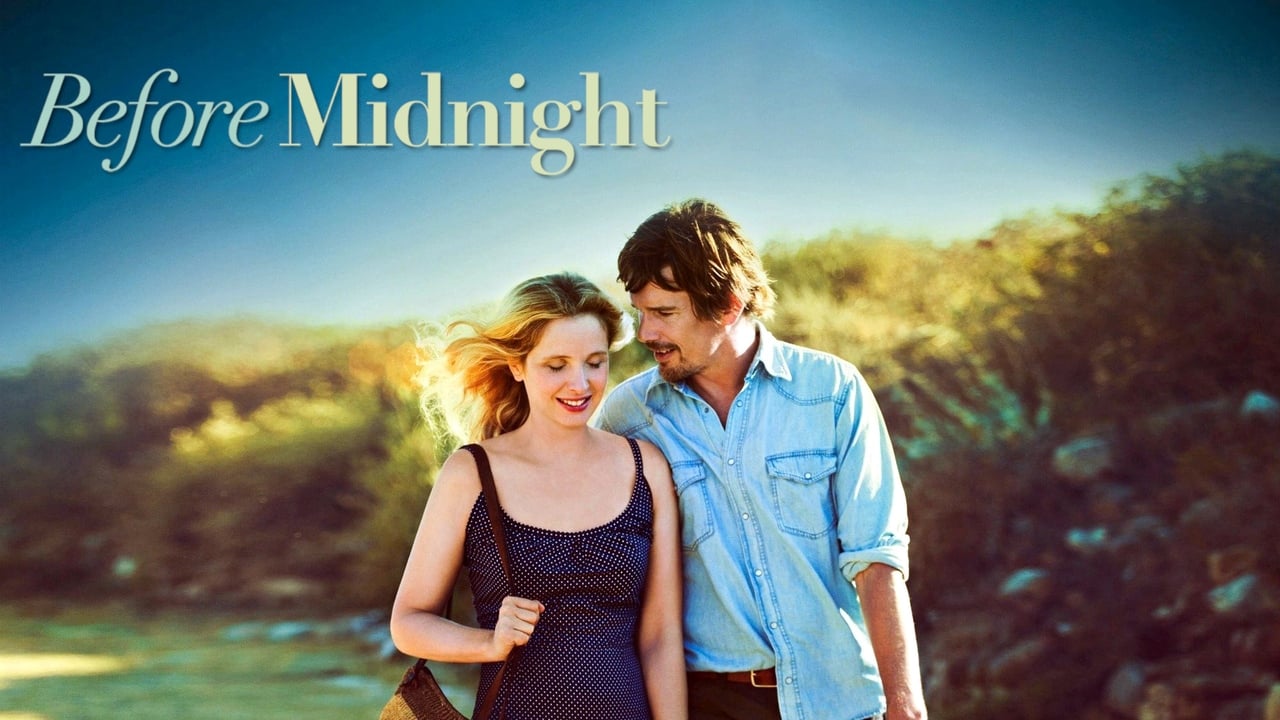
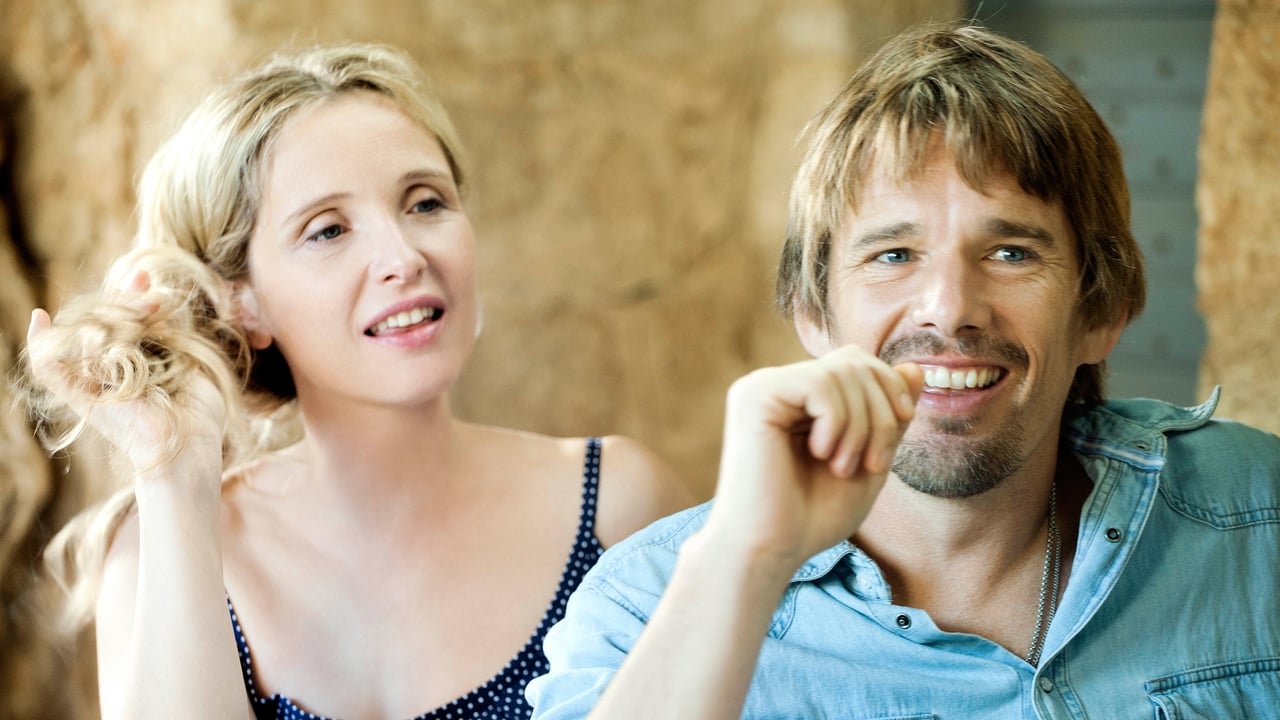
The chemistry between Ethan Hawke and Julie Delpy has evolved from the flirtatious spark of Vienna to the comfortable, then combustible, friction of long-term partnership. As Jesse and Celine, they aren't just lovers anymore; they are parents, professionals, and adversaries. Hawke plays Jesse with a weathered, slightly desperate charm, while Delpy is a force of nature as Celine—sharp, defensive, and deeply relatable in her frustrations.
The centerpiece of the film is a brutal, extended argument in a hotel room. It’s a masterclass in pacing and performance. It starts with a joke, moves to a minor slight, and eventually escalates into a full-scale demolition of their shared history. The hotel room scene is more terrifying than any slasher film from the 90s. There are no jump scares, just the slow realization that the person who knows you best also knows exactly where to twist the knife.
I found myself holding my breath during their 13-minute car ride sequence, which was shot in a way that makes you feel like an unwanted hitchhiker in the back seat. This is where the drama earns its keep. It’s not forced; it’s the result of two decades of character development. When Celine says, "I think I don't love you anymore," it doesn't feel like a plot twist. It feels like a punch to the gut because we’ve been with them since that first train ride in '95.
The Philosophy of the Long Haul
Beneath the bickering, Before Midnight grapples with some heavy existential questions. The film moves beyond the "will they/won't they" trope and asks: "Now that they have, was it worth it?" It’s a cerebral exploration of time, memory, and the slow erosion of the self within a relationship.

During a dinner scene with a group of friends—including the wonderful Xenia Kalogeropoulou—the conversation shifts to the idea that we are all just "passing through" each other’s lives. It’s a bit of a philosophical gut-check. The film suggests that love isn't a destination, but a recurring choice that gets harder to make every year. It’s about the transition from the idealism of youth to the compromise of middle age.
The visual language here is subtle. Linklater lets the camera linger, giving the actors space to breathe and react. There are no fast cuts to save a lagging performance because the performances never lag. It’s a film that respects the audience’s intelligence, trusting us to sit with the discomfort of a long-term silence or a poorly timed joke.
Before Midnight is a rare achievement: a sequel that enriches its predecessors by challenging their romanticism. It’s a film for anyone who has ever loved someone enough to want to scream at them. It reminds me that while the "happily ever after" of most movies is a lie, the reality of staying together—messy, loud, and exhausting as it is—is much more interesting. If you’ve followed Jesse and Celine this far, you owe it to yourself to see how they handle the dark. Just maybe don't watch it on a first date.
Keep Exploring...
-
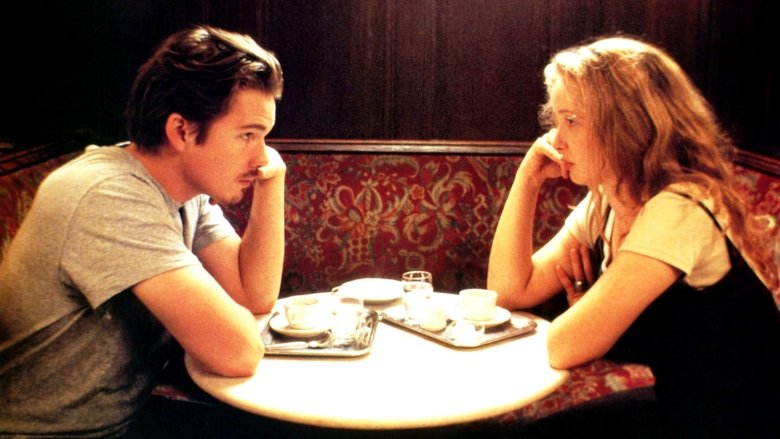
Before Sunrise
1995
-
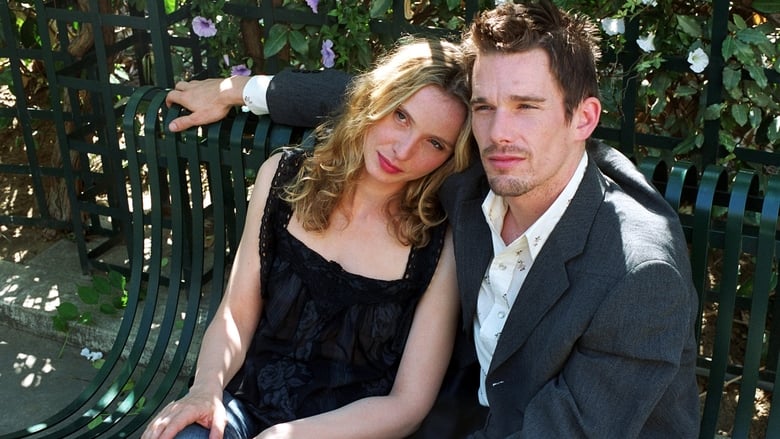
Before Sunset
2004
-

Waking Life
2001
-

Boyhood
2014
-
Bernie
2012
-
The Postman
1994
-

Dazed and Confused
1993
-
Blue Valentine
2010
-
Beginners
2011
-
The First Time
2012
-
The Spectacular Now
2013
-
The Reader
2008
-
The Wrestler
2008
-

Flipped
2010
-
Moonrise Kingdom
2012
-

Short Term 12
2013
-
I Origins
2014
-

Heartbeats
2010
-

Blue Is the Warmest Color
2013
-
Mr. Nobody
2009