Blackfish
"The water is deeper than they told you."
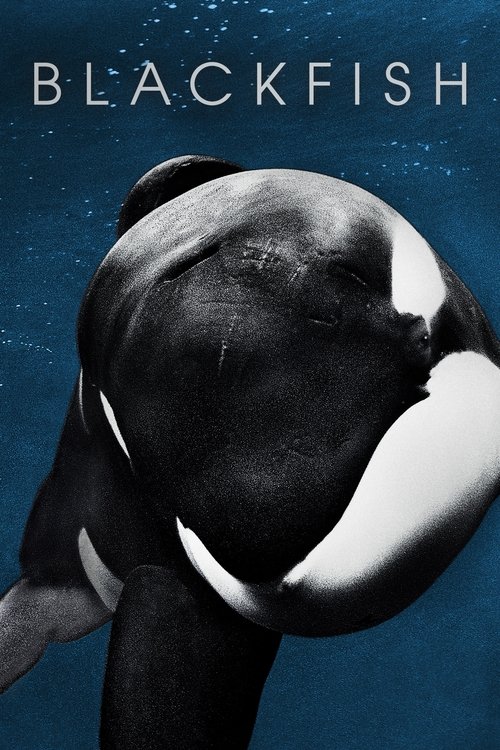
There is a specific brand of corporate gloss that dominated the early 2000s—a "everything is fine, buy a souvenir" sheen that felt impenetrable until the digital revolution began democratizing information. I was actually eating a slightly-too-salty pretzel at a local fair when the news of Dawn Brancheau’s death first broke in 2010, and even then, the narrative felt sanitized. The news cycle painted it as a freak accident, a lapse in "trainer error." But three years later, Gabriela Cowperthwaite released Blackfish, and that polished, Shamu-branded mirror didn't just crack—it shattered into ten thousand pieces.
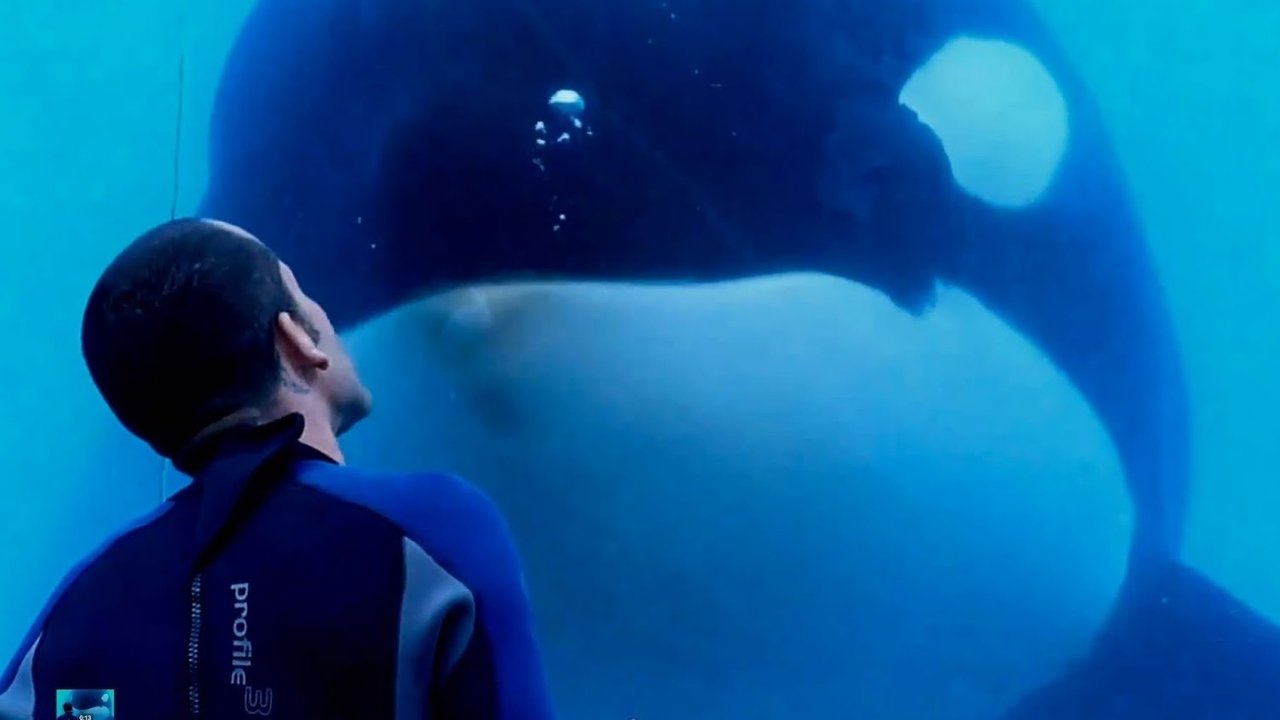
Looking back at the film now, it stands as a pivotal moment in the Modern Cinema era (1990–2014) where the documentary transitioned from an educational tool into a high-stakes psychological thriller. It arrived at the perfect cultural intersection: indie films were finding massive audiences through Sundance buzz, and social media was just becoming powerful enough to turn a 83-minute movie into a global movement.
The Anatomy of a Corporate Myth
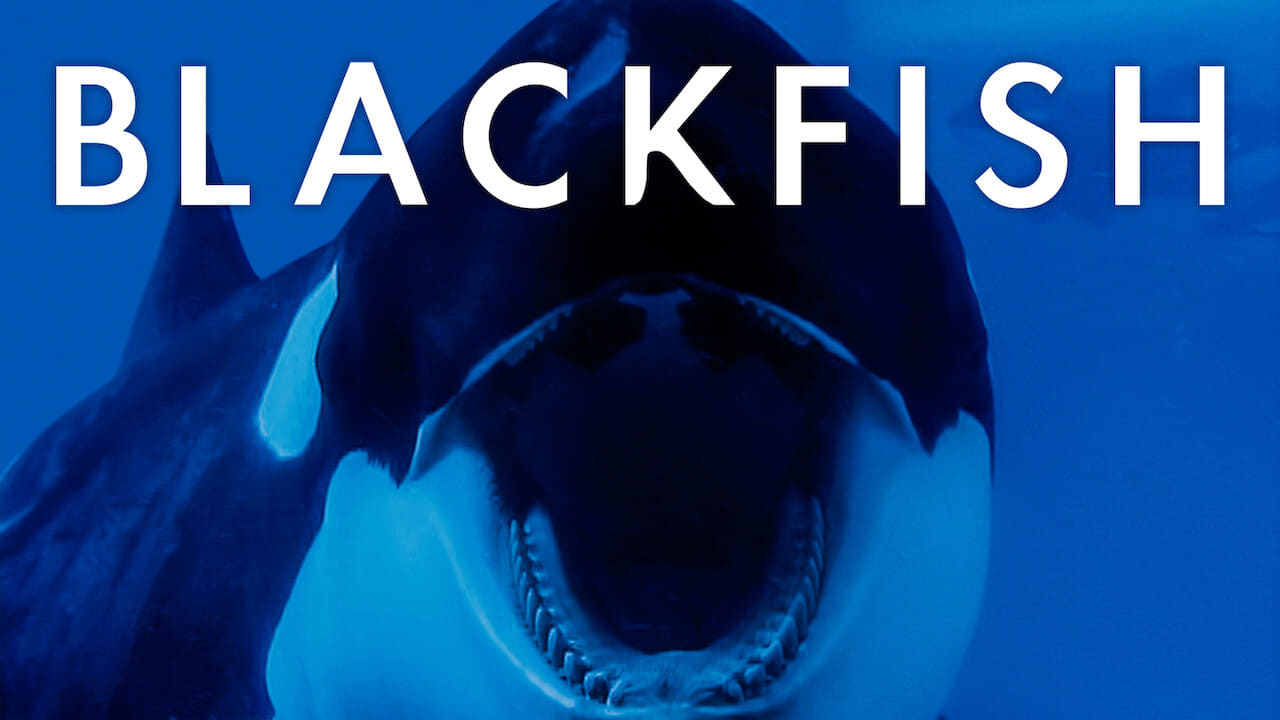
The brilliance of Cowperthwaite’s direction lies in her restraint. She doesn’t start with a megaphone or a protest sign. Instead, she approaches the story of Tilikum, a 12,000-pound bull orca, with the inquisitive eye of a prosecutor. The film relies heavily on the testimony of former SeaWorld trainers like John Hargrove, Jeffrey Ventre, and Samantha Berg. These aren't radical activists; they are people who deeply loved these animals and slowly realized they were part of a system that was effectively keeping a T-Rex in a broom closet and wondering why it got cranky.
The use of archival footage here is haunting. We see the grainy, low-res home movies from the 80s and 90s—the "VHS era" aesthetics that many of us associate with childhood vacations—recontextualized into something resembling a horror film. When the film shows the 1970s capture of orca calves, with the mothers screaming in the water, it’s a profound subversion of the "family fun" image SeaWorld spent billions to cultivate. It highlights how the corporatization of nature during the late 20th century relied entirely on the public's lack of access to the "behind-the-scenes" truth.
The Tragedy of the Apex Protagonist
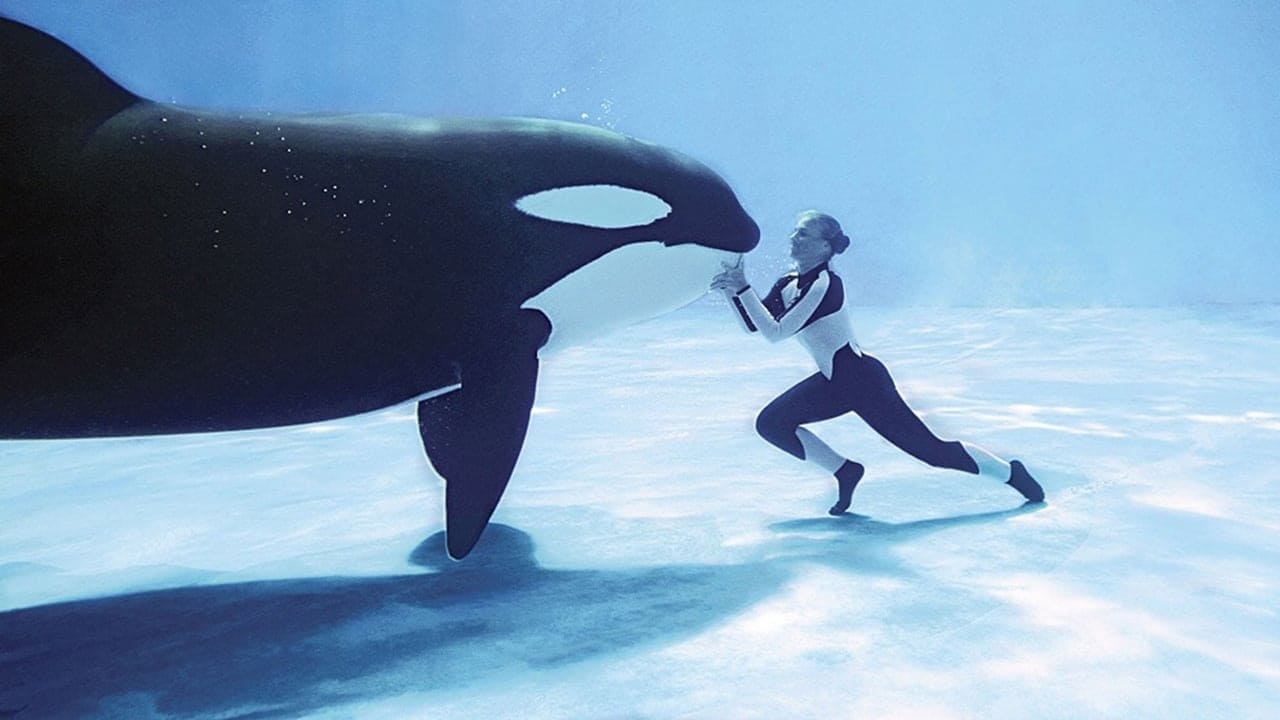
While the trainers provide the emotional backbone, Tilikum is the undeniable lead actor. Blackfish treats him with a level of psychological complexity usually reserved for prestige dramas. We see his "arc"—from a traumatized calf bullied by older females at Sealand of the Pacific to a frustrated, sensory-deprived sire used primarily for his sperm at SeaWorld.
The film posits a heavy philosophical question: what happens to a highly social, sentient being when you strip away its family, its autonomy, and its space? The answer is a slow-motion nervous breakdown that spans decades. When the former trainers discuss the "lie" they were told—that orcas live longer in captivity or that their dorsal fins collapse naturally—the sense of betrayal is palpable. SeaWorld’s PR department must have been fueled entirely by gin and despair to think these narratives would hold up once the internet gave everyone a platform to fact-check.
I was particularly struck by the sequence detailing the death of Dawn Brancheau. Instead of being exploitative, the film focuses on the legal aftermath and the way the corporation attempted to blame the victim for having her hair in a ponytail. It’s a classic "David vs. Goliath" drama, but in this case, David is a group of whistleblowers and Goliath is a multi-billion dollar theme park empire.
A Legacy of Shattered Glass
Technically, the film reflects the transition of the era. It blends high-definition talking-head interviews with the digital artifacts of security footage and 911 calls. The score by Jeff Beal (House of Cards) is masterfully subtle, never telling you how to feel but maintaining a low-frequency dread that mirrors the pressure of the deep water.
One of the more interesting bits of trivia is that Gabriela Cowperthwaite actually started the project as a fan of the parks. She wasn't an animal rights activist; she was a mother who took her kids to SeaWorld and was genuinely confused by the tragedy. That lack of an initial agenda is why the film feels so earned. It’s a journey of discovery, not a lecture. Apparently, SeaWorld refused to be interviewed for the film, a move that was about as effective as trying to stop a leak in a dam with a piece of chewing gum. Their silence speaks louder than any defense they could have mounted.
The "Blackfish Effect" is a term for a reason. Within years of the release, SeaWorld’s stock plummeted, they ended their orca breeding program, and the public's relationship with animal entertainment changed forever. It’s a rare instance where a film didn't just reflect the culture; it actively steered it.
Blackfish is a masterclass in how to build a narrative out of tragedy without losing sight of the humanity (or orca-manity) at its core. It’s a difficult watch at times, but it’s essential cinema for anyone interested in how corporate power structures handle the "inconvenience" of the truth. It’s a film that asks us to look past the splash zone and see the reality of the tank, and once you’ve seen it, you can never quite look at a blue horizon the same way again.

Keep Exploring...
-

Exit Through the Gift Shop
2010
-

One Direction: This Is Us
2013
-

Citizenfour
2014
-
Senna
2010
-
Grizzly Man
2005
-
Man on Wire
2008
-

Inside Job
2010
-

Searching for Sugar Man
2012
-

Synecdoche, New York
2008
-
Detachment
2011
-

Paperman
2012
-
Justice League: The Flashpoint Paradox
2013
-

Nebraska
2013
-
Bowling for Columbine
2002
-

Departures
2008
-
Il Divo
2008
-

Evangelion: 2.0 You Can (Not) Advance
2009
-

My Name Is Khan
2010
-

A Separation
2011
-

From Up on Poppy Hill
2011