Blue Is the Warmest Color
"Love is a primary color."
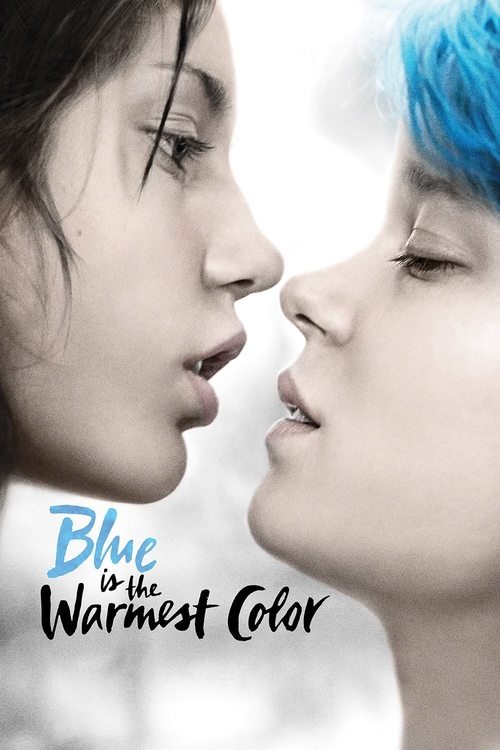
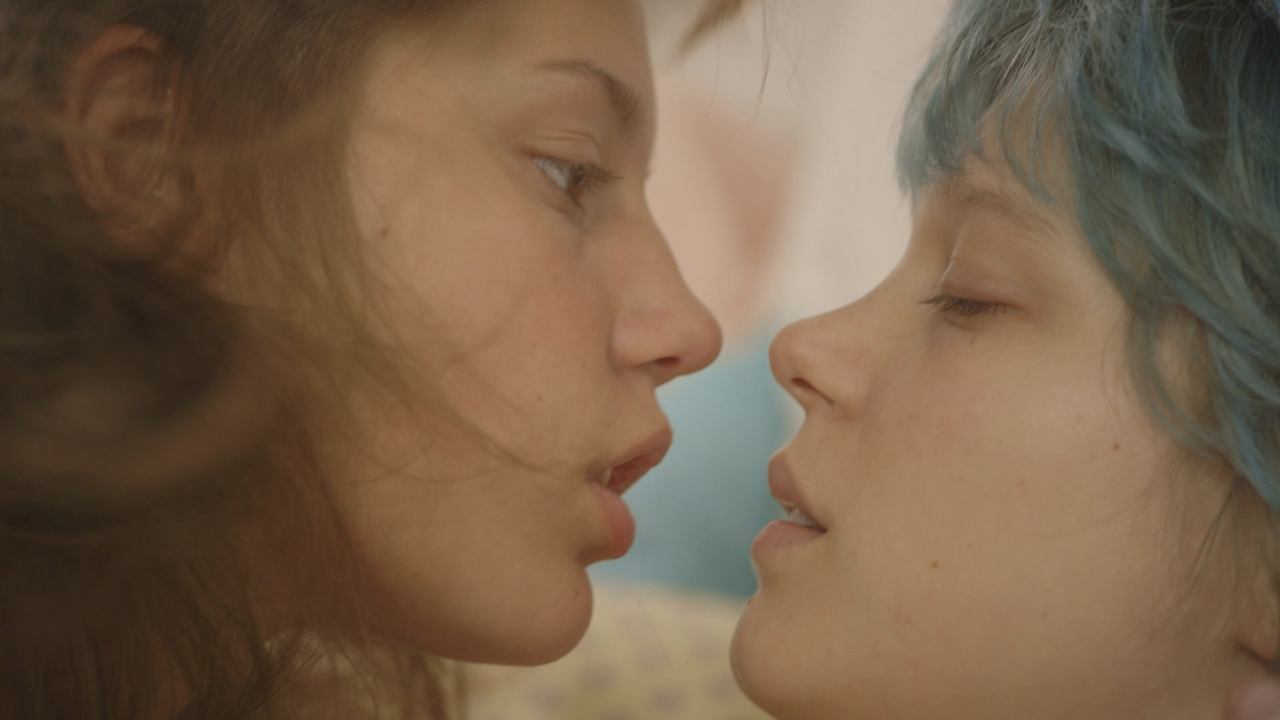
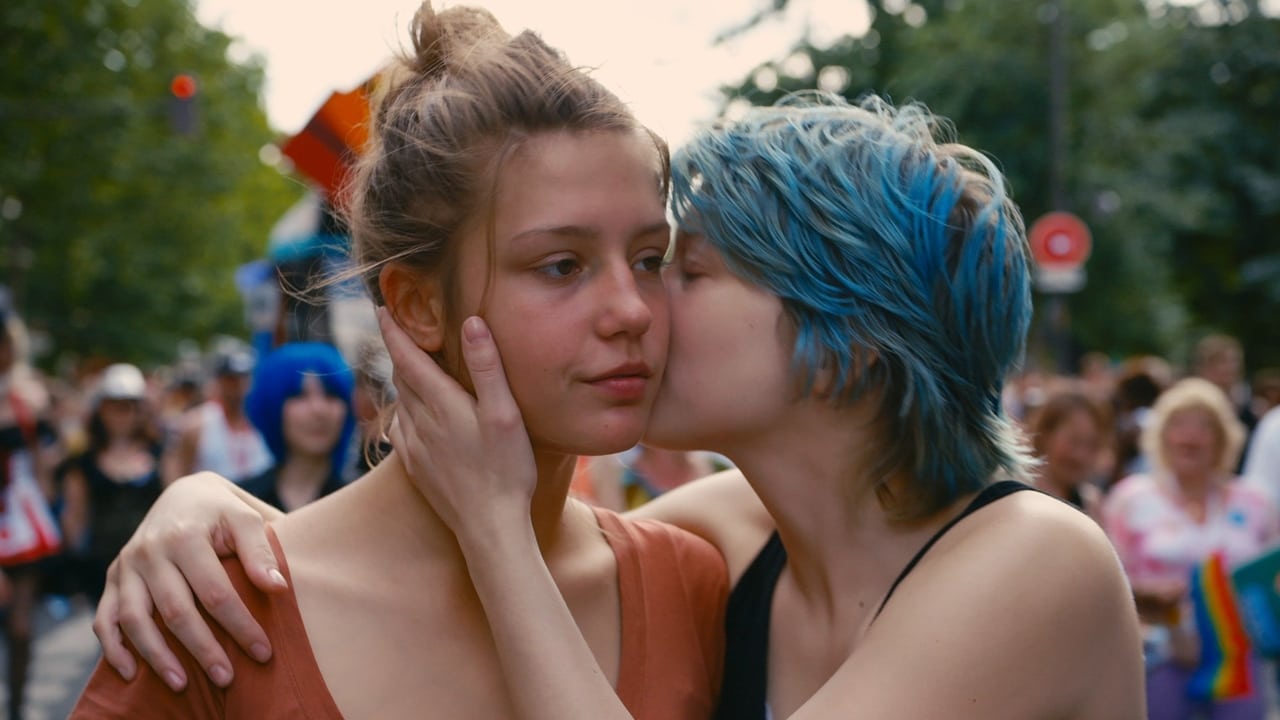
Abdellatif Kechiche doesn't just film a scene; he interrogates it until it surrenders every possible drop of emotion. In Blue Is the Warmest Color, the camera spends so much time inches away from Adèle Exarchopoulos’s face that by the two-hour mark, I felt like I could map the topography of her skin from memory. It’s an intrusive, almost claustrophobic style of filmmaking that arrived in 2013 and promptly blew the doors off the Cannes Film Festival. Looking back, it captures a specific moment in the early 2010s when digital cinematography finally allowed directors to shoot hundreds of hours of footage, chasing a level of hyper-realism that analog film simply couldn’t afford.
I watched this for the third time last Tuesday while nursing a slightly cold bowl of leftover spaghetti—which, if you’ve seen the movie, is the only way to truly experience it. There is something about the way Adèle eats in this film that feels more revealing than any dialogue. She doesn't just chew; she consumes life with a messy, unselfconscious hunger that defines her entire character arc.
The Physics of Falling in Love
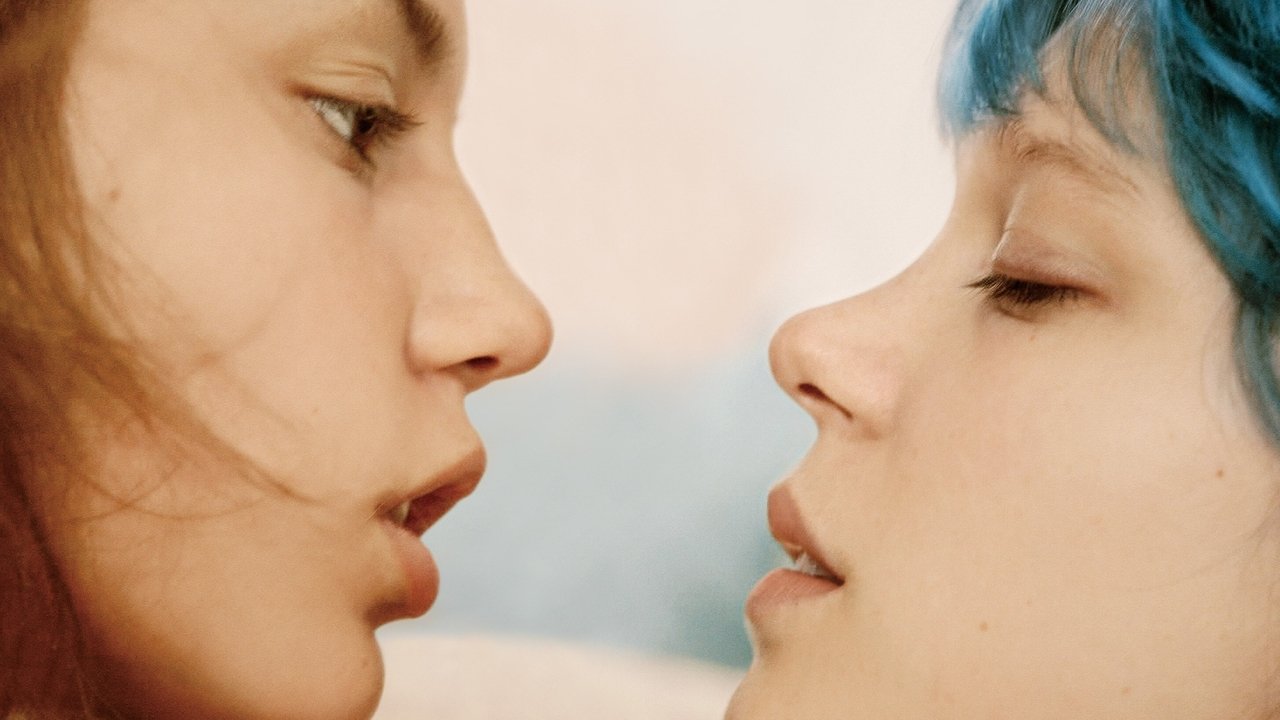
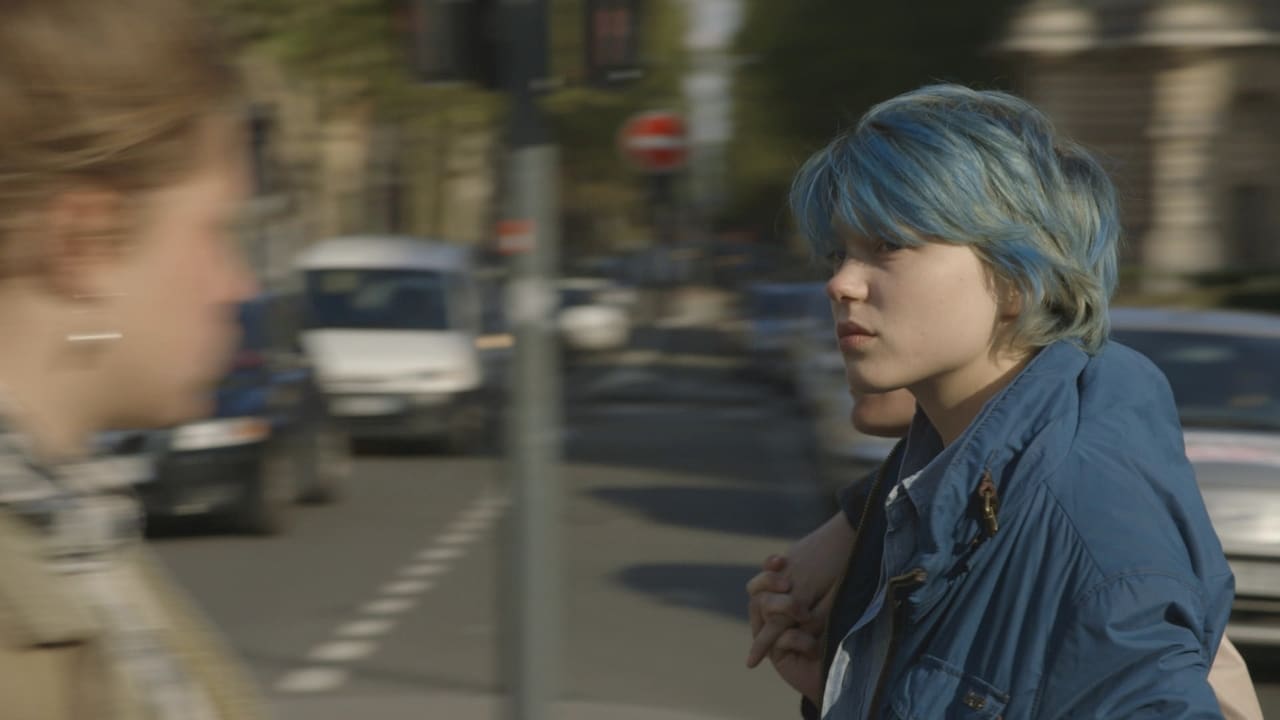
At its heart, this is a coming-of-age story that refuses to use the standard Hollywood shorthand for "growing up." We follow Adèle from high school through her early twenties, charting her life-altering relationship with Emma, played with a cool, intellectual detachment by Léa Seydoux. When they first lock eyes on a crosswalk—Emma with her shock of punk-blue hair—the world doesn't stop, but the movie’s pulse certainly quickens.
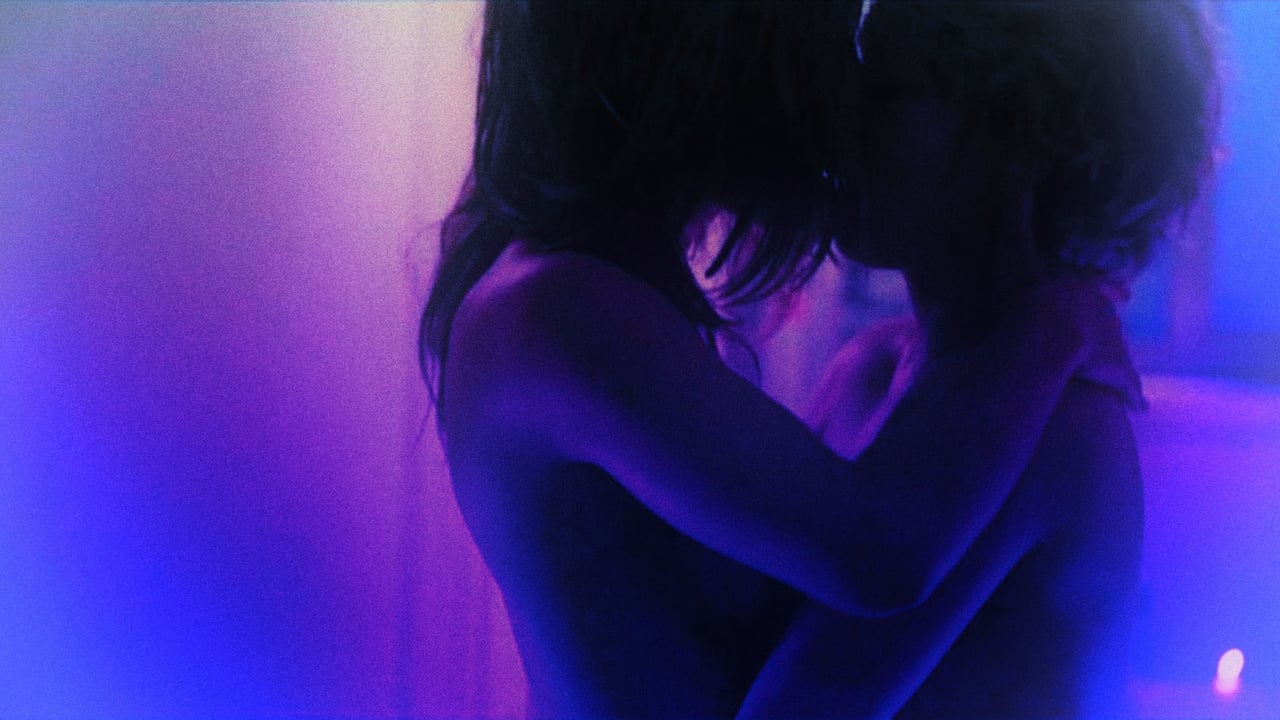
The chemistry between Adèle Exarchopoulos and Léa Seydoux is the kind of lightning-in-a-bottle casting that indie directors dream of. It’s not just about the much-discussed (and genuinely exhausting) sex scenes; it’s about the way they look at each other across a crowded gallery or the way their body language shifts as the years pile up. Adèle gives one of the most ego-free performances I’ve ever seen. She allows herself to look ugly, bloated with grief, and genuinely lost. The spaghetti scenes are actually more intimate than the bedroom scenes, mostly because they highlight the fundamental gap between these two women that sex alone can't bridge.
Class Warfare in the Kitchen
While the marketing focused on the "blue" of the title and the romance, I find the film’s treatment of social class much more fascinating upon reflection. This isn't just a "lesbian movie"; it’s a movie about the invisible walls built by education and upbringing. Emma is a creature of the fine arts, a woman who discusses philosophy over oysters and white wine. Adèle is a primary school teacher who finds comfort in the familiar and the domestic.
Kechiche highlights this brilliantly during two dinner party scenes. At Adèle’s house, the family eats pasta and talks about job security. At Emma’s house, they discuss the nature of art and the "purity" of the female form. You can see the exact moment Adèle realizes she is an outsider in Emma’s world, and it’s heartbreaking. The film captures that specific Y2K-era indie sensibility where the political is personal, and the personal is usually painful. It’s a drama that earns its three-hour runtime by letting these small, cultural frictions itch and fester until the relationship inevitably breaks.
Behind the Blue Hair
The production of this film is legendary for all the wrong reasons, yet it’s impossible to separate the grueling process from the result. Kechiche reportedly shot over 800 hours of footage. To put that in perspective, a standard feature film might shoot 60 to 100 hours. This was the "Indie Renaissance" taken to its logical, obsessive extreme. The actors were often kept on set for months longer than planned, with the director demanding take after take of the same mundane actions to strip away any sense of "acting."
Interestingly, the film’s source material is a graphic novel by Julie Maroh, but Kechiche veered wildly away from the book's tragic ending. He was more interested in the lingering ache of a first love that just... stops. The film was also a historical milestone at Cannes; the jury, led by Steven Spielberg, took the unprecedented step of awarding the Palme d'Or not just to the director, but to the two lead actresses as well. It was a recognition that without their total physical and emotional surrender, the movie would have been little more than a voyeuristic exercise.
The blue hair dye used for Léa Seydoux’s character was reportedly a nightmare to maintain, constantly staining pillows and clothes during the long shoot. It serves as a perfect metaphor for the film itself: a vibrant, messy, and staining experience that you can’t easily wash off once it’s over.
Ultimately, Blue Is the Warmest Color is a marathon of the soul. It’s an essential piece of 2010s cinema that reminds me why we go to the movies—not to see life polished and perfected, but to see it raw and unedited. It's a heavy sit, but one that rewards you with a profound sense of having lived through someone else's most private moments. If you have the afternoon to spare and a box of tissues (and maybe some pasta), it’s a journey that still feels incredibly vital.
Keep Exploring...
-
Blue Valentine
2010
-

Heartbeats
2010
-
Beginners
2011
-

Now Is Good
2012
-
The First Time
2012
-
Before Midnight
2013
-
The Spectacular Now
2013
-
Chungking Express
1994
-
The Postman
1994
-
Leaving Las Vegas
1995
-
Chasing Amy
1997
-
Buffalo '66
1998
-
Monster's Ball
2001
-
Bend It Like Beckham
2002
-
Secretary
2002
-
Garden State
2004
-
High School Musical
2006
-
Imagine Me & You
2006
-
Once
2007
-
Desire
2011