Blue Jasmine
"Wealth is temporary. Delusion is forever."

The first thing you notice about Jasmine French isn't her pristine Chanel jacket or her custom-fit Birkin bag; it’s the sweat. Specifically, the way a nervous perspiration begins to betray her even as she’s narrating her own fabricated life to anyone within earshot. By the time the credits rolled, I felt like I needed a Xanax and a stiff drink myself. I actually watched this for the first time while my radiator was clanking like a ghost in a Victorian novel, and the rhythmic, metallic banging actually made the lead character’s mental state feel even more claustrophobic.

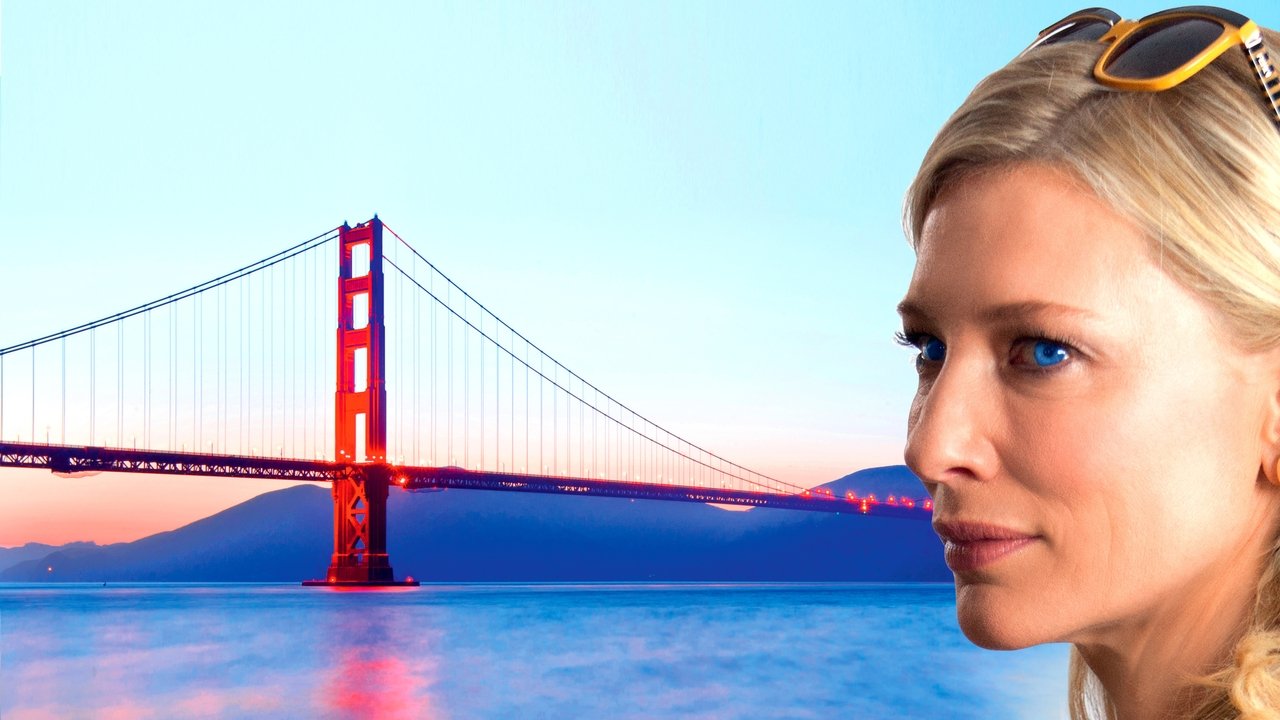
Cate Blanchett doesn’t just play a character here; she inhabits a decaying orbit. It’s 2013, and we are right in that sweet spot of the "Modern Cinema" era where the dust of the 2008 financial crisis had settled into a permanent layer of grime on the American Dream. Woody Allen—who was still making one film a year like clockwork back then—took the bones of A Streetcar Named Desire and dressed them in Upper East Side couture. But instead of the humid haze of New Orleans, we get the foggy, chilly reality of San Francisco.
The High Price of Denial
At its heart, this is a story about the lies we tell ourselves to keep from drowning. Jasmine is a woman who "married well" to Alec Baldwin’s Hal, a man who essentially ran a Ponzi scheme draped in the aesthetics of old money. When the feds come knocking and the assets are frozen, Jasmine is left with nothing but her name and a few pieces of jewelry she managed to hide. She flees to San Francisco to live with her foster sister, Ginger, played with a heartbreaking, grounded warmth by Sally Hawkins.
The contrast is where the movie finds its friction. Jasmine looks down her nose at Ginger’s "low-class" lifestyle, including her boyfriend Chili (Bobby Cannavale), while she herself is completely incapable of functioning in a world that requires a resume. Watching this is essentially like witnessing a high-speed car crash where the car is made of gold and the driver is screaming about French vodka. I found myself oscillating between pity and a strange, vengeful glee. There is something deeply satisfying about seeing the bubble burst for someone so profoundly entitled, even if the fallout is messy.
A Modern Masterpiece of Casting

What really makes Blue Jasmine stick in the craw is the ensemble. We’re used to seeing Alec Baldwin play the shark, but here he’s a specific kind of predatory socialite that feels ripped from the headlines of the Madoff era. Then there’s the "Dice" of it all. Andrew Dice Clay turns in a performance as Ginger’s ex-husband, Augie, that is so raw and vulnerable it genuinely caught me off guard. Who knew the "Diceman" had that kind of dramatic weight?
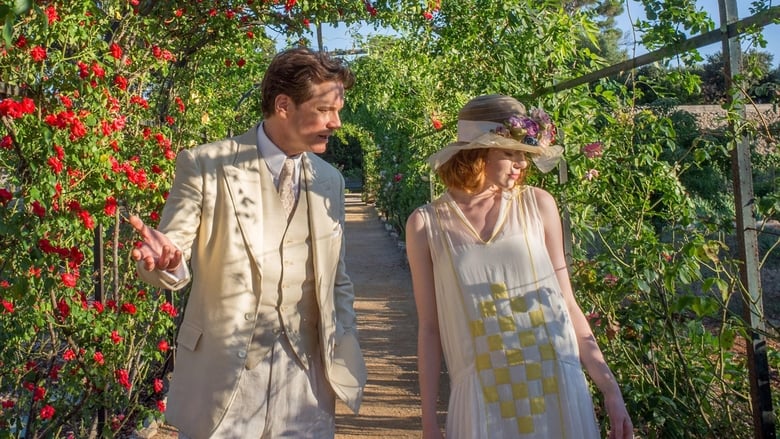
The film also serves as a timestamp for cinema’s technical shift. This was actually the last film Woody Allen shot on 35mm before transitioning to digital for Magic in the Moonlight. You can feel that richness in the cinematography by Javier Aguirresarobe. The New York flashbacks have a golden, hazy glow—the warmth of a lie—while the San Francisco present-day scenes are sharp, cool, and unforgiving. It’s a visual representation of a hangover.
The Cult of the Breakdown
While this was a mainstream hit and won Cate Blanchett a well-deserved Oscar, it has developed a massive "performance-cult" following. Acting students and drama nerds obsess over this film the way horror fans obsess over Evil Dead II. There are specific details that fans point to as proof of the film's meticulous construction:
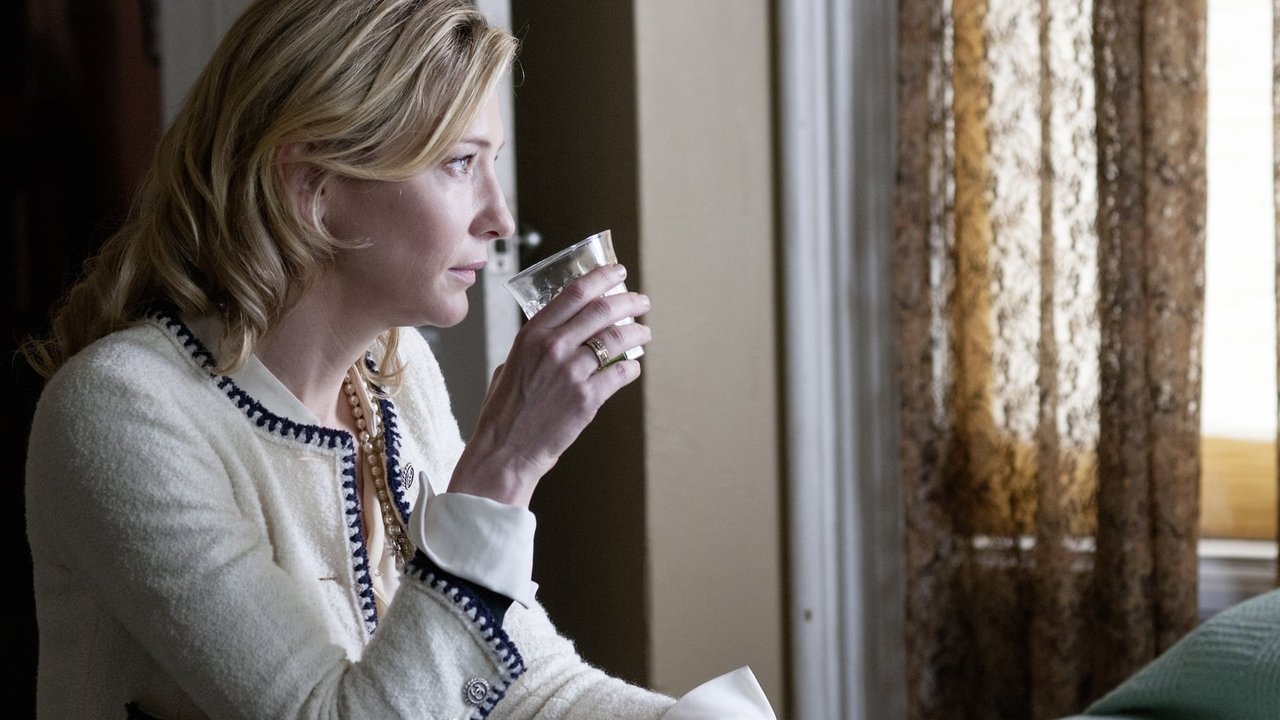
The Jacket Legend: That iconic Chanel jacket Jasmine wears throughout her downfall? It was actually a loan. The production budget was surprisingly tight ($18 million), and the costume designer reached out to Karl Lagerfeld, who personally sent the jacket because he was a fan of Blanchett. The "Dice" Discovery: Apparently, the director didn't even know Andrew Dice Clay was a famous stand-up comic when he cast him; he had just seen him in a documentary and liked his face. Stoli with a Twist: In every scene where Jasmine is drinking her signature Stoli martini, Blanchett reportedly insisted on a specific level of "internal vibration" to show the character’s burgeoning alcoholism. The Real Inspiration: The plot was loosely based on a story told to the director by his wife, about a woman she knew who had lost everything in a financial scandal and was seen talking to herself on the streets of New York. The Streetcar Connection: While never officially billed as a remake, the parallels to Tennessee Williams’ A Streetcar Named Desire* are so thick you could cut them with a butter knife. Jasmine is Blanche, Ginger is Stella, and Chili is a New Millennium Stanley Kowalski.
Blue Jasmine is a rare bird: a character study that feels like a thriller. It’s a brutal look at the end of an era, reflecting the anxieties of a post-recession world where the safety nets for the rich turned out to be made of tissue paper. It doesn't offer easy answers or a feel-good ending, and that's exactly why it works. It’s a film that demands you look at the parts of yourself you’d rather keep hidden behind a pair of expensive sunglasses.
If you haven't revisited this one since 2013, do yourself a favor and put it on. Just make sure you have some ginger ale—or something stronger—nearby to settle your stomach. It’s a bumpy, brilliant ride.
Keep Exploring...
-

Vicky Cristina Barcelona
2008
-

Match Point
2005
-
Magic in the Moonlight
2014
-
Deconstructing Harry
1997
-
Café Society
2016
-
Manhattan
1979
-
Whatever Works
2009
-
Midnight in Paris
2011
-
Irrational Man
2015
-
Stoker
2013
-
Still Alice
2014
-
Manhattan Murder Mystery
1993
-
You Will Meet a Tall Dark Stranger
2010
-
To Rome with Love
2012
-
Never Let Me Go
2010
-

Hugo
2011
-
Hannah and Her Sisters
1986
-
Crimes and Misdemeanors
1989
-

Milk
2008
-

Never Back Down
2008