Broken City
"Power is the ultimate double-cross."
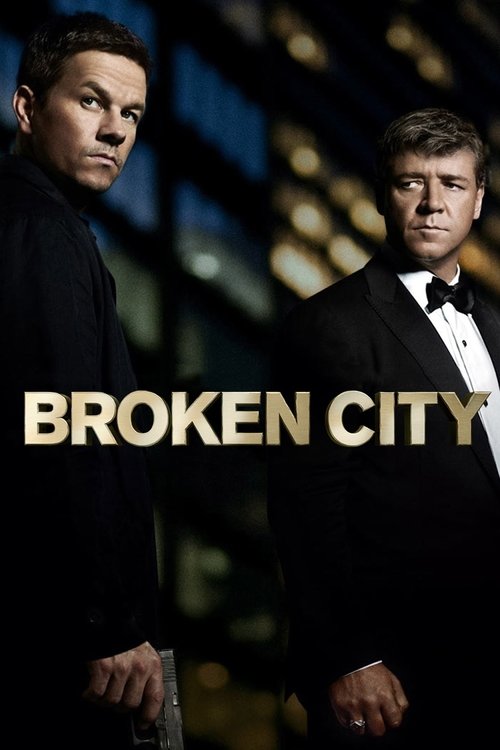
I remember watching Broken City on a Tuesday afternoon while recovering from a mild case of food poisoning—I’m fairly certain it was a suspicious shrimp taco—and there is something about the film’s mid-budget, cynical grey-scale aesthetic that pairs perfectly with a low-grade fever. It’s the kind of movie that feels like it was designed specifically to be discovered on a hotel TV at 11:00 PM when you’re too tired to sleep but too wired to read. It arrived in January 2013, the traditional "dump month" for Hollywood, and promptly vanished into the shadow of larger, shinier things. But looking back a decade later, it’s a fascinating artifact of the "adult thriller" extinction event.
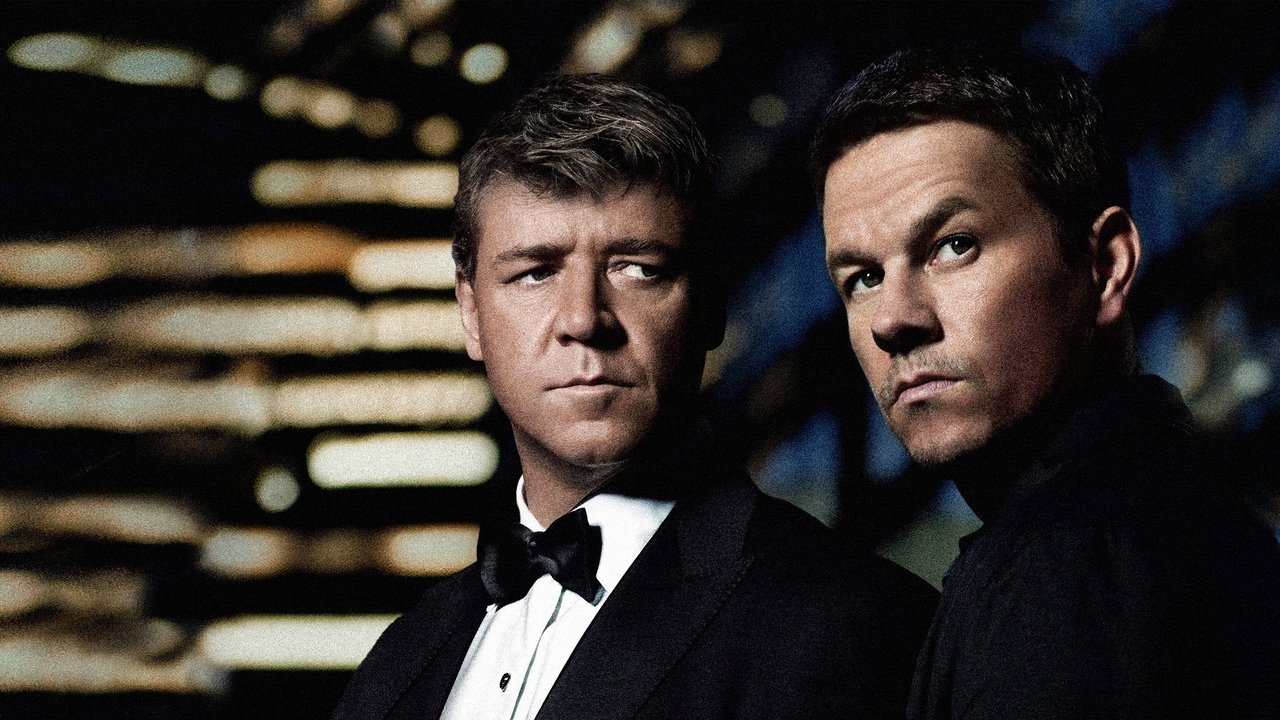
The Last of the Mid-Budget Mohicans
In the early 2010s, we were right on the cusp of the total franchise takeover. The Avengers had just happened a few months prior, and the space for a $50 million, R-rated political drama led by two Oscar-nominated heavyweights was shrinking faster than Mark Wahlberg’s patience in a press junket. Directed by Allen Hughes (marking his first solo outing without his brother Albert, with whom he made Menace II Society), the film feels like a throwback to the 1990s legal thrillers I used to see advertised on the back of bus stops.
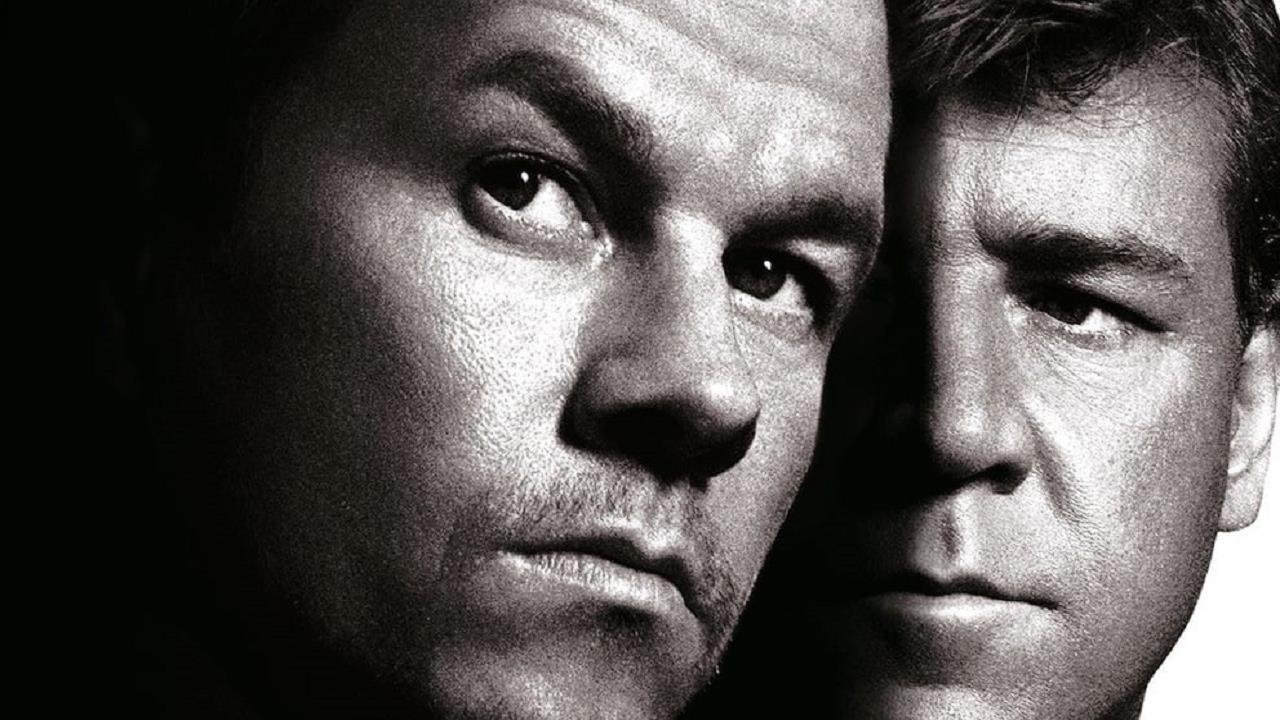
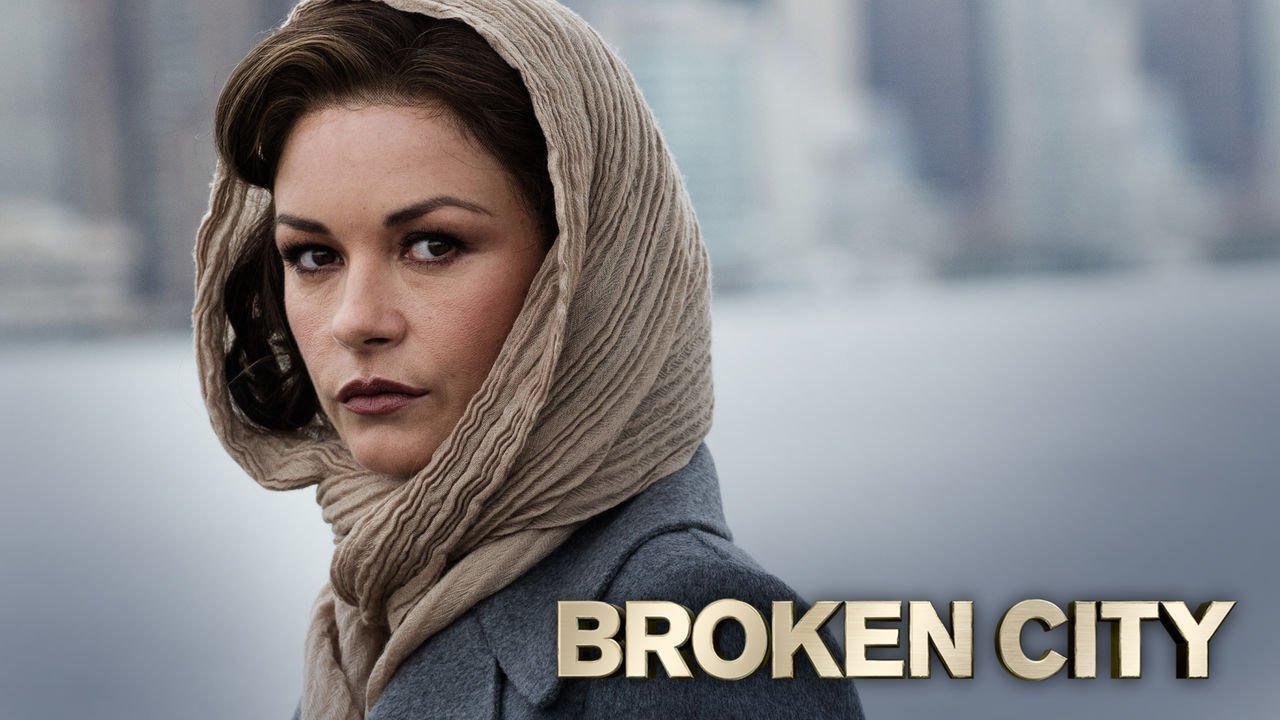
The plot is classic noir: Billy Taggart (Wahlberg), an ex-cop who left the force under a cloud of controversy, is hired by the charismatic and oily Mayor Nicholas Hostetler (Russell Crowe) to investigate his wife, Cathleen (Catherine Zeta-Jones). Taggart thinks it’s a simple case of infidelity, but since this is a movie called Broken City, it’s naturally a sprawling web of real estate corruption, murder, and high-level backstabbing. It’s the kind of story where everyone wears a suit but nobody’s hands are clean, and honestly, it’s about as subtle as a brick through a windshield.
Scenery-Chewing and Style Choices
The real reason to revisit this is the central trio. Mark Wahlberg is essentially playing a slightly more subdued version of his character from The Departed—all Boston grit and "do you know who I am?" energy. But the real spectacle is Russell Crowe. By 2013, Crowe had entered his "maximalist" phase. As the Mayor, he sports a haircut that looks like it was sculpted out of high-end marzipan and delivers every line with a menacing purr that suggests he’s about to either fire you or eat you.
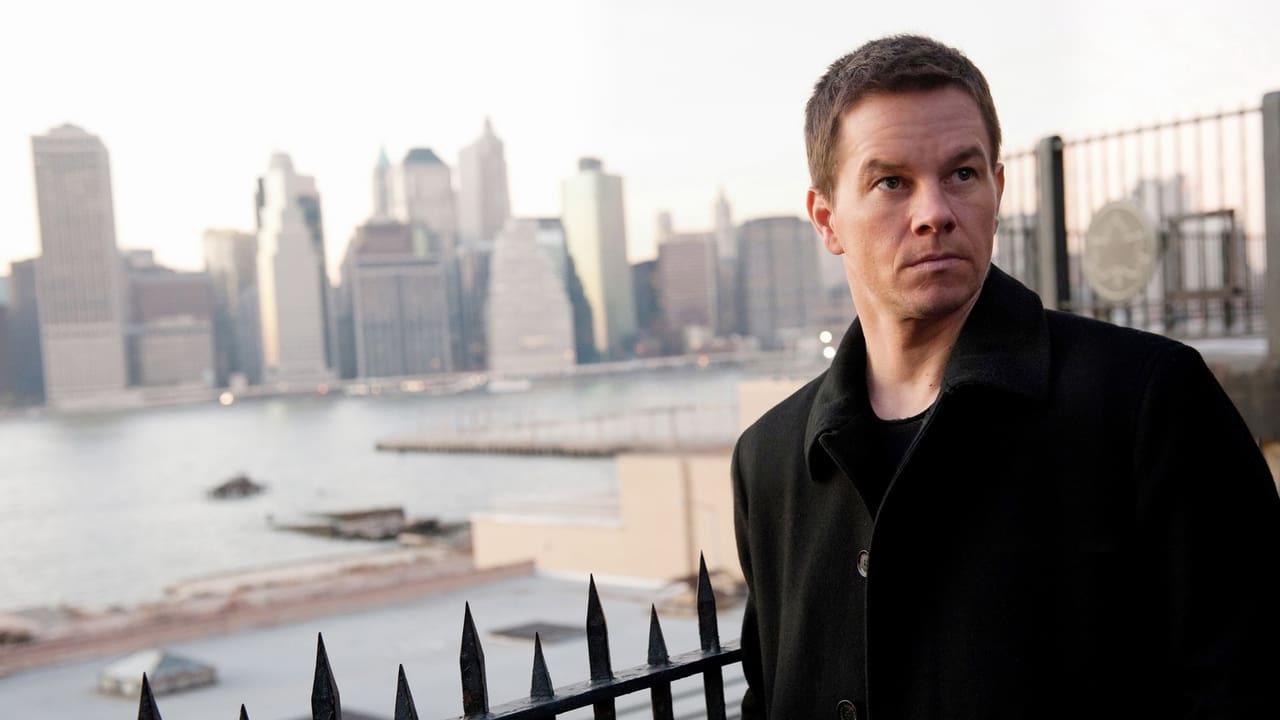
Then there’s Catherine Zeta-Jones, who is criminally underused but manages to radiate "classic Hollywood femme fatale" in every frame. I’ve always felt that Zeta-Jones has a screen presence that belongs in a 1940s detective film, and Hughes captures that vibe beautifully. The chemistry between these three isn't exactly electric—it’s more like three distinct tectonic plates grinding against each other—but that friction keeps the pacing from sagging.
The film also features a pre-fame Alona Tal as Taggart’s assistant and a very reliable Jeffrey Wright as the Police Commissioner. Watching Wright navigate a script like this is like watching a master chef cook a grilled cheese sandwich; he’s far too good for the material, but he makes it the best damn grilled cheese you’ve ever had.
Why It Vanished (And Why It’s Still Worth 109 Minutes)
So, why did a movie with this much star power fail to make back its budget? It’s a bit of a "Black List" casualty. The script by Brian Tucker had been legendary in Hollywood circles since 2008, appearing on the annual list of the best unproduced screenplays. By the time it actually got made, the gritty, "city in crisis" vibe felt a little redundant. We had already seen The Wire; we had already seen the cynical heights of the 2000s crime dramas.
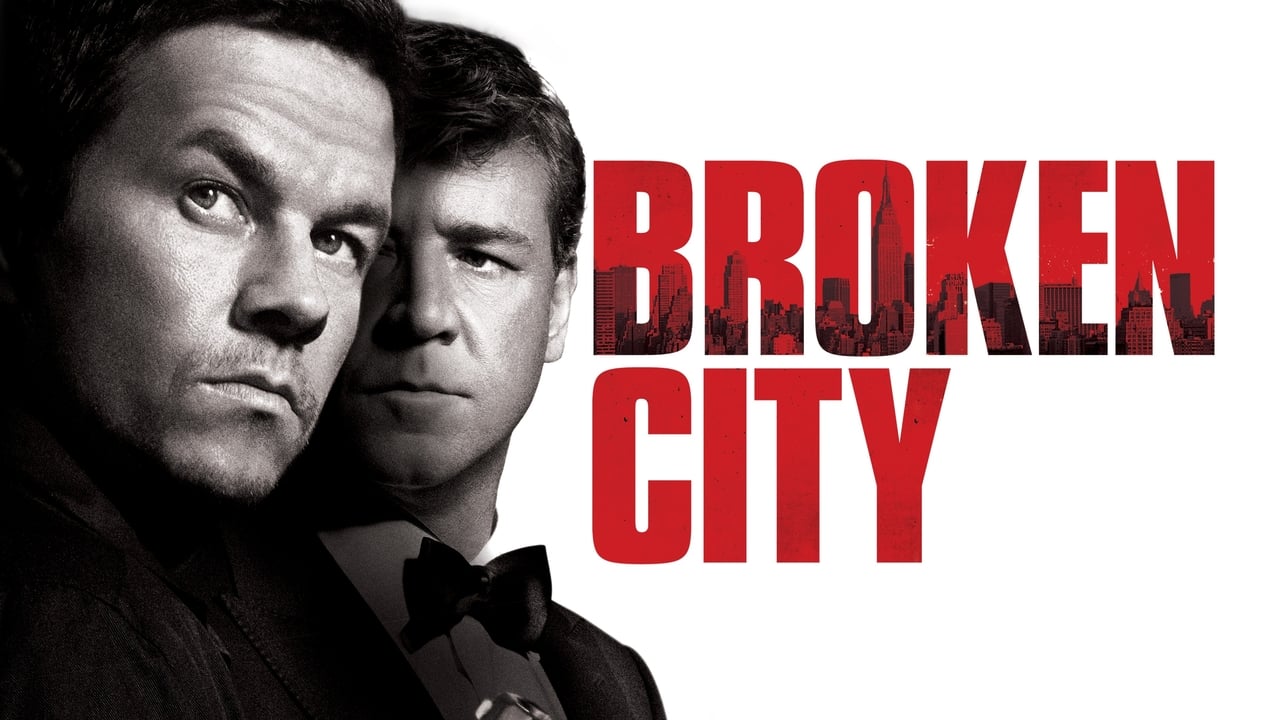
Also, the digital cinematography—while crisp—lacks the moody, grainy atmosphere that could have elevated this into a true Neo-Noir. It looks a bit too much like a high-end car commercial. However, the score by Atticus Ross (who usually works with Trent Reznor) provides a pulsing, industrial heartbeat that makes even the most mundane scenes of people looking at folders feel like a ticking time bomb.
Interestingly, the film’s failure marked a shift for Mark Wahlberg as a producer. After this, he leaned much harder into the "true story" heroism of films like Lone Survivor and Deepwater Horizon. Broken City was his last real attempt at the fictional, hard-boiled detective archetype, and while it isn't a masterpiece, I find myself defending it. It’s a movie for people who miss the days when a "blockbuster" was just two guys in a room shouting about urban planning.
Ultimately, Broken City is a sturdy, B-grade thriller that is exactly what it says on the tin. It won't change your life, and it won't redefine the genre, but it’s a solid reminder of a time when Hollywood still cared about making movies for grown-ups that didn't involve capes or multiverses. It’s the cinematic equivalent of a decent diner burger: it hits the spot while you’re eating it, even if you’ve forgotten the taste by the time you reach the parking lot. If you see it on a streaming service some rainy Sunday, give it a shot—just for the sheer joy of watching Russell Crowe be a magnificent jerk.
Keep Exploring...
-
The Gambler
2014
-
Edge of Darkness
2010
-
Contraband
2012
-

Lakeview Terrace
2008
-
Street Kings
2008
-
Untraceable
2008
-
The Last House on the Left
2009
-
Brooklyn's Finest
2010
-
Takers
2010
-

Get the Gringo
2012
-

The Iceman
2012
-
Dead Man Down
2013
-
Runner Runner
2013
-
Kill the Messenger
2014
-
Sabotage
2014
-
Backdraft
1991
-

The Devil's Own
1997
-
A Perfect Murder
1998
-
The Siege
1998
-
Payback
1999