Byzantium
"Survival isn't a gift; it's a hunger."
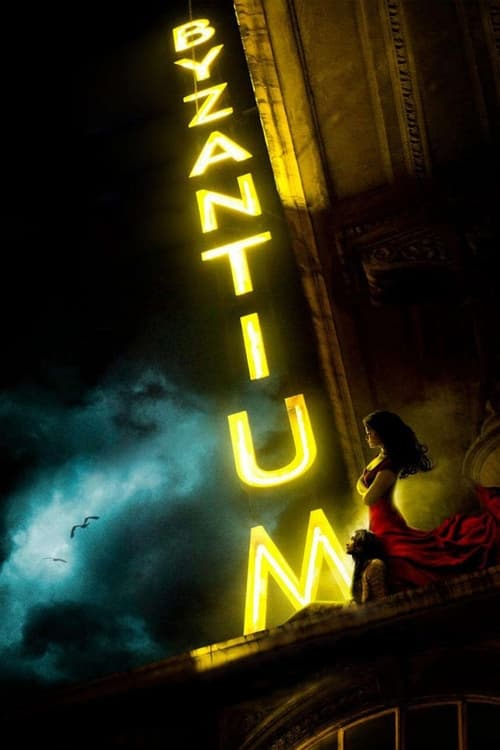
In 2013, the cinematic landscape was littered with the sparkling remains of the Twilight phenomenon. We were collectively exhausted by the "teen supernatural" craze, which is likely why Neil Jordan’s second foray into the blood-soaked genre didn’t just underperform—it practically evaporated. While Jordan’s 1994 classic Interview with the Vampire was a lush, operatic spectacle of Gothic excess, Byzantium feels like its grittier, disenfranchised cousin. I watched this on a rainy Tuesday while chewing on a piece of red licorice that had gone slightly stale, and honestly, the leathery texture of the candy felt like the perfect accompaniment to the film’s weathered, salt-crusted atmosphere.

The Gritty Side of Eternity
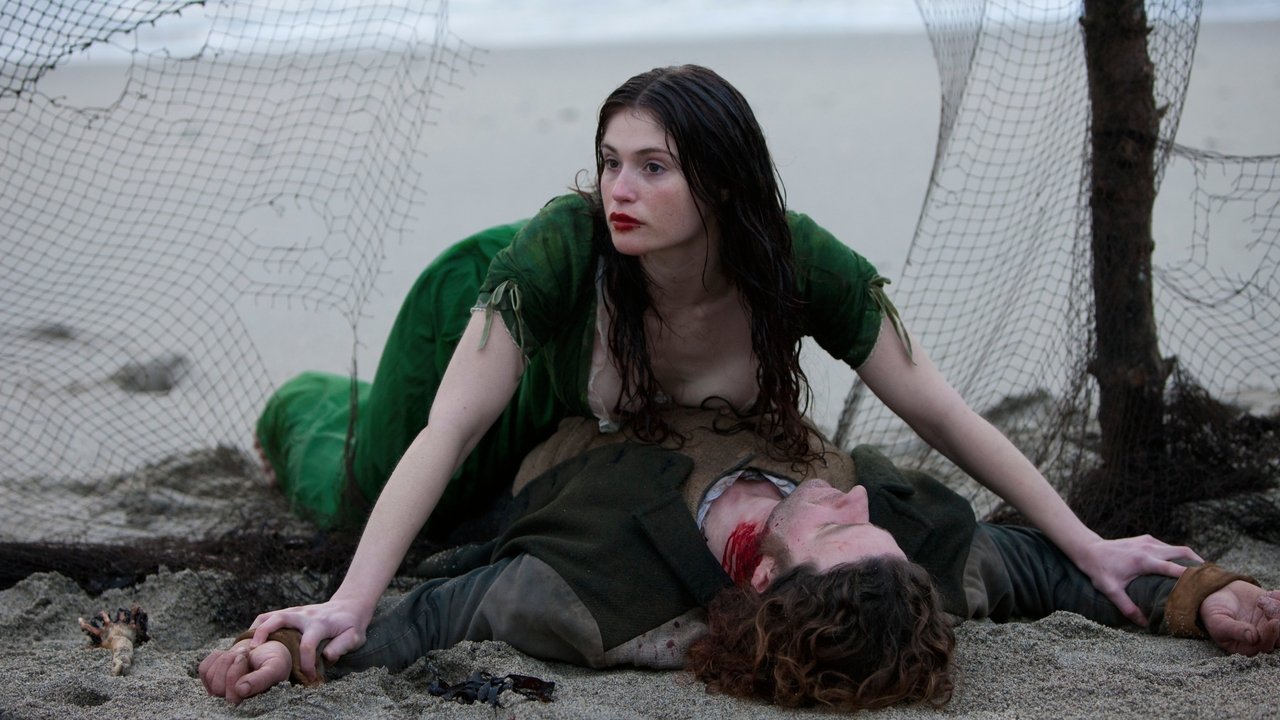
The story centers on two women, Clara (Gemma Arterton) and Eleanor (Saoirse Ronan), who arrive in a crumbling seaside town like a pair of ghosts looking for a place to haunt. They claim to be sisters, but they are actually a mother and daughter who have been on the run for two centuries. They aren’t your typical "creatures of the night" with retractable fangs and a fear of garlic. In fact, Jordan and screenwriter Moira Buffini strip away almost all the Victorian trappings of the vampire myth. There are no fangs here; instead, these "suicides" (as they are called) have a single, elongated thumbnail used to pierce the skin.
Gemma Arterton plays Clara with a ferocious, brassy desperation. She is a protector who has spent two hundred years using her body to provide for her daughter, first as a victim of the predatory Jonny Lee Miller (playing the vile Ruthven) and later as a nomadic madam. On the other end of the spectrum is Saoirse Ronan, who plays Eleanor as a perpetually melancholic teenager trapped in a loop of guilt. She is the "ethical" vampire, only feeding on the elderly who are ready to pass, acting as a sort of supernatural hospice worker.
A Modern Gothic Reassessment
Looking back from the vantage point of a decade later, Byzantium feels remarkably prescient in its focus on female agency and the trauma of patriarchal cycles. The film reveals that the secret to their immortality is a "men-only" club, a mystical island where men go to find power, while women are strictly forbidden from the transformation. Clara’s existence is an act of rebellion—she stole the "secret" and shared it with her daughter, and now they are being hunted by a brotherhood of stiff-collared male vampires (including a brooding Sam Riley) who view their existence as a heresy.
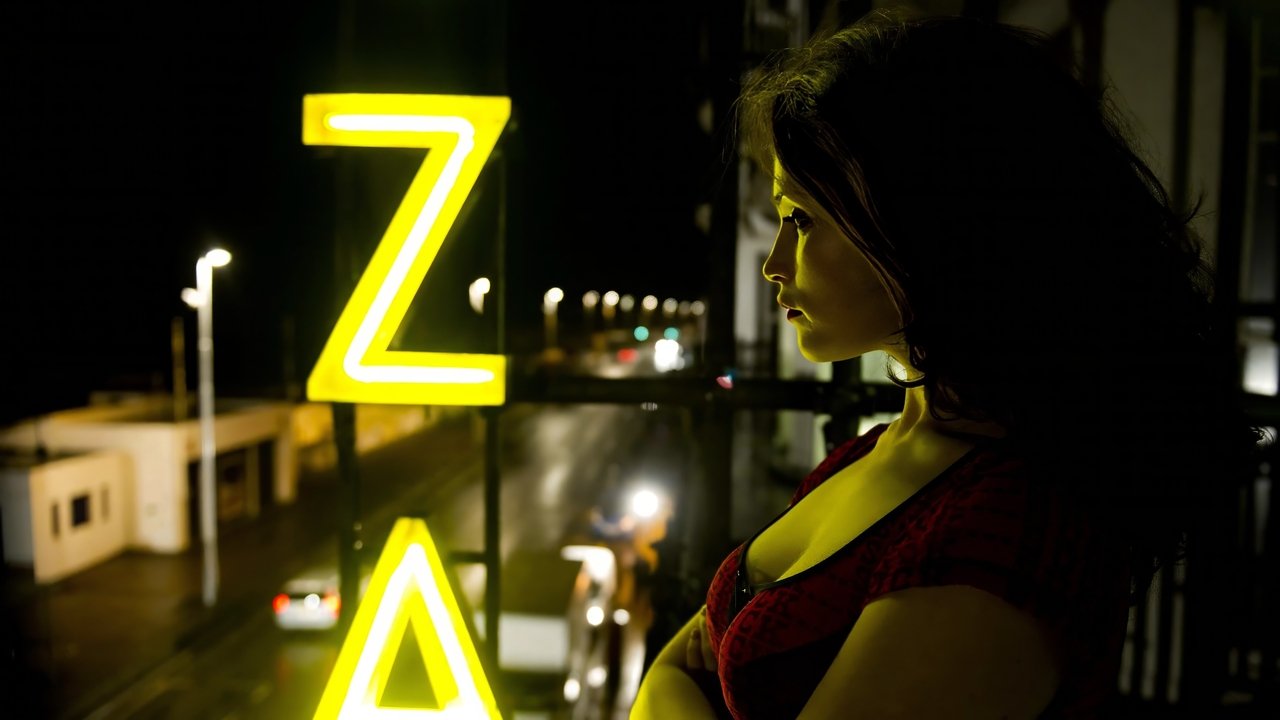
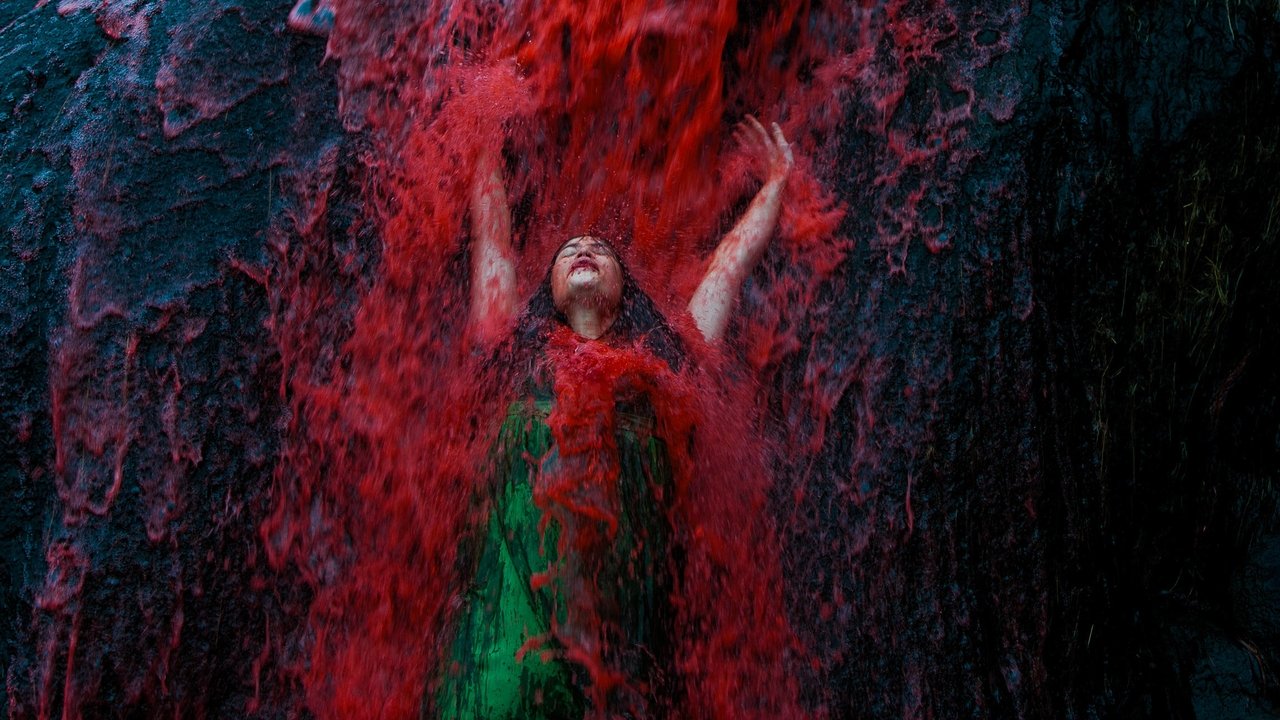
The film excels in its "coastal noir" aesthetic. Cinematographer Sean Bobbitt, who is usually known for the stark realism of 12 Years a Slave, captures the British seaside not as a vacation spot, but as a graveyard of neon signs and peeling wallpaper. The Byzantium itself—the hotel where they take refuge—is a character in its own right, a relic of a bygone era that is literally being held together by Clara’s sheer will. My favorite visual remains the blood-red waterfall in the flashback sequences; it’s an image that feels like it belongs on a heavy metal album cover, yet Jordan handles it with a strange, poetic stillness.
Why Did This Film Vanish?
It is genuinely baffling that a film with this much craft earned less than $100,000 at the box office. Part of the blame lies with the timing. By 2013, the "indie vampire" was a hard sell, and the marketing struggled to position it. Was it a horror movie? Not really. Was it a YA romance? It certainly tried to flirt with that via Caleb Landry Jones, who plays a sickly, charming local boy Eleanor falls for, but the film is far too bleak and grounded for the Hunger Games crowd.
Gemma Arterton is essentially playing a lethal version of Mary Poppins with a much higher body count, yet the film treats her struggle with a crushing sense of reality. The digital cinematography of the era—which can sometimes feel flat—actually works in the film's favor here, emphasizing the gray, damp reality of their "immortal" lives. There is no glamour in this eternity; there is only the rent to pay and the next meal to find.
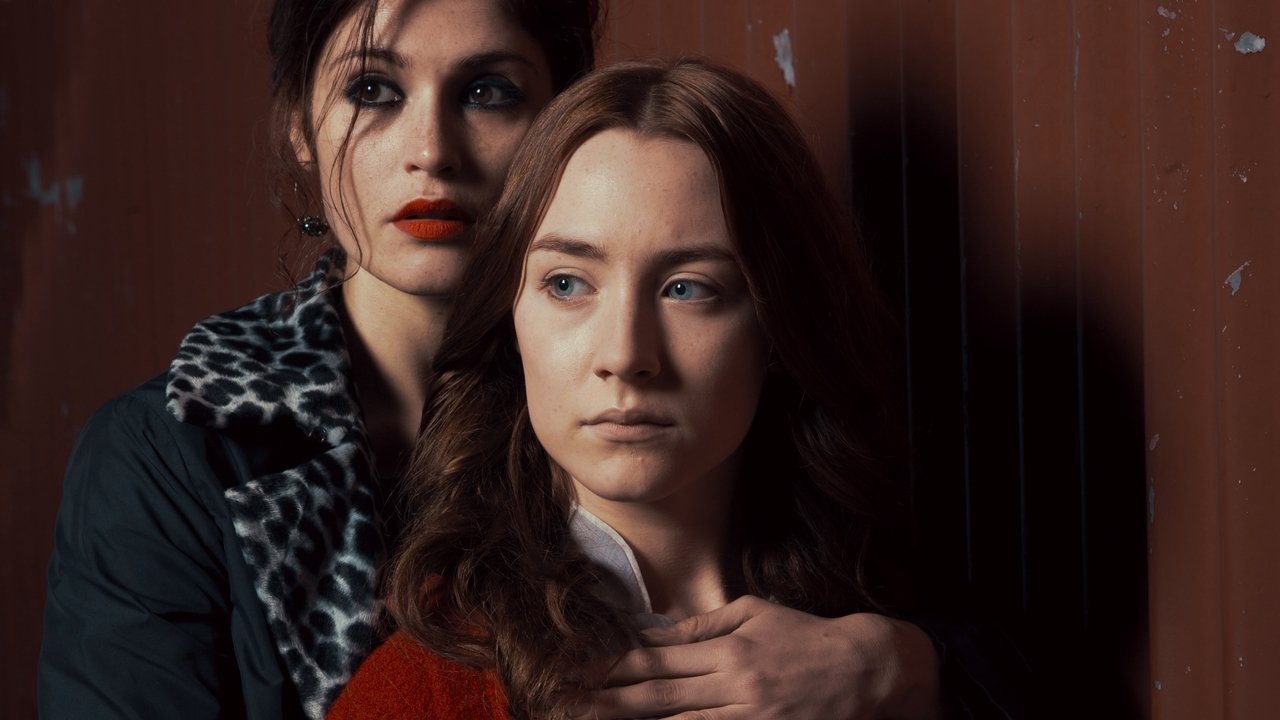
The CGI, used sparingly for the transformation sequences on the island, holds up surprisingly well because Jordan prioritizes practical mood over digital spectacle. He understands that a lingering shot of Saoirse Ronan's expressive, translucent face is worth more than a dozen digital explosions. The film’s failure was a failure of the "middle-budget" industry at the time—a $10 million drama-horror hybrid that didn't fit into a tidy box.
Byzantium is a film that deserves a second life on your watchlist. It’s a somber, beautiful, and occasionally violent meditation on the burdens of the past and the lengths a mother will go to protect her child. While the pacing can occasionally feel as slow as a tide coming in, the performances of Arterton and Ronan provide a powerful emotional anchor. If you’re tired of vampires who sparkle or spend all their time in leather-clad action sequences, this rain-soaked English tragedy is the antidote you didn't know you needed. Seek it out on a foggy evening—and maybe bring some fresh licorice.
Keep Exploring...
-

The Brave One
2007
-

Ginger Snaps
2001
-

The Jacket
2005
-
Inland Empire
2006
-
Dragonfly
2002
-

Red Riding Hood
2011
-
Dorian Gray
2009
-
Horns
2013
-
Blindness
2008
-
Ghost Town
2008
-

Lakeview Terrace
2008
-
Mesrine: Public Enemy #1
2008
-
Passengers
2008
-

Pride and Glory
2008
-
Street Kings
2008
-
Untraceable
2008
-
Cirque du Freak: The Vampire's Assistant
2009
-
Harry Brown
2009
-
The Last House on the Left
2009
-
Thirst
2009