Captain Phillips
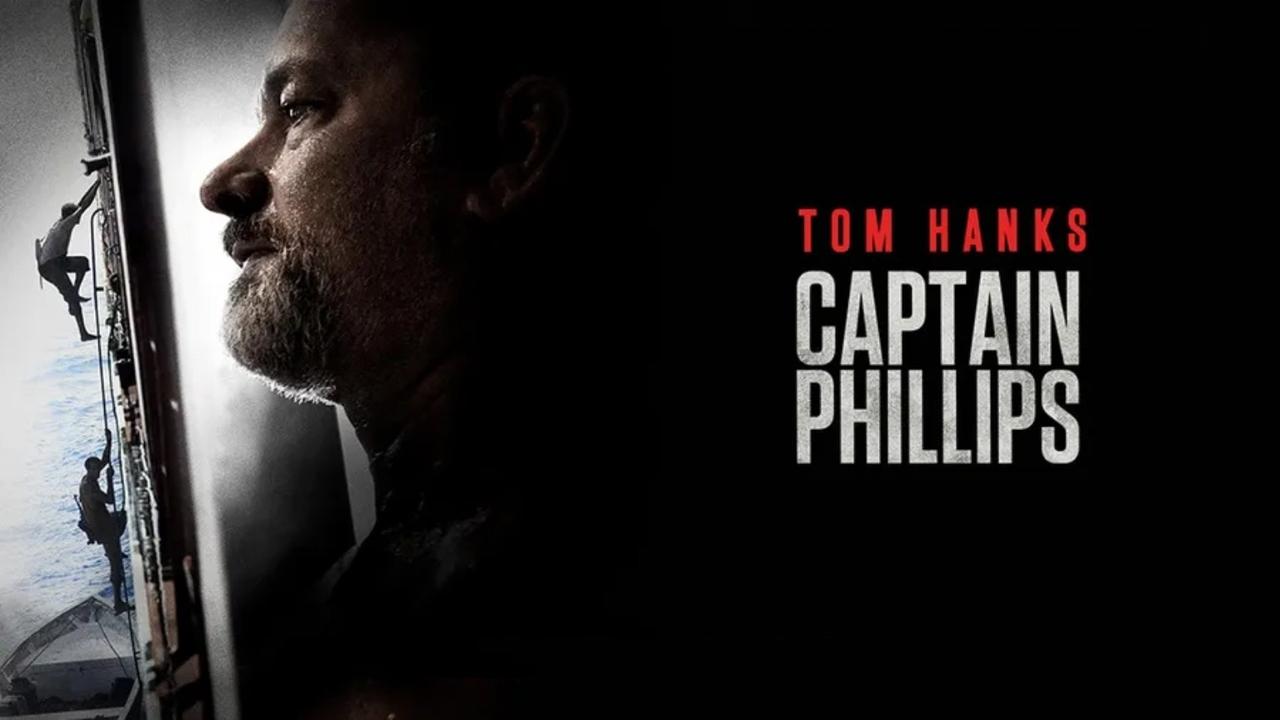
"Two worlds collide on a tiny orange boat."
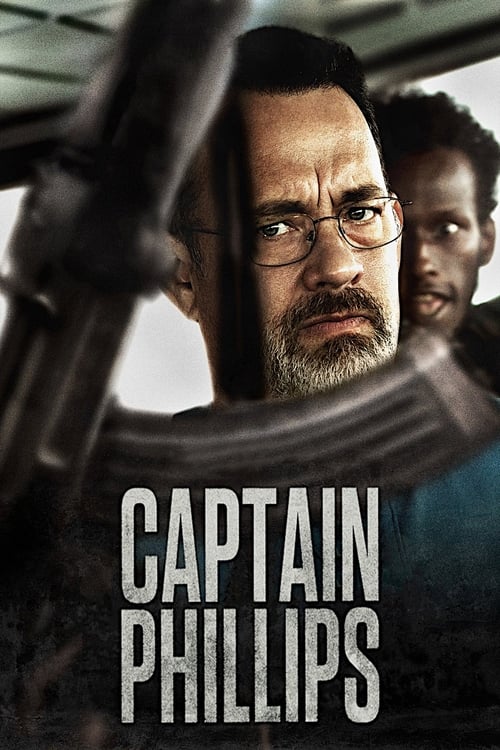
The first time I sat down with Captain Phillips, I was actually hiding from a massive summer thunderstorm that had knocked out my internet. I ended up watching it on a laptop with a pair of cheap headphones, and honestly, the low-fidelity setup probably helped. The film feels like it was shot through a layer of salt spray and diesel exhaust, and having that industrial hum in my ears made the experience feel uncomfortably intimate. It’s a movie that doesn’t just ask for your attention; it hijacks your nervous system.
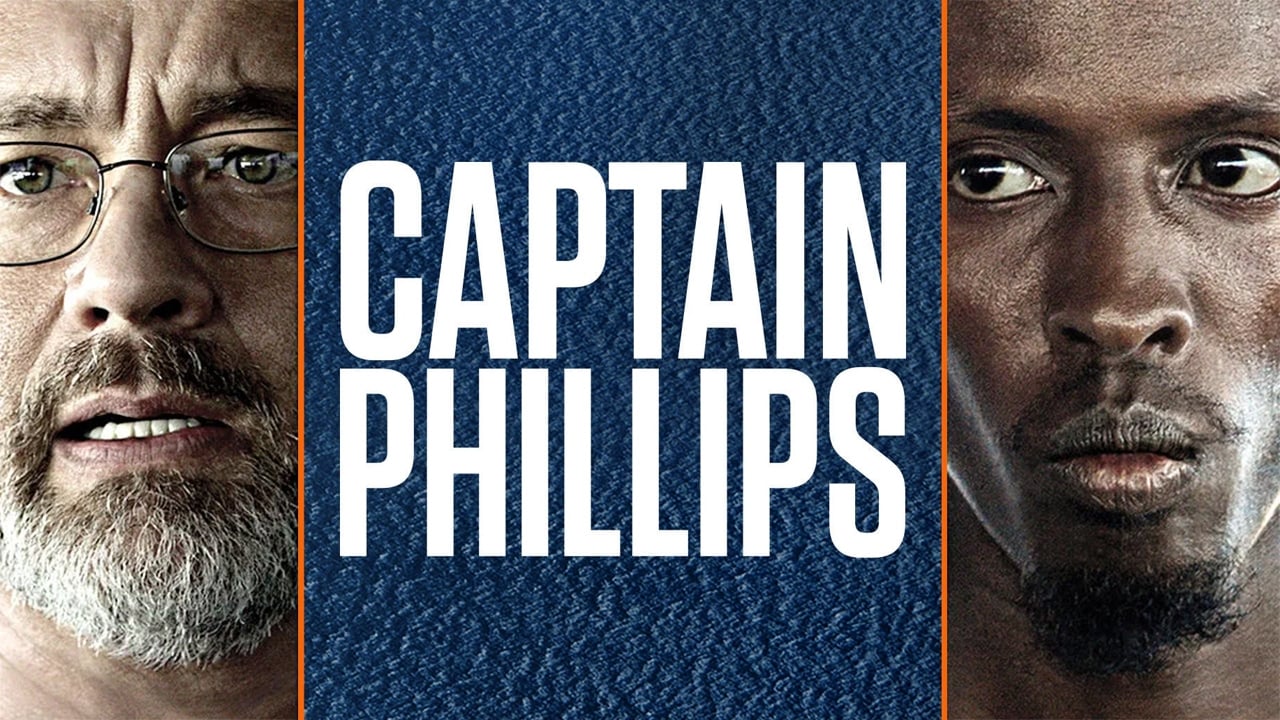
While many know this as "that Tom Hanks pirate movie," looking back a decade later, it’s clear that Paul Greengrass was doing something much more sophisticated than a standard high-seas rescue thriller. Coming off the back of the Bourne sequels (specifically The Bourne Supremacy and The Bourne Ultimatum), Greengrass brought his signature "shaky-cam" docu-realism to a true story, but he traded the super-spy heroics for the crushing weight of corporate procedure and survival.
The Mechanics of Dread
The action in Captain Phillips is fascinating because it’s so physical. There’s very little CGI here; the production actually used a sister ship to the real Maersk Alabama and filmed on the open water. You can feel the heave of the ocean and the sheer, terrifying scale of a cargo ship that is essentially a floating skyscraper. When the skiffs piloted by the Somali pirates first appear on the radar, they look like specs of dust. By the time they’re hooking ladders onto the hull, they feel like an existential threat.
Barry Ackroyd—the cinematographer who also worked with Greengrass on United 93—shoots this like a war zone. The camera is always moving, always searching, which mirrors the frantic energy of the crew. But the real genius is in the pacing. The first hour is a tactical game of cat-and-mouse between Tom Hanks and Barkhad Abdi, but once the film moves into the cramped, sweltering confines of the lifeboat, it transforms into a psychological horror movie. I found myself checking my own pulse during the final thirty minutes because the tension becomes almost unbearable.
A Collision of Desperation
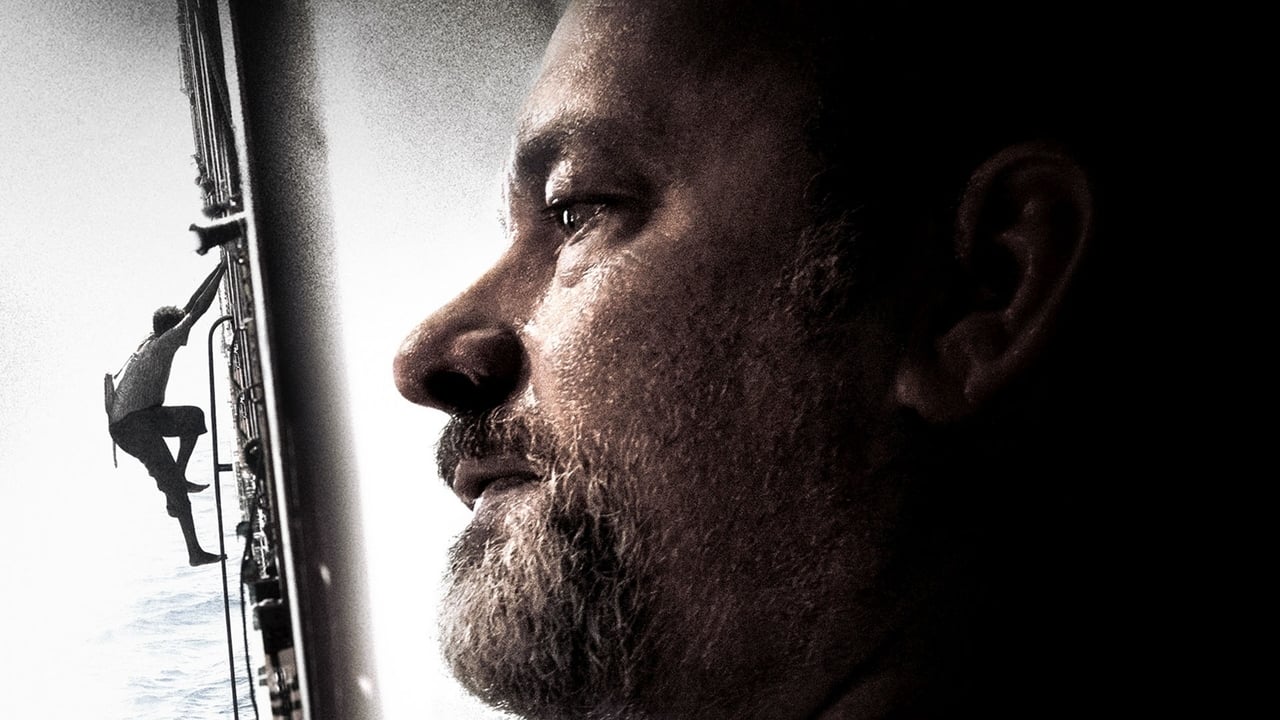
We have to talk about Barkhad Abdi. It’s one of the great "lightning in a bottle" casting stories in modern cinema history. Before this, he was a limo driver in Minneapolis; after this, he was an Oscar nominee. His portrayal of Muse isn't a cartoon villain. He’s thin, wiry, and clearly operating on a mixture of khat and pure desperation. The famous line—"Look at me... I’m the captain now"—was actually ad-libbed by Abdi during his first scene with Hanks, and you can see the genuine flicker of surprise on Hanks's face.
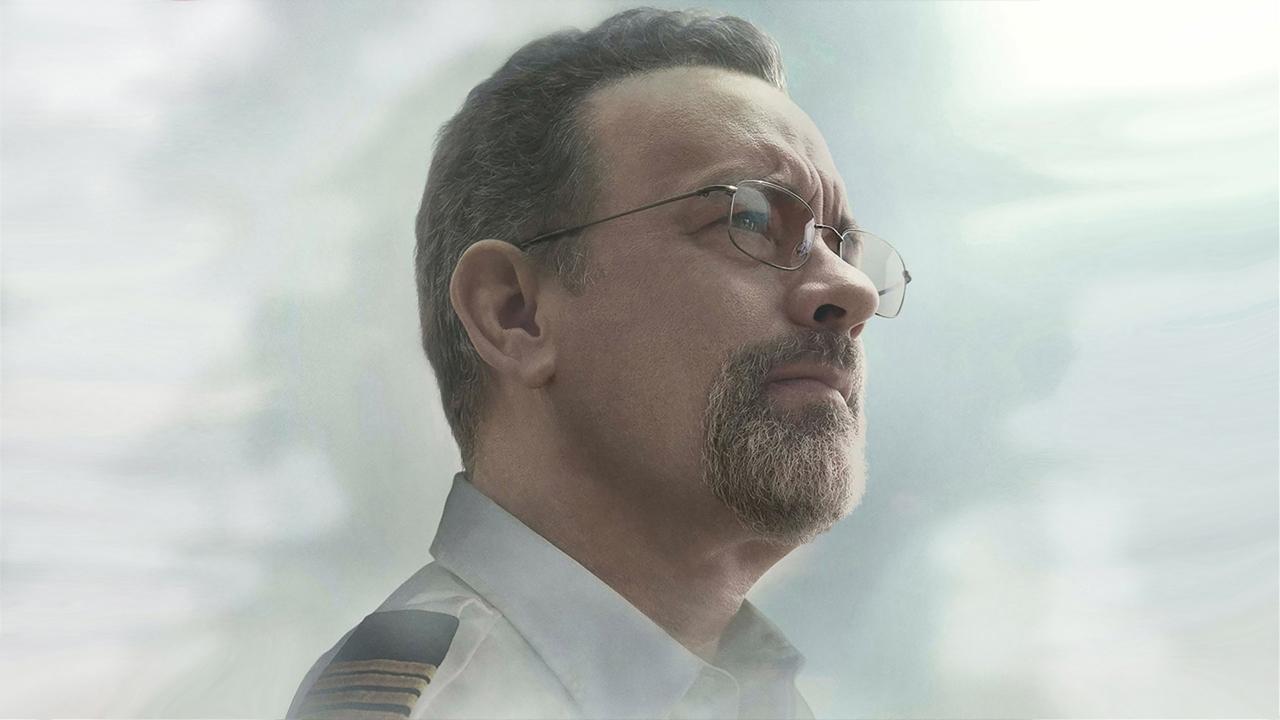
Tom Hanks, meanwhile, delivers a performance that I think is the best of his "elder statesman" era. For most of the film, he’s playing Richard Phillips as a pragmatic, slightly grumpy professional just trying to follow protocol. But the ending—the medical bay scene—is the part that sticks in my craw. Rumor has it that the scene wasn't even in the original script; Greengrass decided to film a real medical assessment of the actual Captain Phillips's shock, and Hanks just went with it. Watching him essentially "break" on screen, losing his words and shaking with post-traumatic adrenaline, is some of the most raw acting I've ever seen. It’s a far cry from his Forrest Gump days; this is a man who has looked into the abyss and realized how small he is.
The Industrial Sledgehammer
Looking back at the film’s $218 million box office haul, it’s interesting to see how it captured the post-9/11 anxiety of the early 2010s. It portrays the US military not just as a group of heroes, but as a massive, impersonal machine. When the Navy SEALs and the destroyers arrive, the scale of the response is staggering. The US Navy's response feels like swatting a fly with a nuclear-armed sledgehammer. It’s effective, yes, but there’s a coldness to it that Billy Ray's screenplay doesn't shy away from.
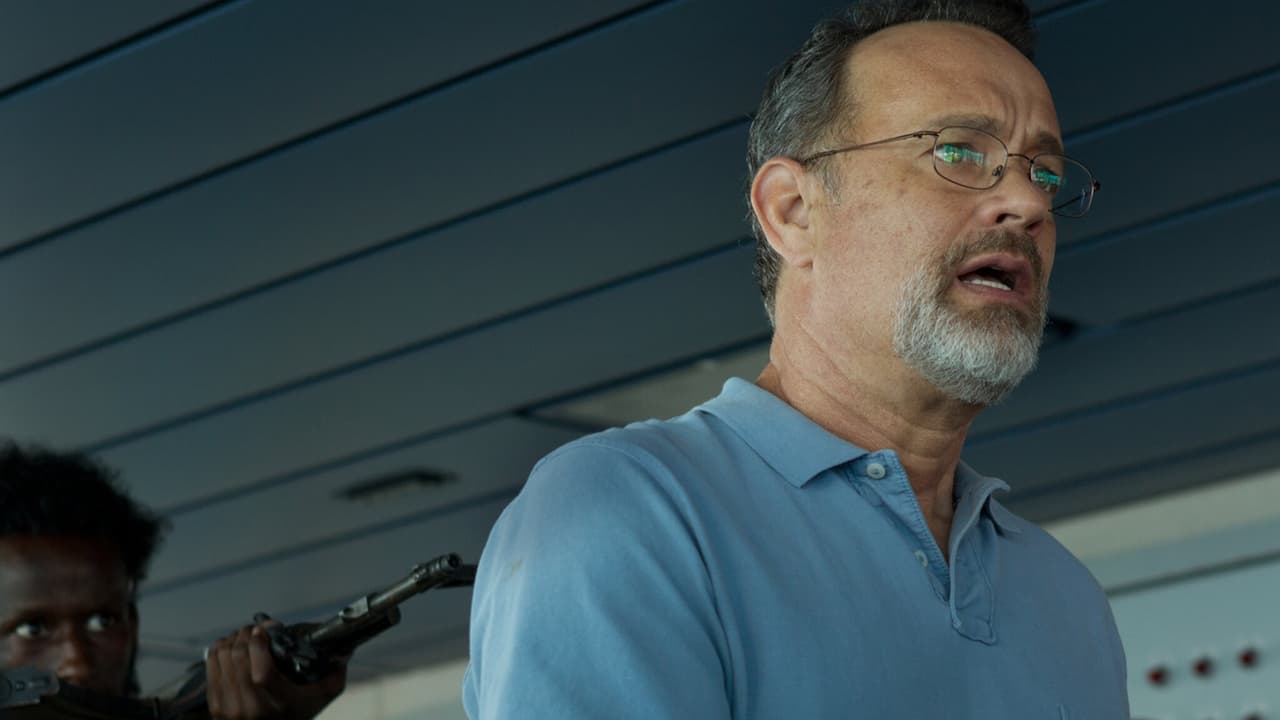
The film cost $55 million to make, and you see every cent of it in the logistical nightmare of the rescue operation. They used real Navy personnel and real ships (the USS Truxtun and USS Halyburton), which adds a level of grit that a digital recreation never could have achieved. It’s a testament to a time when big-budget studio films still valued the "physicality" of a location, even if that location was a tiny, sweat-soaked fiberglass pod in the middle of the Indian Ocean.
The film remains a powerhouse of suspense because it refuses to offer the "easy" version of this story. It doesn't treat the pirates as monsters, nor does it treat the rescue as a simple cause for celebration. Instead, it leaves you with the image of a man shattered by the experience, a reminder that survival often comes with a bill that the soul isn't ready to pay. It is a grueling, expertly crafted piece of cinema that demands to be seen on the biggest screen—and with the loudest speakers—you can find.
Keep Exploring...
-

The Bourne Ultimatum
2007
-

The Bourne Supremacy
2004
-
United 93
2006
-
Rise of the Planet of the Apes
2011
-

The Dark Knight Rises
2012
-

Dawn of the Planet of the Apes
2014
-

The Hunger Games
2012
-

The Bourne Identity
2002
-
The Fugitive
1993
-
The Dark Knight
2008
-
Green Zone
2010
-
Jack Reacher
2012
-
Felon
2008
-
Mesrine: Killer Instinct
2008
-
Mesrine: Public Enemy #1
2008
-
Taken
2008
-

Blood and Bone
2009
-
Cell 211
2009
-

Undisputed III: Redemption
2010
-
Batman: Year One
2011