Carrie
"High school is hell, but she’s the fire."
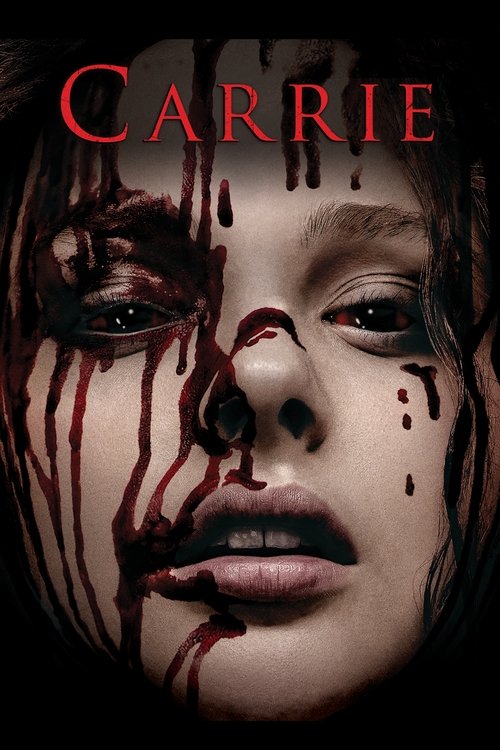
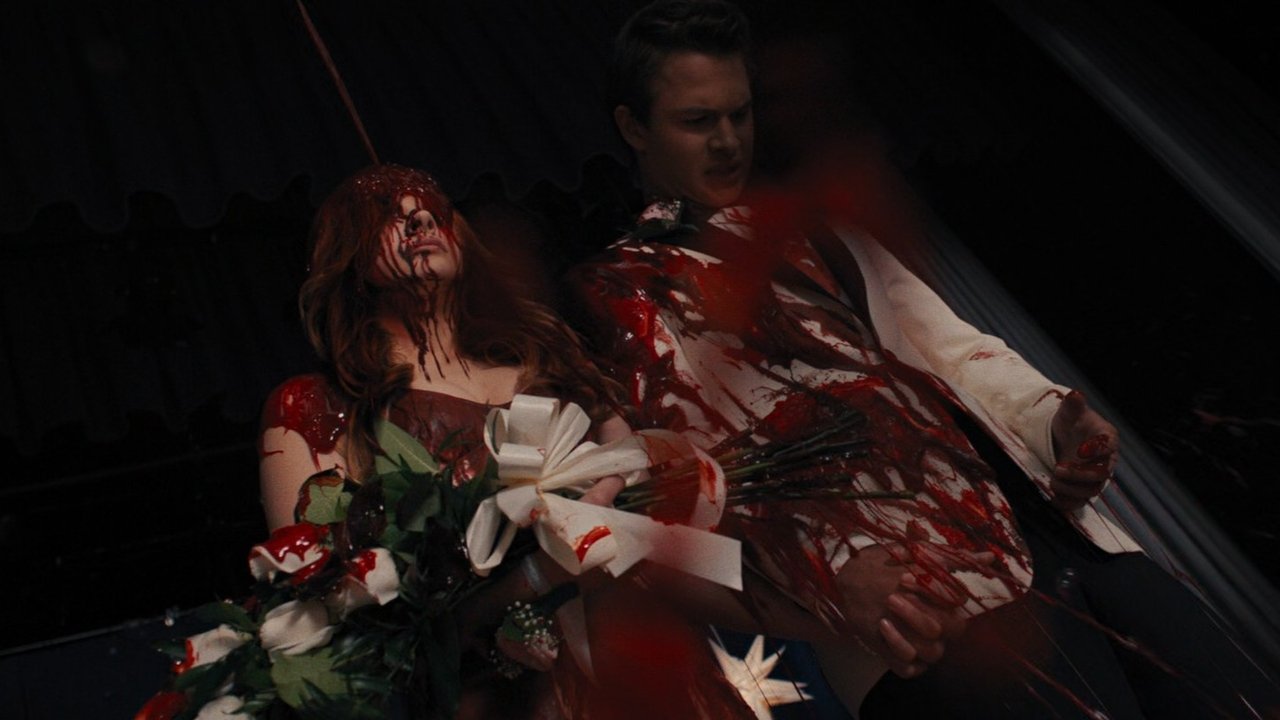
The image of a teenage girl drenched in pig blood is perhaps the most immovable monument in horror history, so remaking Carrie was always going to be an act of cinematic masochism. When Kimberly Peirce—who directed the harrowing Boys Don't Cry—stepped up to the plate in 2013, I was genuinely curious. I watched this on a Tuesday night while trying to fix a leaky kitchen faucet, and the rhythmic drip-drip-drip from under the sink made the opening shower scene ten times more stressful than it probably was for everyone else.
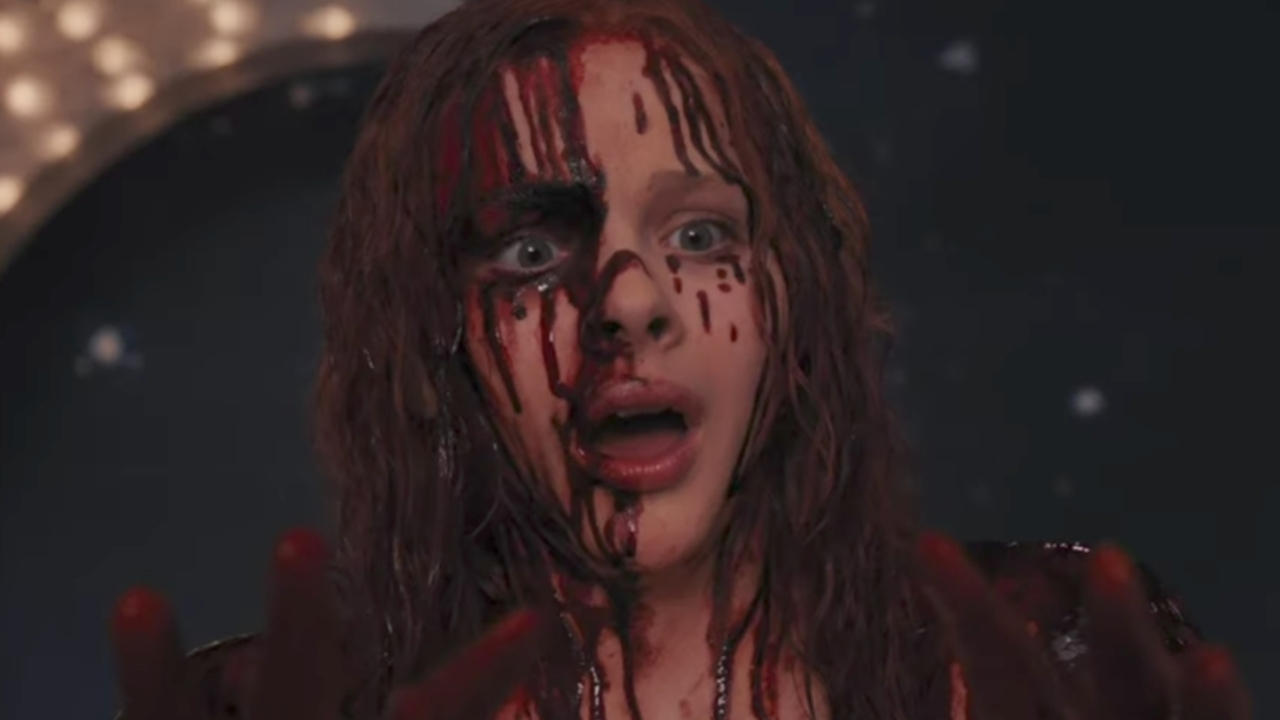
Looking back at this specific slice of 2010s cinema, you can see the exact moment Hollywood was wrestling with how to translate 1970s suburban dread into the age of the smartphone. It’s a film that exists in the shadow of Brian De Palma’s 1976 masterpiece, yet it tries so desperately to be its own thing that it occasionally trips over its own shoelaces.
The Curse of the Pretty Outcast
The first hurdle this version has to clear is the "Moretz Problem." Chloë Grace Moretz is a fantastic actress, but she’s fundamentally different from Sissy Spacek. Where Spacek looked like a fragile alien dropped into a Maine high school, Moretz often looks like a movie star playing "awkward." It’s hard to buy her as the invisible girl when she’s clearly the most charismatic person in the room. However, she brings a certain modern vulnerability to the role that I found surprisingly touching. She’s not just a victim; she’s a girl discovering a muscle she didn’t know she had.
On the other side of the hallway, Julianne Moore as Margaret White is a revelation. I’d argue she’s the only thing standing between this movie and a CW pilot. Moore doesn’t play Margaret as a cartoon villain; she plays her as a woman so terrified of the world that her faith has become a weapon of self-mutilation. Apparently, Julianne Moore took the "suffering for your art" thing literally, often scratching her own skin off-camera to maintain the frayed, self-harming energy of Margaret White. Every time she’s on screen, the temperature of the movie drops twenty degrees.
Digital Blood and the Cyberbullying Upgrade
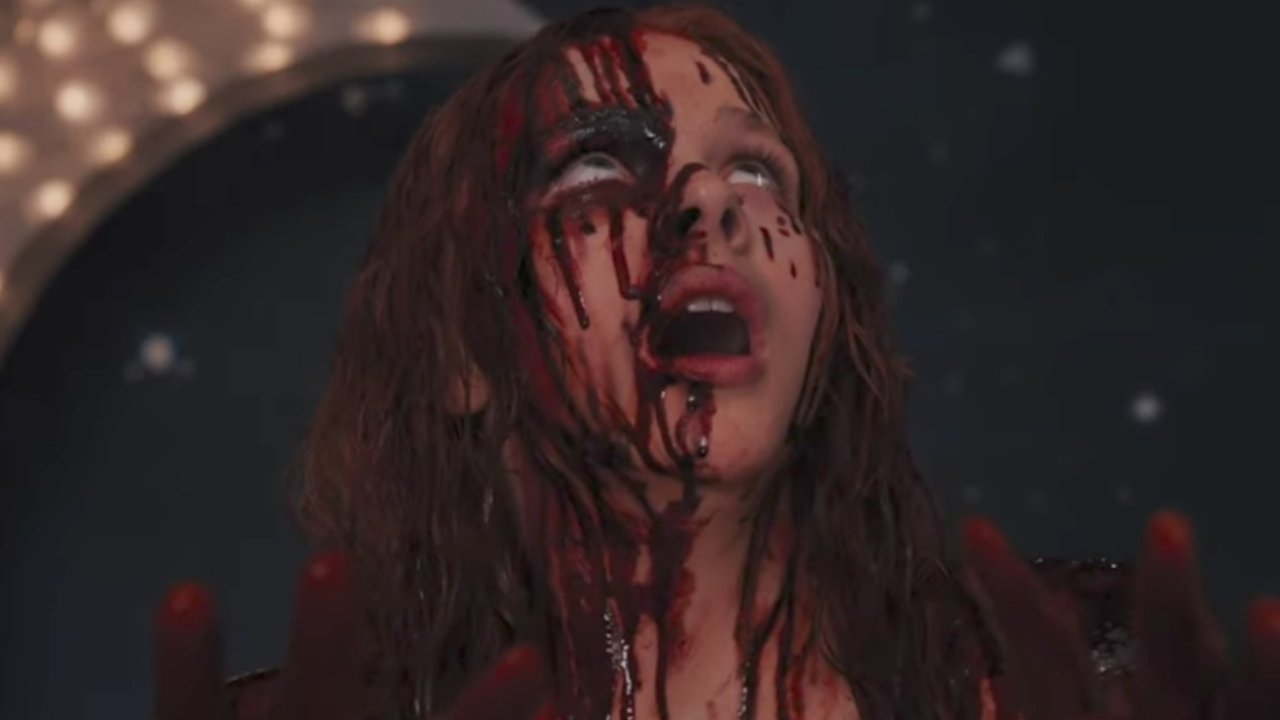
The most significant change in this 2013 iteration is how it handles the bullying. In the original, the shower scene was a traumatic moment shared by those in the room. Here, screenwriter Roberto Aguirre-Sacasa (who would later give us the neon-soaked madness of Riverdale) brings it into the digital age. The girls film Carrie’s humiliation on their phones and upload it. It’s a smart update that reflects the 2013 anxiety about the internet being a permanent record of our worst moments.
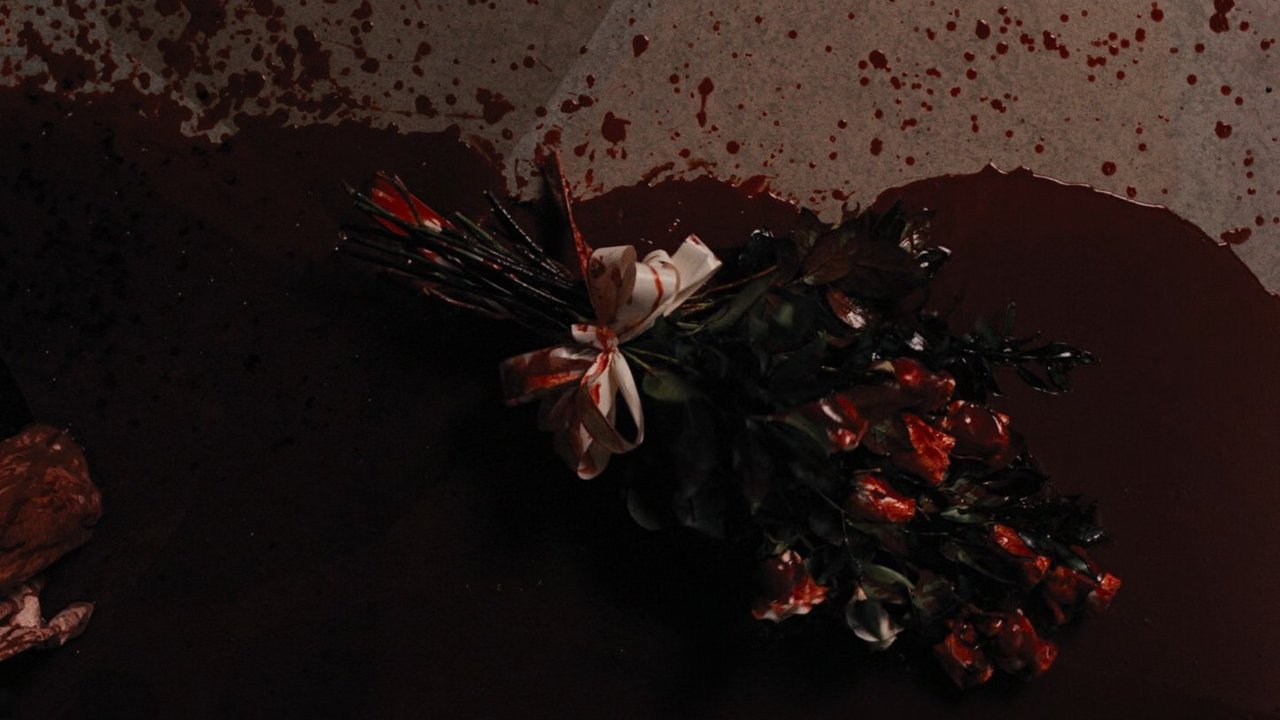
However, the shift from analog to digital isn't always an upgrade. This was the era where CGI started to replace the messy, tactile "red corn syrup" of the past. While the 1976 film relied on buckets of actual pig blood (which smelled horrific under the hot studio lights, by the way), the 2013 version leans heavily on digital effects for the telekinetic carnage. It’s a movie that feels like it was edited by a focus group terrified of being too weird, opting for sleek, polished destruction over the grainy, dreamlike horror of the original. There’s something lost when the blood looks like it was painted on by a computer rather than dumped from a bucket.
Behind the Prom Doors
Despite the heavy lifting of its stars, the film had a bit of a rocky road to the screen. I discovered that Kimberly Peirce actually did her homework, spending months researching actual poltergeist "case studies" to try and ground the telekinesis in some semblance of physics. She wanted the way Carrie moved objects to look like "weight shifting" rather than magic. You can see this in the scene where Carrie practices in her room; there’s a deliberate, heavy quality to the floating books that I actually prefer over the more whimsical effects of other supernatural films.
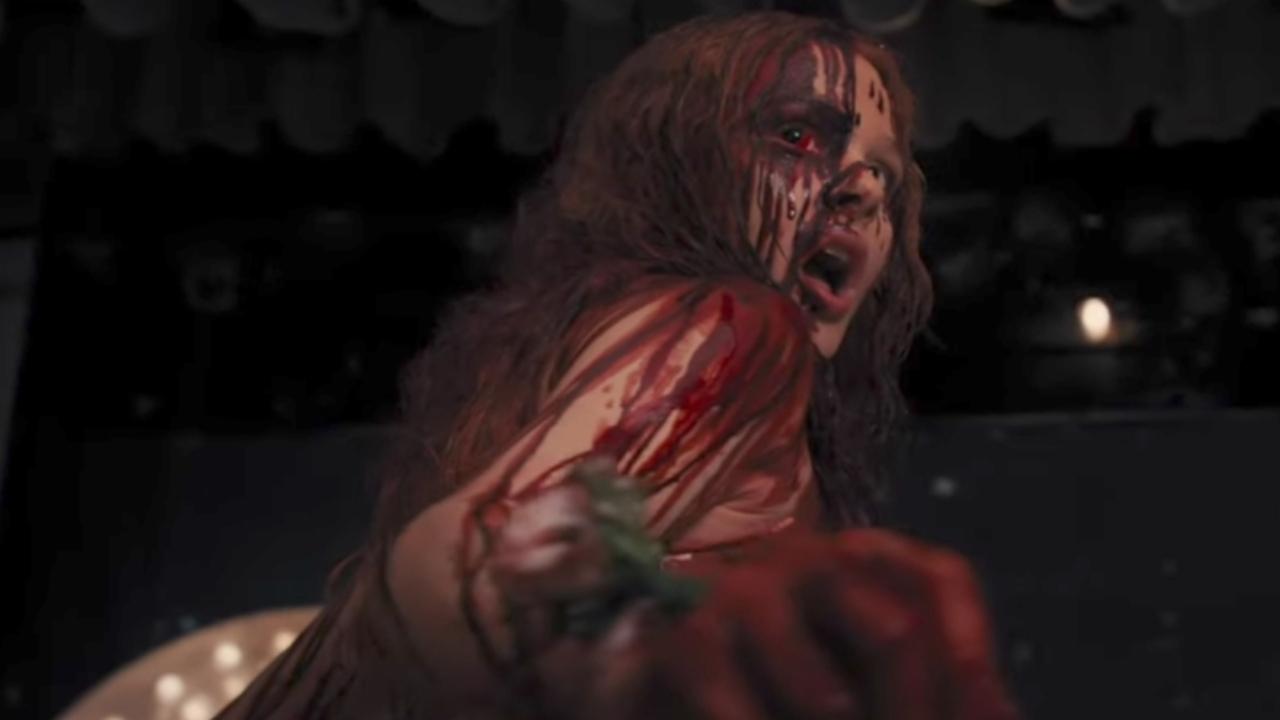
The production was also notoriously plagued by test screenings. The studio was so worried about the ending that they filmed multiple versions. One of the discarded endings reportedly involved a much more graphic, "hand-from-the-grave" jump scare that felt like a direct rip-off of the original. I’m glad they dialed it back, but you can feel that tension throughout the film—a constant tug-of-war between a director wanting to make a character study and a studio wanting a franchise-friendly jump-scare machine.
There’s also a fun bit of trivia regarding the cast: a pre-superstardom Ansel Elgort shows up as the "nice guy" Tommy Ross. He’s charming enough, but looking back, it’s funny to see him in such a standard "doomed jock" role before Baby Driver made him a household name. And for the eagle-eyed fans, Sissy Spacek was actually offered a cameo role, but she politely declined, later saying she felt the original stood on its own. It was probably the right call, though I would have loved to see her as a teacher or perhaps a different, equally terrifying mother.
Ultimately, Carrie (2013) is a fascinating artifact of its time. It’s caught between the prestige horror of the early 2010s and the lingering "remake-everything" mentality of the 2000s. While it never reaches the operatic heights of De Palma’s version, it succeeds as a showcase for Julianne Moore and a reminder that high school is, was, and always will be a literal nightmare. It’s a solid Friday night watch, even if it doesn't leave the same permanent stain on your psyche as its predecessor.
Keep Exploring...
-

Let Me In
2010
-
The Rite
2011
-
Stoker
2013
-
Antichrist
2009
-

Red Riding Hood
2011
-
The Skeleton Key
2005
-
The Eye
2008
-
Untraceable
2008
-
The Last House on the Left
2009
-
After.Life
2009
-
Carriers
2009
-
The Woman in Black
2012
-
Funny Games
2008
-

Never Back Down
2008
-
Revolutionary Road
2008
-

The Other Boleyn Girl
2008
-
The Strangers
2008
-

Vicky Cristina Barcelona
2008
-

Adventureland
2009
-
Drag Me to Hell
2009