Curse of Chucky
"The family that slays together, stays together."
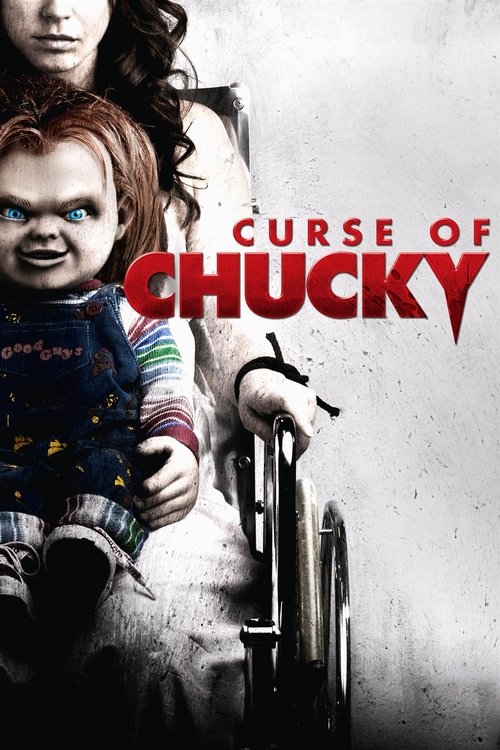
In 2013, the "Direct-to-Video" label was basically a tombstone. If a franchise shifted from the big screen to the DVD bargain bin, it usually meant the budget had dried up, the stars had bailed, and the soul of the series had been replaced by a cheap knockoff. So, when I first sat down to watch Curse of Chucky on my aging laptop—interrupted periodically by the sound of my roommate vibrating the entire apartment with a high-powered blender full of kale—my expectations were lower than a doll’s kneecaps.
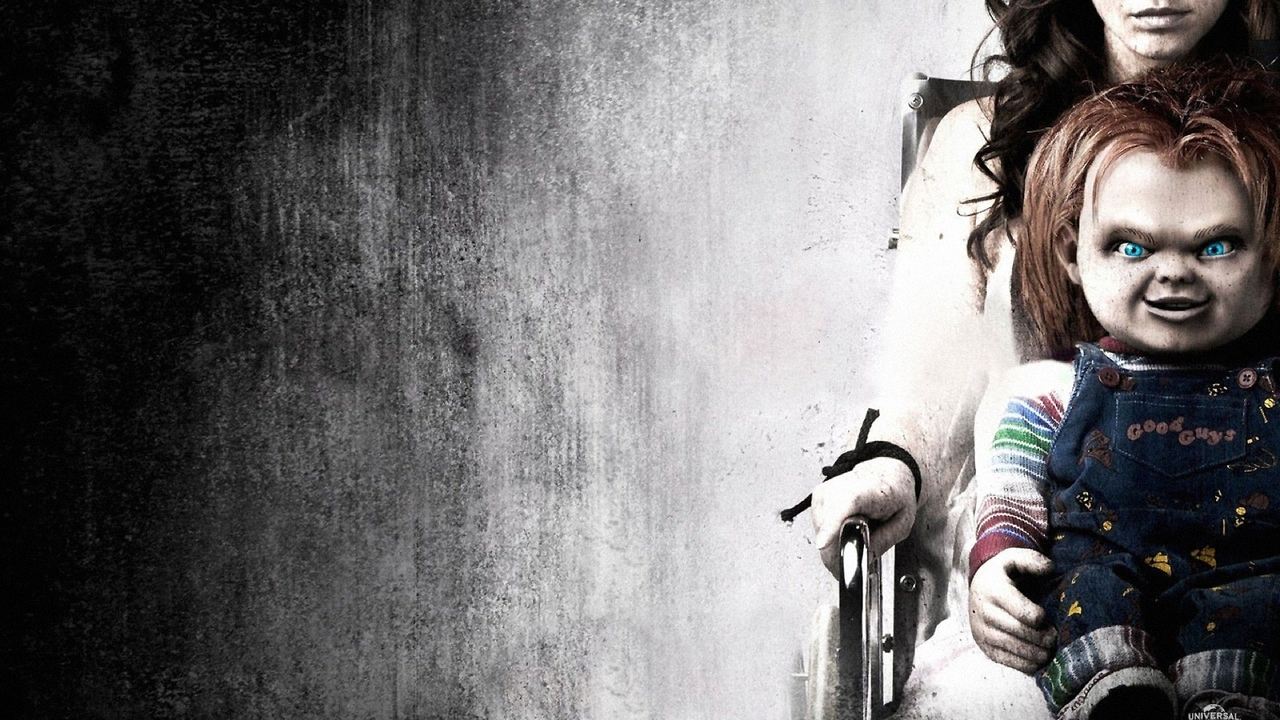
I figured Don Mancini, the architect of the entire Child’s Play universe, was just taking one last victory lap for a paycheck. I couldn't have been more wrong. Looking back at this specific window of modern cinema—the tail end of the physical media era before streaming completely swallowed the industry—Curse of Chucky stands out as a rare moment where a "downgraded" release actually saved a franchise’s life.
A Gothic Reset for a Plastic Icon
By 2013, Chucky had become something of a punchline. Between the meta-camp of Bride of Chucky and the full-blown absurdist comedy of Seed of Chucky, the "Lakeshore Strangler" had lost his edge. He was more of a stand-up comedian than a slasher. Don Mancini clearly felt the same way because Curse is a hard pivot back to the shadows.
The film dumps the neon lights and road-trip antics for a single, rain-soaked gothic mansion. We follow Nica Pierce, played by Fiona Dourif, a young woman using a wheelchair who is grieving the sudden, mysterious death of her mother. When a strange package containing a familiar red-haired doll arrives, the stage is set for a claustrophobic house-of-horrors thriller.
What I find so fascinating about this era of filmmaking is how directors began to use limited budgets as a stylistic choice rather than a handicap. Because Mancini couldn't afford massive set pieces, he focused on tension, spatial storytelling, and long, creepy hallway shots that feel more like The Innocents than a slasher sequel. It’s the best sequel in the franchise because it stops trying to be a comedy and starts trying to be a nightmare again.
The Dourif Dynasty
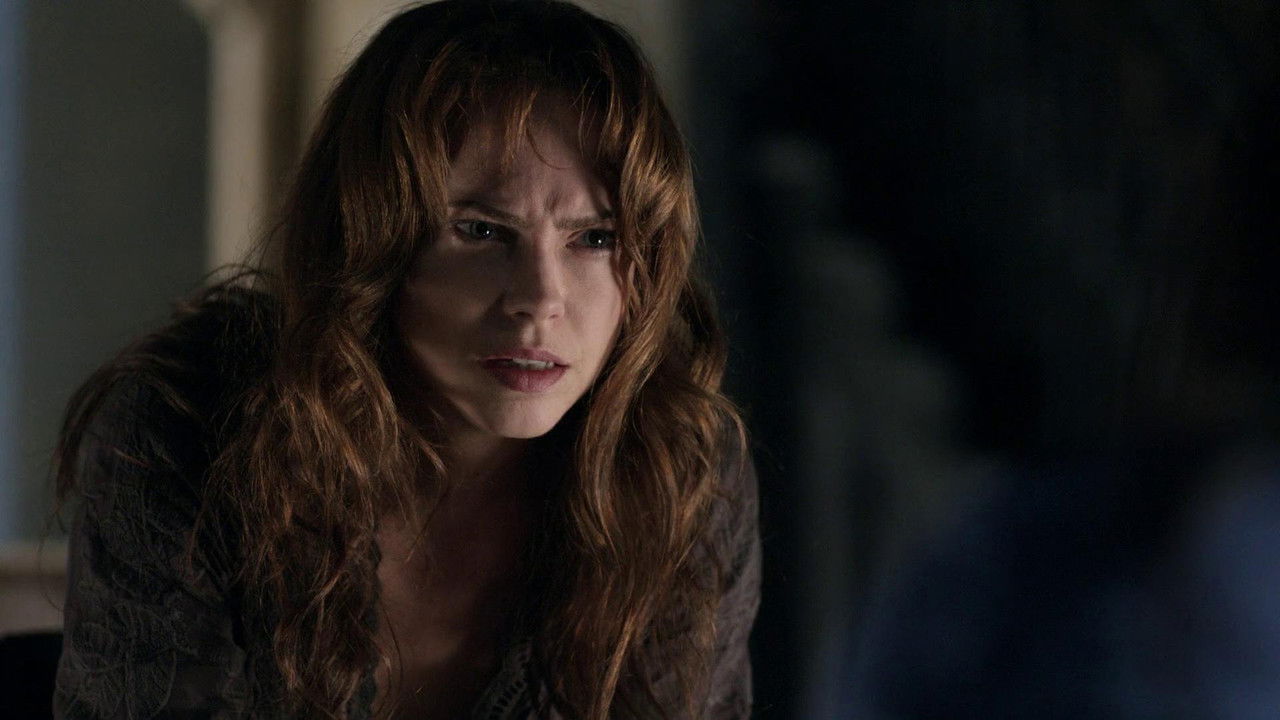
The real secret weapon here is the casting. We all know Brad Dourif as the iconic voice of Chucky, but bringing his daughter, Fiona Dourif, into the fold was a stroke of genius. She doesn’t just feel like a "final girl" archetype; she brings a grounded, weary intelligence to Nica that makes the character immediately sympathetic.
The chemistry between them—even though one is a puppet and the other is an actress in a wheelchair—is palpable. Watching Fiona go toe-to-toe with the character her father made famous creates a bizarre, meta-textual layer of "family business" that adds weight to the kills. Danielle Bisutti also puts in a great performance as Nica's overbearing sister, Barb, providing the perfect amount of "someone please kill this person" energy that every good slasher needs.
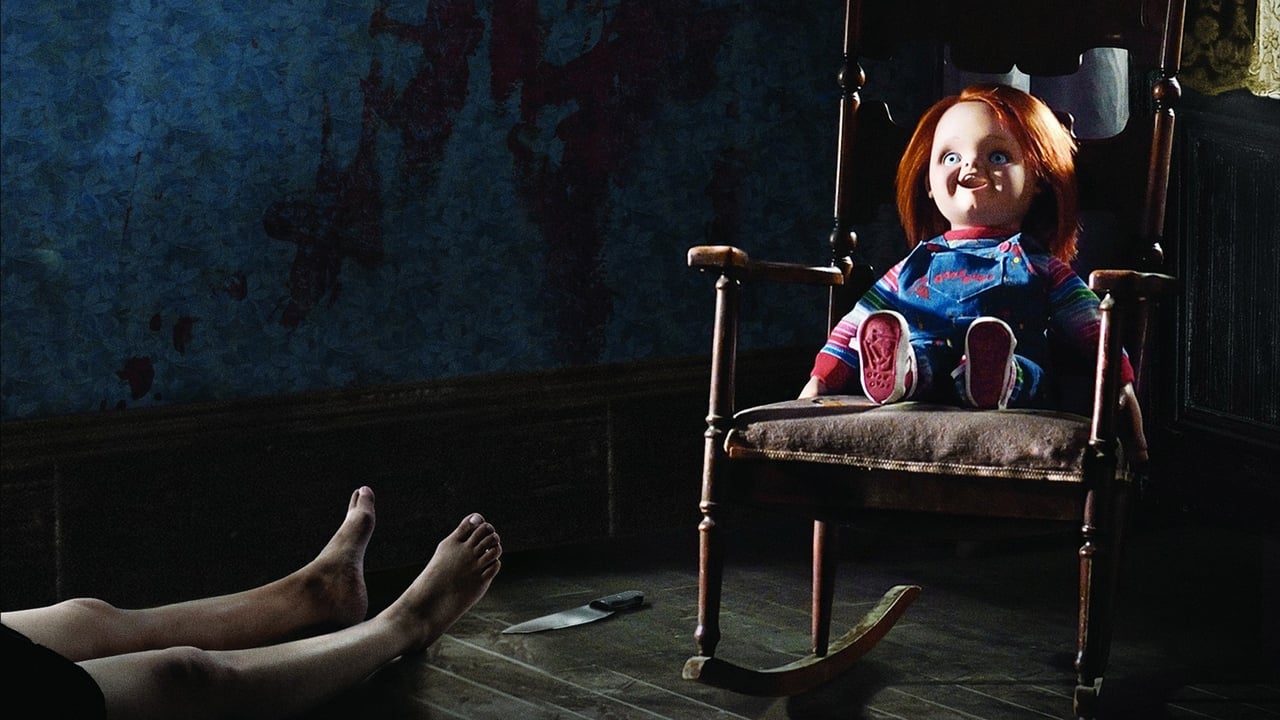
Interestingly, the film was released exactly 25 years after the original Child's Play. Looking back at it now, it feels like a bridge between the practical-effect heavy 80s and the digital crispness of the 2010s. The doll himself looks slightly different here—his face is smoother, almost "prettier" in a way that makes the inevitable reveal of his scars much more impactful.
Practical Magic and Direct-to-Video Ingenuity
While the 2010s were drowning in subpar CGI jump scares, Curse of Chucky doubled down on animatronics. There’s a weight to the doll's movements that digital effects just can't replicate. When Chucky slowly turns his head or gives a subtle smirk, you feel the mechanical gears turning, which somehow makes him feel more alive.
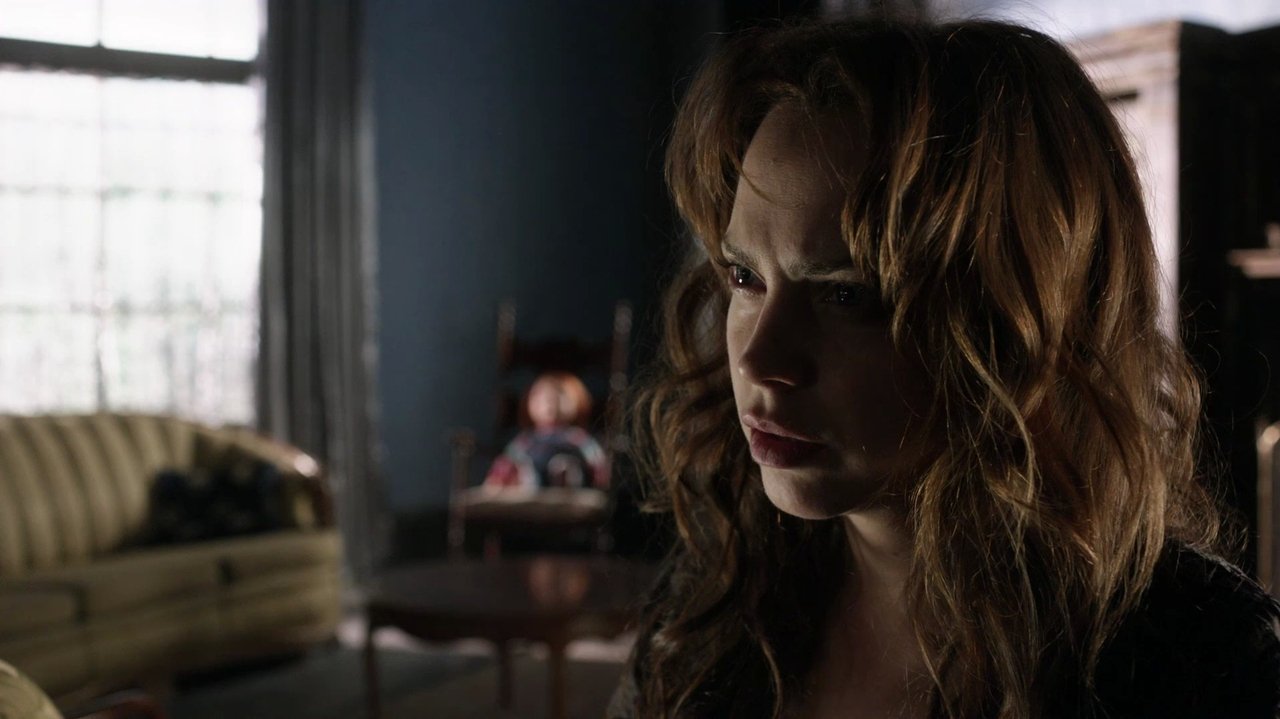
The trivia surrounding the production is a classic "low budget, high passion" story. Because the budget was a mere $5 million, the crew had to find creative ways to make the house feel expansive. Most of the movie was shot on a single soundstage in Winnipeg, and the "rain" was mostly just the crew with hoses, but the cinematography by Michael Marshall hides the seams beautifully.
The film also serves as a love letter to the fans who stuck around through the DVD era. If you watch the post-credits scene (which was a big trend in 2013 thanks to the burgeoning MCU), there’s a massive payoff involving Alex Vincent, the original Andy Barclay. It’s a moment that rewarded loyalty in a way most horror franchises don't bother with. It turned what could have been a disposable sequel into a vital piece of a larger puzzle.
Curse of Chucky is a masterclass in how to reinvent a character without losing what made them special in the first place. It’s dark, surprisingly mean-spirited, and anchored by a fantastic lead performance that proves the Dourif acting genes are potent. While it lacks the big-budget polish of the theatrical entries, its atmosphere and commitment to the "scary doll" premise make it a standout of the early 2010s horror landscape. If you've written off the later Child's Play sequels, I'm telling you: give this one a shot on a rainy night. Just make sure no one is using a blender in the next room.

Keep Exploring...
-
Cult of Chucky
2017
-

Seed of Chucky
2004
-
Child's Play 2
1990
-
Child's Play 3
1991
-

Bride of Chucky
1998
-
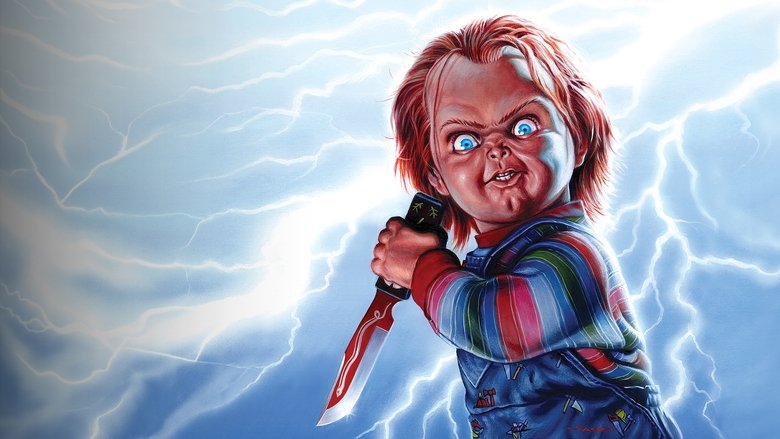
Child's Play
1988
-
Quarantine
2008
-
Untraceable
2008
-
The Descent: Part 2
2009
-
The Haunting in Connecticut
2009
-
The Last House on the Left
2009
-
The Stepfather
2009
-
The Ward
2010
-
House at the End of the Street
2012
-
Maniac
2012
-
13 Sins
2014
-
Carriers
2009
-
Don't Be Afraid of the Dark
2010
-
The Collection
2012
-
The Possession
2012