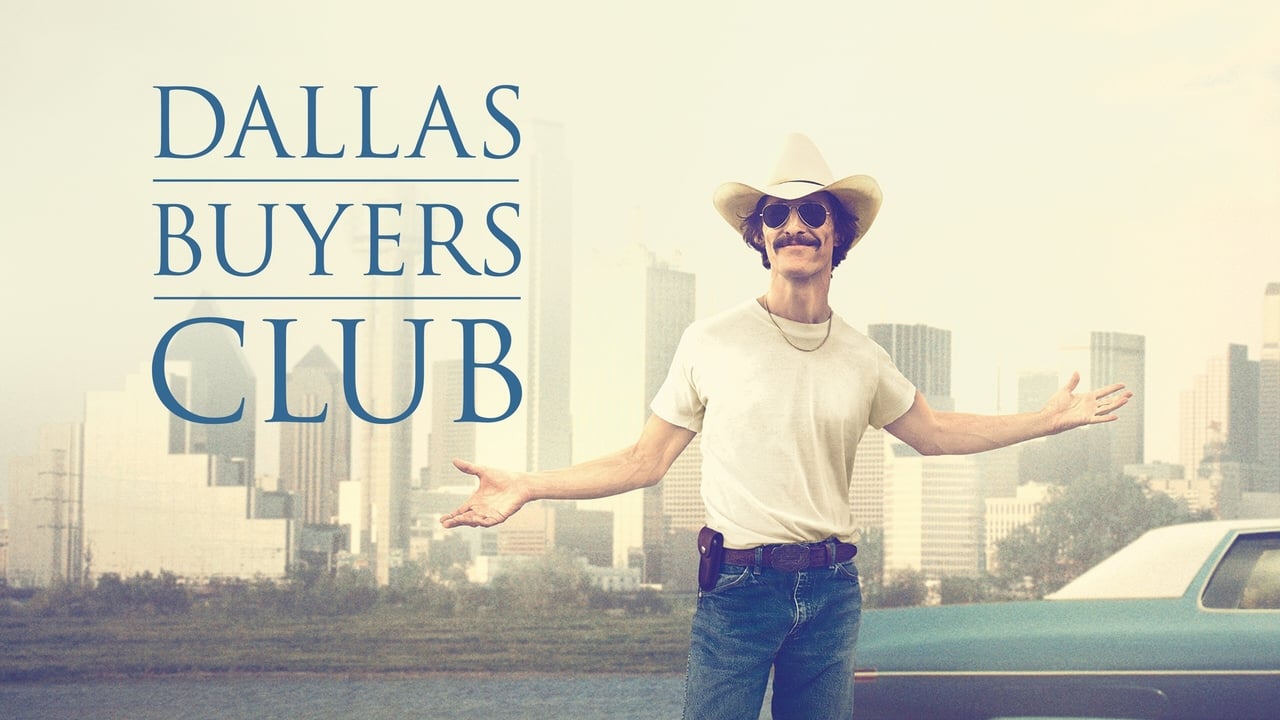
Dallas Buyers Club
"Outlive the law, one dose at a time."
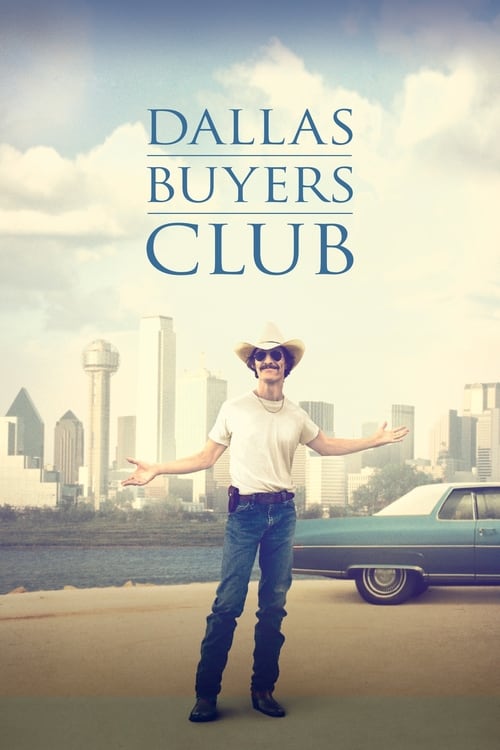
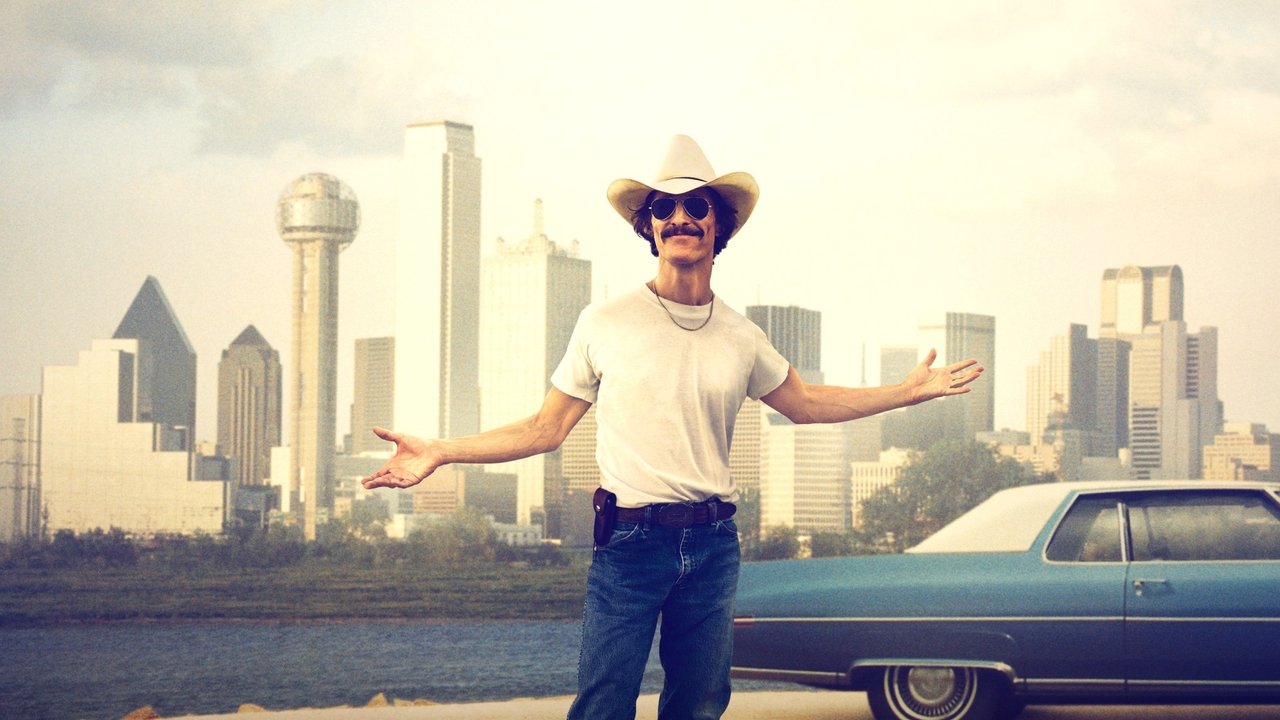
The first time I saw the production stills of Matthew McConaughey for Dallas Buyers Club, I didn't think I was looking at a movie star; I thought I was looking at a ghost. He had shed 47 pounds, turning his normally tanned, athletic frame into a skeletal, vibrating nerve-ending of a man. I actually watched this film for the first time on a DVD borrowed from a neighbor who never asked for it back, sitting in a room where the air conditioner was broken and rattling like a tractor. Honestly, the sweltering heat and the slightly scratched disc only added to the grit.
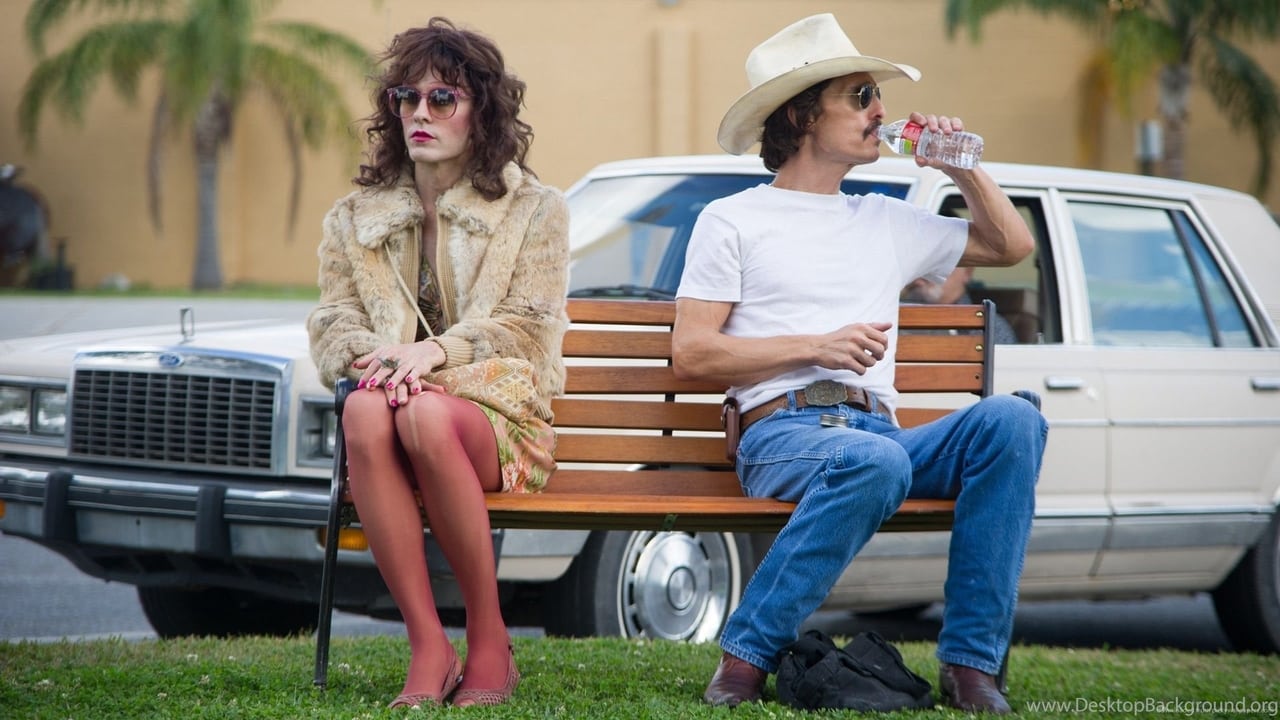
Released in 2013, right at the tail end of what we now call the "McConaissance," this film feels like the peak of that era's indie-prestige movement. It’s a 1980s period piece shot with the frantic, digital immediacy of the 21st century. Director Jean-Marc Vallée (who later gave us Big Little Lies) brought a handheld, naturalistic energy that makes the 117-minute runtime feel like a countdown clock. It isn't just a "medical drama"—it’s a heist movie where the prize is an extra month of life.
The Cowboy and the Clock
At its heart, the film follows Ron Woodroof, a character who is—to put it mildly—a total prick. He’s a homophobic, drug-using, rodeo-loving electrician who finds out he has HIV/AIDS and is given thirty days to live. The brilliance of the screenplay by Craig Borten and Melisa Wallack is that Ron doesn't suddenly become a saint because he’s sick. He remains a hustler; he just shifts his hustle from gambling on bulls to smuggling unapproved pharmaceuticals across the Mexican border.
There’s a profound philosophical question humming under the surface here: Who owns your body? When the FDA and the medical establishment, represented by a cold Denis O'Hare as Dr. Sevard, tell Ron he has to wait for clinical trials of AZT (which, at the time, was being administered in toxic doses), Ron decides the law is an obstacle to his existence. It’s a fascinating look at the intersection of capitalism and survival. Watching a bigoted Texan realize that his only allies are the people he used to spit on is a character arc that feels earned, not forced.
The $250 Transformation
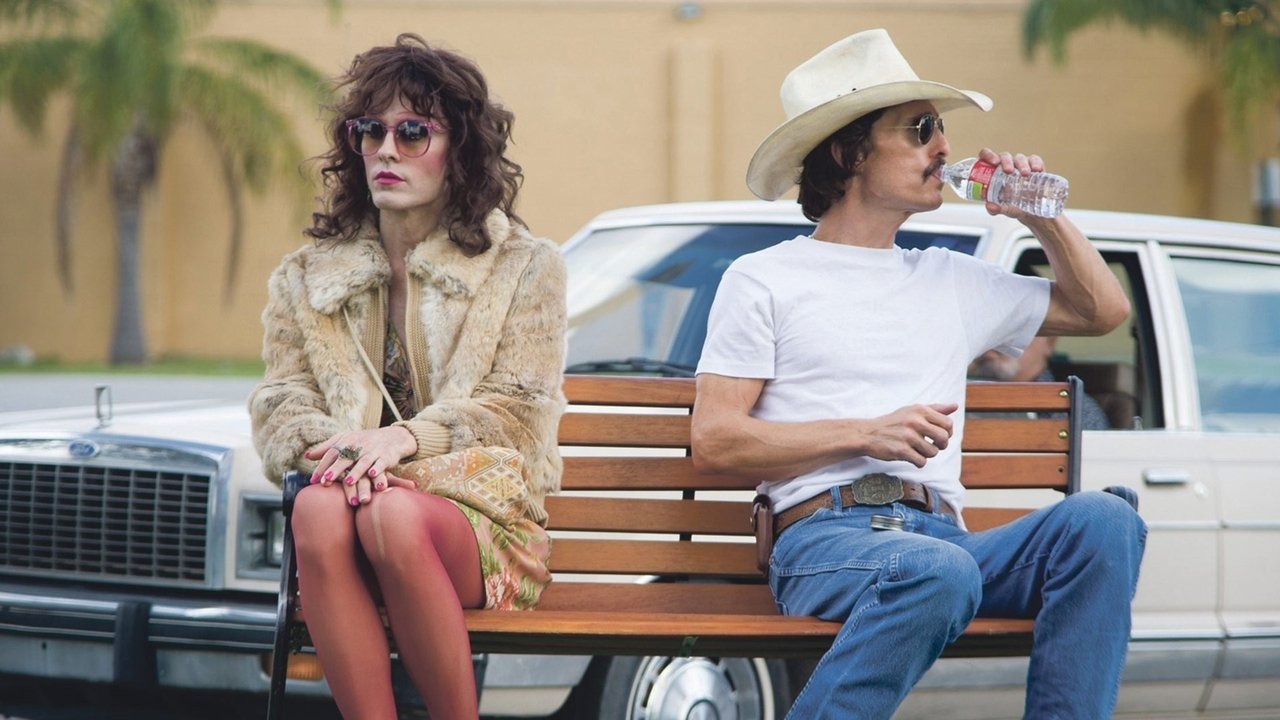
If you want to talk about "Prestige Cinema," you have to talk about the craft. This film famously had a budget of only $5 million—peanuts for a period piece—and was shot in just 25 days. The production was so strapped for cash that the makeup budget was a literal $250. Robin Mathews, the lead makeup artist, had to use cornmeal and grits to create the skin lesions on the actors because they couldn't afford expensive prosthetics. She ended up winning an Oscar for it, proving that sometimes limitations are the best thing that can happen to an artist.
Then there’s Jared Leto as Rayon. While McConaughey is the engine, Leto is the soul. He spent the entire shoot in character, even going to the grocery store as Rayon to test people's reactions. Looking back, Leto’s performance is a masterclass in empathy, even if his casting as a trans woman would likely spark a much more complicated conversation in today’s cultural climate. He provides the necessary friction to Ron’s abrasive personality, and their chemistry is what prevents the movie from becoming a dry lecture on healthcare reform. Jennifer Garner provides a steady, albeit slightly underwritten, anchor as Dr. Eve Saks, the bridge between the rigid hospital walls and Ron’s rebellious "Buyers Club."
Stuff You Didn't Notice
The film’s "prestige" status wasn't just marketing hype; it was a juggernaut. It earned six Oscar nominations and was the first film since Mystic River (2003) to win both Best Actor and Best Supporting Actor. But the real magic is in the technical audacity. Jean-Marc Vallée decided to shoot the entire film without any artificial movie lights. He used only the sun or the existing lamps in the rooms, which meant the actors could move anywhere they wanted. They didn't have to "hit their marks" for a lighting rig, which is why the performances feel so terrifyingly alive and unpolished.
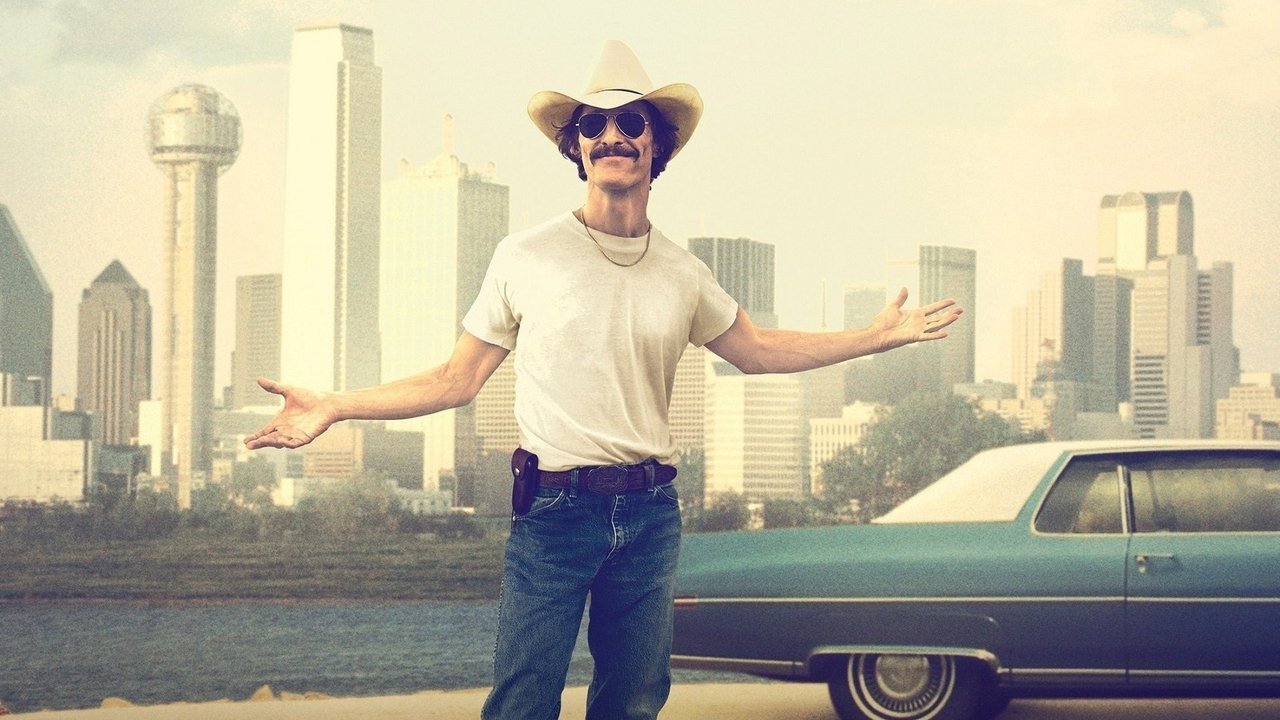
Interestingly, the script for Dallas Buyers Club sat in "development hell" for over twenty years. It was passed around to Woody Harrelson and Brad Pitt before McConaughey finally grabbed it. If it had been made in the 90s, it probably would have been a glossy, sentimental "Movie of the Week." By 2013, cinema had moved toward a raw, digital honesty that suited the subject matter perfectly. It captures that post-9/11 cynicism toward large institutions—the feeling that if you want something done right, you have to break the rules.
Ultimately, Dallas Buyers Club succeeds because it refuses to be "sad." It’s angry, it’s funny, and it’s deeply intellectual in how it tackles the ethics of medicine. It asks us to consider the value of a single day and what we’re willing to sacrifice for it. I left the film feeling less like I’d seen a tragedy and more like I’d seen a fight. It’s a reminder that even when the credits are about to roll on your life, you can still find a way to rewrite the ending.
Ron Woodroof didn't live for thirty days. He lived for seven years after his diagnosis. The film doesn't celebrate him as a hero, but as a man who simply refused to die quietly—and in the history of cinema, that’s usually the most compelling story you can tell. Just make sure your air conditioner is working before you press play; it’s a sweaty, visceral ride.
Keep Exploring...
-
The Young Victoria
2009
-

Wild
2014
-

12 Years a Slave
2013
-

The Imitation Game
2014
-
Ip Man
2008
-
The King's Speech
2010
-

Flipped
2010
-
The Help
2011
-

Warrior
2011
-
Malcolm X
1992
-
Selena
1997
-
Coach Carter
2005
-
Apocalypto
2006
-

The Boy in the Striped Pyjamas
2008
-

Milk
2008
-
Schindler's List
1993
-

Hachi: A Dog's Tale
2009
-

Mr. Nobody
2009
-

About Time
2013
-
Spotlight
2015