Dark Skies
"Your home isn't the fortress you think it is."
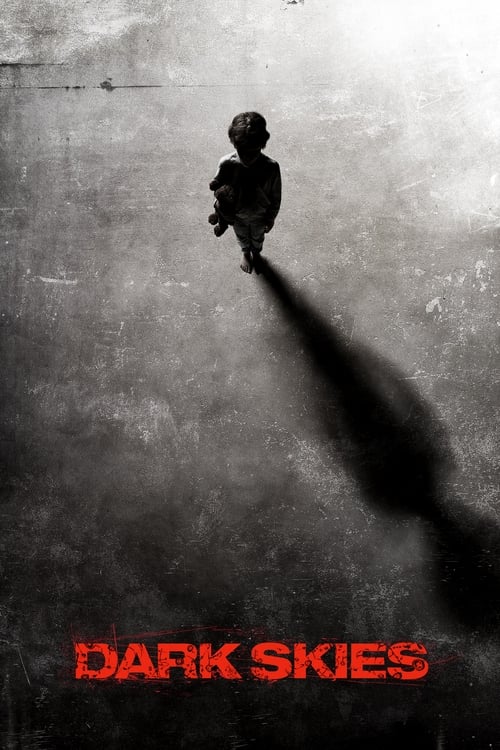
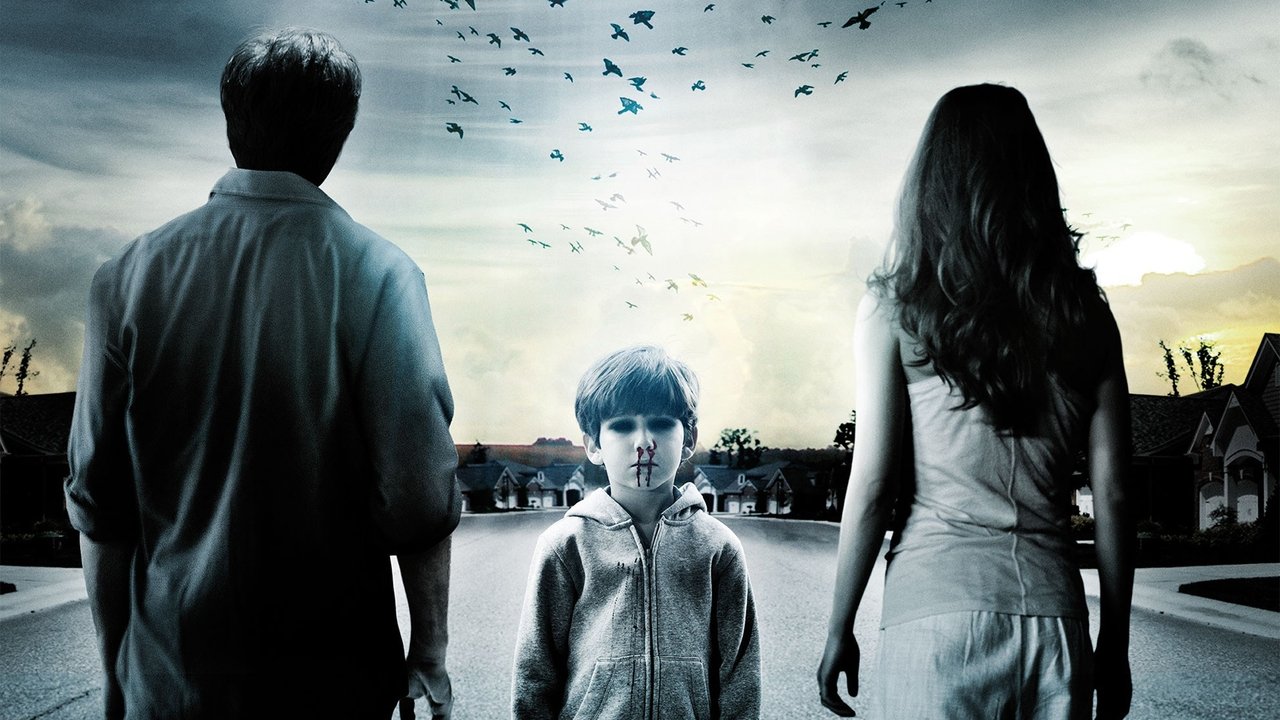
I watched Dark Skies for the first time on a laptop with one blown-out speaker while my cat, Barnaby, stared intensely at a blank patch of wall for three hours. If you’ve ever lived with a pet that seems to see things you can’t, you already have the baseline physiological prep for what Scott Stewart (the man behind the angelic action-fest Legion) was trying to do here. At a glance, this looks like your standard-issue 2010s "Blumhouse haunting," complete with the suburban house, the struggling marriage, and the kids who draw creepy things in crayon. But Dark Skies pulls a magnificent bait-and-switch that I still appreciate a decade later: it’s a ghost story where the ghosts are actually extraterrestrials.
By 2013, we were drowning in found-footage demons and "Possession of [Insert Name Here]" flicks. Dark Skies arrived with a $3.5 million budget and a chip on its shoulder, deciding to take the classic "Grey" alien iconography and drop it into the domestic dread machine perfected by Insidious. It’s a film that understands that losing your job is just as scary as a tall, thin man standing in your hallway, and it blends those two anxieties into a cocktail of pure, unadulterated unease.
Suburbia Under the Microscope
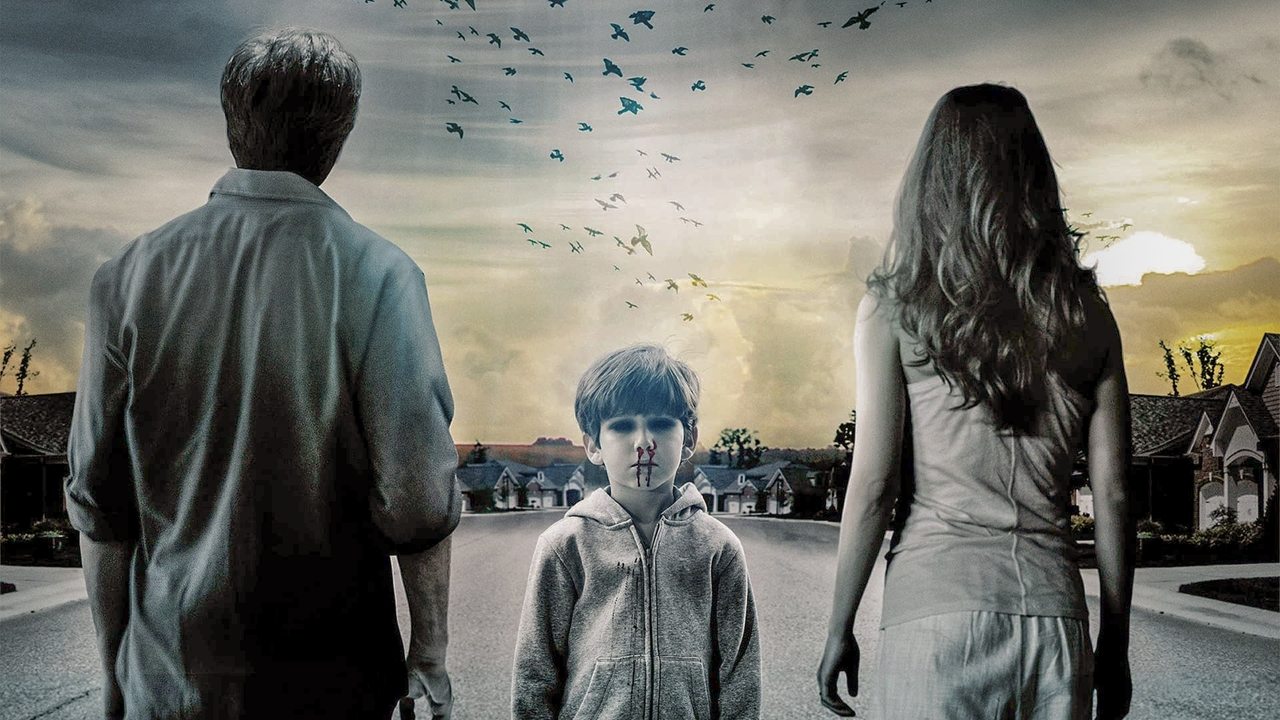
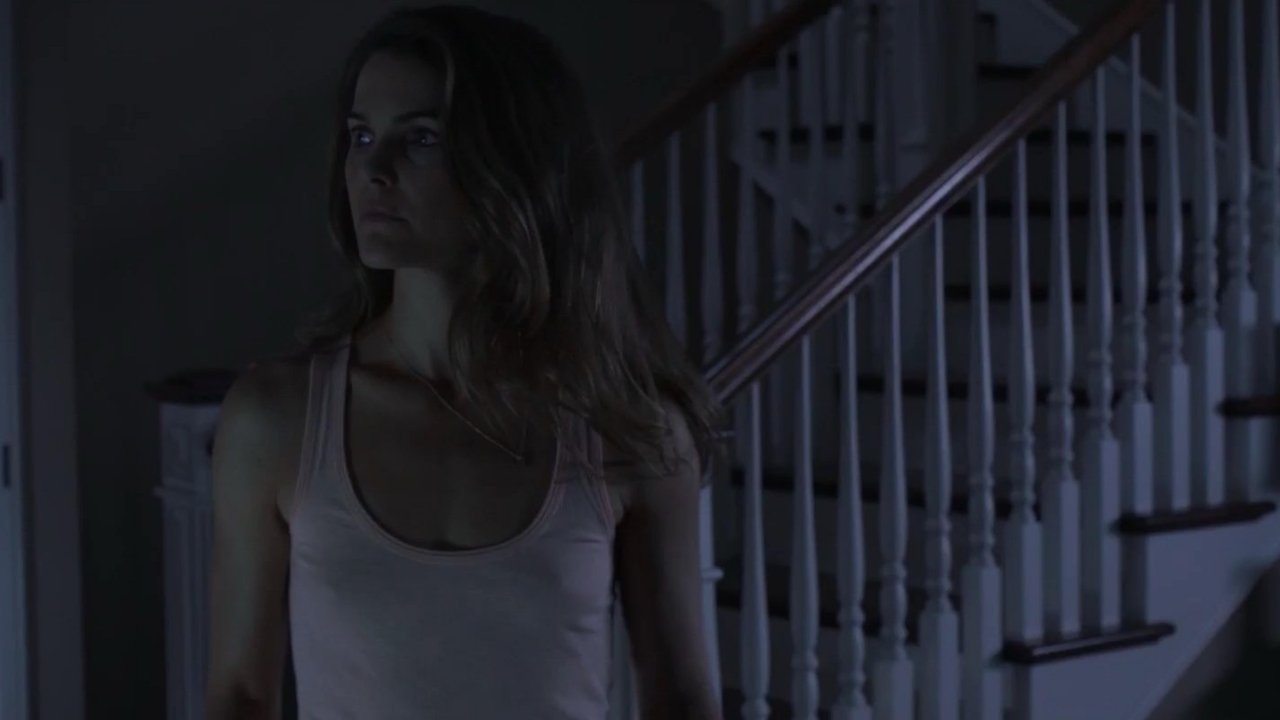
The movie follows the Barrett family. Keri Russell—who was just about to start her legendary run in The Americans—plays Lacy, a real estate agent trying to keep the family afloat while her husband, Daniel (Josh Hamilton), deals with the crushing weight of unemployment. This financial stress is the "secret sauce" of the movie. Because they are broke, they can’t just pack up and move when things get weird. They are trapped by their mortgage as much as they are by the entities watching them.
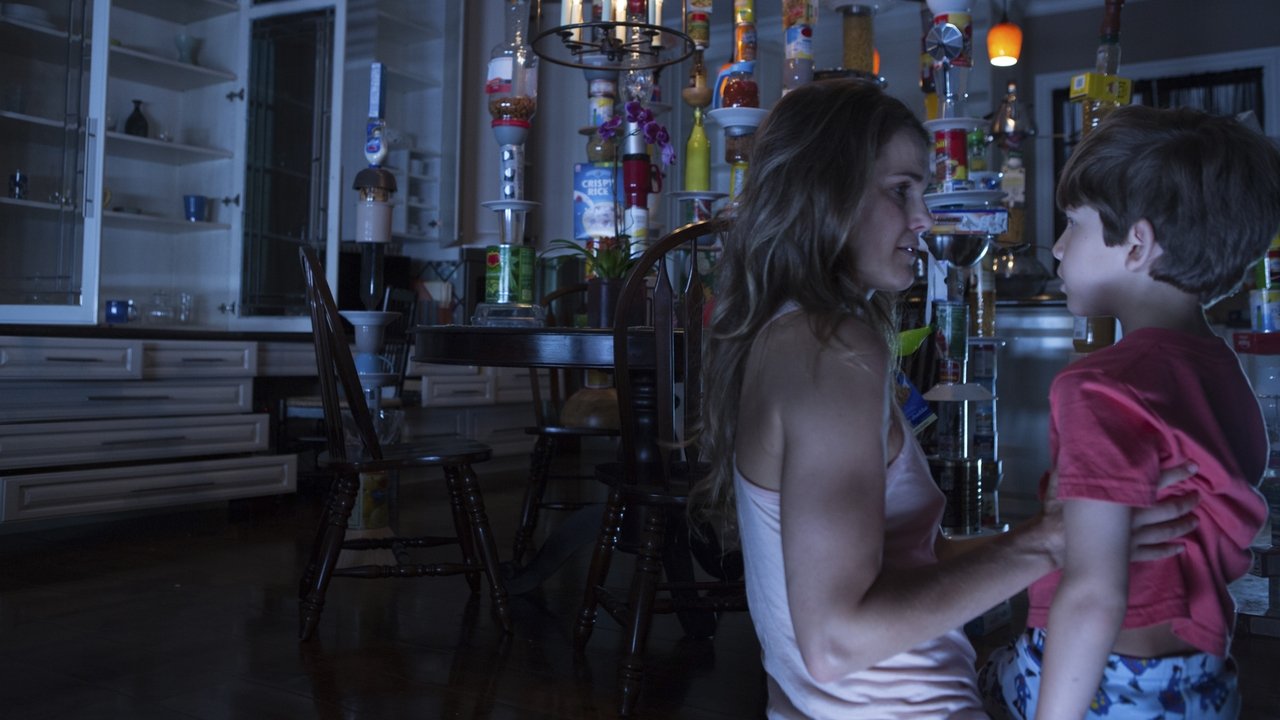
Josh Hamilton is particularly good at playing the "rational dad" who slowly loses his mind. I’ve always felt that his character's transition from skeptic to "guy buying a shotgun and CCTV cameras" is one of the most relatable descents in modern horror. The film captures that specific 2010-era anxiety of the American Dream curdling. When the family discovers that all their photos have been stolen from their frames, or when Lacy finds all their kitchen canned goods stacked in impossible, geometric towers, it doesn’t feel like a prank. It feels like a violation of the one place they are supposed to be safe.
The Low-Budget Masterclass
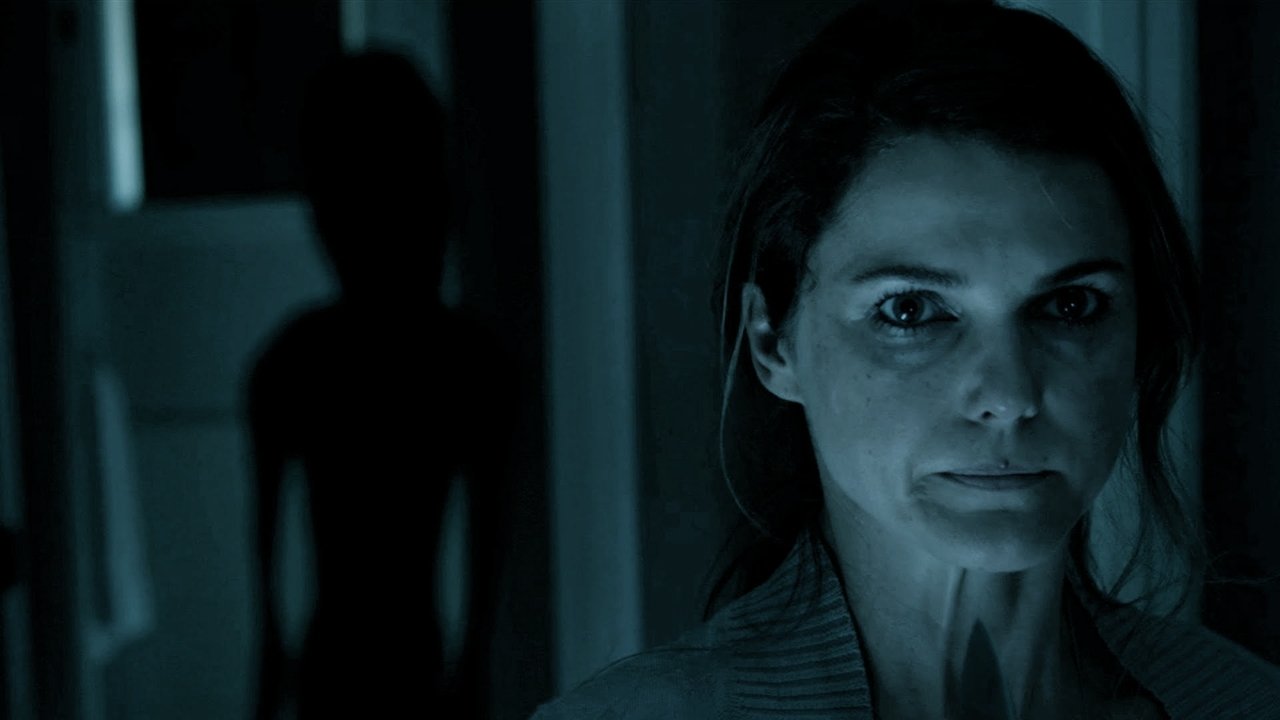
For a movie made for less than what most blockbusters spend on craft catering, Dark Skies looks fantastic. David Boyd’s cinematography leans heavily into those cool, clinical blues and deep shadows that make a standard kitchen look like an operating table. Because they didn't have the cash for Independence Day levels of spectacle, the film relies on the "less is more" approach. We see glimpses—a shadow in a doorway, a reflection in a TV screen—that are far more effective than a full-CGI reveal would have been.
One of my favorite "fun facts" about the production is that the iconic geometric tower of canned goods wasn't a digital effect. The crew actually had to balance those items, and the physical presence of the objects makes the scene feel significantly more "wrong" than a pixelated mess would. It’s a testament to the indie hustle; when you can't afford a digital army, you use a hot glue gun and some physics.
The film also gets a massive boost from a late-game appearance by J.K. Simmons as Edwin Pollard, an expert on "The Greys." He’s only in a few scenes, but he grounds the entire movie. He doesn't play it like a kook; he plays it like a man who has seen too much and is profoundly tired of being right. His delivery of the line "It doesn't matter what you believe; it only matters what they intended" is enough to make you want to close your curtains and never look at the stars again.
The Legacy of the Grey
Looking back, Dark Skies feels like a bridge between the classic 90s X-Files paranoia and the modern "elevated" horror movement. It treats the alien abduction trope with a level of grim seriousness that we rarely see. There are no laser beams or "take me to your leader" speeches. There is only the clinical, cold reality of a family being "processed."
I’ll be the first to admit that the ending is polarizing. Without spoiling it, I’ll just say it’s a gut-punch that refuses to give the audience the easy out they’ve been trained to expect. It’s basically 'Signs' if it had a panic attack in a Suburbia, and I mean that as a high compliment. While it might have been overshadowed at the box office by The Conjuring that same year, Dark Skies has aged surprisingly well because its fears—surveillance, family fracture, and the unknown—are timeless.
If you missed this one during the initial Blumhouse boom, it’s time to rectify that. It’s a lean, mean 97 minutes that understands exactly how to poke at your nerves. Just a word of advice: if you have a cat, maybe put them in another room before you hit play. You don't need the extra help being spooked by things that aren't there. Or are they?
Keep Exploring...
-

Legion
2010
-
Quarantine
2008
-
Carriers
2009
-
Pandorum
2009
-
The Purge
2013
-

World War Z
2013
-

Time Lapse
2014
-
After.Life
2009
-
I Spit on Your Grave
2010
-
Monsters
2010
-
The Last Exorcism
2010
-

Red State
2011
-

Sinister
2012
-
V/H/S
2012
-
You're Next
2013
-
Coherence
2014
-

The Signal
2014
-
Grave Encounters
2011
-
Priest
2011
-
The Awakening
2011