Disconnect
"Every connection has a price."

In 2013, we were still pretending we could put the genie back in the bottle. Instagram was a toddler, the phrase "doomscrolling" hadn't been coined yet, and we still looked at our smartphones with a mix of wonder and mild suspicion rather than the weary resignation of a ball-and-chain. Released into this specific cultural anxiety, Henry Alex Rubin’s Disconnect arrived like a cold splash of water to the face. It wasn’t the first "interconnected lives" drama—the ghost of Crash (2004) and Babel (2006) looms large here—but it was perhaps the first to realize that the most dangerous thing in our pockets wasn't a lack of signal, but the signal itself.
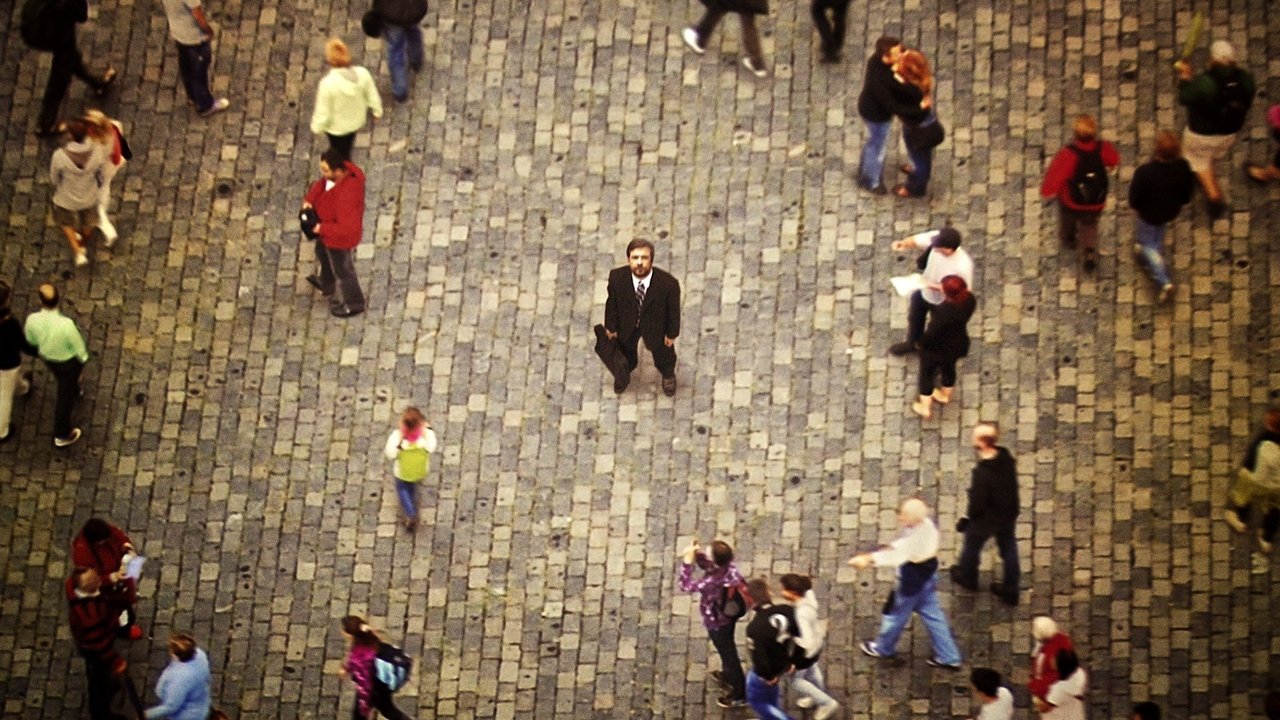
I caught this one late on a Tuesday night while my own phone was charging in the other room, and I spent the first twenty minutes fighting a phantom vibration in my pocket. That twitchy, Pavlovian itch is exactly what this movie feeds on.
The Static Between Us
The film weaves together three primary threads of digital misery. We have Jason Bateman and Hope Davis as parents dealing with the horrific fallout of their son being cyber-bullied by classmates. Then there’s Frank Grillo, a widowed ex-cop working as a private investigator for digital security, who is trying to bridge a widening chasm with his own estranged son. Finally, Andrea Riseborough plays an ambitious journalist who discovers a "career-making" story in a teenage boy (Max Thieriot) performing on a cam-girl/boy site, only to find the ethical lines blurring into something dangerous.
What strikes me looking back is how grounded this feels compared to the tech-thrillers of the late 90s. There are no "3D hacking" interfaces or green-scrolling code here. Rubin, coming off the incredible documentary Murderball, brings a voyeuristic, handheld intimacy to the proceedings. The cinematography by Ken Seng uses a shallow depth of field that keeps the characters in sharp focus while the world around them—and often the people right next to them—dissolves into a blur of bokeh and light. It’s a literal visual representation of being "alone together."
Performances That Sting
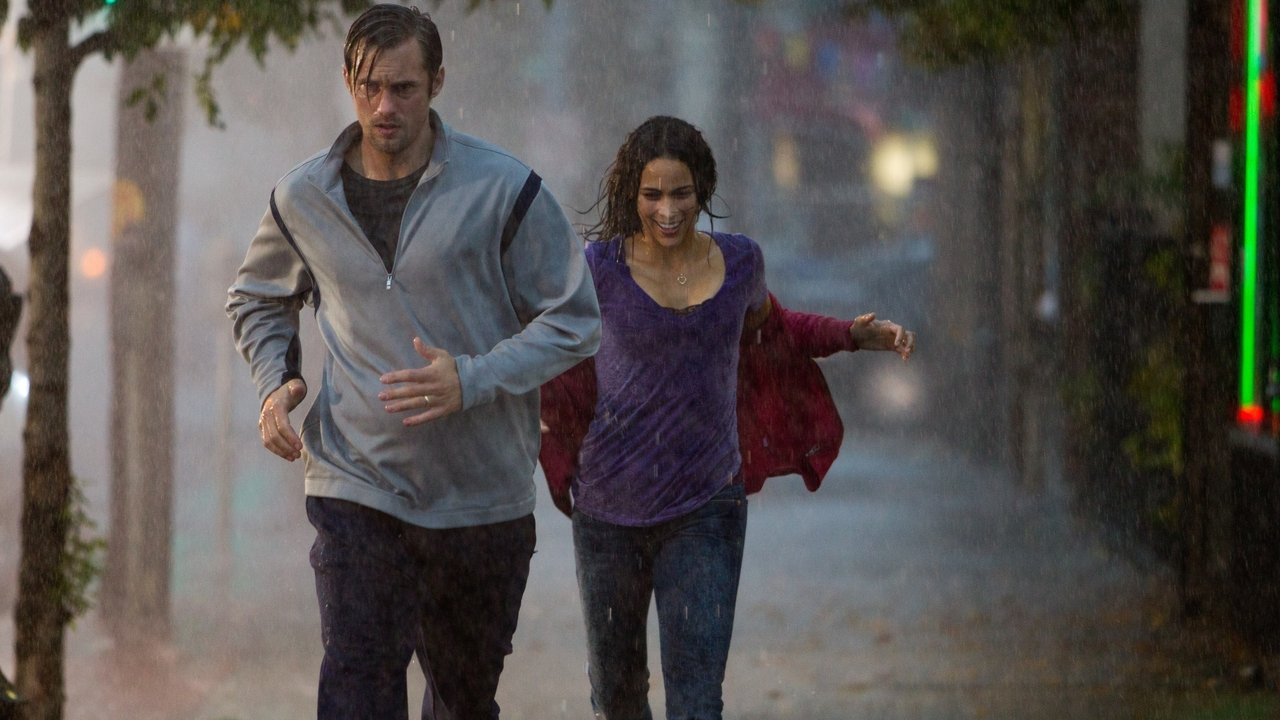
This was a pivotal moment for Jason Bateman. Long before Ozark proved he could do "grim" with the best of them, his performance here as Rich Boyd was a revelation. He carries a frantic, helpless energy that anyone who has ever failed to protect their kid will recognize instantly. There is a scene involving a hospital bed that is genuinely hard to watch, not because of gore, but because of the sheer, raw exhaustion in his eyes.
Frank Grillo, usually relegated to "tough guy #2" in MCU films or The Purge sequels, is the unsung MVP here. He plays a man who knows exactly how the internet can ruin a life but has no idea how to talk to his son without a keyboard between them. Michael Nyqvist (of the original The Girl with the Dragon Tattoo) also shows up in a smaller, haunting role as a man who lost everything to an identity thief, and he brings a quiet, simmering rage to the part that anchors the "thriller" elements of the script.
This is essentially the movie Crash would have been if it actually had something smart to say about the human condition instead of just shouting about it. It’s manipulative, sure—the climax features a slow-motion cross-cutting sequence that practically begs you to hold your breath—but it earns its tension through characters we’ve actually come to care about.
Why Did This Slip Through the Cracks?
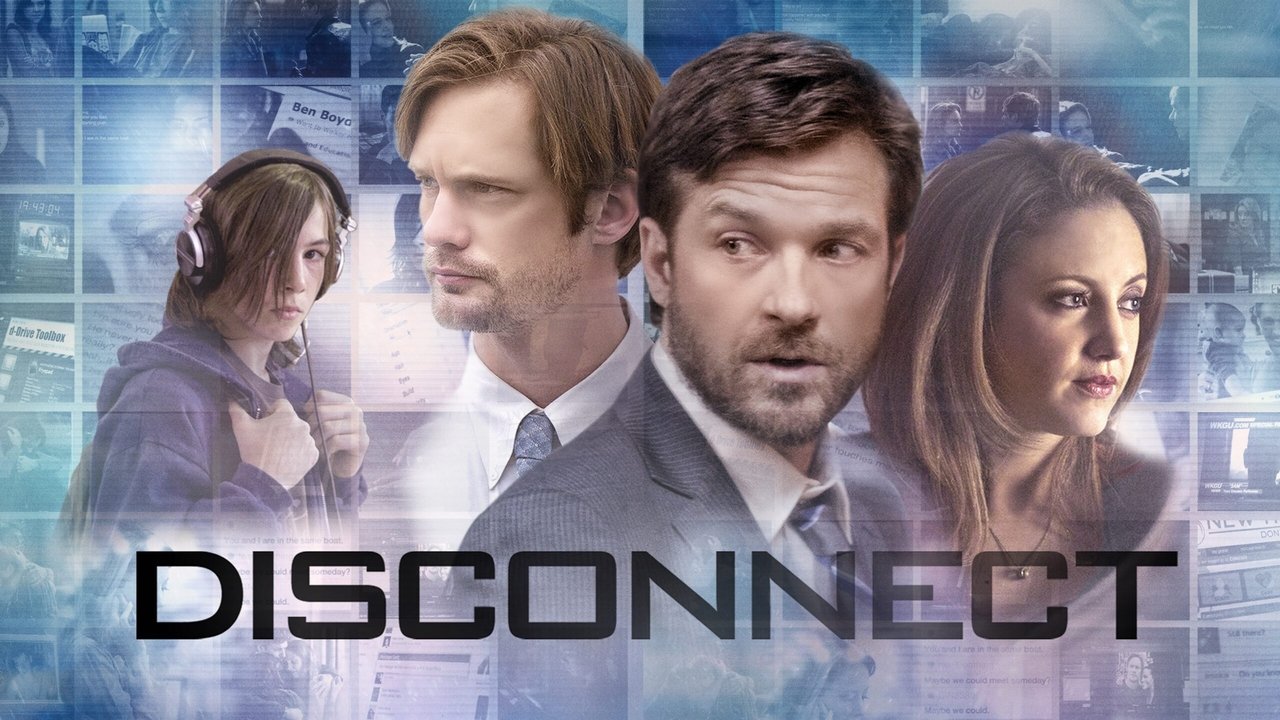
It’s honestly a mystery why Disconnect didn't make a bigger splash. It grossed just over $3 million against a $10 million budget, effectively vanishing from the conversation within a year. Part of it might be the timing; in 2013, audiences were flocking to Iron Man 3 and The Hunger Games: Catching Fire. A somber, R-rated drama about the perils of chat rooms felt like a "downer" sell.
It also suffered from being "too soon" for some and "too late" for others. It arrived just as the "preachy tech" subgenre was starting to feel a bit Luddite, yet it’s far more sophisticated than something like Men, Women & Children (2014). Interestingly, Max Richter provides the score here, and his melancholic, repetitive strings do a lot of the heavy lifting. If you recognize the vibe, it’s because Richter’s music has since become the shorthand for "meaningful digital isolation" in everything from The Leftovers to Black Mirror.
Looking back a decade later, the tech in the film (bulky laptops, older interfaces) has aged, but the emotional core hasn't. The fear of being seen but not known is a permanent fixture of the human experience now. It’s a tough watch—unflinching and at times deeply cynical—but it’s a necessary one for anyone who has ever felt more lonely after checking their notifications than they did before.
Disconnect is a masterclass in building dread out of everyday interactions. While it occasionally leans too hard on its "Look up" message, the strength of the ensemble cast and Rubin’s documentary-style direction turn what could have been a PSA into a gripping, atmospheric thriller. It’s the kind of "hidden gem" that makes you want to delete your social media accounts for at least an hour—right after you finish reading this review, of course.
Keep Exploring...
-
Take Shelter
2011
-
Kill Your Darlings
2013
-

Labor Day
2013
-
Arlington Road
1999
-
Mesrine: Killer Instinct
2008
-
Mesrine: Public Enemy #1
2008
-
Cell 211
2009
-
Thirst
2009
-
Batman: Year One
2011
-
End of Watch
2012
-

Miller's Crossing
1990
-
Barton Fink
1991
-
Strange Days
1995
-
The Rainmaker
1997
-
A Simple Plan
1998
-
The Count of Monte Cristo
2002
-
Inland Empire
2006
-
Undisputed II: Last Man Standing
2006
-
United 93
2006
-
Before the Devil Knows You're Dead
2007