Don Jon
"Love is more than a 15-inch screen."
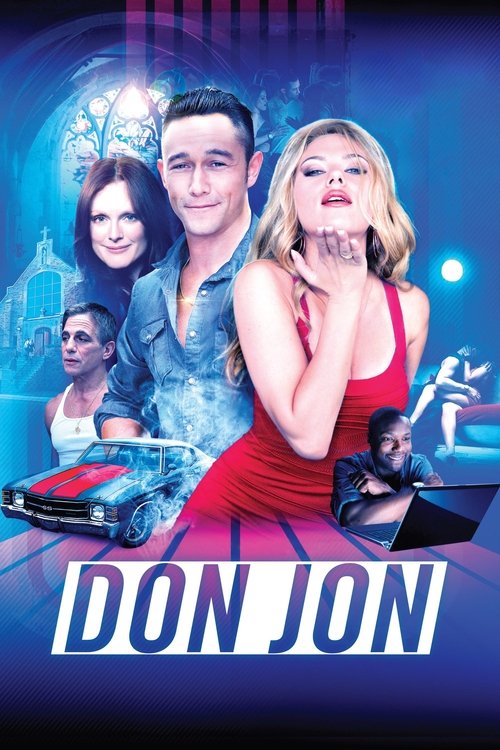
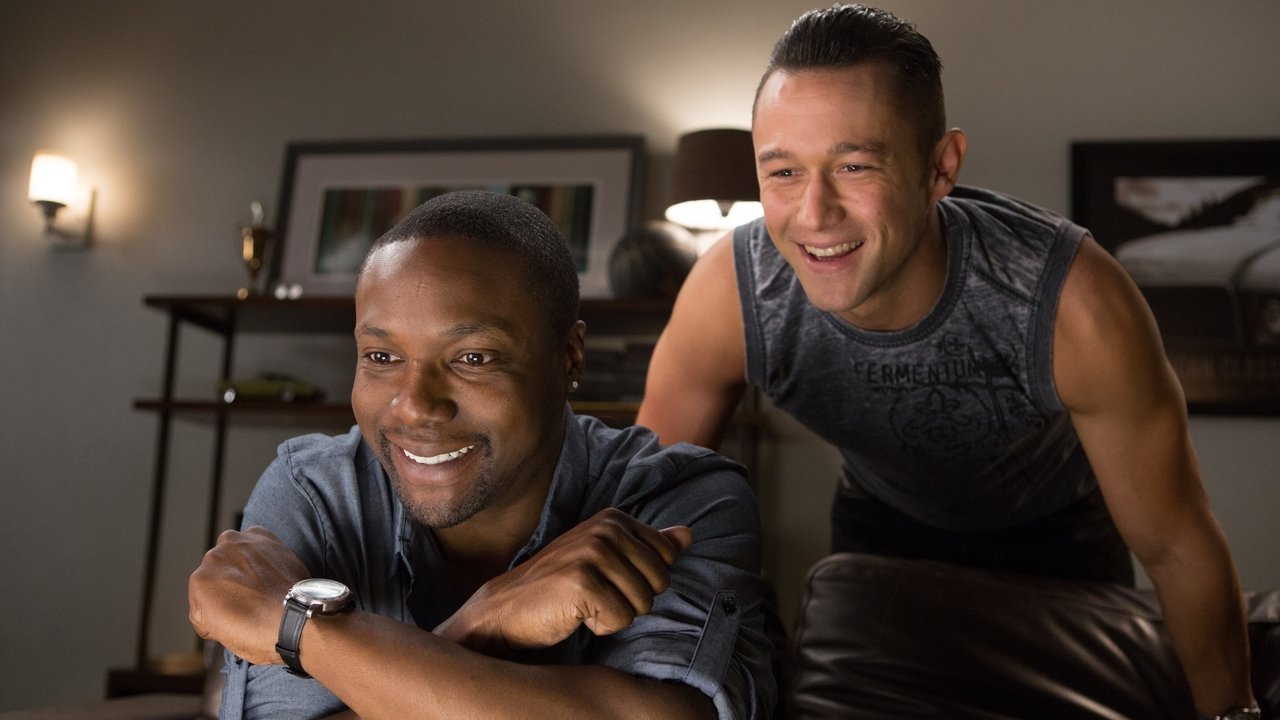
The 2013 cinematic landscape was a strange, transitional playground. We were deep into the "prestige TV" boom, the MCU was just starting to solidify its iron grip on the box office with Iron Man 3, and a young Joseph Gordon-Levitt—fresh off his success in Inception and The Dark Knight Rises—decided to use his newfound Hollywood capital to write, direct, and star in a movie about a guy who really, really likes porn.
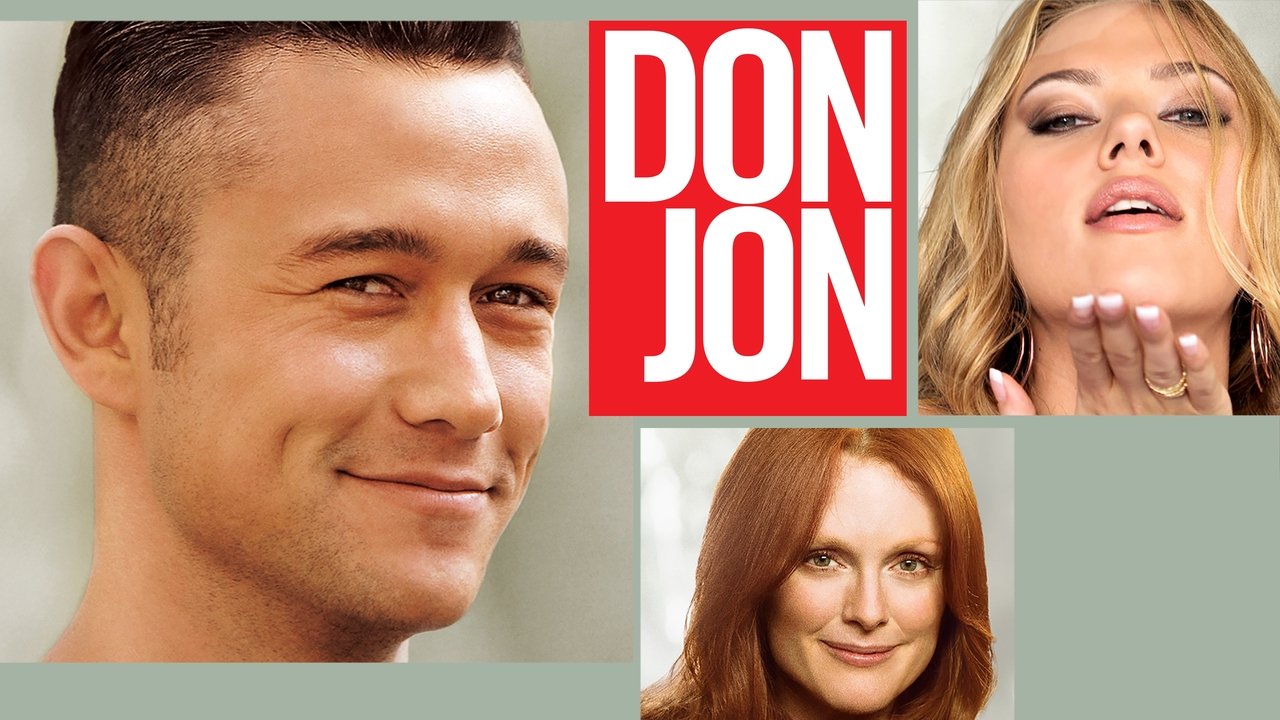
It sounds like the setup for a trashy, late-night comedy you’d find in a bargain bin, but Don Jon is surprisingly surgical. I watched this again recently while eating a bowl of lukewarm spaghetti, and I found myself involuntarily timing my bites to the rhythm of the editing. It’s a movie obsessed with loops, rituals, and the dopamine hits of the early digital age, and looking back, it’s one of the most effective dissections of "bro culture" from the era of the Ed Hardy shirt and the gym-tan-laundry lifestyle.
The Rhythm of the Ritual
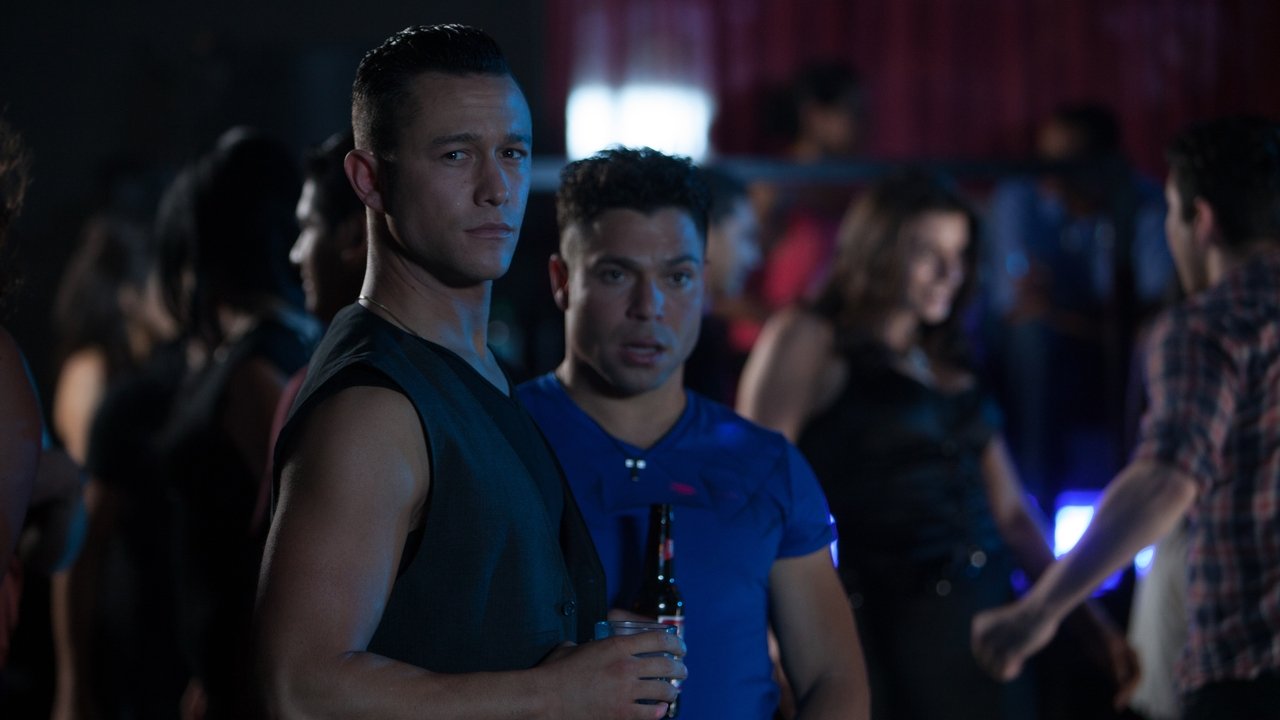
Joseph Gordon-Levitt plays Jon Martello, a New Jersey bartender whose life is a strictly regulated clockwork of "my body, my pad, my ride, my family, my church, my boys, my girls, and my porn." The film uses a rapid-fire, repetitive editing style that mimics the scrolling of a Tumblr feed or the clicking of a mouse. It’s intentional and, at times, a little exhausting, but it perfectly captures the sensory overload of a guy who has commodified every aspect of his existence.
Jon isn't just a guy with a habit; he’s a guy who has been conditioned by the internet to expect life to happen in 10-second clips. He goes to confession, does his penance (which he treats like a gym set), and then goes right back to the screen. It’s a fascinating look at how digital consumption began to reshape our real-world expectations right as high-speed internet became a baseline human right.
A Clash of Unrealistic Fantasies
Everything changes when Jon meets Barbara Sugarman, played by a pitch-perfect Scarlett Johansson. If Jon is addicted to the "unrealistic expectations" of adult films, Barbara is his mirror image: she’s addicted to the toxic, glossy perfection of Hollywood romantic comedies. Scarlett Johansson’s chewing gum in this movie has more character development than most blockbuster protagonists. She plays Barbara with a calculated, manipulative charm, demanding that Jon change his life to fit the script she’s written in her head.

The genius of the script is that it doesn't just point the finger at Jon’s "dirty" habit; it suggests that Barbara’s demand for a "white knight" ending is just as destructive. They aren't falling in love with each other; they’re trying to force each other into the boxes they’ve seen on their respective screens. Watching them navigate a relationship is like watching two different operating systems try to run the same software—it’s full of glitches and crashes.
The $3 Million Gamble
From a production standpoint, Don Jon is a masterclass in indie resourcefulness. It was produced for a lean $3 million—a figure that wouldn't cover the catering budget on a Transformers sequel. JGL utilized his own HitRecord platform to source ideas and creative input, making it a true passion project that felt distinct from the studio-mandated "indie-lite" films of the time.
The film also features an incredible supporting cast that brings a lived-in, chaotic energy to Jon’s life. Tony Danza is a revelation as Jon’s father; watching Tony Danza eat pasta in an undershirt is the closest thing to high art we got in 2013. Then there’s Brie Larson as Jon’s sister, Monica. In a brilliant bit of direction, she has almost zero lines for 80% of the movie, spent entirely staring at her phone. It’s a hilarious commentary on the very tech-distraction the movie is critiquing, and when she finally speaks, it’s the most insightful moment in the film.
Breaking the Loop
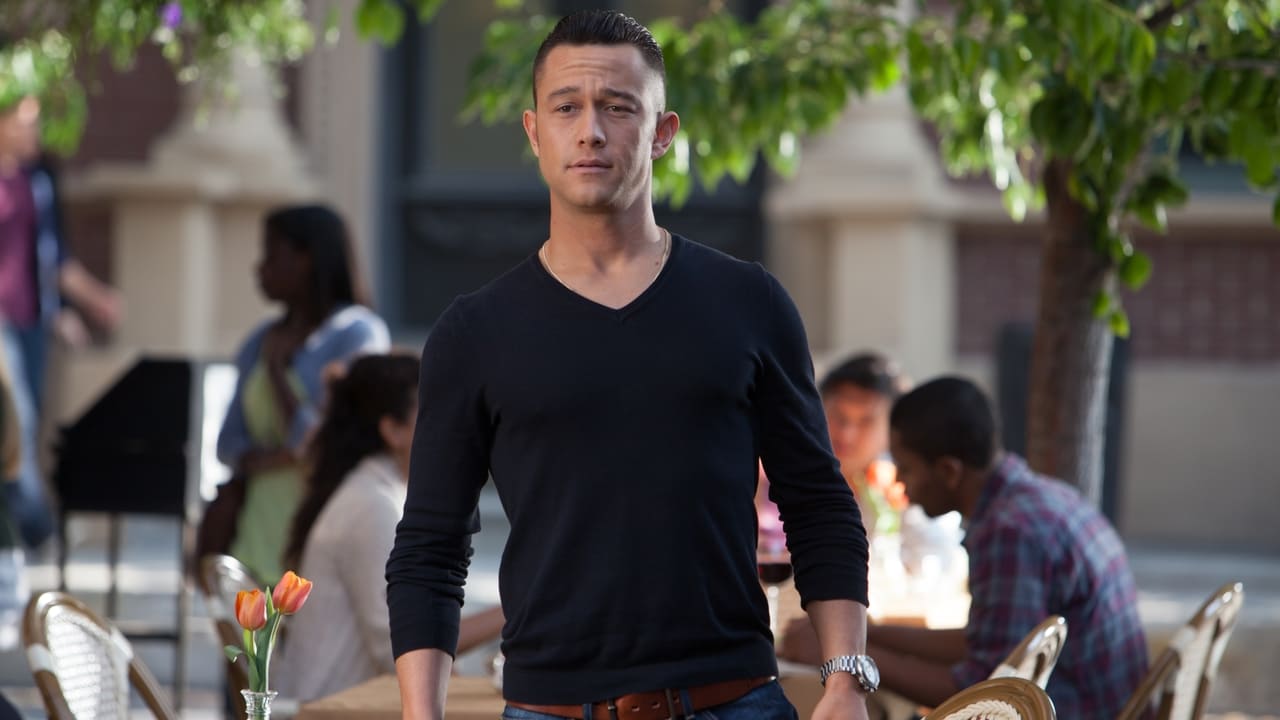
The movie takes a sharp, soulful turn when Julianne Moore enters the frame as Esther, a woman Jon meets at night school. If Barbara is the "fantasy," Esther is the messy, tragic, and beautiful reality. Julianne Moore brings a much-needed vulnerability to a film that is otherwise filled with high-energy Jersey bravado. She breaks the "loop" of Jon’s life not by being perfect, but by being present.
Looking back a decade later, Don Jon feels like a time capsule of a specific moment where we were all starting to realize that the internet was changing our brains, but we hadn't quite figured out how to stop it. It’s a comedy that isn't afraid to be uncomfortable, a drama that isn't afraid to be loud, and a directorial debut that proved JGL had a lot more on his mind than just being a charming leading man.
Don Jon is a snappy, stylish exploration of intimacy in an age of digital distraction. While the "Jersey" stereotypes are laid on thick enough to clog an artery, the core message about the difference between "using" people and "connecting" with them still rings true. It’s a bold piece of independent filmmaking that prioritizes character growth over easy punchlines, reminding us that sometimes the most important thing you can do is just close the laptop.
Keep Exploring...
-
Beginners
2011
-
The First Time
2012
-
Secretary
2002
-
The Spectacular Now
2013
-
Nick and Norah's Infinite Playlist
2008
-

Morning Glory
2010
-
What to Expect When You're Expecting
2012
-
Drinking Buddies
2013
-

Fanboys
2009
-
Robot & Frank
2012
-
Two Night Stand
2014
-

Camp Rock
2008
-

Salmon Fishing in the Yemen
2012
-

What If
2013
-
Chasing Amy
1997
-
Buffalo '66
1998
-

High School Musical
2006
-
Blast from the Past
1999
-
Never Been Kissed
1999
-
About a Boy
2002