Dragon Ball Z: Battle of Gods
"The king of shonen returns to reclaim his crown."
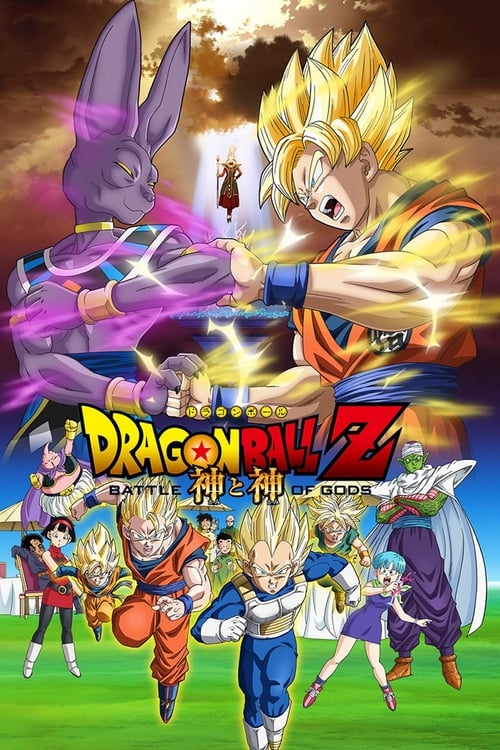
In 2013, being a Dragon Ball fan felt like being a caretaker for a beautiful, neglected museum. We had the dusty VHS tapes, the grainy fansubs, and the lingering trauma of Dragonball Evolution (2009)—a live-action disaster so potent it actually coaxed creator Akira Toriyama out of retirement just to fix the damage. When Dragon Ball Z: Battle of Gods finally arrived, it didn’t just feel like a new movie; it felt like a formal apology. It was the first theatrical release for the franchise in 17 years, landing right in that sweet spot of the early 2010s when digital animation was finally starting to replicate the warmth of the old hand-drawn cels, even if it stumbled over its own feet once or twice.
I watched this for the first time on a laptop with a dying battery while my neighbor was power-washing his driveway for three straight hours, and honestly, the aggressive drone of the water felt like a fitting soundtrack for a franchise built on screaming and property damage.
The God Who Wanted Pudding
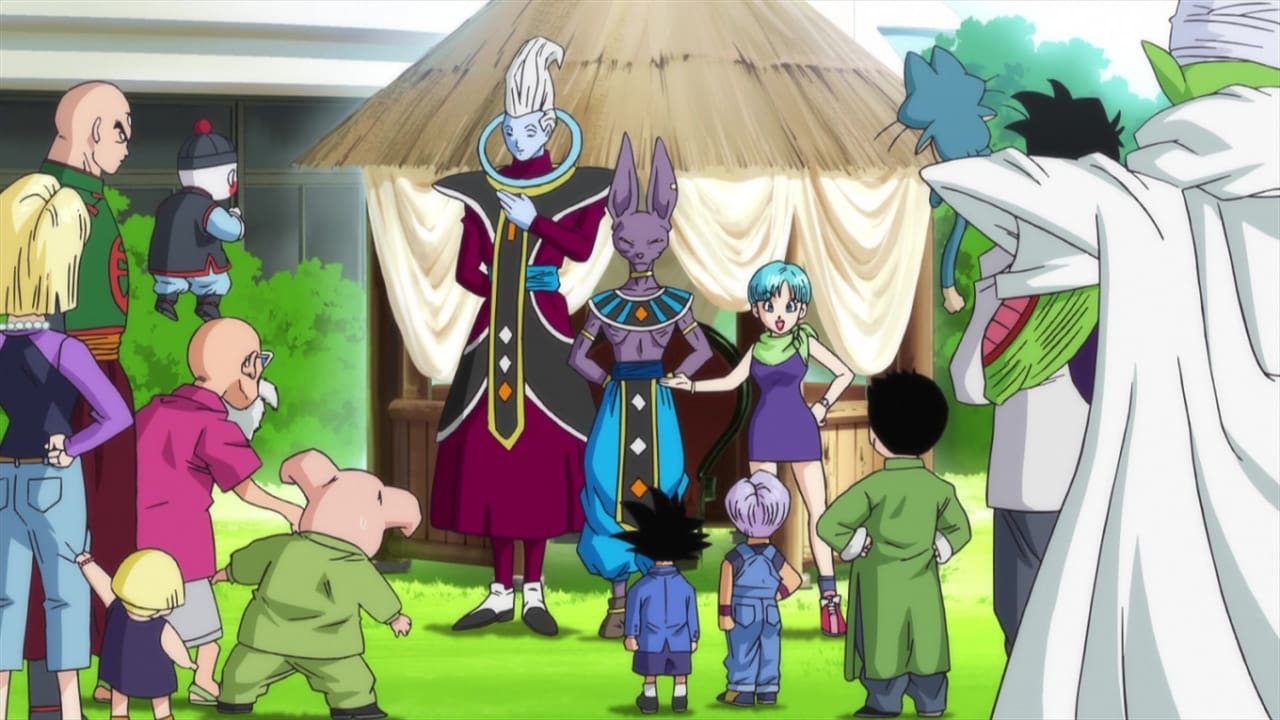
The plot is deceptively simple, which is exactly what the series needed after the convoluted messes of the late-90s era. Beerus, the God of Destruction (voiced with magnificent, cat-like boredom by Koichi Yamadera), wakes up from a decades-long nap with a craving for a "Super Saiyan God." He heads to Earth, beats Goku into the dirt in about two minutes, and then crashes Bulma’s birthday party.
What makes Battle of Gods so refreshing—and what likely shocked fans who grew up on the brooding, self-serious dubs of the 90s—is how funny it is. Director Masahiro Hosoda leans into the whimsical, gag-manga roots that Toriyama always preferred. Instead of a galactic tyrant like Frieza, Beerus is essentially a temperamental house cat with nuclear launch codes. The tension doesn't come from a ticking doomsday clock, but from the terrifying possibility that someone might forget to give the God of Destruction a slice of birthday cake. It’s a tonal shift that re-humanizes characters who had become caricatures of power levels. Vegeta’s "Bingo Dance," a desperate attempt to humiliate himself to keep Beerus happy, is actually the most heroic thing he’s ever done. It showed a depth of character that "Final Flash" never could.
A New Era of High-Speed Chaos

When the talking stops and the punching starts, you can see the 2013 tech straining to do things the 1992 animators could only dream of. The action choreography in the final act—where Goku and Beerus trade blows through subterranean caves and up into the stratosphere—is a fascinating relic of its time. We’re seeing the transition from the static "moving background" loops of the 90s to fully realized 3D environments.
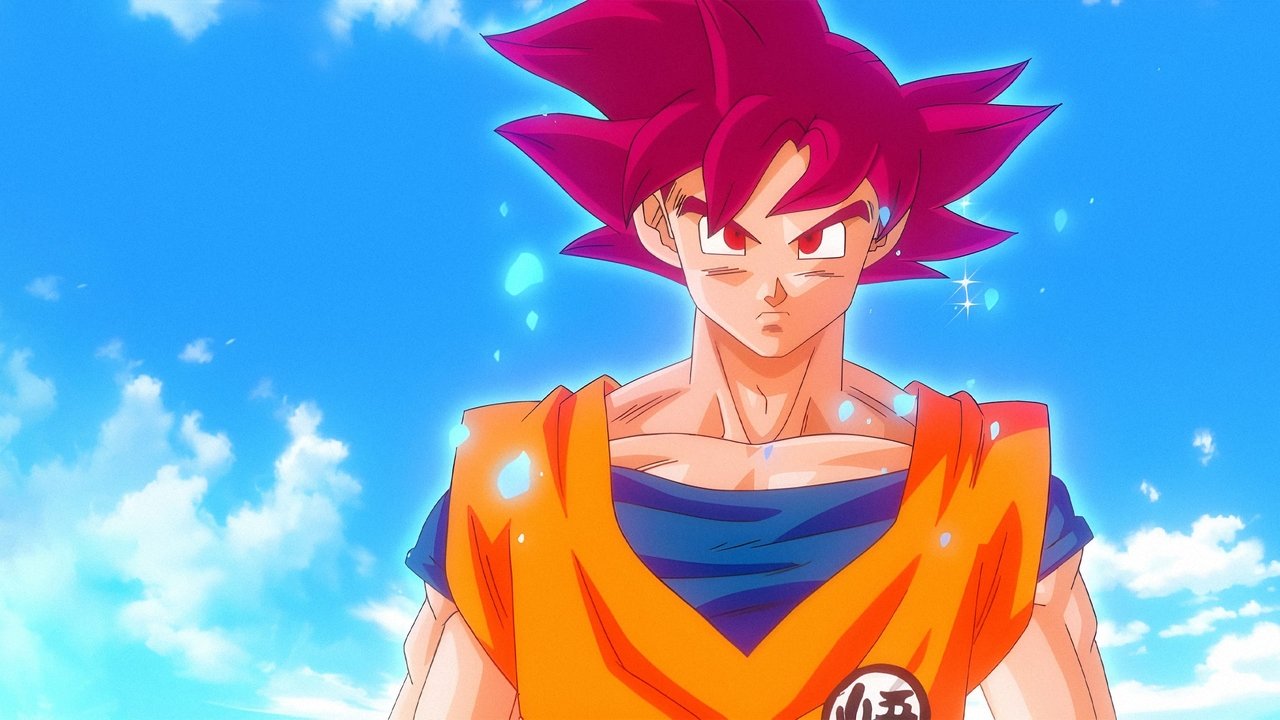
There’s a sequence where the camera tracks behind Goku as he weaves through a forest at Mach speeds, and while the CGI trees look a bit like a PlayStation 3 tech demo today, the sense of momentum was groundbreaking for the franchise. The fight feels three-dimensional in a way the old series never did. However, I have to be honest: the Super Saiyan God transformation is a bit of a letdown visually compared to the glorious mullets of the past. It’s just Goku with red hair and a slimmer build, looking more like he’s on a juice cleanse than achieving divine ascension. But that’s the point—Toriyama was subverting the "more hair equals more power" trope he’d accidentally created.
The Trivia of the Deep Sleep
Behind the scenes, the production was a bit of a rescue mission. The original script by Yusuke Watanabe was reportedly much darker, involving a "Lizard-like" Beerus who infected people with evil. Toriyama stepped in and lightened everything up, basing Beerus’s design on his own 14-year-old Cornish Rex cat, who had miraculously recovered from a terminal illness. The "God of Destruction" was literally inspired by a senior cat that wouldn't die.

Interestingly, this movie was the first Japanese film ever to be screened at digital IMAX theaters, which speaks to the massive expectations Toei Animation had. They knew they weren't just making a movie; they were launching a brand revival. You can feel that "franchise starter" energy in the pacing. It’s lean, clocking in at 85 minutes, and it doesn't waste time on the typical anime filler. It’s all killer, no filler, unless you count the five minutes dedicated to the culinary delights of Earth’s custard puddings.
Ultimately, Battle of Gods is the rare legacy sequel that understands what made the original work while refusing to be a slave to nostalgia. It brought color and humor back to a universe that had become a bit too gray and muscular for its own good. It’s a film about the joy of the fight rather than the grim necessity of it, and it reminded me why I spent my childhood trying to throw imaginary fireballs in my backyard.
Looking back, it’s the bridge between two worlds. It has the heart of the 90s but the ambition of the modern era. If you can forgive some of the early-2010s "shiny" digital sheen, you’re left with a movie that feels like hanging out with old friends who haven't aged a day, even if they’ve traded their leather jackets for divine halos. It’s a celebration of the fact that, no matter how old we get, we’re all still just waiting for the next big transformation.
Keep Exploring...
-
Dragon Ball Z: Resurrection 'F'
2015
-

Dragon Ball Z: The Return of Cooler
1992
-

Dragon Ball Z: Fusion Reborn
1995
-

Dragon Ball Z: Broly - The Legendary Super Saiyan
1993
-
Evangelion: 2.0 You Can (Not) Advance
2009
-

Evangelion: 3.0 You Can (Not) Redo
2012
-
Resident Evil: Damnation
2012
-
Astro Boy
2009
-

Superman/Shazam!: The Return of Black Adam
2010
-
Batman: The Dark Knight Returns, Part 1
2012
-
Justice League: Doom
2012
-

Cowboy Bebop: The Movie
2001
-
Final Fantasy VII: Advent Children
2005
-

Evangelion: 1.0 You Are (Not) Alone
2007
-

Dragon Ball Super: Broly
2018
-
Batman Beyond: Return of the Joker
2000
-
Titan A.E.
2000
-
Final Fantasy: The Spirits Within
2001
-
Osmosis Jones
2001
-
Resident Evil: Degeneration
2008