Ender's Game
"Training for a war you've already won."

I remember reading Orson Scott Card’s novel in middle school and thinking it was fundamentally unfilmable. It wasn’t because of the interstellar battles or the giant bug-like aliens; it was because the story spends eighty percent of its time locked inside the hyper-analytical, socially isolated brain of a child genius. When Gavin Hood (who previously gave us the gritty Tsotsi) finally brought it to the screen in 2013, the challenge wasn't just capturing the spectacle—it was making sure we cared about the kid pulling the trigger.
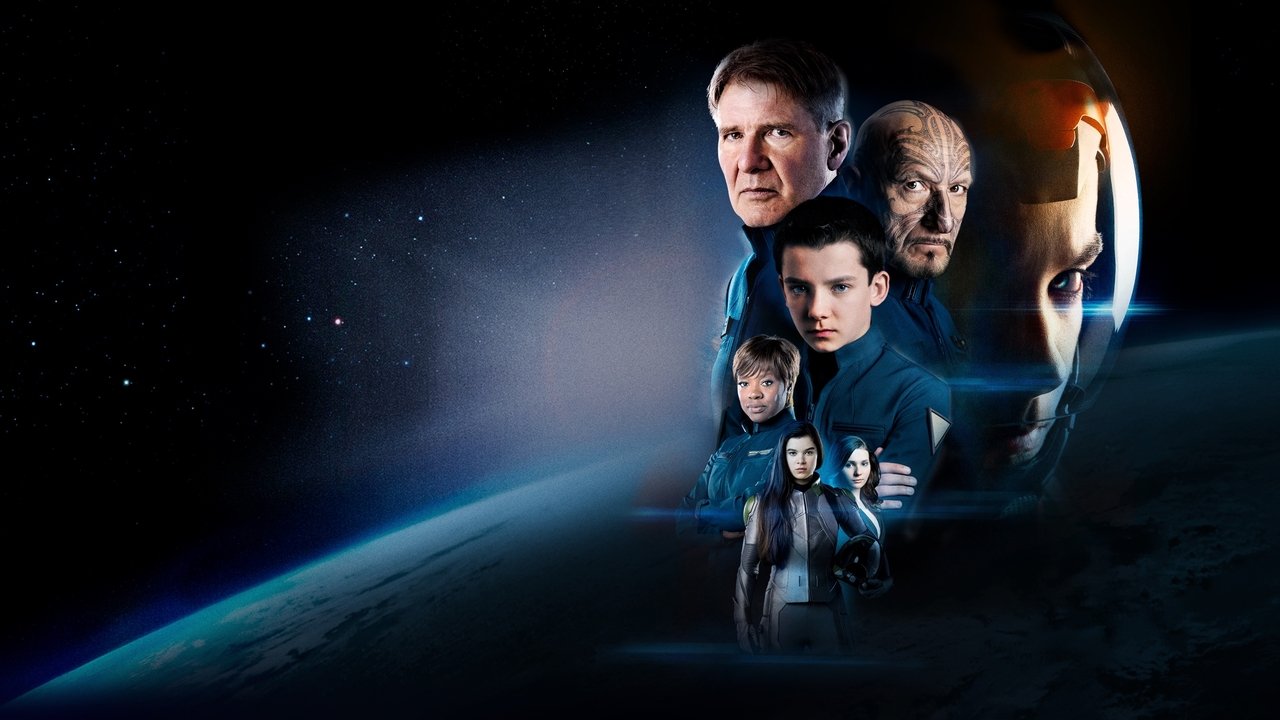
Looking back from a decade later, Ender’s Game feels like a fascinating relic of that late-period "Young Adult" boom. It arrived right as Hollywood was desperate to find the next Harry Potter or Hunger Games, but it had the misfortune of being a cerebral, cold-blooded military drama disguised as a blockbuster. I re-watched this recently while nursing a slightly burnt piece of sourdough toast, and I was struck by how much better it plays now that the hype of the "franchise starter" era has cooled off.
The Physics of the Playground
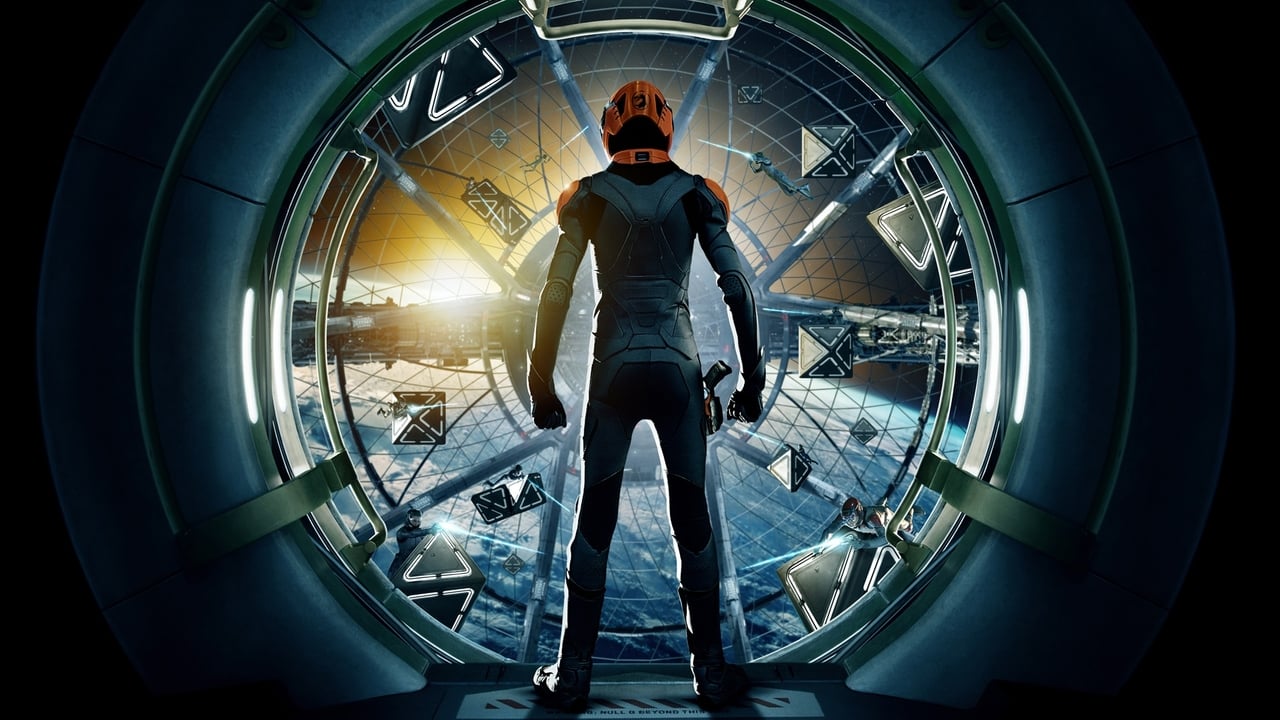
The heart of the movie is the Battle Room, and this is where the 2013 CGI really flexes. In an era where we’ve become numb to digital soup, the Zero-G sequences here still feel remarkably tactile. Gavin Hood made a brilliant call by hiring performers from Cirque du Soleil to help the young actors understand how to move in a weightless environment. You can see it in the way Asa Butterfield (the wide-eyed lead from Hugo) maneuvers; there’s a deliberate, floating grace to the choreography that avoids the "swimming in air" cliché of earlier sci-fi.
The action isn't just about explosions; it’s about geometry. I love that the film treats tactical positioning as a high-stakes thriller. Watching Ender realize that "the enemy’s gate is down" is a genuinely cool cinematic translation of a literary "Aha!" moment. It’s a rare action movie where the hero’s greatest weapon isn’t a laser sword, but his ability to perceive a 3D space differently than the adults in the room. It’s basically a high-budget HR training video for future trauma survivors, and I mean that in the most complimentary way possible.
A Legacy of Grumpiness and Genius
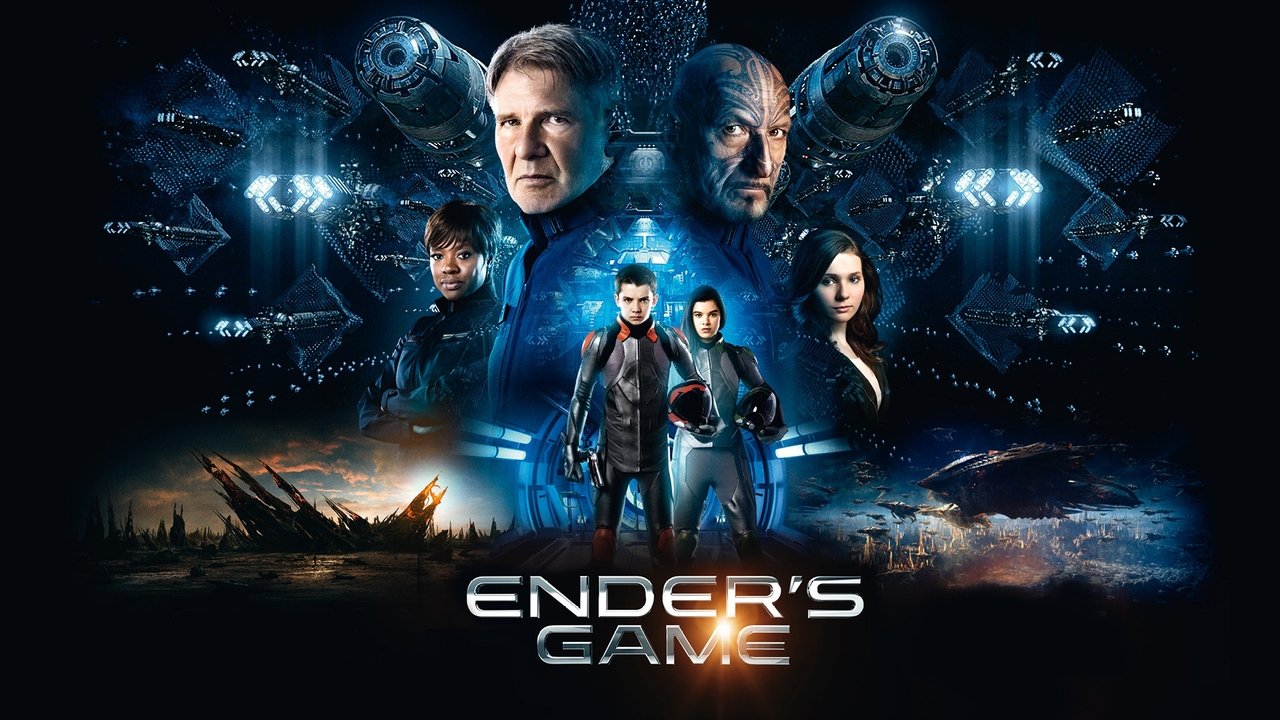
The cast is an absolute embarrassment of riches for a film about kids in jumpsuits. Harrison Ford plays Colonel Hyrum Graff, and it is peak "Get Off My Lawn" Ford. Apparently, Ford was the first choice for the role for years, and he brings a weary, manipulative edge to the part that feels like a dark reflection of Han Solo. He’s not there to be a mentor; he’s there to break a child’s spirit for the "greater good."
Then you have Ben Kingsley (bringing that Sexy Beast intensity to a guy with a face tattoo) as Mazer Rackham. The scenes between him and Butterfield are the film’s strongest, shifting the tone from a school-yard scrap to a haunting psychological study. Viola Davis is also there, doing more with a concerned look than most actors do with a ten-minute monologue, acting as the moral compass in a room full of pragmatists.
It’s worth noting that Butterfield actually grew two inches during the production. The costume department had to constantly let out his flight suit, which actually works for the character—Ender is literally outgrowing his childhood while the military tries to squeeze him into the mold of a killer.
The Bittersweet Aftermath
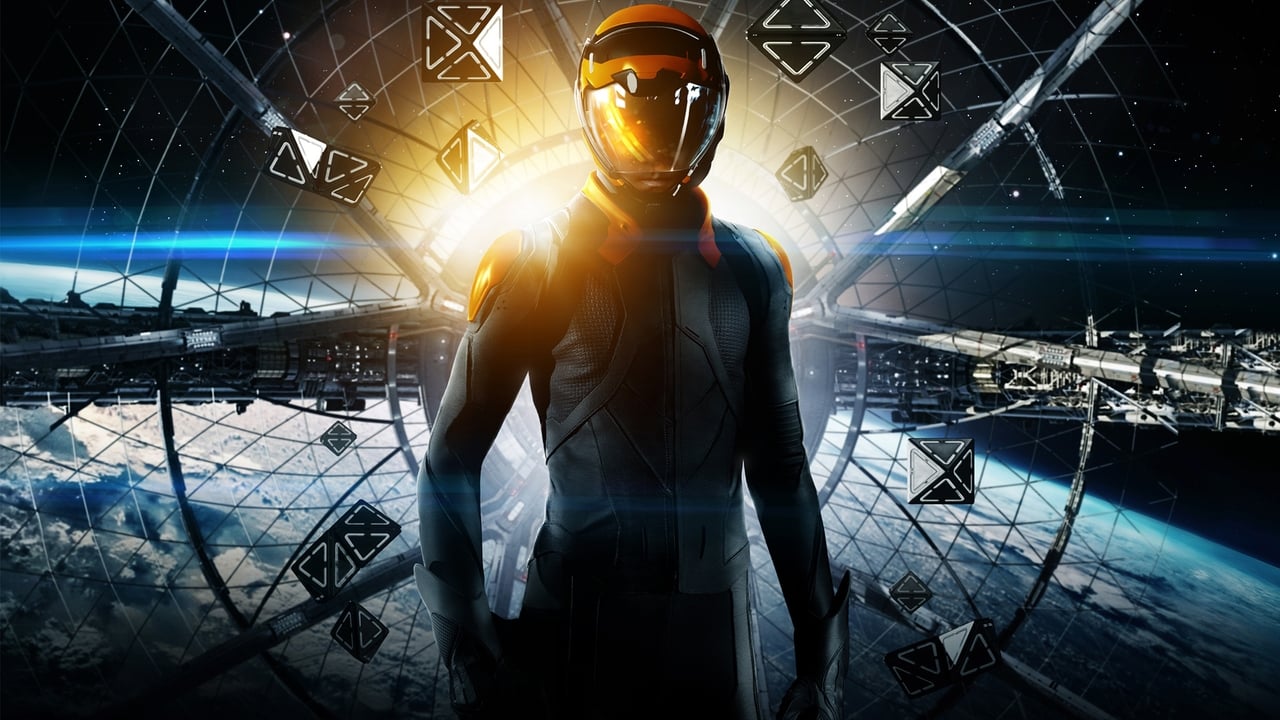
The film didn't ignite the box office, partially because it’s a hard sell: a "kids movie" that ends with a crushing meditation on the morality of preemptive war. In the post-9/11 landscape of 2013, this theme was incredibly pointed. The way the final battle is staged—as a literal simulation—captured the emerging anxiety of drone warfare and the gamification of violence. It was a movie ahead of its time, or perhaps just too honest for its time.
There are some quirks that reveal its era, like the slightly rushed subplot involving Ender’s siblings, Abigail Breslin and Jimmy Pinchak. In the book, their political maneuvering on the "future internet" is a whole thing, but here it feels like a vestigial limb the screenplay forgot to amputate. But even with those pacing hiccups, the film’s ending remains one of the gutsiest in big-budget cinema. The film handles child trauma with all the subtlety of a sledgehammer to a glass ornament, and that’s exactly what makes it linger in the mind long after the credits roll.
Ultimately, Ender's Game is a polished, thoughtful piece of sci-fi that deserves a second look. It avoids the fluff of many of its YA contemporaries, opting instead for a cold, clinical beauty that reflects its protagonist. It may not have launched a ten-film cinematic universe, but it remains a sharp, visually arresting story about the cost of winning. If you missed it during the 2013 shuffle, it’s a game well worth playing.
Keep Exploring...
-

X-Men Origins: Wolverine
2009
-
Babylon A.D.
2008
-
Jumper
2008
-
The Incredible Hulk
2008
-

G.I. Joe: The Rise of Cobra
2009
-

Star Trek
2009
-
TRON: Legacy
2010
-

Captain America: The First Avenger
2011
-
I Am Number Four
2011
-

X-Men: First Class
2011
-

Battleship
2012
-

John Carter
2012
-

G.I. Joe: Retaliation
2013
-
Man of Steel
2013
-
Oblivion
2013
-
Pacific Rim
2013
-
Star Trek Into Darkness
2013
-
X-Men: Days of Future Past
2014
-
Journey to the Center of the Earth
2008
-

Star Wars: The Clone Wars
2008