Europa Report
"Scientific discovery doesn't care about your survival."

If you’ve ever looked at a grainy, black-and-white photo of a distant moon and felt a sudden, inexplicable shiver of dread, Europa Report is the movie your therapist should probably warn you about. I first stumbled upon this film on a Tuesday night while nursing a lukewarm mug of ginger tea that I’d forgotten to finish two hours earlier. By the time the credits rolled, the tea was stone cold, and I was staring at my dark living room window wondering if something was staring back.

Released in 2013, a year when the "found footage" genre was beginning to rot on the vine from overexposure, Europa Report arrived like a clean, clinical scalpel. It didn't bother with the shaky-cam histrionics of teenagers running from ghosts. Instead, it gave us the perspective of static, high-definition ship cameras—the unblinking eyes of a private mission to Jupiter's moon, Europa. It’s a film that asks "What if?" and then answers with a terrifying, logical "This."
Not Your Typical Shaky-Cam Nightmare
The setup is deceptively simple: a private corporation (not NASA, notably) sends six of the world's best astronauts to verify the presence of life under Europa's icy crust. Director Sebastián Cordero avoids the usual "monster in the shadows" tropes for the first two acts, focusing instead on the crushing reality of deep-space travel. Looking back at the 1990–2014 era, we saw a massive shift in how we visualized space—moving from the swashbuckling adventure of the 80s to a more grounded, tech-anxious realism. Europa Report fits right into that pocket of cinema that respects the vacuum of space enough to keep it quiet.
The cast is a masterclass in "acting like a professional." There’s no melodrama for the sake of the plot. Anamaria Marinca (who was so haunting in 4 Months, 3 Weeks and 2 Days) leads the crew with a focused intensity that makes you believe she actually knows how to calibrate a spectrometer. Alongside her, we get Michael Nyqvist, Daniel Wu, and Karolina Wydra, all playing characters who prioritize the mission over their own lives. Even Sharlto Copley, usually known for his high-energy roles in things like District 9, delivers a grounded, heartbreaking performance as the mission's engineer. Most space movies want to be Star Wars, but Europa Report is content being a very expensive, very terrifying corporate HR training video.
The Science of Silence
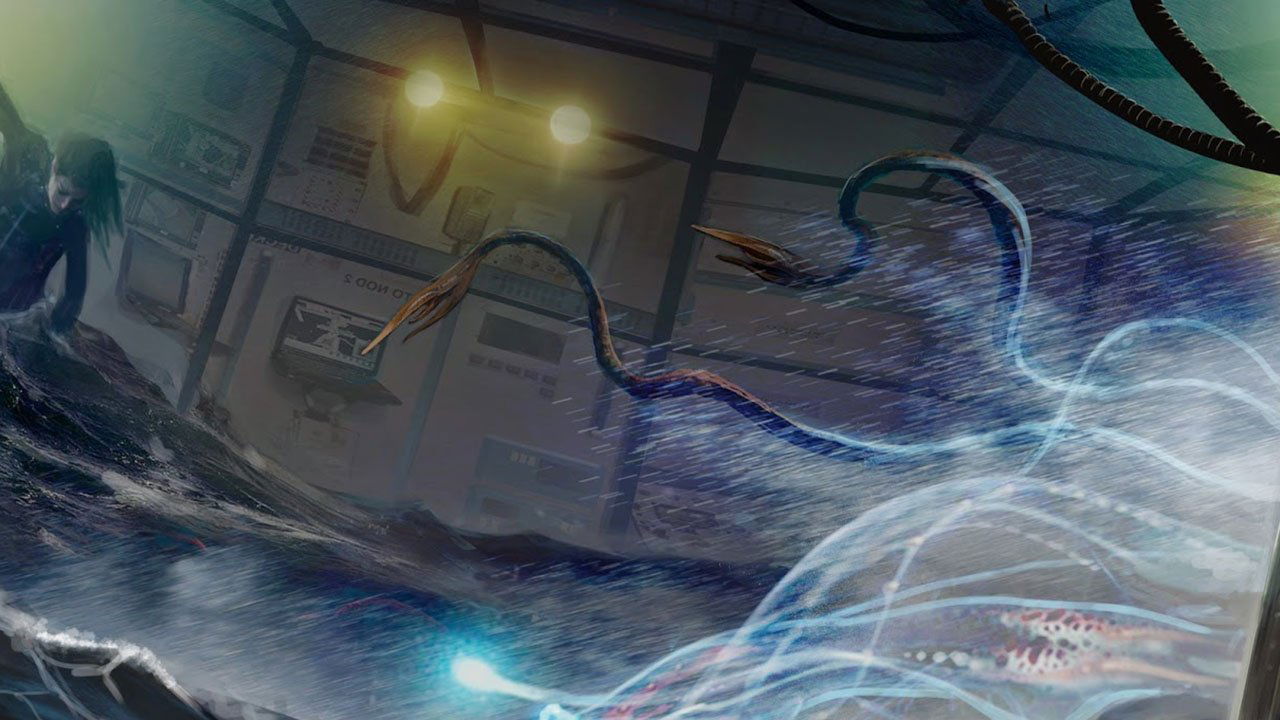
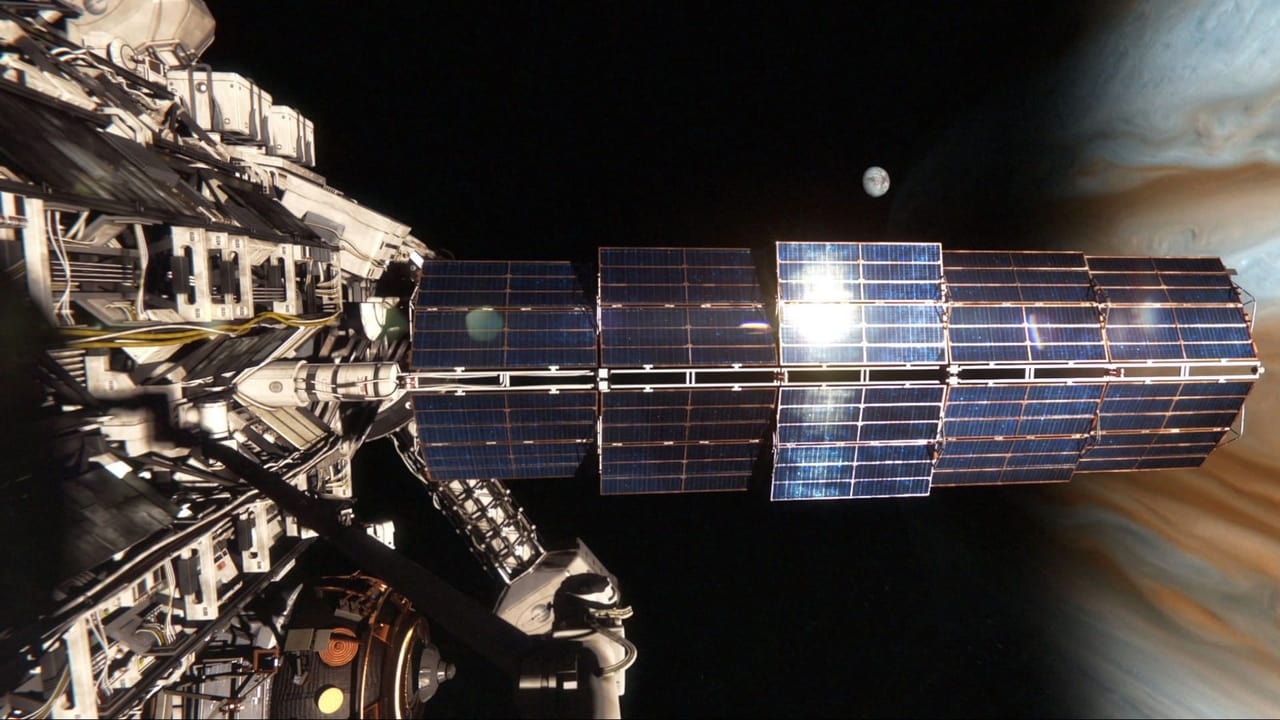
What really grabs me about this film is the production design. The ship, the Europa One, feels lived-in and claustrophobic. Apparently, the crew actually built the ship interior as a single, connected set, which explains why the actors look genuinely cramped. It lacks the sleek, Apple-store aesthetic of modern sci-fi ships. It’s all wires, velcro, and flickering monitors.
The score by Bear McCreary—now a household name thanks to God of War and The Walking Dead—is doing a lot of heavy lifting here too. It’s subtle, pulsing with a sense of inevitability. The film uses a non-linear structure, cutting between the mission logs and talking-head interviews with the mission control back on Earth (including Christian Camargo). This could have been a disaster in the editing room, but it actually builds a peculiar kind of suspense. You know things went wrong; the mystery is finding out exactly how much dignity the crew kept while the universe tried to erase them.
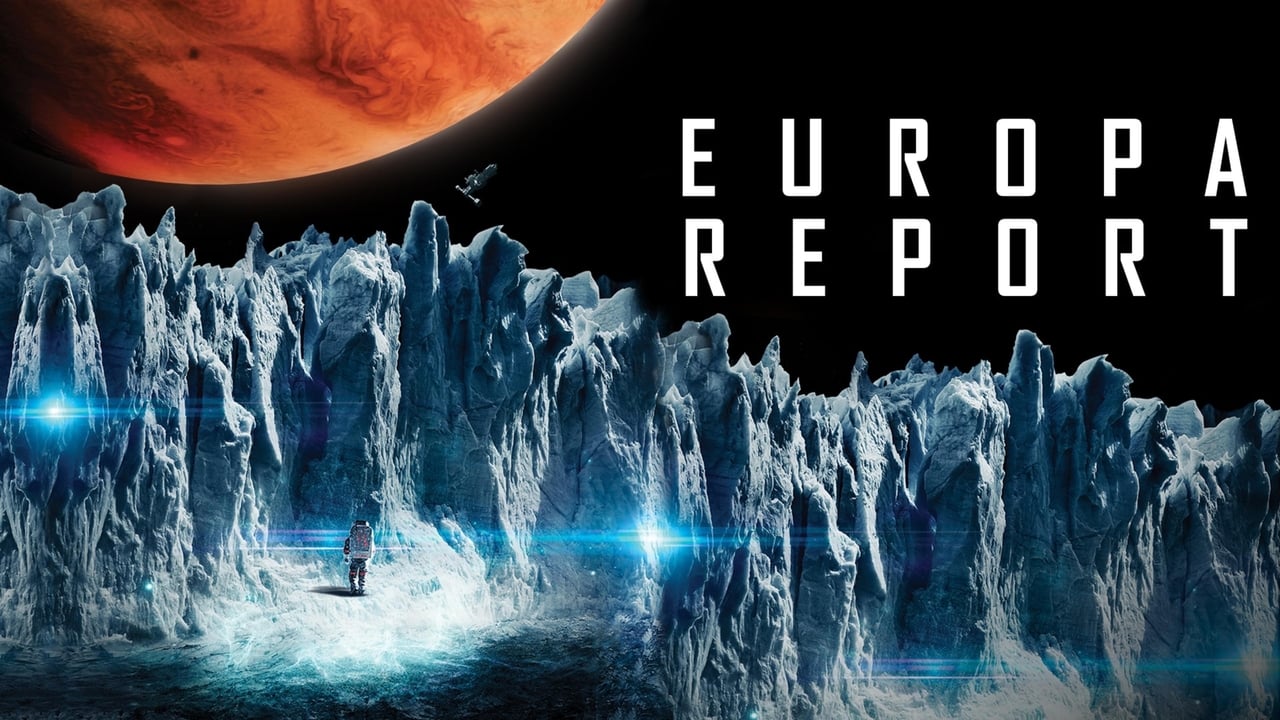
For a film that only grossed about $125,000 at the box office, the visual effects are staggering. They used actual data and imagery of Europa from NASA's Jet Propulsion Laboratory to map the surface. It’s a "Hard Sci-Fi" lover’s dream. There are no laser blasts or artificial gravity. When things go south—and boy, do they—it’s because of physics and human error, not a script-mandated villain.
A Forgotten Mission Log
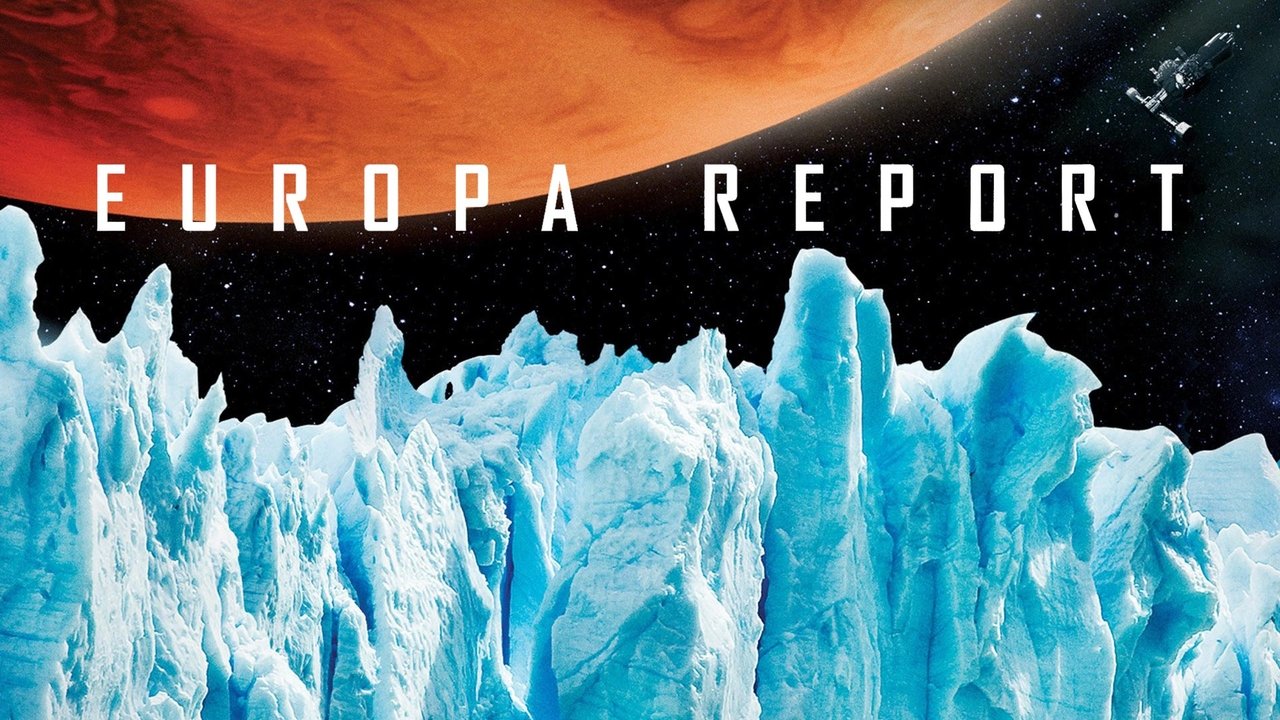
So, why did this movie disappear? It’s a classic case of a film being too smart for its own marketing. In 2013, audiences wanted the spectacle of Gravity or the mind-bending scope of Interstellar. Europa Report is a small, chilly story about the high cost of a single data point. It’s a movie that argues that human curiosity is a beautiful, lethal flaw.
The "found footage" label probably hurt it, too. By that point, people were tired of the Paranormal Activity clones. But the "found footage" genre is actually 90% garbage, and this is the 10% that justifies its existence. By framing the story through the ship's sensors, Sebastián Cordero makes the viewer an accomplice. You aren't just watching a movie; you're reviewing evidence.
As we move further away from the early 2010s, Europa Report holds up better than many of its big-budget cousins. Its reliance on practical-feeling digital effects and scientific plausibility gives it a timeless quality. It captures that specific post-9/11 anxiety where we stopped looking for saviors in the stars and started realizing just how hostile the neighborhood actually is. If you missed this one during its blink-and-you’ll-miss-it theatrical run, find a quiet night, turn off the lights, and prepare for a very long walk on very thin ice.
Europa Report is the kind of discovery that makes being a film fan rewarding. It’s a reminder that some of the most profound "first contact" stories aren't about grand speeches at the White House, but about the terrifying silence of a cold moon. It manages to be both a tribute to the scientific spirit and a cautionary tale about our place in the food chain. You might not want to watch it twice, but the first time will stay with you long after you've checked the locks on your front door.
Keep Exploring...
-

Doomsday
2008
-
Quarantine
2008
-

The X Files: I Want to Believe
2008
-
Carriers
2009
-
Race to Witch Mountain
2009
-

The Box
2009
-

The Fourth Kind
2009
-

Death Race 2
2010
-

Time Lapse
2014
-

Blindness
2008
-
Lockout
2012
-
Automata
2014
-
Elysium
2013
-
Darkman
1990
-

Star Trek VI: The Undiscovered Country
1991
-

Strange Days
1995
-
Chain Reaction
1996
-

Escape from L.A.
1996
-

The Saint
1997
-
Volcano
1997