Fast & Furious 6
"Family values, high-octane chaos, and one very long runway."
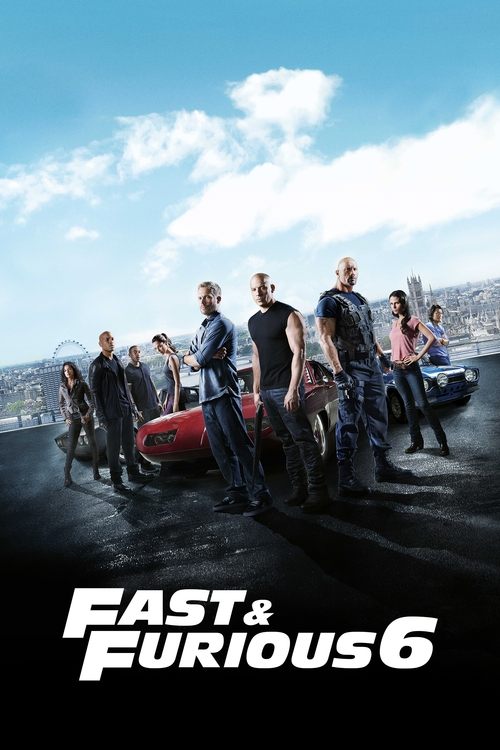
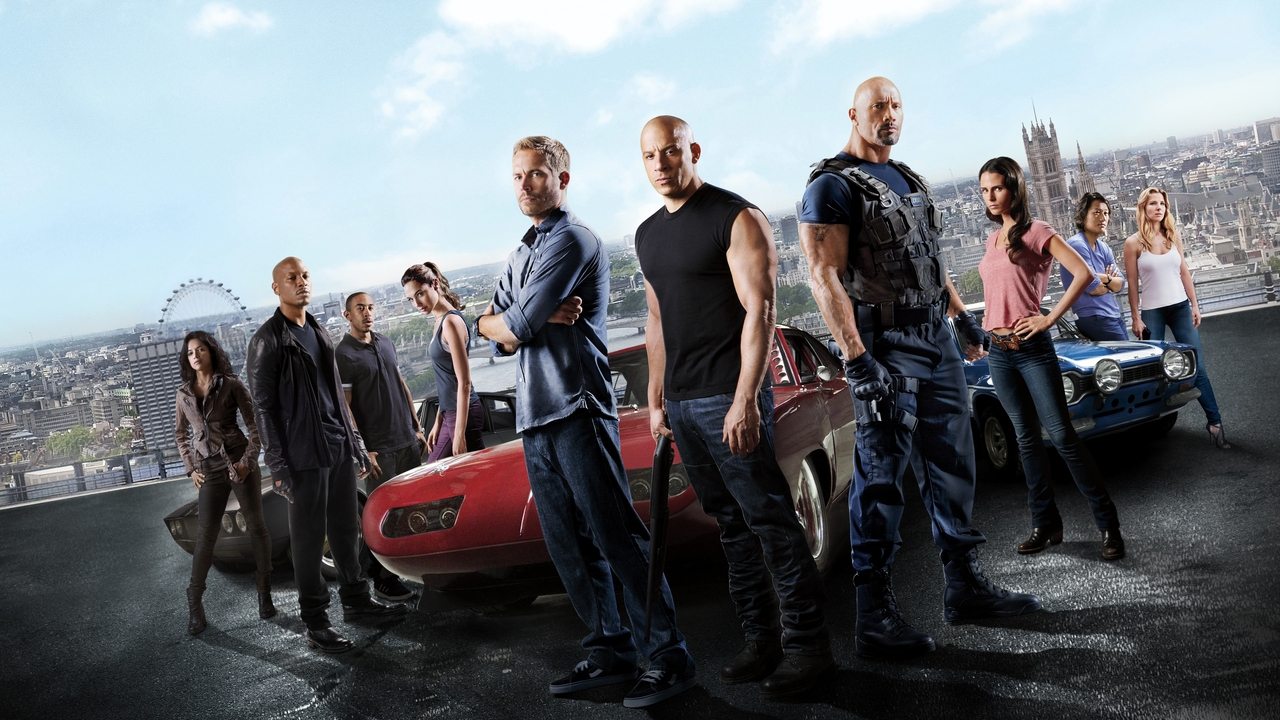
There is a specific point in the lifespan of every action franchise where the protagonists realize they aren’t actually human anymore—they’re superheroes with driver’s licenses. For the Fast & Furious saga, that transformation was fully completed in 2013. We had moved past the humble beginnings of stealing Panasonic DVD players in the streets of LA, survived the neon-soaked drifting of Tokyo, and successfully transitioned into a heist crew in Rio. By the time the sixth installment rolled around, director Justin Lin decided it was time to stop pretending these people were mere mortals and lean into the glorious, gear-grinding absurdity of it all.
The Soap Opera with Nitrous
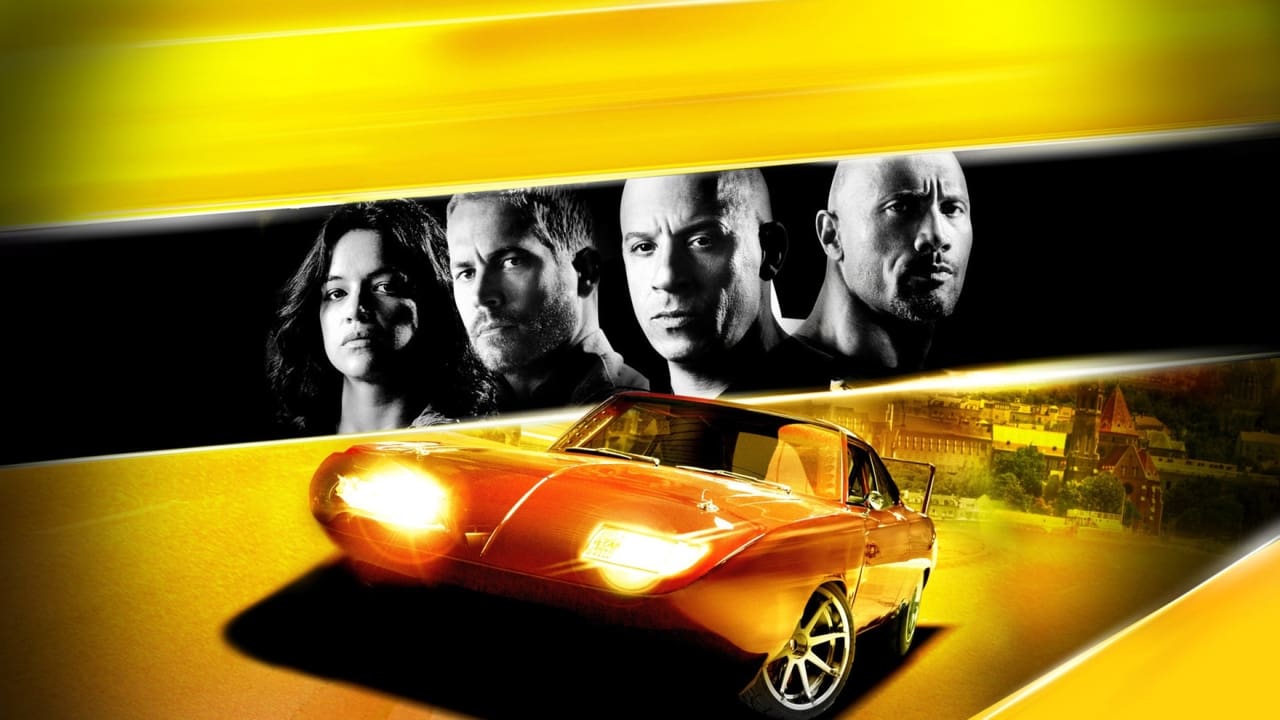
The plot of Fast & Furious 6 is essentially a daytime soap opera if the writers were paid exclusively in Monster Energy drinks. We find our "family" living the high life on the spoils of their previous heist, only to be pulled back in by Dwayne Johnson's Luke Hobbs. He needs them to take down a shadow-version of themselves—a professional mercenary crew led by Owen Shaw (Luke Evans). The hook? Dominic Toretto’s presumed-dead girlfriend, Letty (Michelle Rodriguez), is back from the grave and working for the bad guys with a bad case of amnesia.
It’s silly, of course, but Vin Diesel sells this stuff with the earnestness of a Shakespearean lead. He manages to make the word "family" sound like a sacred oath and a threat simultaneously. Watching Dwayne Johnson and Vin Diesel share the screen is like watching two tectonic plates try to out-flex each other. I watched this film while my radiator was leaking in real life, which felt like a personal insult from Toretto himself, as if I had failed the code of the road by not fixing it with a well-placed wrench and a meaningful stare.
Tank Chases and Endless Runways
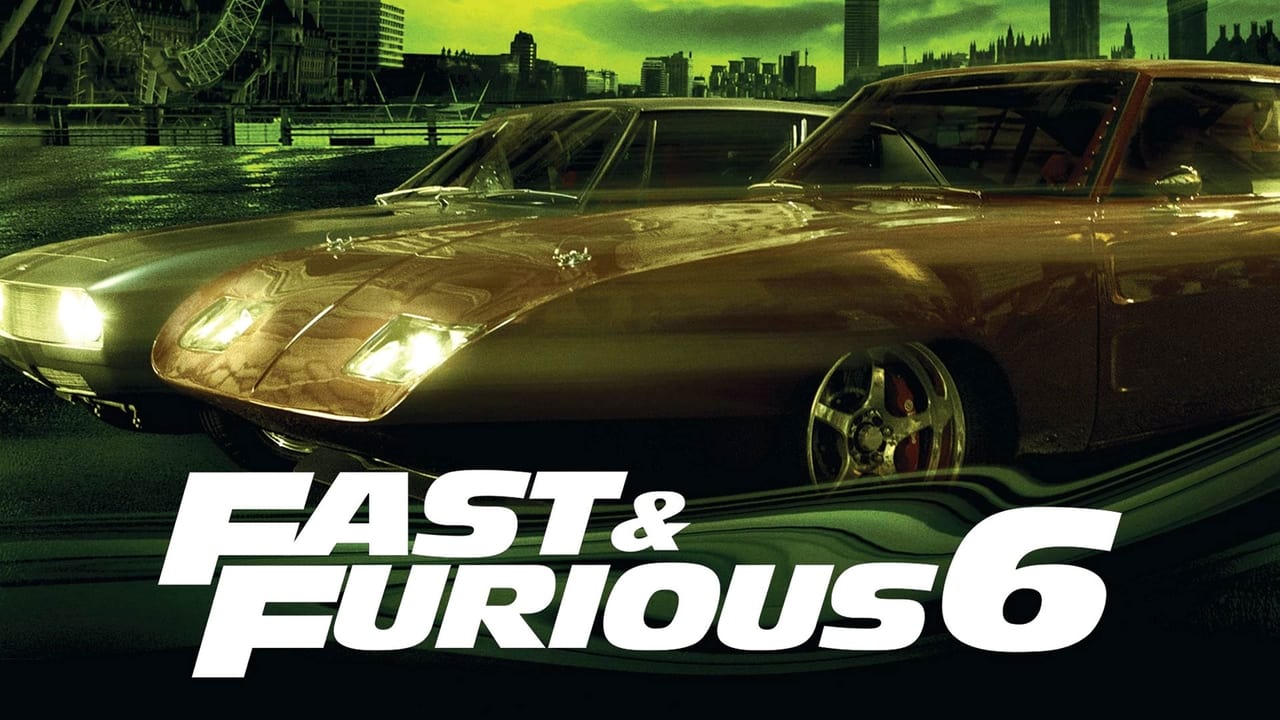
Where Fast & Furious 6 truly earns its stripes is in its commitment to practical, bone-crunching stunt work during an era where Hollywood was becoming increasingly reliant on weightless CGI. Justin Lin and second-unit director Spiro Razatos pushed for real metal on real pavement. The "flip car" driven by Shaw’s crew—a low-slung, hydraulically-powered beast—wasn't a digital creation; it was a fully functional vehicle built by the production team to actually toss police cars into the stratosphere.
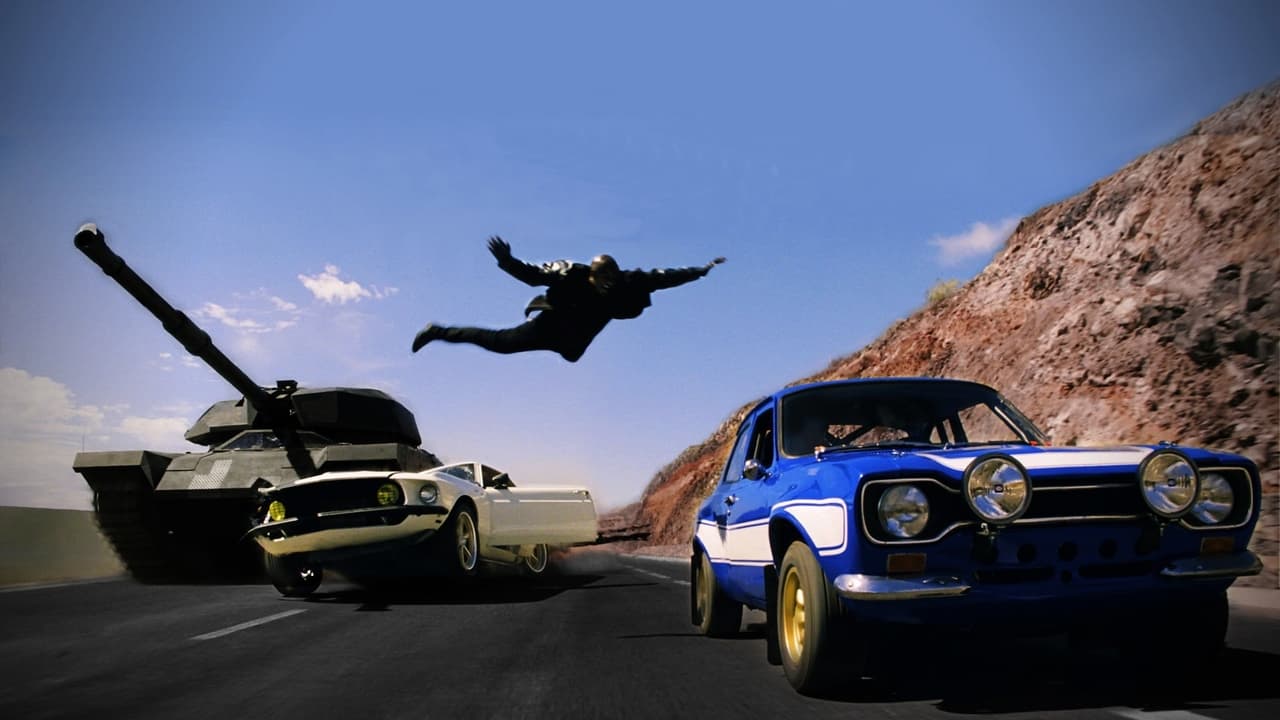
The centerpiece of the film is a chase involving a literal tank on a Spanish highway. Seeing a Chieftain tank flatten a bridge’s worth of civilian cars is satisfyingly tactile in a way that modern green-screen action rarely captures. This leads to the film's most famous moment, where Vin Diesel leaps from a moving car, catches a mid-air Michelle Rodriguez, and lands on the hood of another car without so much as a scratched elbow. Dominic Toretto’s skull is clearly made of vibranium.
Then, there’s the finale. The infamous runway sequence is the ultimate test of a viewer's suspension of disbelief. It is a masterclass in tension, featuring cars harpooning a massive cargo plane, but the logistics of that runway are the greatest work of fiction in the 21st century. Mathematicians have estimated that for the sequence to last as long as it does at those speeds, the runway would need to be roughly 18 to 28 miles long. It’s an delightful piece of movie magic that treats the laws of physics as mere suggestions.
A Franchise Finding Its Final Form
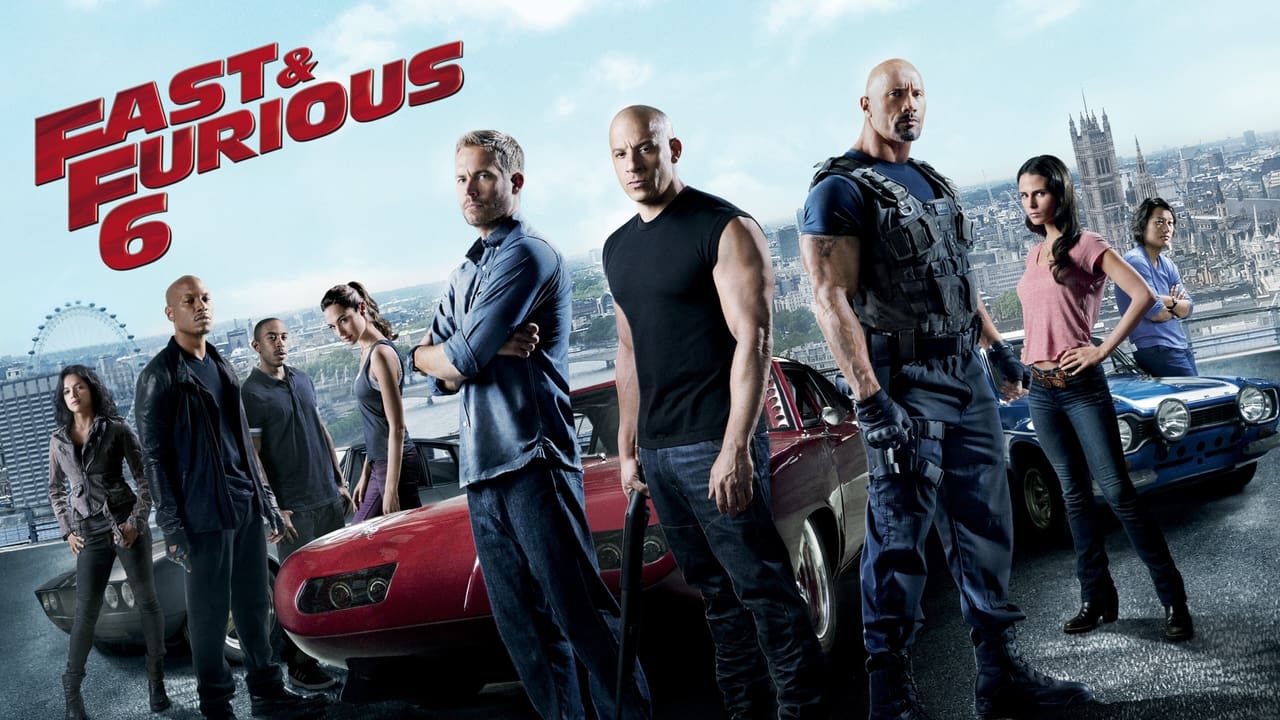
Looking back, 2013 was a pivotal year for the blockbuster. We were deep into the "franchise era," where the MCU was taking off and every studio wanted a "universe." Fast & Furious 6 successfully proved that you could build a multi-film narrative arc that rewarded long-term fans without losing the casual popcorn-muncher. It brought back characters like Han (Sung Kang) and Gisele (Gal Gadot) while giving the comic relief duo of Roman (Tyrese Gibson) and Tej (Ludacris) some of their best banter.
The film also captures the specific tech-transition of the early 2010s. The crew uses "God’s Eye" level surveillance and high-tech gadgets, yet the resolution always comes down to a fistfight or a well-timed gear shift. It’s a bridge between the analog 90s action movie and the digital 21st-century superhero flick. The movie ends with one of the best post-credit stingers of the decade, retroactively fixing the franchise timeline and introducing Jason Statham in a way that sent the crowd I was with into a genuine frenzy.
This isn't a film you watch for the dialogue—which is 40% grunts and 60% talk of "the street"—but for the sheer, unadulterated joy of watching experts at the top of their craft do something ridiculous. It’s loud, it’s sentimental, and it’s remarkably well-staged. If you can accept that a Dodge Charger is the answer to most of life’s problems, you’re going to have a fantastic time. It’s the peak of the franchise's middle-era, before the stunts became too digital and the stakes became too cosmic. Reach for the NOS and enjoy the ride.
Keep Exploring...
-
Fast Five
2011
-
Fast & Furious
2009
-
Furious 7
2015
-
The Fate of the Furious
2017
-

The Fast and the Furious: Tokyo Drift
2006
-
F9
2021
-
2 Fast 2 Furious
2003
-
Fast X
2023
-
The Fast and the Furious
2001
-

Wanted
2008
-
xXx
2002
-

RED
2010
-
Jack Reacher
2012
-
Need for Speed
2014
-

The Equalizer
2014
-
Vantage Point
2008
-

The Dark Knight Rises
2012
-
Transporter 3
2008
-
Taken 2
2012
-
Takers
2010