Filth
"Promotion is a hell of a drug."
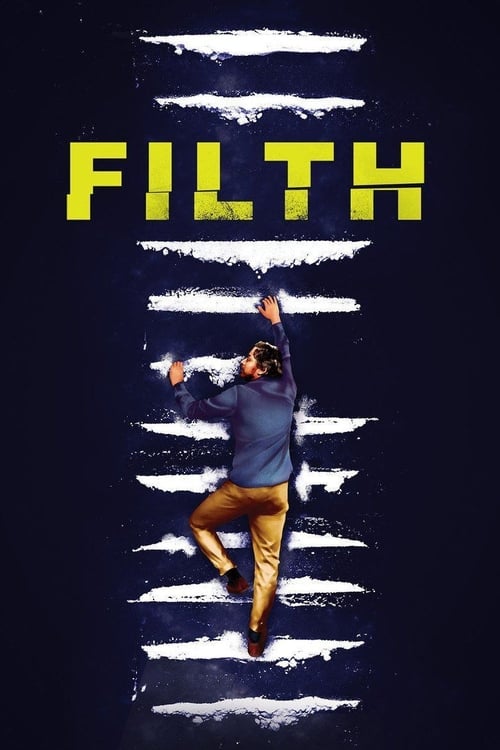
I remember the first time I saw James McAvoy. He was the sweet, scarf-wearing faun in Narnia, looking like he’d apologize if he accidentally stepped on a daisy. Fast forward to 2013, and I’m sitting in a half-empty theater in Edinburgh, watching that same man smear his face against a photocopy machine while trying to ruin a colleague’s marriage for sport. I actually had a bag of slightly burnt popcorn that smelled faintly of cardboard, and for some reason, that stale scent perfectly complemented the onscreen debauchery.
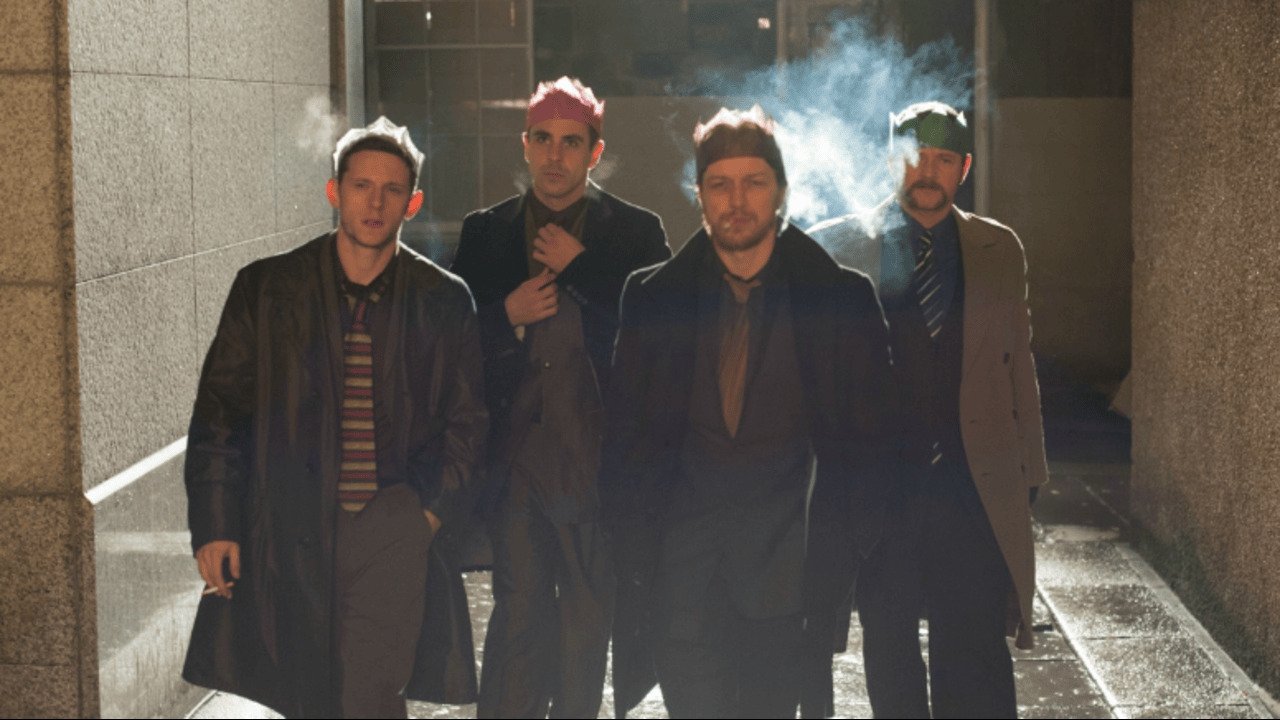
Filth is a movie that lives up to its name, then promptly drags that name through a gutter. Directed by Jon S. Baird, it’s an adaptation of the Irvine Welsh novel that many people—including Welsh himself for a while—thought was unfilmable. It follows Detective Sergeant Bruce Robertson, a man who isn’t just "bad at his job" in the way movie cops usually are; he is a bigoted, drug-fueled, manipulative sociopath who views his precinct as a chessboard and his coworkers as pawns to be humiliated.
The Beautifully Broken Bruce Robertson
The heart of this chaotic storm is James McAvoy. I’ll go on record saying this is his career-best work, even considering his triple-threat performance in Split. As Bruce, he is the toxic work colleague you secretly wish would just explode, yet McAvoy finds a way to make his inevitable downward spiral feel like a Greek tragedy written in neon ink. He’s not just playing a "jerk"; he’s playing a man whose psyche is literally fracturing.
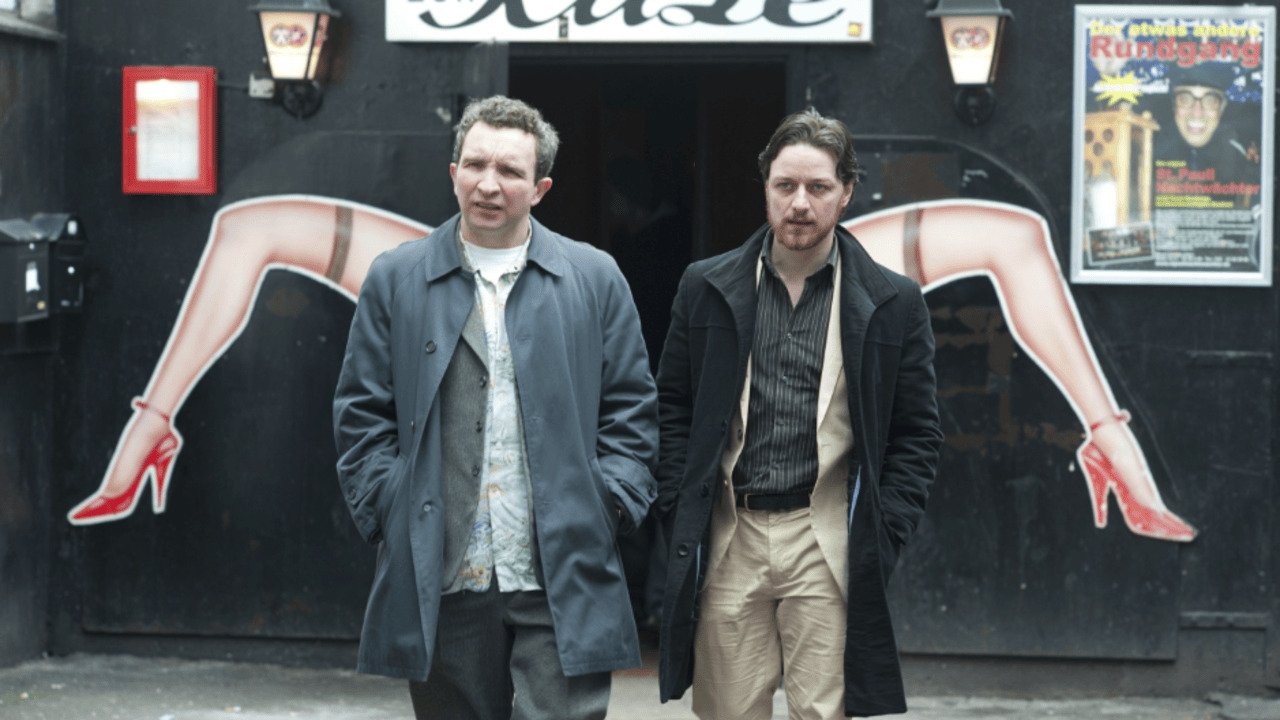
The film balances a razor-sharp, pitch-black comedic tone with moments of genuine, crushing drama. One minute you’re laughing at Bruce making prank calls to his "friend" Bladesey—played with heartbreaking sincerity by Eddie Marsan (Happy-Go-Lucky, Sherlock Holmes)—and the next, you’re hit with the realization that Bruce is hallucinating his way through a mental health crisis. It’s a tonal tightrope walk that should, by all rights, end in a messy fall, but Baird keeps the momentum steady.
The supporting cast is equally game. Jamie Bell (Billy Elliot) plays the young, naive Lennox, who becomes a target for Bruce’s "mentorship," while Imogen Poots offers a glimmer of actual competence in a department that seems to run on whiskey and spite. But the movie belongs to Bruce. It’s a character study of a man who has decided that if he can’t be happy, nobody else is allowed to be either.
A Relic of the "Difficult" Cinema Era
Looking back from our current era of polished, franchise-ready storytelling, Filth feels like a glorious middle finger to the status quo. It arrived right at the tail end of that 2000s-early 2010s wave where indie films were still trying to out-edge one another. It has that gritty, digital texture that was prevalent before every movie started looking like a high-end car commercial.
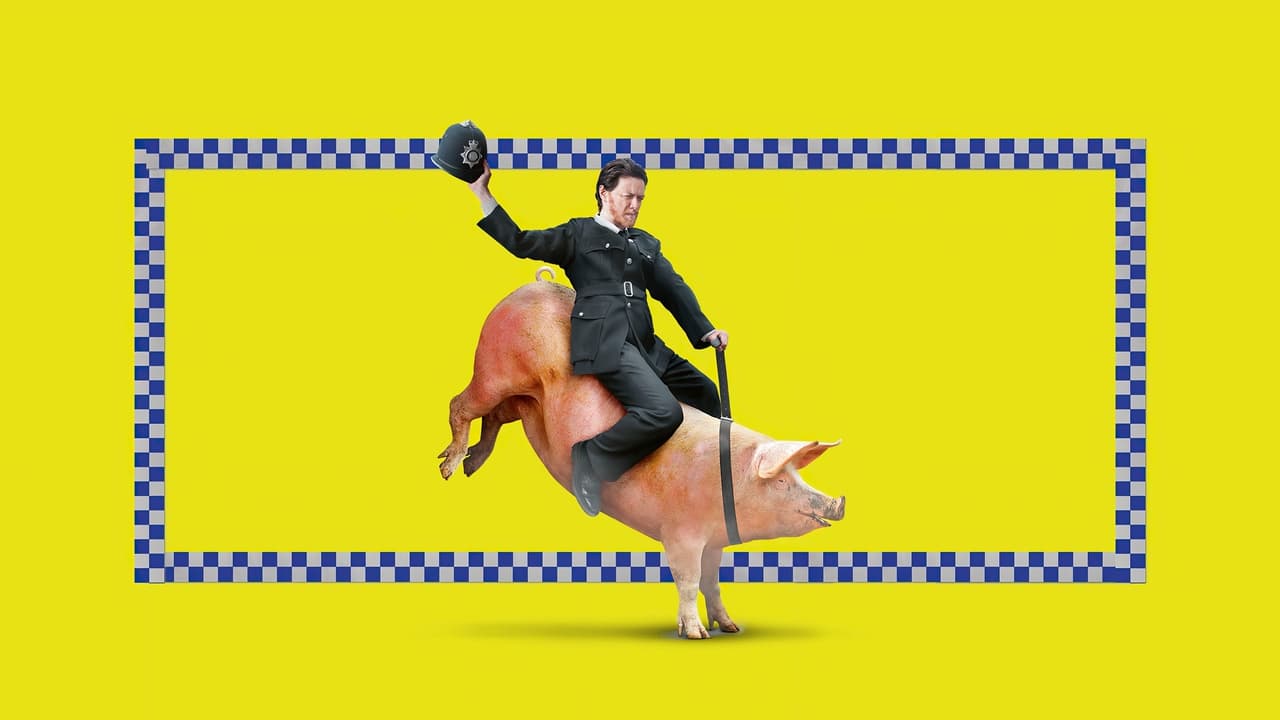
What’s fascinating is how the film handles its hallucinatory elements. As Bruce’s addiction and borderline personality disorder take over, the world starts to warp. People grow pig snouts; the lighting shifts into fever-dream purples and greys. This was the era where CGI was becoming affordable enough for indie directors to use it for surrealism rather than just explosions, and here it serves the story beautifully. It’s not "clean" CGI; it’s purposefully ugly, like a visual representation of a hangover.
Apparently, the production was a bit of a gamble. McAvoy didn't just star in the film; he helped produce it because he was so desperate to shed his "leading man" image. Turns out, Irvine Welsh was initially skeptical about the casting, thinking McAvoy was way too young and handsome for the role. He changed his mind after seeing the actor’s commitment to being absolutely repulsive. That’s the kind of creative risk we don't see enough of today—a major star actively trying to make the audience hate them.
Why It Vanished (And Why You Should Find It)
Despite being a modest success in the UK, Filth never really conquered the global stage. It’s easy to see why: it’s a movie that smells like stale cigarettes and cheap cologne, and that’s a hard sell for a Friday night date movie. It was overshadowed by bigger, safer dramas that year, and because it’s so culturally specific to the grime of Scotland, it likely felt "too foreign" for some markets.

But it’s a hidden gem that deserves a reassessment. It’s one of the few films that captures the spirit of Irvine Welsh’s writing without just trying to be Trainspotting 2.0. While Trainspotting was about the energy of youth and rebellion, Filth is about the stagnation of middle age and the rot of the soul. It’s darker, meaner, and in many ways, more honest about the consequences of a life lived without empathy.
I found my old DVD of this recently—remember those? The special features actually show how much work went into Bruce’s "deterioration" makeup. It wasn't just a bit of sweat; they progressively made McAvoy look more translucent and waxy as the film went on. It’s that level of detail that makes this more than just a gross-out comedy. It’s a tragedy dressed in a cheap suit, shouting profanities at passersby.
The film ends on a note that is both shocking and perfectly inevitable. It refuses to give you the easy "redemption arc" that Hollywood usually demands, choosing instead to lean into the consequences of Bruce’s actions. It’s a loud, abrasive, and frequently disgusting piece of cinema, but beneath the grime is a story about a very broken man trying to win a game that was rigged from the start. If you’ve got the stomach for it, it’s a ride worth taking.
Keep Exploring...
-

The Informant!
2009
-
Veronica Mars
2014
-

The Mafia Kills Only in Summer
2013
-
To Die For
1995
-

Arthur Christmas
2011
-
I Love You Phillip Morris
2010
-
Bernie
2012
-

Fanboys
2009
-

Robot & Frank
2012
-
Be Kind Rewind
2008
-

Nick and Norah's Infinite Playlist
2008
-
OSS 117: Lost in Rio
2009
-

Morning Glory
2010
-
The Guard
2011
-

Salmon Fishing in the Yemen
2012
-
The Odd Life of Timothy Green
2012
-

What to Expect When You're Expecting
2012
-
The 100 Year-Old Man Who Climbed Out the Window and Disappeared
2013
-
Hector and the Search for Happiness
2014
-

Samba
2014