Frances Ha
"Being a real person is harder than it looks."

There is a specific kind of kinetic, clumsy joy in watching Greta Gerwig run. In Frances Ha, she doesn’t just run; she gallops, limbs flailing, trying to keep pace with a version of herself that is always three blocks ahead. I remember watching this for the first time on my old laptop—the one with the sticky 'E' key—while drinking lukewarm peppermint tea, and I felt a sudden, sharp pang of recognition. Not because I was a dancer in New York, but because I, too, was a twenty-something who was professionally "undateable" and perpetually behind on my life’s choreography.
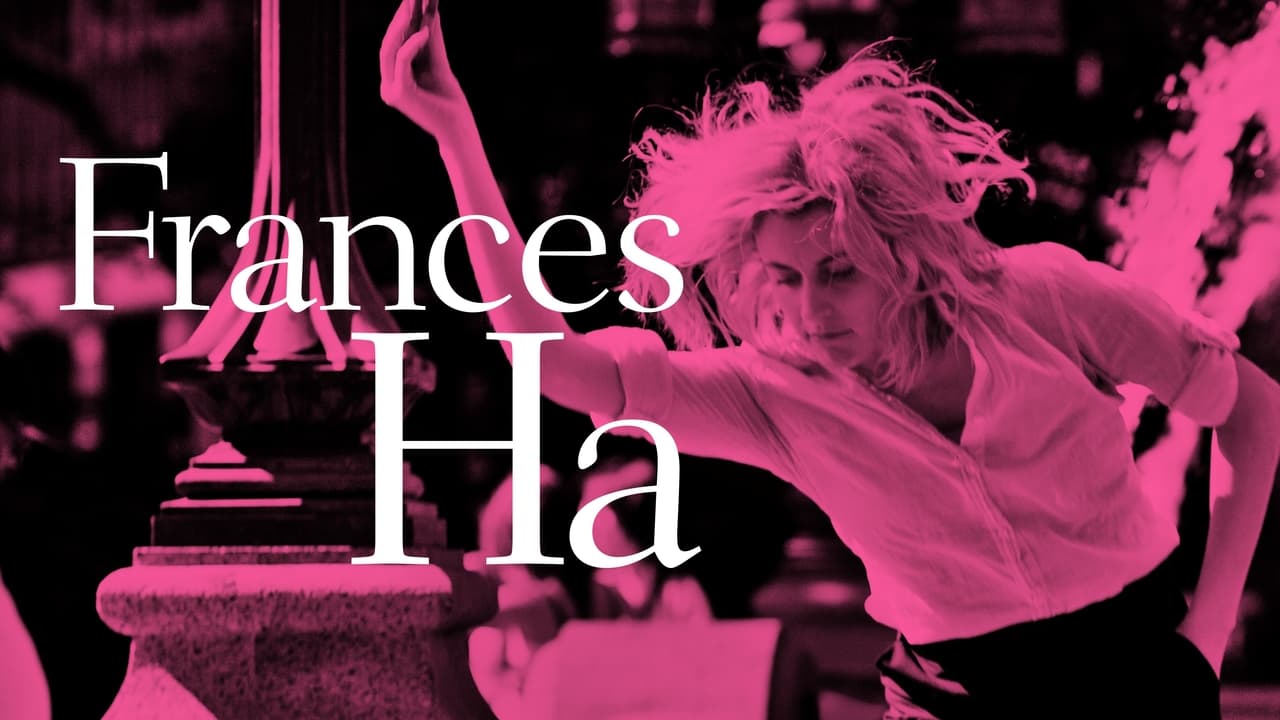
The Last Gasp of the Indie Dream
Looking back, 2013 feels like a lifetime ago. We were right on the cusp of the streaming explosion, yet Frances Ha feels like it belongs to an older, dustier shelf of cinema. Shot in gorgeous, high-contrast black and white, Noah Baumbach (who directed and co-wrote it with Gerwig) creates a film that looks like a French New Wave classic but feels like a messy Facebook status from the Obama era.
In retrospect, this film was a turning point for the "indie" identity. It didn't rely on the quirkiness of the 2000s (think Juno or Garden State), but it hadn't yet been swallowed by the slick, high-budget sheen of the modern A24 era. It was shot digitally using a Canon 5D—the kind of camera your cousin used for wedding photography—which allowed the crew to move fast and stay small. That technical choice gave it a "captured" feeling, like we’re eavesdropping on a girl who is rapidly running out of places to sleep.
The Great Platonic Heartbreak
Most movies about twenty-somethings focus on who they are sleeping with. Frances Ha focuses on who Frances is living with. The central romance isn't between Frances and Adam Driver’s character, Lev (who plays a wonderfully smug, hat-wearing hipster), but between Frances and her best friend, Sophie, played by Mickey Sumner.
Their breakup isn't caused by a betrayal; it’s caused by life. Sophie grows up, moves to Tribeca, and gets a "real" job, while Frances stays stuck in the amber of her own aspirations. Sumner is excellent here, playing Sophie with a mix of affection and growing exhaustion. There’s a scene where they’re play-fighting that feels so authentic it’s almost uncomfortable. It captures that specific moment when you realize your best friend has become a different person, and you’re still wearing the same stained sweater from college. If you don’t find Frances’s social desperation annoying, you are almost certainly the Frances of your friend group.
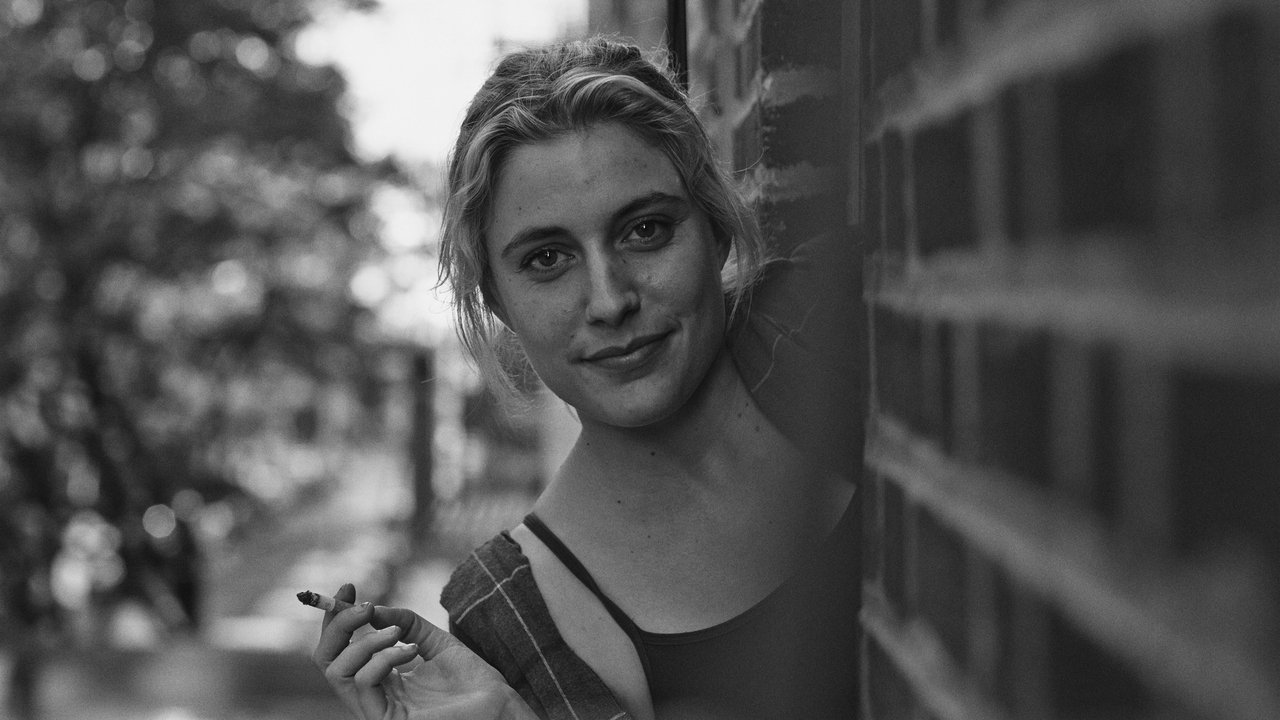
Dancing Through the Setbacks
Greta Gerwig is a revelation here. Before she was an Oscar-nominated director of Little Women and Barbie, she was the "mumblecore queen," and this is her crowning performance. She plays Frances as a woman who is "messy" but insists she is "busy." She’s a human bruise—constantly bumping into the sharp corners of New York City and pretending it doesn’t hurt.
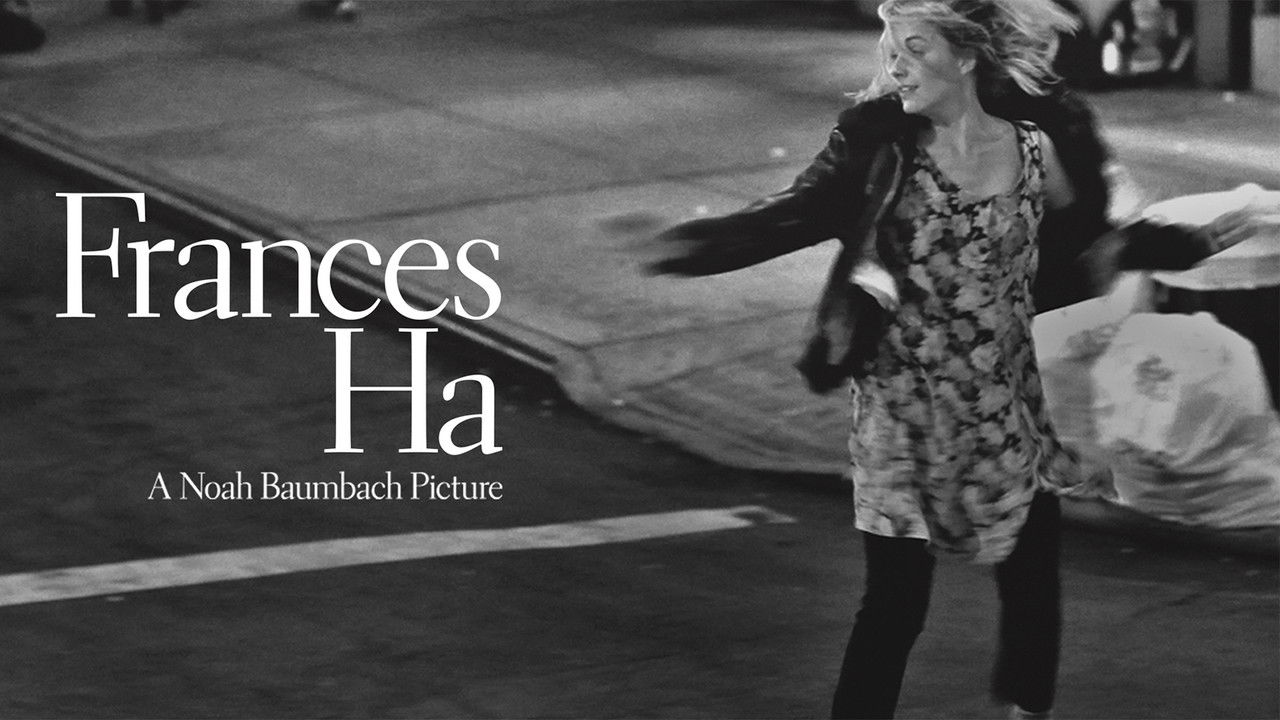
There’s a sequence that has since become iconic: Frances running through Chinatown to the sounds of David Bowie’s "Modern Love." It’s a direct homage to Leos Carax’s Mauvais Sang, but in Gerwig’s hands, it’s less about cool French nihilism and more about the desperate need to feel like you’re the protagonist of your own life, even when your bank account says otherwise.
The supporting cast is equally sharp. Michael Zegen brings a dry, cynical wit as Benji, the guy who calls Frances "undateable" with just enough affection to make it sting. Even Adam Driver, in one of his earliest notable roles, manages to be both magnetic and deeply punchable as a guy who clearly has his rent paid by his parents.
Why It Vanished (And Why to Find It)

While it wasn't a massive box office hit, Frances Ha became a "holy grail" for a certain generation of viewers. It’s one of those films that fell into the "hidden gem" category because its black-and-white aesthetic and lack of a traditional plot made it a hard sell for the blockbuster-hungry 2010s. It was the kind of movie you found on a Criterion DVD or a late-night streaming rabbit hole.
It turns out the production was a bit of a secret affair. Baumbach and Gerwig worked on the script for over a year, and the shooting process was famously meticulous. Despite the "loose" feel, they often did 30 or 40 takes for a single conversation. That precision is why the dialogue feels so sharp—it’s not improvisation; it’s a perfectly tuned instrument of awkwardness.
The film ends with a small, quiet revelation about the title that I won't spoil, but it’s one of the most satisfying "character growth" moments in modern cinema. It doesn't promise that Frances will become a world-famous dancer or a millionaire. It just suggests she might finally be okay with being exactly who she is: a person with a name that doesn't quite fit on the mailbox. It's a funny, stinging, and ultimately hopeful look at the years we spend trying to figure out how to stand still.
--- Frances Ha is currently available on various streaming platforms and is a staple of the Criterion Collection. If you've ever felt like you're failing at being an adult, this is the movie that will tell you you're doing just fine.
Keep Exploring...
-

The Meyerowitz Stories (New and Selected)
2017
-

The Squid and the Whale
2005
-
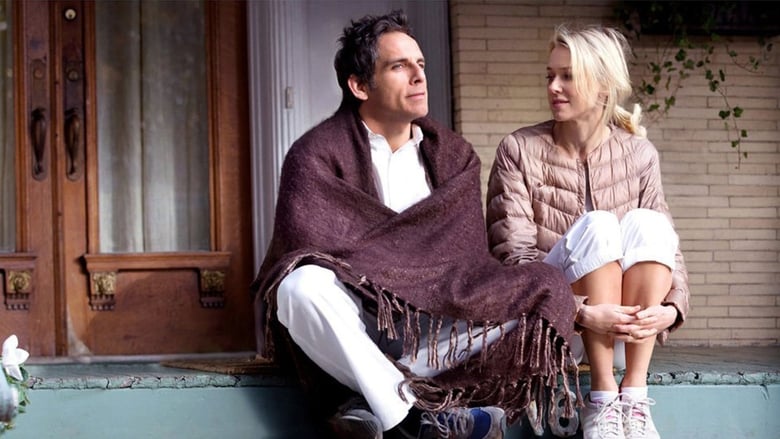
While We're Young
2015
-
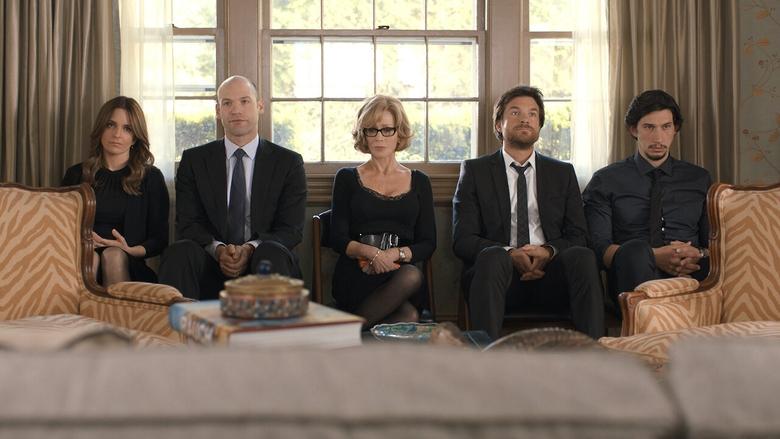
This Is Where I Leave You
2014
-
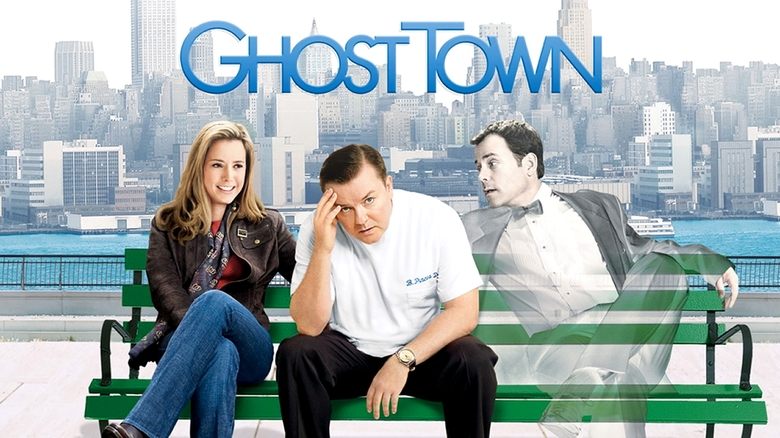
Ghost Town
2008
-
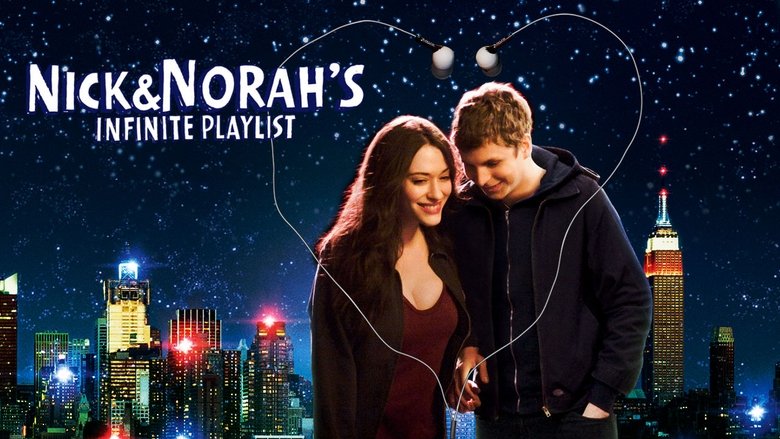
Nick and Norah's Infinite Playlist
2008
-
Wild Child
2008
-
I Love You Phillip Morris
2010
-
Morning Glory
2010
-
Lemonade Mouth
2011
-
Bernie
2012
-
God Bless America
2012
-

Goon
2012
-

Ruby Sparks
2012
-
August: Osage County
2013
-
Enough Said
2013
-
Stuck in Love
2013
-
Feast
2014
-
The Hundred-Foot Journey
2014
-
Veronica Mars
2014